
The best scalp serum for itchy scalp relief depends on why your scalp itches. A moisturizing formula may suit a dry-feeling scalp, while dandruff, a product reaction or another condition can need a different approach. Start with the symptom pattern and the product's labeled purpose, then compare ingredients, texture and application.
This guide uses American Academy of Dermatology information and GinGrowth product details checked October 1, 2026. It helps you decide when a cosmetic moisturizing step makes sense and when buying another serum is unlikely to answer the underlying question.
A Quick Way to Narrow the Choice
Notice whether itching started after a new product, comes with recurring flakes, or persists with redness or pain. These clues cannot diagnose a condition, but they help you choose the next action. A new reaction deserves attention before adding more products; persistent symptoms deserve an assessment.
For ordinary moisturizing care, compare a light water-based formula with a richer conditioning texture. Read the ingredients rather than assuming a product labeled natural, soothing or scalp-friendly will suit everyone. An oil blend is still a formula that can contain ingredients you do not tolerate.
How Shampoo and Leave-On Care Differ
A shampoo is designed around a wash step. A leave-on formula remains after application according to its directions. Neither format is automatically better for every itchy scalp. The relevant question is whether the product has the appropriate purpose and whether its instructions fit your needs.
For dandruff, a labeled anti-dandruff shampoo may be the relevant comparison. The AAD advises following the particular shampoo's directions, including contact time. Keeping a cosmetic serum on longer does not reproduce that treatment role.
Swipe the table sideways to compare all columns.
| Your decision | What to compare | Practical next step |
|---|---|---|
| Itch after a new product | Could the product be causing irritation or an allergic reaction? | Stop the suspect product and seek advice when needed. |
| Itch with recurring flakes | Could dandruff or another scalp condition be involved? | Compare appropriate labeled care rather than assuming simple dryness. |
| A mild dry or tight feeling | Would a simpler routine and moisturizing care fit? | Check tolerance, formula and residue. |
| Pain, sores, patchy loss or persistent symptoms | Is assessment needed? | Prioritize diagnosis over adding another serum. |
Common Reasons a Scalp Can Itch
The AAD describes several causes of scalp itch, including dandruff, reactions to hair products and other skin conditions. Similar sensations can therefore have different explanations.
Consider the timing. Itching after coloring or a new styling product is different information from an established pattern of recurrent flakes. Do not repeatedly test suspected irritants to prove a connection. If symptoms are persistent, severe or accompanied by broken skin, seek advice rather than trying to diagnose the problem from the shape of a flake.
If itching and thinning occur together, home care for an itchy scalp with thinning hair explains practical routine checks and when assessment becomes the more useful next step.
Ingredients to Compare for Moisturizing Care
Glycerin and sodium PCA are useful names to recognize in water-based moisturizing formulas. Panthenol is a conditioning ingredient. Their presence gives you a concrete basis for comparing cosmetic care, but not proof that the finished product treats a disease or guarantees itch relief.
Look beyond the highlighted ingredients. Fragrance, aromatic oils and other components can matter to personal tolerance. A list containing rosemary or ginger does not establish how concentrated the formula is, and a cooling feeling is not a clinical test of effectiveness.
If ordinary moisturizing care is the task you want to compare, review the 40ml Ginger Hair Tonic for Scalp & Roots.
Compare Water-Based Moisture and Oil-Based Conditioning
Choose an optional everyday-care product by the task you need and the formula you prefer. The comparison below concerns cosmetic care, not proof that different products have identical treatment effects. GinGrowth sells the two products below.
Swipe the table sideways to compare all columns.
| Detail | 40ml Ginger Hair Tonic for Scalp & Roots | 30ml Ginger Scalp Oil Serum for Dry Scalp |
|---|---|---|
| Format | Water-based dropper tonic | Oil-based dropper blend |
| Ingredient highlights | Ginger extract, glycerin, sodium PCA and panthenol, alongside aqua, in the product artwork. | Mineral oil, hydrogenated castor oil, olive oil, tocopherol, rosemary leaf oil and ginger root extract in the artwork. |
| Application | Part hair, apply a small amount, massage gently for 2–3 minutes and leave on. Follow the current bottle for frequency. | After washing and drying, apply a small amount and spread gently. Follow the bottle for timing, frequency and rinse instructions. |
| Reason to compare | Choose for a larger dropper format with humectant and conditioning ingredient highlights. | Choose for an oil-based conditioning feel when you tolerate richer textures. |
View 40ml Ginger Hair Tonic for Scalp & Roots or compare 30ml Ginger Scalp Oil Serum for Dry Scalp. Review the current product page for price and package details.
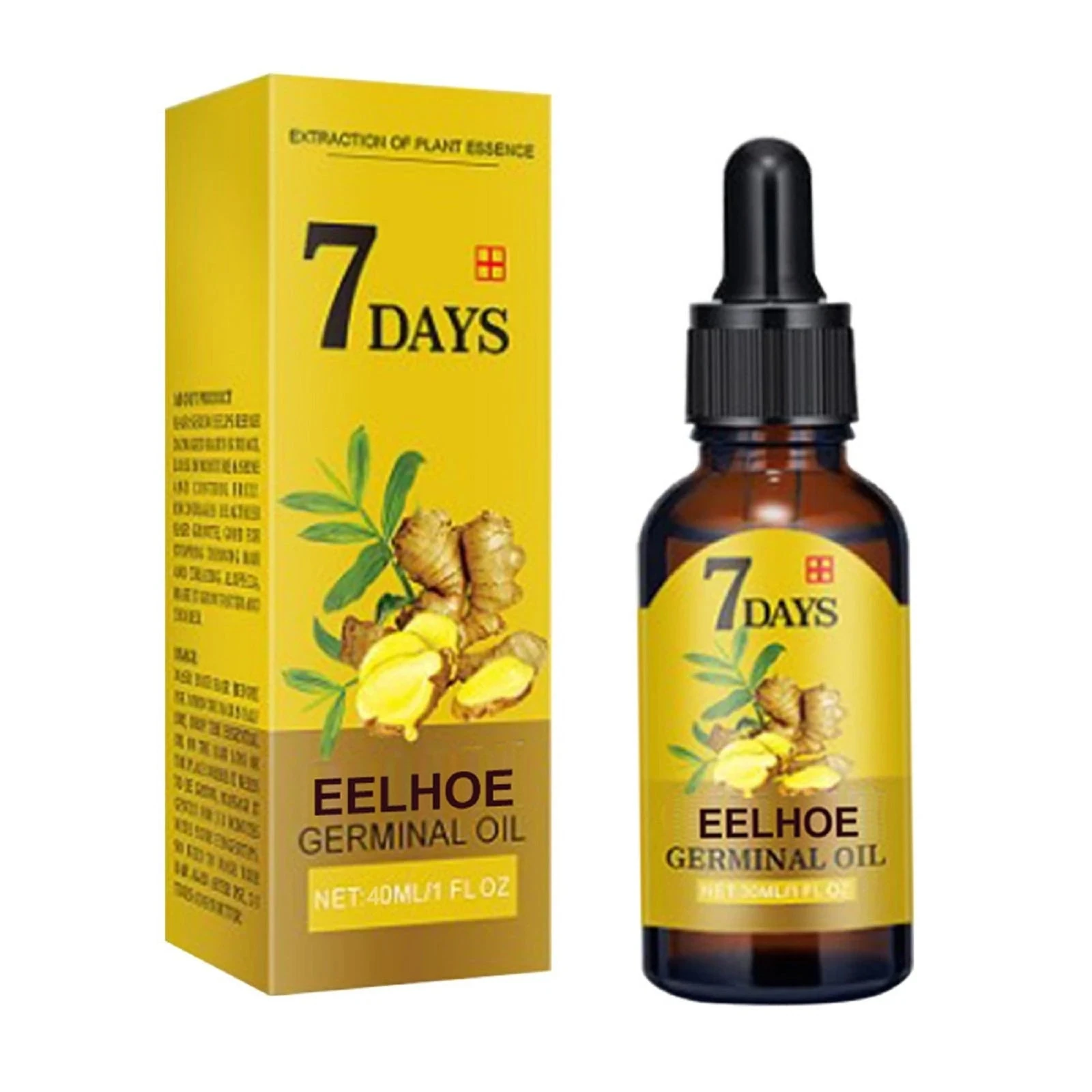
Glycerin and sodium PCA are moisture-binding ingredients, while panthenol is used for conditioning. The highlighted ingredient graphic is not a percentage breakdown. The word tonic describes this product choice; it does not establish a stronger concentration than the smaller essence. Compare the ingredients you prefer and whether direct dropper placement feels convenient in your routine.
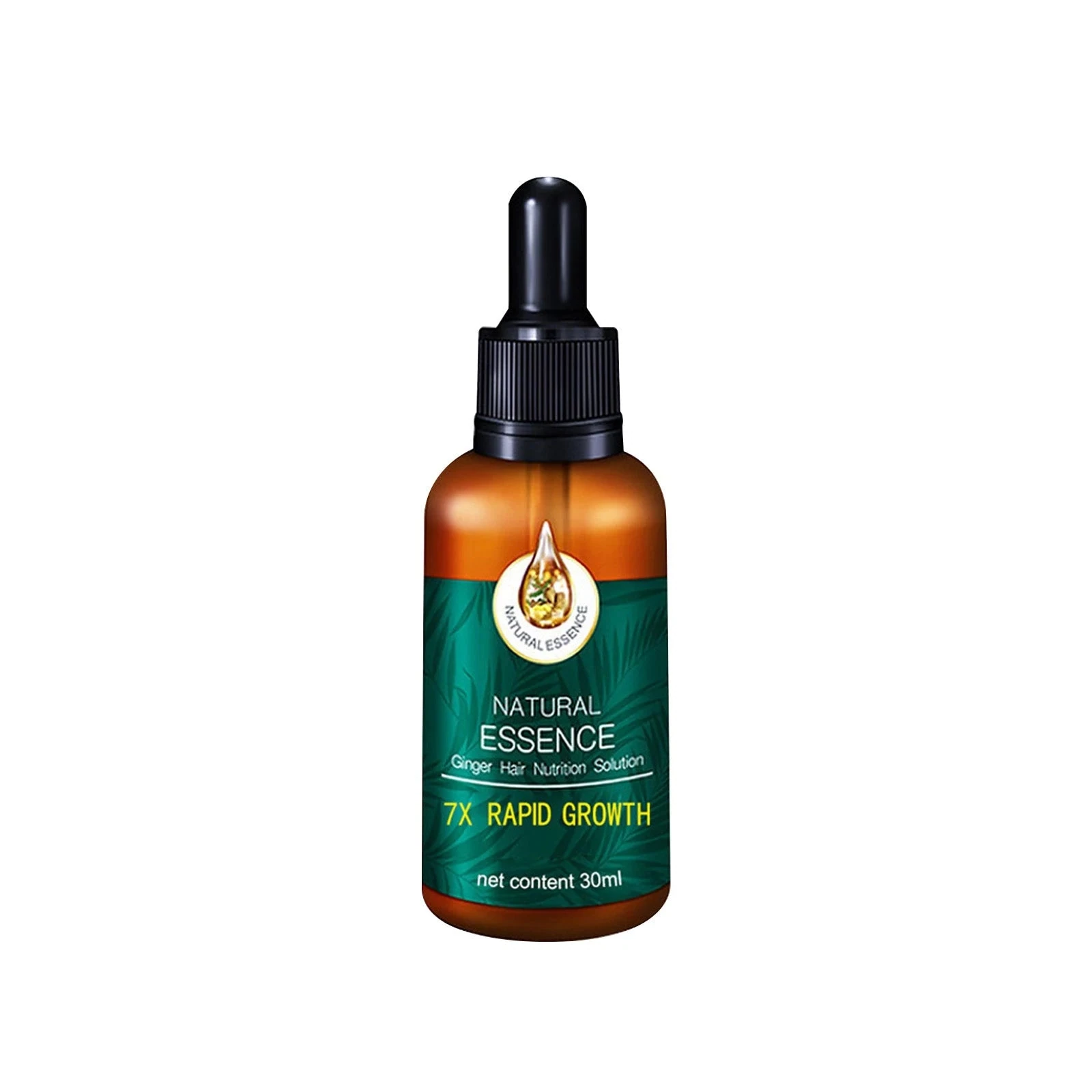
This oil blend gives you a different texture to compare with water-and-humectant formulas. It can feel more noticeable at the roots, so start sparingly and assess residue. The supplied guide does not establish an overnight treatment or a pre-wash soaking time. Botanical oils are still ingredients to check against personal sensitivities, even when you prefer an oil-based care routine.
What to Avoid When the Scalp Is Uncomfortable
Avoid scratching, vigorous rubbing and stacking new products while you are trying to understand a reaction. Do not use a larger amount of serum just because the first application did not settle the itching. More residue can also make it harder to evaluate what your scalp needs.
Do not apply a cosmetic to damaged or irritated skin unless its directions and a qualified professional support that use. Keep essential oils and improvised mixtures out of a trial intended to identify one product's effect. If symptoms worsen after a new product, discontinue that product and seek advice as appropriate.
For the comfort-care decision, choosing a soothing scalp serum separates dryness, recurrent dandruff and irritation before comparing formulas.
Choose a Serum by the Specific Care Goal
For a light moisturizing step, a water-based dropper formula may be convenient. For a conditioning oil texture, compare the base and rinse instructions before choosing. The two are not automatically interchangeable, even when both contain ginger-related ingredients.
Use a simple shortlist: intended area, formula base, ingredient list, application, and the result you want to observe. For a broader comparison of scalp symptoms and product categories, see the dry-scalp serum guide. If ongoing flakes are the main concern, read the anti-dandruff scalp-serum guide before adding moisturizing care.
Apply According to the Exact Product
Part hair to reach the scalp and use only the directed amount. The current 40ml tonic guide describes a small amount, gentle massage for two to three minutes and leave-on use. Follow its current package for frequency.
An oil-based product can have different timing requirements. The supplied 30ml oil guide does not establish an overnight soak or pre-shampoo contact time, so those steps should not be invented. Keep dropper tips clean and avoid forceful massage. For technique rather than symptom selection, use the application walkthrough.
Evaluate Relief Without a Universal Deadline
There is no verified timetable shared by every scalp serum. A manufacturer's specific study or labeled treatment schedule applies to that product and use pattern. It should not become a promise that all itch disappears within a week.
Record whether the scalp feels more comfortable, whether redness or flaking changes, and whether roots feel coated. If the product itself causes discomfort, do not wait through an imagined adjustment period. If symptoms persist, reconsider the cause with a clinician instead of continually moving to a stronger-sounding formula.
Support a Simple Routine
Keep cleansing appropriate to your hair and scalp, rinse products thoroughly, and use hair-length conditioner where its instructions direct. Avoid making many changes at once. A short product list is easier to evaluate than alternating several exfoliants, oils and scented leave-ons.
If you use a medicated shampoo, preserve its directions and ask about optional leave-on care. Do not assume every wash requires an additional serum. Comfort and a manageable routine are more useful goals than maximizing the number of scalp products you can layer.
Mistakes That Make Product Selection Harder
Choosing by ingredient popularity alone ignores the finished formula. Treating every flake as dryness ignores the range of possible causes. Calling a cosmetic a dandruff treatment because it feels cooling confuses sensation with labeled purpose.
A useful correction is to write one sentence before buying: “I want this product to provide a light moisturizing step,” or “I need advice about recurrent itchy flakes.” The first can guide a cosmetic comparison. The second needs a different decision process.
Who May Benefit from a Cosmetic Scalp Serum?
Someone seeking moisturizing or conditioning care may find a suitable formula useful if the scalp tolerates it. Someone with sudden symptoms after a product change, persistent inflammation or an unclear scalp problem should prioritize identifying the cause.
You do not need to buy a serum to complete every routine. If your existing wash and hair-care steps leave the scalp comfortable, an additional leave-on may have no clear job.
Frequently Asked Questions
Is an oil serum always best for itch?
No. Texture preference and the cause of itching are separate questions. Richness alone does not establish relief.
Can a hydrating serum replace dandruff shampoo?
Not on the basis of moisturizing ingredients alone. Compare the labeled treatment purpose and follow product-specific directions.
Should scalp serum tingle?
Tingling is not necessary evidence of benefit. Burning or persistent discomfort warrants stopping and reassessing the product.
Can I use it on a child's scalp?
Do not assume an adult cosmetic is suitable. Check age directions and ask a qualified professional about the child's symptoms.
Make the Next Step Specific
Choose a product only after identifying the care role you want it to perform. For ordinary moisturizing care, compare the water-based tonic below with an oil texture. For ongoing itching or inflamed skin, resolving the cause is the more useful next step.
If a water-based moisturizing step fits your needs, check the tonic’s ingredients and instructions.
Sources and Product Information
- American Academy of Dermatology: 10 reasons your scalp itches — Causes and corresponding care, accessed October 1, 2026.
- American Academy of Dermatology: How to treat dandruff — Product-specific directions and hair-type considerations, checked October 1, 2026.
GinGrowth product details were checked October 1, 2026. This guide compares published information and current product specifications; it does not report a GinGrowth clinical trial or personal use test.