
Face cream and face lotion are both moisturizer formats. Creams generally feel richer and more substantial, while lotions tend to spread more lightly. The better choice depends on your skin’s current dryness, the finished formula and how the product fits under sunscreen or makeup. A cream is not automatically stronger, and a lotion is not automatically suitable for every oily or acne-prone face.
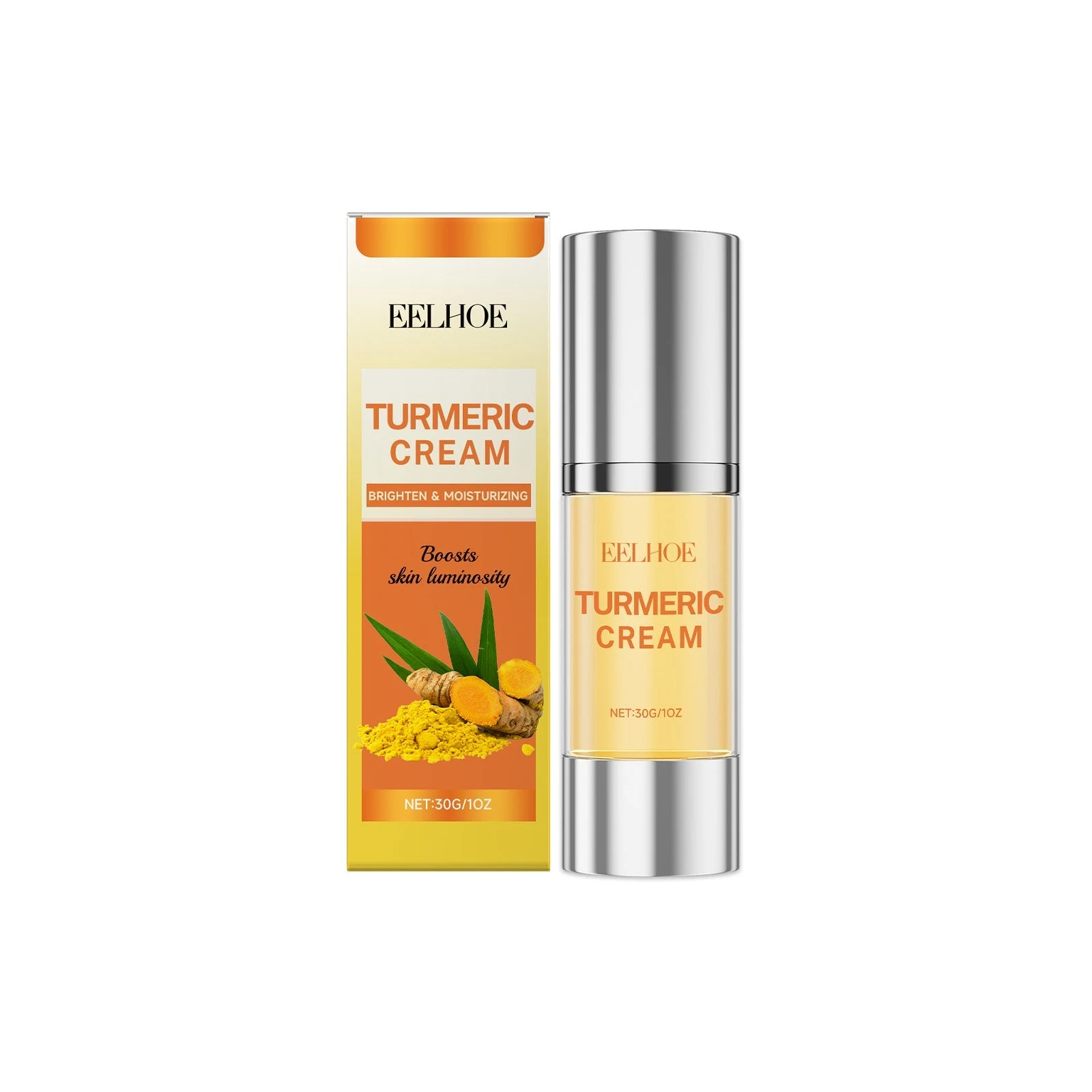
Start with the result you need: comfortable skin and a layer you can use consistently. This guide compares the same criteria for both formats and gives a simple way to evaluate your next choice. GinGrowth sells the 30g turmeric face cream featured below. It is a cream example, not evidence that our store has tested every lotion or that all readers should buy a richer product.
What is the difference between face cream and lotion?
Cream and lotion describe broad formulation and texture categories, not a universal recipe. Both can combine water, oils and other ingredients. A lighter flowing lotion can be convenient to spread, while a cream may leave a more noticeable protective feel. The label alone does not reveal the precise oil-to-water ratio, ingredient concentration or how long a product will feel comfortable on your face.
DermNet’s guide to emollients and moisturisers distinguishes creams and lotions within the range of moisturizing formats. It describes creams as more occlusive than lotions in its general comparison, while explaining that the ingredients and individual preference matter. This is a category guide, not a head-to-head test of our bottled cream against a particular lotion.
The American Academy of Dermatology’s dry-skin guidance recommends a cream or ointment rather than lotion for dry skin. That is useful when dryness is the problem. It should not be converted into a rule that every person needs the heaviest texture on every facial area throughout the year.
On a small screen, swipe or scroll the table sideways to compare all columns.
| Question | Lotion | Cream |
|---|---|---|
| Typical texture | More fluid and easy to spread | Usually thicker; formulation still matters |
| Dryness support | May fit mild dryness or lighter preferences | Often more occlusive; may suit dry-feeling skin |
| Ingredient check | Humectants, emollients and sensitivities | Humectants, emollients and sensitivities |
| Under makeup | Test the actual pairing | No universal pilling or compatibility guarantee |
| Sun protection | Only when explicitly labeled with SPF | A moisturizer without SPF is not sunscreen |
Read the formula beyond the format name
DermNet groups moisturizer ingredients by function. Humectants such as glycerin attract and retain water in the outer skin layer. Emollients help soften and smooth the surface. Occlusives such as mineral oil or dimethicone help reduce water loss by forming a protective surface layer. One finished product can combine these roles rather than belonging exclusively to one category.
An ingredient list tells you what is named, but generally does not provide an exact percentage for each component. You cannot calculate a cream’s performance from one highlighted ingredient, or assume a lotion with a fashionable active will suit you better. Review the full available information and any ingredients you already know cause problems for your skin.
Packaging is also a separate choice. A bottle does not automatically contain lotion, and a jar does not automatically mean a stronger cream. The featured product is explicitly a 30g face cream in a silver-capped bottle. Compare the stated formula and method instead of using the container as a substitute for those facts.
Match the texture to the problem you actually have
If skin feels dry or tight after cleansing, a richer moisture format may be worth considering alongside a gentler cleansing routine. If one facial area feels comfortable and another remains dry, the answer may be more targeted application rather than a thick layer everywhere. Persistent cracking, burning or inflammation requires more than a texture comparison.
If your main complaint is a heavy finish, first check the stated amount. Too much of a suitable product can feel different from a small, even layer. Our guide to how much moisturizer to use covers portioning. This page focuses on format selection; it does not assign a universal amount to all face creams and lotions.
For acne-prone or reactive skin, avoid treating the word lotion as proof that a product cannot cause breakouts or irritation. DermNet notes that some occlusive products can aggravate certain conditions and that fragrances, preservatives or other components can cause problems for susceptible people. Follow individual advice when needed, and judge the actual formulation rather than relying on a thick-versus-thin shortcut.
Compare cream or lotion for face care in five steps
- Identify your face’s current dryness and comfort, not only a skin-type label.
- Compare the actual ingredient lists and known sensitivities.
- Choose a texture you can spread using its directions.
- Keep other optional layers stable while assessing comfort.
- Reassess the pairing if it stings, feels unsuitable or repeatedly pills.
Choose a normal routine to observe, not a day when you also introduce a new acid, cleanser and makeup base. Use the product according to its label and record comfort, finish and compatibility with the layers you already use. A simple comparison is easier to interpret than changing an entire shelf at once.
Do not use a new product over irritated skin merely to complete a comparison. The AAD advises seeking dermatology guidance if products cause burning or stinging or dry skin persists despite appropriate care. A home observation can inform a preference; it does not diagnose eczema or prove a formula safe for everyone.
On a small screen, swipe or scroll the table sideways to compare all columns.
| Observation | Useful next check | Do not assume |
|---|---|---|
| Persistent dry feel | A richer suitable formula and gentle cleansing | Every cream is equivalent |
| Heavy finish | Amount, texture and optional layers | Lotion is always non-comedogenic |
| Rolling under makeup | Specific pairing and rubbing | A new cream guarantees no pilling |
| Stinging | Stop and review tolerance | Discomfort means the product is working |
How the choice fits under makeup and sunscreen
A cream can work in a pre-makeup routine when the amount and formula suit the layers that follow. A lotion can also leave an unwanted finish if it is overapplied or incompatible with the next product. Neither format guarantees that foundation will remain smooth, and the lightest texture is not necessarily the most comfortable option for dry-feeling areas.
Let each layer settle according to its directions before adding the next. Keep sun protection separate unless your moisturizer has an appropriate stated SPF and is used as directed for protection. A moisturizer’s pea-sized instruction is not a sunscreen dosing rule. Never reduce sunscreen just to make a heavier base feel thinner.
If the actual problem is little rolls of product, use the moisturizer pilling troubleshooting guide. It helps identify the first rolling step, optional layers and application friction. Switching from cream to lotion without identifying the cause may simply move the same problem into a new bottle.
Where our bottled turmeric face cream fits
EELHOE turmeric face cream is a 30g silver-capped bottle designed as a leave-on facial moisture step after cleansing. Its moisture-care ingredients include glycerin, mineral oil and glyceryl stearate. Other listed highlights are niacinamide, turmeric extract, tocopherol and tea tree leaf oil. The listing does not provide percentages for those highlights or establish a fragrance-free claim.
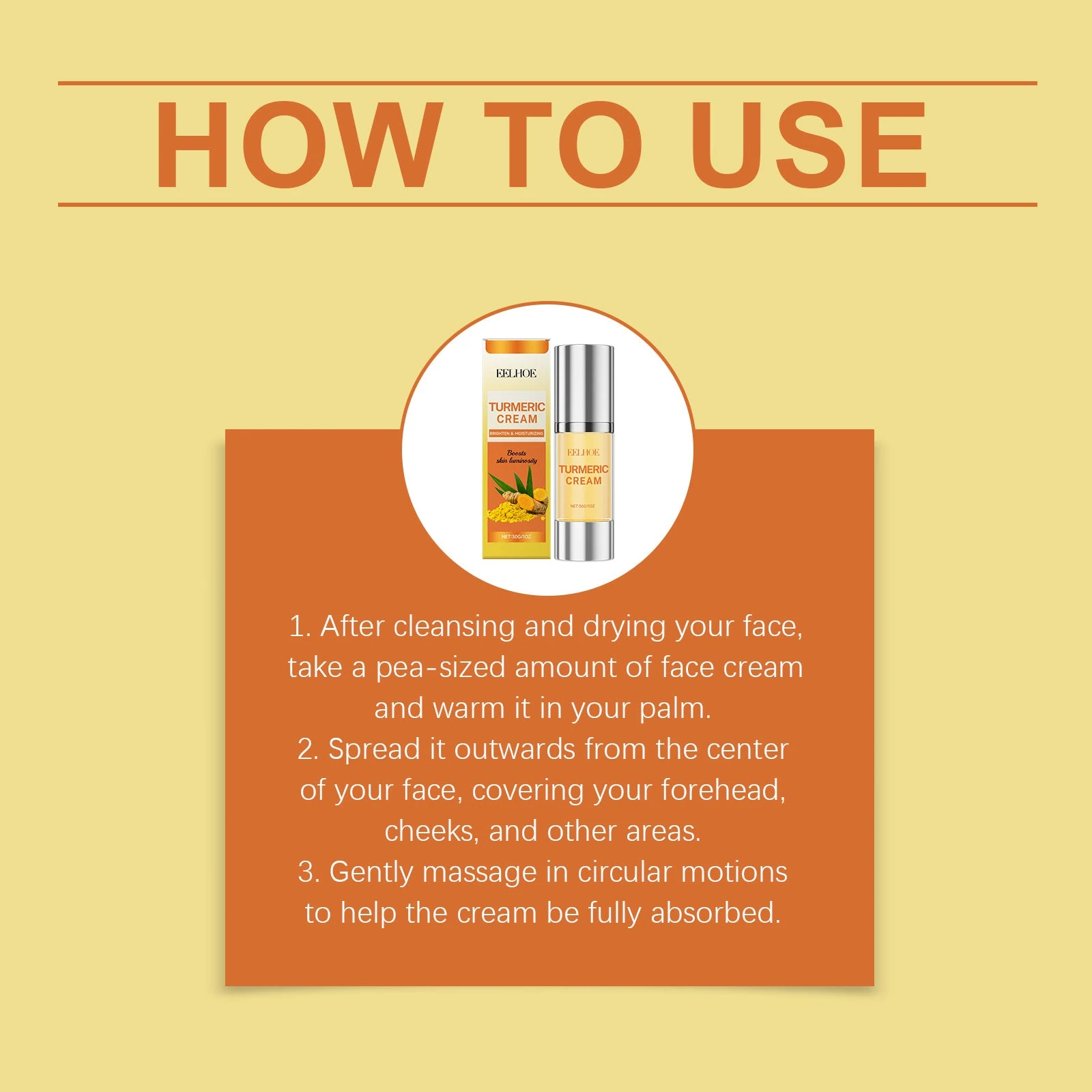
Its method is to cleanse and dry the face, warm a pea-sized amount in the palm and spread outward gently, keeping away from the eyes. The product page describes letting a small, even layer settle before foundation. This makes it an option to review when you want a bottled cream for pre-makeup moisture, not a promise of compatibility with every foundation.
The separate 50g jar moisturizer has different ingredient highlights. Do not assume the jar is the same formula in a larger pack, or that either is necessarily stronger. The relevant choice is the listed composition, the amount and method you prefer, and how the product suits your routine. No SPF rating is stated for this 30g bottle.
Keep nearby moisturizer decisions separate
Cream versus lotion is a texture-and-formula comparison within facial moisturizing care. If you are considering a balm instead, our face balm versus face cream guide addresses that different format. You do not need to stack a balm, cream and lotion simply because each can be described as moisturizing.
A useful choice is one you can state clearly: “I need more comfort on dry-feeling areas,” or “I want a lighter finish that still feels comfortable.” Open the product details to check whether the candidate supports that job. Avoid choosing solely because a category is trending or because a larger quantity seems more effective.
Questions about face lotion vs cream
Is face cream better than lotion for dry skin?
The AAD recommends cream or ointment rather than lotion for dry skin. Still review the actual formula and your tolerance. A richer texture does not resolve every cause of dryness, and persistent discomfort may need professional assessment.
Should oily skin always use lotion?
No single format suits all oily skin. A lighter lotion may be a comfortable preference, but its ingredients and the rest of the routine still matter. Do not assume that “lotion” guarantees non-comedogenic performance or that a cream automatically causes breakouts.
Can I use face lotion in the morning and cream at night?
You can use different suitable products when their directions fit your routine, but two formats are not required. Start with what leaves skin comfortable and works with daytime protection. Avoid adding an extra product when the existing routine already meets your needs.
Is the featured bottled product a lotion?
No. It is listed as a 30g face cream with glycerin and niacinamide among its highlights. Its bottle shape does not change its stated category. Follow its pea-sized application method and review the current product page before choosing it.