
Yes, moisturizer can expire and its formula can change over time. Follow the product’s printed date, period-after-opening guidance and storage instructions. Replace a cream that is past its stated usable period or has unexpected changes; a familiar smell or normal appearance cannot prove that an old moisturizer is still suitable for your face.
The most useful question is not whether all face creams last the same number of months. It is whether you can establish the age, condition and handling history of the particular cream you plan to leave on your skin. A quick label review can answer more than an online shelf-life average.
How long does moisturizer last?
There is no single reliable shelf life for every moisturizer. Water content, preservation, packaging, storage and handling vary. A sealed backup, a frequently opened jar and a bottle left in a sunny window should not automatically receive the same answer. Use the manufacturer’s instructions for the exact formula and package.
The FDA’s cosmetic shelf-life guidance describes several ways cosmetics can change: preservatives can deteriorate, emulsions can separate, products can dry out, and heat, light or moisture can affect their condition. These general principles explain why a cream’s original date and storage advice matter. They do not provide a replacement expiry date for an individual bottle.
If a moisturizer carries an open-jar symbol such as 6M, that refers to months after opening. Write down the first-use date and follow any separate printed expiry. Do not infer an opening period from another product in the same range. The bottle size or an ingredient such as niacinamide does not tell you how long the finished cream has been validated to last.
On a small screen, swipe or scroll the table sideways to compare all columns.
| Check | Useful evidence | Do not substitute |
|---|---|---|
| Age | Printed date and recorded opening date | Purchase date alone |
| Condition | Storage history and expected appearance | A normal smell as proof of safety |
| Routine performance | How an appropriate cream spreads and layers | Pilling as an automatic expiry diagnosis |
| SPF or treatment role | The specific drug or sunscreen label | A generic cosmetic shelf-life estimate |
Separate three questions: age, condition and performance
Age asks whether the product is within the label’s stated period. Condition asks whether it has been stored and handled appropriately and whether anything has changed. Performance asks whether it still spreads and feels as expected in your routine. A good answer to one question does not automatically settle the others.
For example, an in-date cream that has developed an unusual smell should not be waved through because the calendar looks fine. An old cream that still spreads smoothly does not receive extra months because its texture seems pleasant. And an in-date cream that pills under foundation is not necessarily expired; the amount and products layered together may be responsible.
Our moisturizer pilling guide addresses rolling and layering separately. Check age and condition first, then troubleshoot routine performance only if the moisturizer itself remains appropriate to use. Avoid blending a questionable cream into a fresh one to conceal a texture problem.
Inspect the container as well as the cream
Check the cap, neck and dispensing opening for damage, dried buildup or signs that the closure no longer works properly. A bottle is not automatically airless or contamination-proof simply because it is different from a jar. Keep the opening clean according to the package instructions and avoid touching the product outlet to unclean surfaces.
For a jar, use clean hands or a clean suitable applicator, close it after use and avoid introducing water. The FDA notes that dipping fingers into cosmetics adds microorganisms that preservation systems need to control. That does not make every jar unsuitable; it makes handling part of the product’s history.
If you find visible growth, a clearly abnormal odor or unexpected separation, stop using the cream. Do not remove the top layer and assume the remainder is fine. A changed moisturizer is not something to rescue by adding water, essential oils, alcohol or a different cream. Those additions create a mixture for which the original instructions no longer apply.
On a small screen, swipe or scroll the table sideways to compare all columns.
| What you notice | Review first | What not to infer |
|---|---|---|
| Rolls under foundation | Age and condition, then amount and layers | All pilling means expiry |
| Unexpected odor or separation | Stop and ask about the exact formula | Stirring restores safety |
| Intact unopened backup | Printed date and storage history | A seal means unlimited shelf life |
| SPF on the label | Sunscreen expiration and directions | Normal cream texture proves sun protection |
Know which facial moisturizer you are replacing
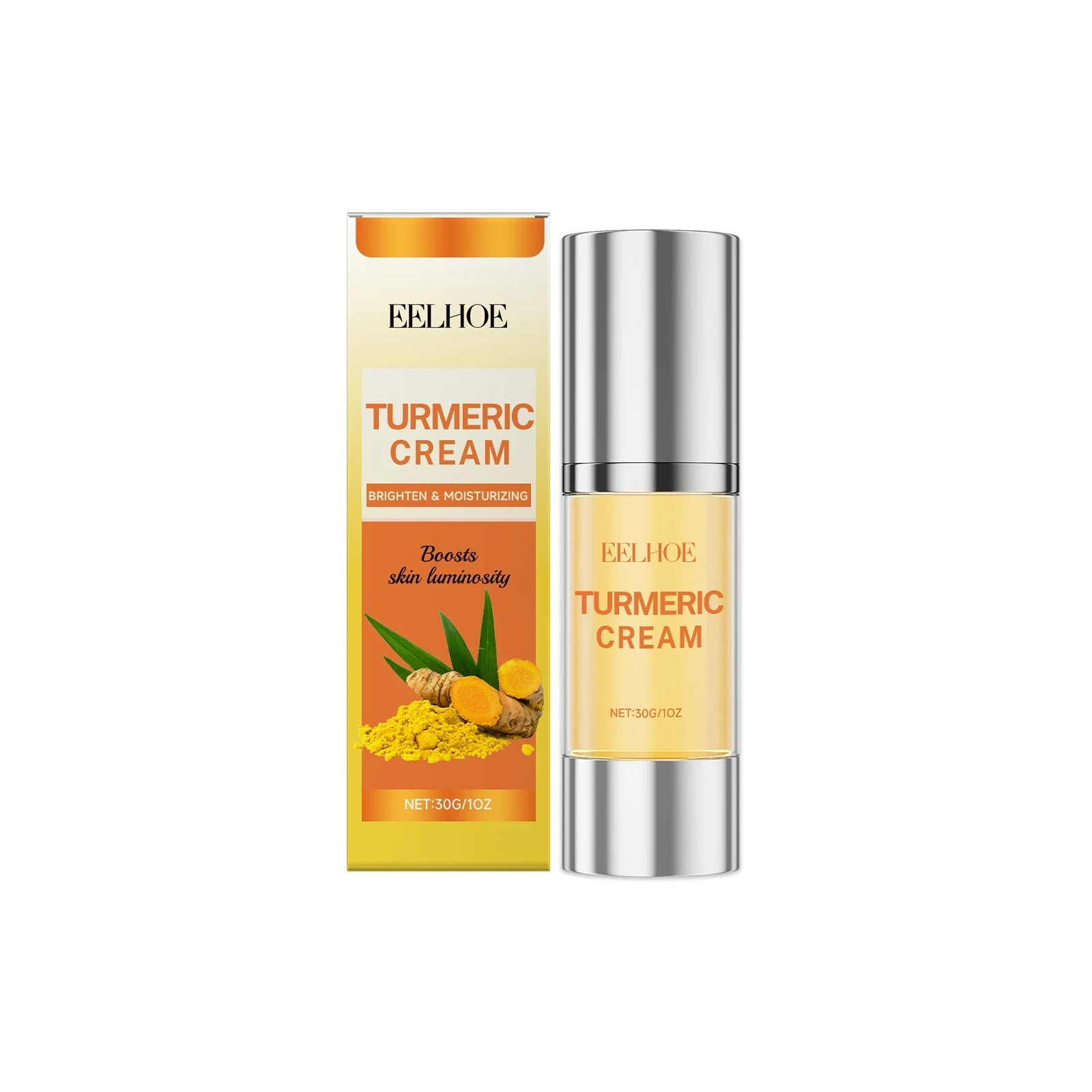
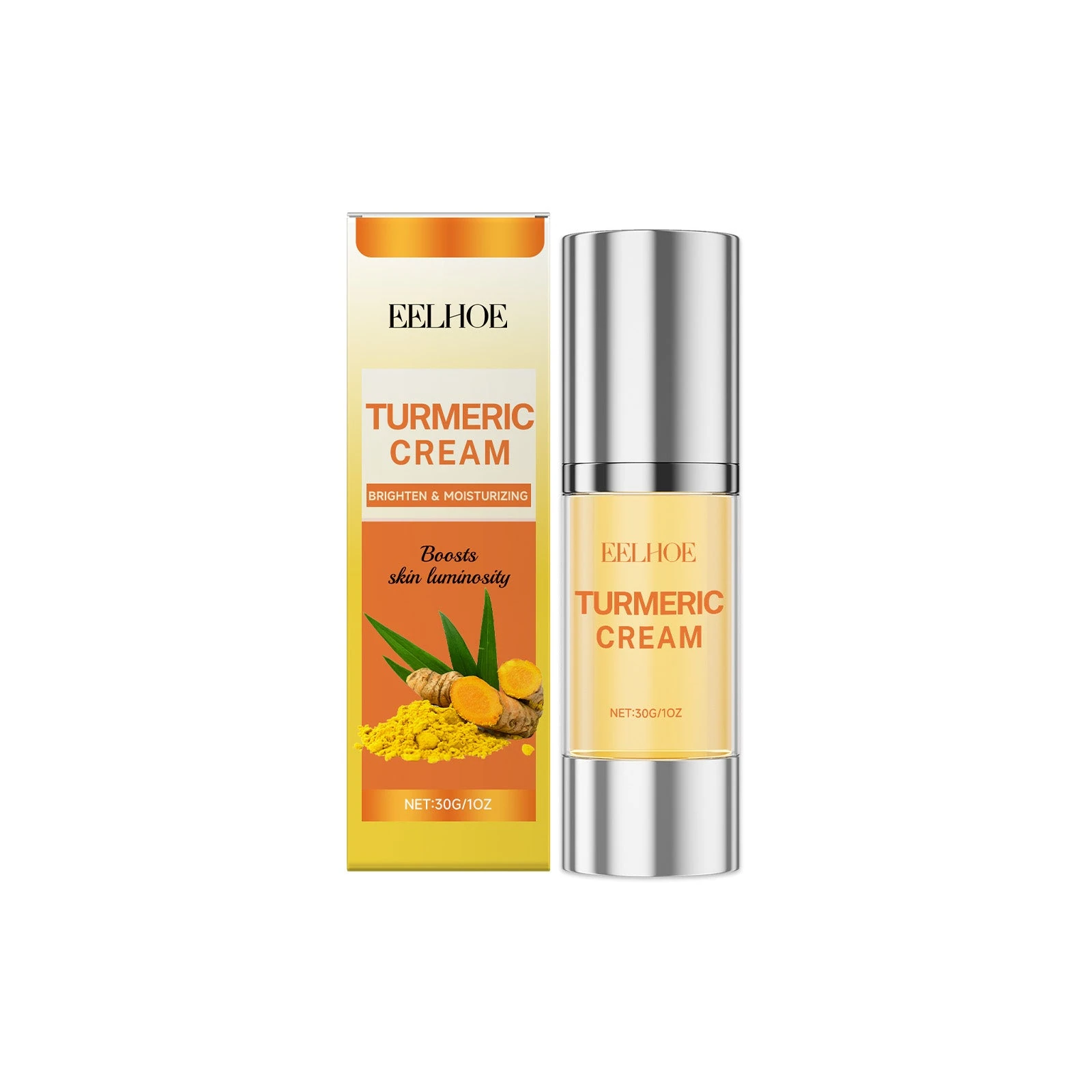
Our EELHOE turmeric face cream is a 30g silver-capped bottle intended for a leave-on moisture step after cleansing and before makeup. The listed ingredients include glycerin, mineral oil, glyceryl stearate, niacinamide, turmeric extract, tocopherol and tea tree leaf oil. It is a different formula and package from the separate 50g facial moisturizer jar.
The current product information confirms the format and application method, but it does not establish a batch-specific expiry or period after opening. Check the bottle and carton you receive and ask about unclear date or lot markings. Do not treat the example opening periods in this guide as an expiry statement for this cream.
Build a useful opening-date record
A simple record needs four items: product name and version, the date first opened, the label’s opening-period information and any separate printed expiry. A photo of the package can preserve small text before it wears off. Add a note if the product experienced unusual heat or a damaged closure rather than pretending its history is complete.
Suppose a hypothetical cream says 12M and you open it on October 23. The opening-period reference would be October 23 the following year, subject to other label limits and appropriate condition. This illustrates the calculation only. It is not permission to use a product until that day if it changes earlier.
Keep unopened backups distinct from the current bottle. Purchase date and opening date are different, and moving a cream into a travel container does not restart either one. If you cannot reconstruct an old product’s opening date, the manufacturer may help interpret the batch, but a manufacturing date alone cannot prove when you opened it.
- Photograph the exact product label, batch code and date markings.
- Record when the container is first opened.
- Keep any opening-period limit alongside the printed expiry.
- Store as directed and close the container after dispensing.
- Replace an expired or questionable formula instead of mixing or diluting it.
Store face cream for the routine you actually have
Choose a location away from direct sunlight, hot windowsills and parked cars. Close the container after dispensing and follow its stated temperature instructions. A bathroom cabinet can work if it stays reasonably dry and the product’s label allows that environment. Leaving a jar open beside the shower is a different situation from a closed container in a sheltered cabinet.
Refrigeration is not a universal preservation fix. Follow the manufacturer’s storage requirements; an unrequested temperature change is not a way to extend an expiry date. Repeatedly moving a product between hot and cold conditions can also complicate its history. A stable, appropriate storage place is easier to manage than repeated attempts to rescue it.
Choose an amount that fits your use rather than opening several moisturizers for the same step. A larger container may cost less per gram, but it is not necessarily better value if you cannot use it within its permitted period. Do not assume a particular gram amount equals a guaranteed number of days; application habits differ.
What if the moisturizer contains sunscreen or acne medicine?
Read those products’ labels separately. In the United States, the FDA explains that a moisturizer labeled with SPF is regulated as both a cosmetic and a drug, with drug stability and expiration requirements. A normal-looking cream does not establish that an old sunscreen still provides its labeled protection.
The bottled EELHOE cream shown here has no stated SPF rating and does not replace a separately labeled sunscreen. If your current moisturizer contains a treatment ingredient, follow the treatment instructions and ask a pharmacist or clinician about unclear expiry information. Do not substitute an ordinary cosmetic cream for a prescribed treatment solely because both feel moisturizing.
Choose the next cream by fit, not by an expiry scare
When replacement is needed, compare intended use, ingredients and application method. If an in-date moisturizer already suits your skin, there is no need to switch for the sake of this article. If you prefer a small bottled cream for an even pre-makeup layer, the 30g option is one to review against your sensitivities and routine.
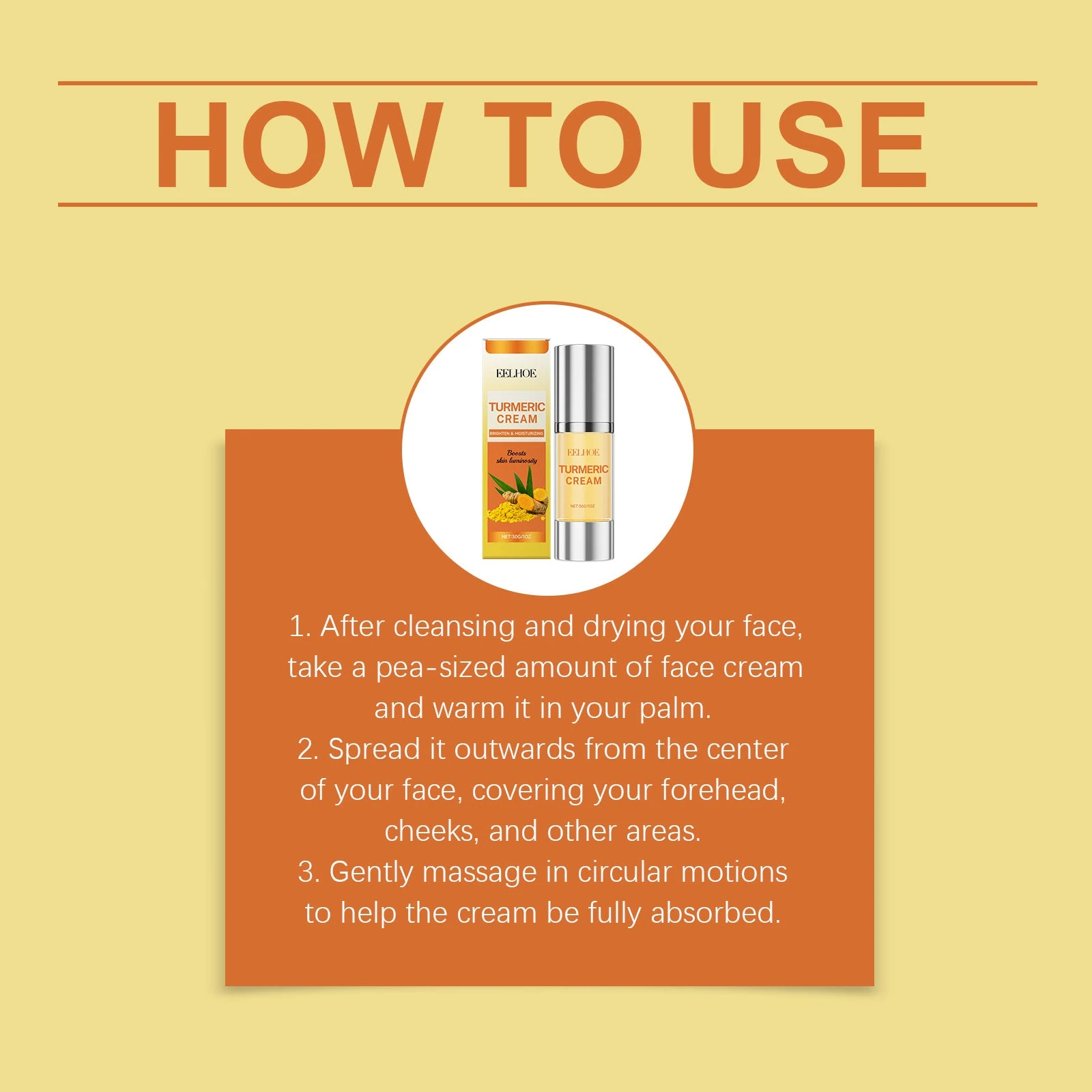
Our face balm versus face cream comparison explains direct stick application versus spreading a bottled cream. For the bottle shown here, begin with the directed pea-sized amount after cleansing, spread gently and let it settle. Product choice, application amount and product age are related decisions, but none should be used to excuse a questionable formula.
Questions about expired moisturizer
Can you use expired moisturizer if it smells normal?
A normal smell cannot confirm preservation, stability or suitability. Follow the labeled period instead of using smell as an extension test. If the product is past its stated usable life, replace it; if the date is unclear, ask the manufacturer with the exact product and batch information.
Does face cream expire if it has never been opened?
It can. An intact seal reduces some handling exposure but does not prevent all changes over time. Check the unopened shelf-life information, printed date and storage history. A period-after-opening symbol answers a different question and cannot establish the age limit of a sealed backup by itself.
Is moisturizer separation always a sign of expiry?
Not always: some products are designed to be shaken, and temperature or handling can affect appearance. Follow the original instructions and compare with the intended texture. Unexpected separation in a cream that should stay uniform is a reason to stop and ask, not to stir it back together and assume safety.
Can I finish old facial moisturizer on my hands?
Changing the application area does not reverse expiry or contamination. If the formula is questionable, do not use another body area as a workaround. If it is in date and unchanged but simply not your preferred facial texture, check whether the manufacturer permits the alternate use before repurposing it.