
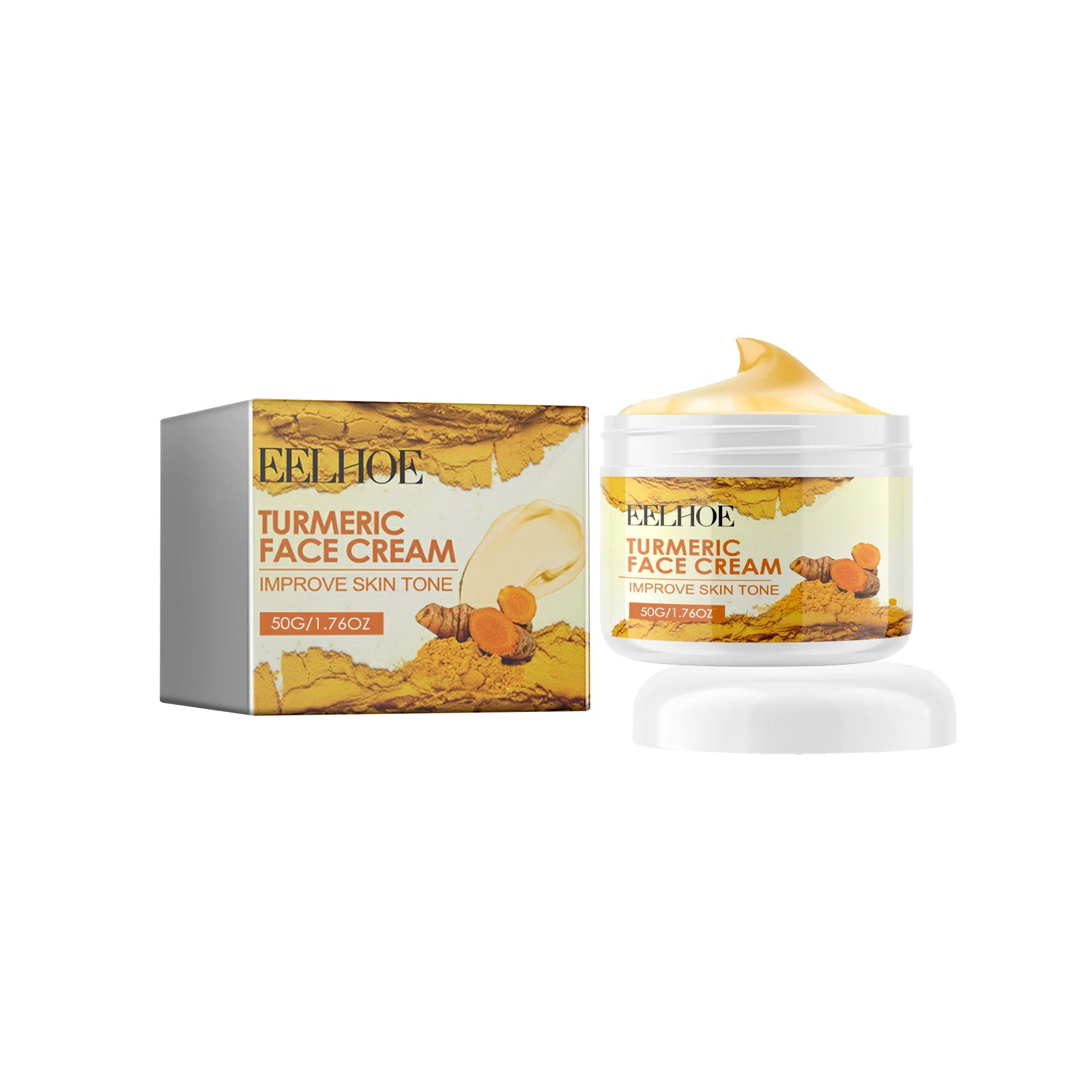
How much moisturizer should you use? Apply enough to make a thin, even layer over the intended facial areas, then add a little only where coverage is missing or skin still feels dry. A pea-sized amount is sometimes used as a visual starting reference, but it is not a universal dose. Your cream’s texture, the area covered and its own directions determine what is useful.
The clearest test is whether the cream spreads comfortably without leaving a heavy layer that interferes with the next step. This guide separates quantity from application technique, explains why pilling does not always mean “too much,” and shows how to portion a jar moisturizer. GinGrowth sells the 50g turmeric moisturizer featured here; no measured universal dose or product performance trial is claimed.
Why one exact amount cannot fit every moisturizer
A dense cream, a fluid lotion and a balm do not spread in the same way. A visual blob can also vary with the opening of a tube or the scoop of a fingertip. “One pump” is only meaningful for the specific dispenser you are holding. Transferring that instruction to a jar, or between two pumps, creates a false sense of precision.
The area matters too. Moisturizing only your cheeks uses a different amount from covering the face and neck. If the label permits use on the neck, portion that area separately rather than trying to stretch a face-only amount farther. Keep the cream away from the eyes unless the product specifically provides directions for that area.
For dry skin, the American Academy of Dermatology recommends applying moisturizer while skin is still damp. That guidance concerns application timing, not a fixed gram dose for every face cream. Damp skin need not be dripping wet: pat away excess water and spread the product gently, unless its label or your treatment plan says otherwise.
On a small screen, swipe or scroll the table sideways to compare all columns.
| What you notice | Try this adjustment | Keep separate |
|---|---|---|
| Missed patches or dragging fingers | Spread a small additional amount only where needed | Face coverage and additional neck coverage |
| Heavy transfer or a persistent thick film | Use a smaller portion next time | A natural dewy finish is not automatically excess |
| Small rolls under makeup | Reduce rubbing and simplify optional layers | Pilling has more than one possible cause |
| Dry cheeks but comfortable forehead | Adjust locally rather than doubling everywhere | Persistent dryness may need a different formula or advice |
| Daytime sunscreen application | Let the moisturizer settle, then follow sunscreen directions | Do not reduce sunscreen to the cream’s starting portion |
How to portion a cream without guessing wildly
- Cleanse and follow the label’s directions for skin condition before application.
- Take a small portion with clean fingertips; do not assume one scoop is a measured dose.
- Dot across the intended areas and smooth gently without dragging.
- Let the layer settle and add a little only where needed.
- Close the jar; continue with other products using their own instructions.
Dotting a small portion across the intended areas can make coverage easier to judge. If you place all the cream on one cheek, that area may receive a thick layer before you reach the forehead. Divide the portion, smooth gently and see what is left. You should not have to drag dry fingers across skin to force an insufficient amount to cover everything.
At the same time, the face does not need to remain visibly coated to prove that moisturizer is working. Give the initial layer a chance to settle before adding more. Some formulas naturally leave a dewy finish. A sheen by itself is not proof of excess; combine appearance with feel, transfer and how the following product behaves.
How much face moisturizer to use under sunscreen or makeup
Start with a light, even layer that suits the areas you are covering. Let it settle before applying the next product according to that product’s directions. There is no universal waiting time that every moisturizer needs, and a thick layer does not become more compatible simply because you wait longer. If your cream remains very heavy, use a smaller portion next time.
Keep sunscreen quantity separate. A face moisturizer’s small starting portion should never become a rule for reducing sunscreen. Unless a product carries the relevant sun-protection label, do not treat it as sunscreen at all. The AAD’s dry-skin guidance recommends broad-spectrum, water-resistant SPF 30 or higher alongside shade and protective clothing.
If makeup slides, first check whether the moisturizer had time to settle and whether you applied much more than needed. If little rolls form, reduce rubbing and simplify the number of underlying layers. You do not need to replace the entire routine at once. Testing the cream alone on a normal day can help distinguish a texture issue from a layering issue.
Can you use too much moisturizer?
Yes, it is possible to apply more than is useful for a comfortable routine. Common practical signs include substantial transfer onto clothing, a persistent heavy film, or trouble applying makeup over the layer. These signs are reasons to reassess the amount and formula; they are not a diagnosis, and they do not establish that every shiny finish is harmful.
If you have already applied more than you wanted, avoid repeatedly washing and restarting the whole routine just to achieve a perfectly matte surface. Gently remove obvious excess if necessary and use a smaller portion next time. If you experience burning, itching or a rash, stop using the product and seek appropriate advice rather than interpreting discomfort as a normal adjustment period.
More cream is also not a substitute for choosing the right texture. Someone who needs a comfortable, richer moisture layer may find that repeated coats of a very light lotion do not feel like the product they wanted. Our face balm versus face cream guide helps separate texture and placement decisions from the question of how much to apply.
Why pilling needs a separate check
For a step-by-step way to identify the layer that rolls, read why moisturizer pills and how to troubleshoot it. The guide separates product rolls, skin flakes, rubbing and optional layers.
Pilling describes the small rolls that sometimes form when skincare or makeup is rubbed. A large amount can contribute, but so can the interaction of layers and repeated friction. If you simply halve every product without checking the cause, you may still see the same result. Test a thinner moisturizer layer, use lighter movements and avoid adding several new products together.
For example, compare a day with moisturizer and sunscreen against a day with toner, serum, moisturizer, sunscreen and primer. Keep the sun-protection step intact. If the simpler routine applies smoothly, reintroduce optional layers one at a time. This is a practical troubleshooting exercise, not proof that any one ingredient is inherently incompatible with your skin.
Pay attention to where the rolls appear. They may form mainly around the jaw where repeated blending collects residue, while the cheeks look fine. That pattern calls for a different adjustment from a cream that feels heavy everywhere. Change application pressure as well as amount before deciding you need a completely different moisturizer.
Choosing our 50g turmeric jar moisturizer
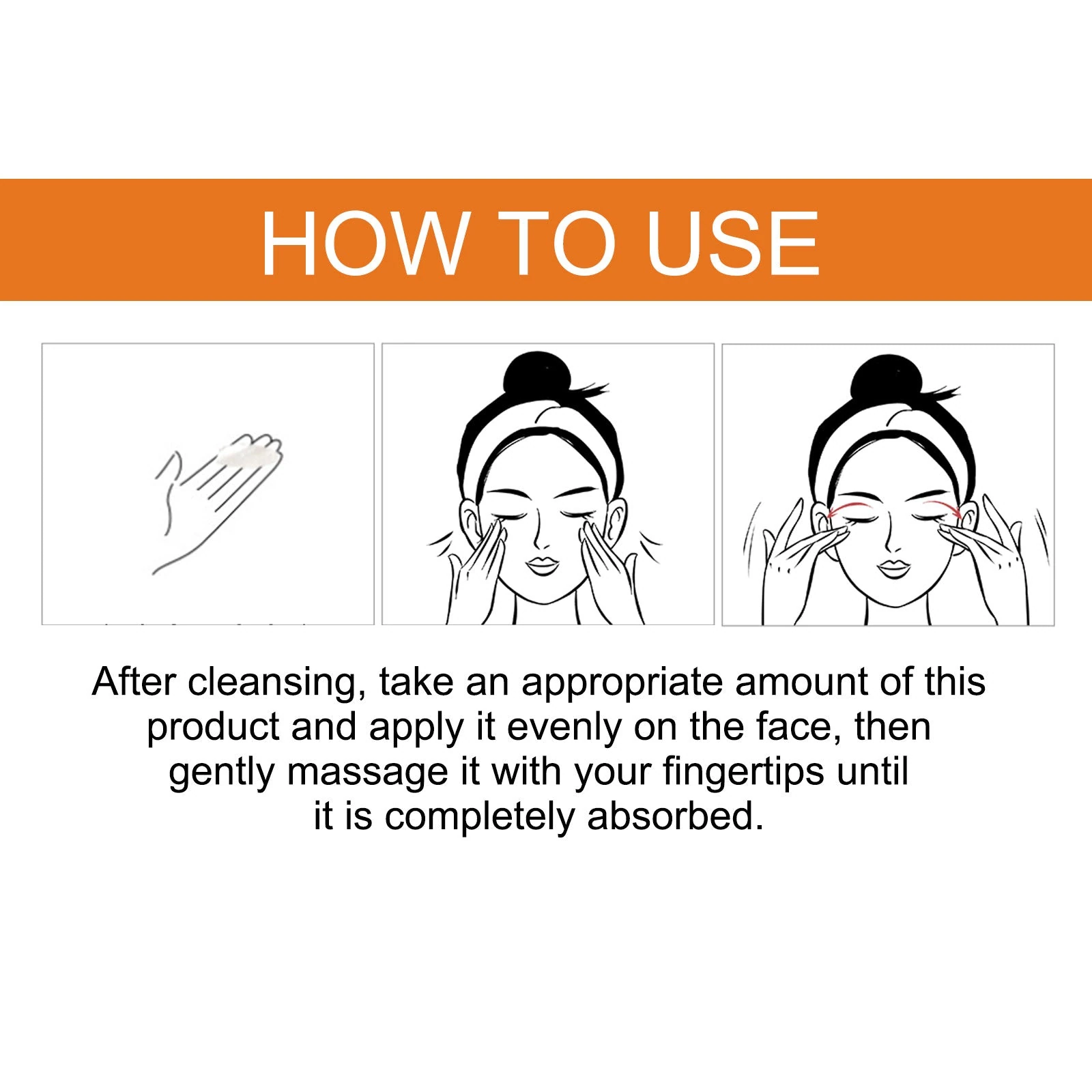
The current EELHOE turmeric face moisturizer is a 50g jar with water, turmeric extract and glycerin among its ingredient highlights. Its directions are to cleanse first, take an appropriate amount with clean fingertips, spread evenly and massage gently until absorbed. It is a leave-on cream. The page does not specify a pea-sized dose or a fixed number of applications per jar.
Choose it when you prefer a cream you can portion for all-over facial coverage or selected dry areas. A jar offers flexible dispensing, but also makes it easy to scoop more than intended. Take a small portion with clean fingers, close the lid after use, and add locally if needed. Do not return unused cream from your hand to the jar.
The formula highlights identify this version; they do not make it interchangeable with every turmeric cream. If you are comparing another bottle or a balm stick, check the full ingredient information, format and directions of that separate product. This jar is a moisture step after cleansing, not a rinse-off mask or a substitute for prescribed care.
Questions about moisturizer amounts
How much moisturizer to use on a dry cheek area?
Begin with a thin layer on the intended area and add a small amount if it still feels insufficient. If dryness repeatedly persists despite a suitable routine, review the formula and seek professional advice. Doubling the amount across the whole face is not always the useful change.
Is a pea-sized amount enough for the whole face?
It can be a starting reference for some formulas, but it is not a guaranteed amount. Follow the product directions, cover the intended area evenly and adjust. The featured jar specifies an appropriate amount rather than a measured pea-sized dose.
Should I use more moisturizer at night?
Only if your skin and chosen formula call for a richer layer. Nighttime does not automatically require doubling the portion. Keep the finish comfortable and consider transfer onto bedding, while following any instructions for the other products in your routine.
Does a 50g jar have a predictable number of uses?
Not without knowing the actual amount used each time. Face-only application, additional dry areas and different routines change consumption. The pack weight is a purchasing fact, not a promise of a fixed number of days.