
Castor oil serum may provide a conditioning or shine-focused hair-care step, but strong evidence for castor oil as a hair-growth treatment is lacking. Read the finished formula and intended application area. Pure castor oil, a blend containing castor seed oil and a formula containing hydrogenated castor oil are different products, not interchangeable labels.
This guide uses a published systematic review and GinGrowth product information checked October 1, 2026. It explains what the evidence supports, what the current labels actually identify and how to choose between an oil texture and water-based scalp care.
What Does the Hair-Growth Evidence Show?
A 2022 systematic review of coconut, castor and argan oils examined 22 included articles. The authors found weaker evidence for castor oil improving hair quality through increased luster and no strong evidence supporting its use for hair growth or treating infestation.
That is a specific conclusion, not proof that nobody can enjoy the feel of an oil. It also does not establish a six-week or twelve-week regrowth schedule for any bottle containing castor. Keep cosmetic appearance and growth measurements separate when reading product claims.
For the rosemary-specific evidence, the rosemary oil and serum evidence review explains what the studied preparation can and cannot tell you about another finished formula.
Read the Ingredient Form Accurately
Castor seed oil is the ingredient name to look for when a product claims to contain castor oil. Hydrogenated castor oil is a modified ingredient and should not be silently treated as identical to the pure oil studied elsewhere.
A percentage describing the fatty-acid composition of an oil is not the concentration of castor oil in a finished serum. The reviewed GinGrowth artwork does not provide a percentage breakdown. You cannot calculate the product's effect or dilution from the order of a few highlighted ingredients.
Swipe the table sideways to compare all columns.
| Your question | What to compare | Next step |
|---|---|---|
| Castor seed oil | A named ingredient in a finished blend | Check full formula; percentage is not established here. |
| Hydrogenated castor oil | A different ingredient declaration | Do not treat it as identical to pure castor oil. |
| Hair shine or conditioning | A cosmetic appearance outcome | Useful without being proof of new growth. |
| Hair-loss treatment | Condition-specific evidence | An oil preference does not diagnose thinning. |
A Current Castor-Containing Blend to Compare
The 30ml GinGrowth pump oil lists castor seed oil alongside mineral oil, ginger root extract, keratin and other highlights. It is a blended scalp-care product, not pure castor oil or undiluted ginger essential oil.
The separate 40ml tonic is water-based and highlights glycerin, sodium PCA, panthenol and ginger extract. Its current supplied information does not identify castor oil. Choose it as an alternative texture for moisturizing care, not as a castor-oil serum with a different bottle size. GinGrowth sells both options below.
Compare Oils with Treatment on the Correct Basis
For a cosmetic oil, examine intended area, texture, directions and the result you want to observe. For treatment of hair loss, examine the cause and relevant evidence. The AAD describes minoxidil as a treatment that can stimulate growth and help prevent further loss in appropriate cases.
Those treatment benefits do not transfer to a castor-containing blend. Conversely, someone choosing an oil for conditioning does not need to describe that preference as medical treatment for it to have value.
To compare a finished blend that actually lists castor seed oil, review the 30ml Ginger Hair Oil Blend.
Compare a Castor-Containing Blend with Water-Based Care
The pump oil lists castor seed oil; the water-based tonic offers a different texture. Compare finish and ingredients rather than assuming equal growth evidence. GinGrowth sells the two products below.
Swipe the table sideways to compare all columns.
| Detail | 30ml Ginger Hair Oil Blend | 40ml Ginger Hair Tonic for Scalp & Roots |
|---|---|---|
| Format | Oil blend in a pump bottle for scalp and root care | Water-based dropper tonic |
| Ingredient highlights | Mineral oil, castor seed oil, ginger root extract, keratin, tocopherol, pantothenic acid and ginseng root extract in the artwork. | Ginger extract, glycerin, sodium PCA and panthenol, alongside aqua, in the product artwork. |
| Application | After washing and drying, apply a small amount to the intended scalp area and massage gently for 2–3 minutes. Follow the package for timing and frequency. | Part hair, apply a small amount, massage gently for 2–3 minutes and leave on. Follow the current bottle for frequency. |
| Reason to compare | Choose when you want a pump oil blend whose artwork actually lists castor seed oil. | Choose for a larger dropper format with humectant and conditioning ingredient highlights. |
View 30ml Ginger Hair Oil Blend or compare 40ml Ginger Hair Tonic for Scalp & Roots. Review the current product page for price and package details.
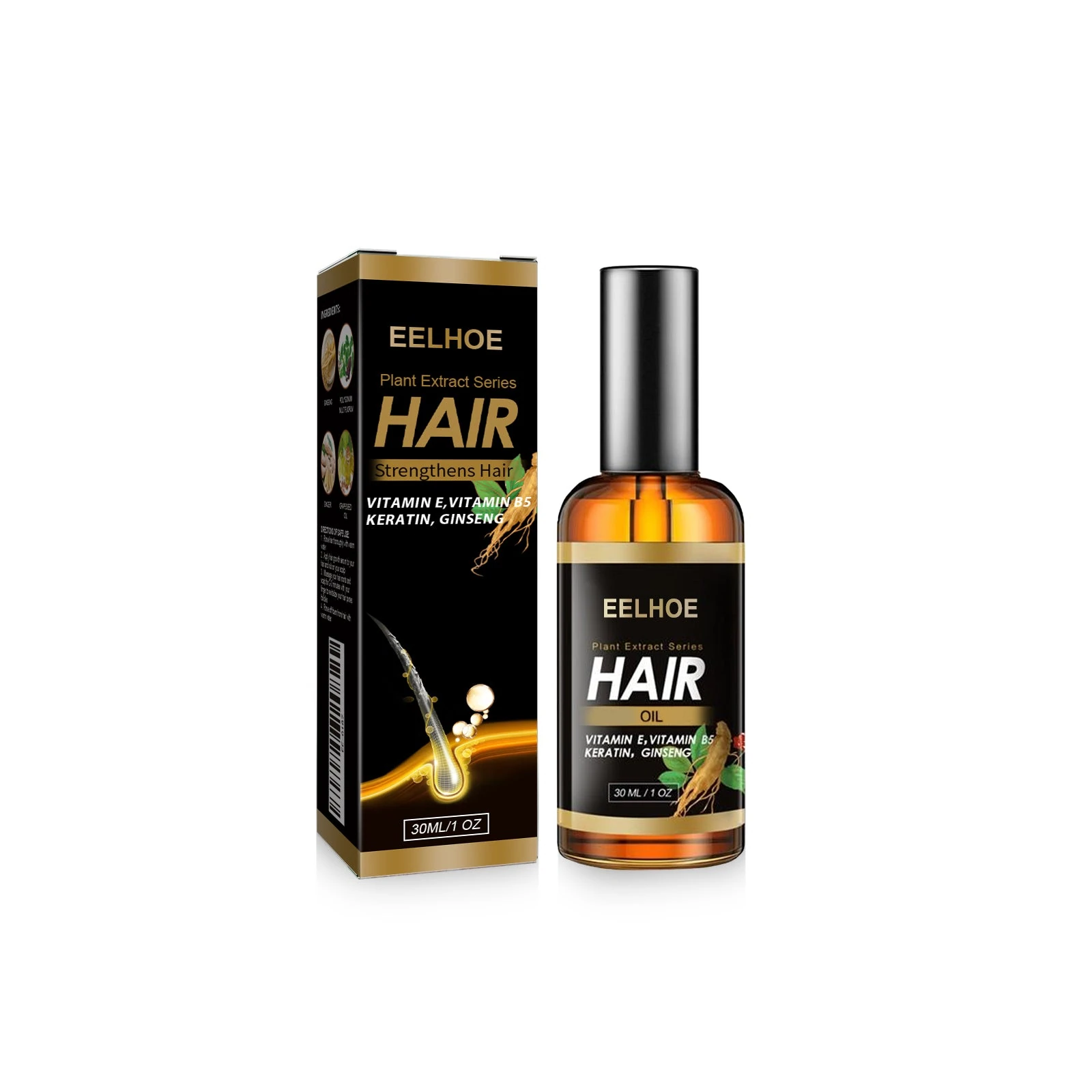
The product name uses essential-oil wording, but the current ingredient panel identifies a finished blend. It is not pure ginger oil or pure castor oil. Castor seed oil on this label also differs from hydrogenated castor oil on the separate 30ml scalp oil. Compare the complete formula and application, and do not transfer a pure-oil study or an advertised growth timeline to this product.
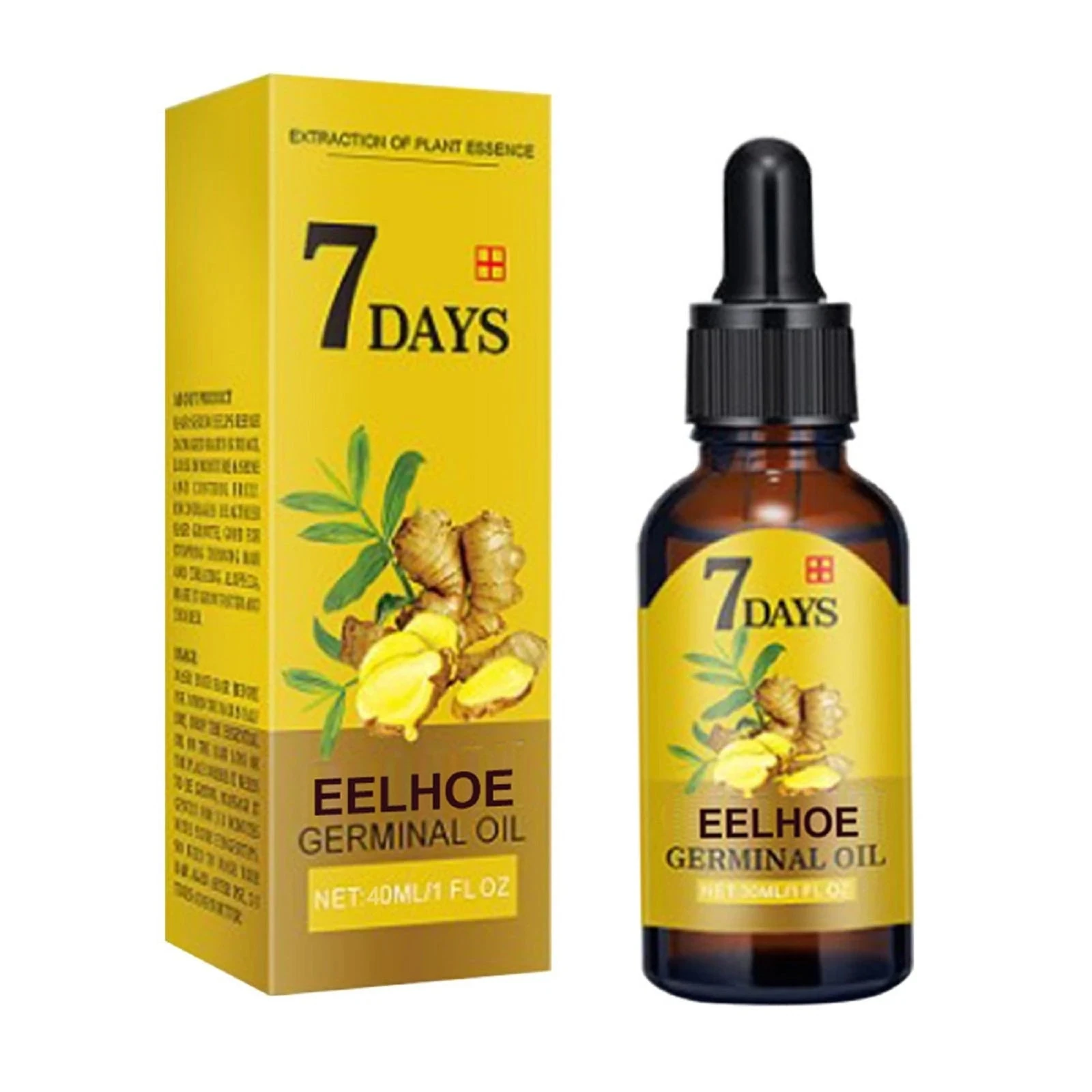
Glycerin and sodium PCA are moisture-binding ingredients, while panthenol is used for conditioning. The highlighted ingredient graphic is not a percentage breakdown. The word tonic describes this product choice; it does not establish a stronger concentration than the smaller essence. Compare the ingredients you prefer and whether direct dropper placement feels convenient in your routine.
Who Might Prefer an Oil Texture?
Someone who likes a noticeable conditioning feel may want to compare an oil blend. Someone whose roots readily look coated may prefer a smaller amount or a different formula format. Personal finish preferences do not establish universal superiority.
If the problem is rough hair lengths rather than scalp care, choose a product intended for those lengths. The current pump-oil guide focuses on the scalp, so this article does not move it to the ends simply because many other hair oils are used there.
What to Check Before Buying
Confirm the complete name, application area and ingredient form. Then check whether the amount, frequency and rinse timing are clear. A product page using essential-oil language may still identify a finished blend when you read the actual formula.
Compare current price and size only after those details match your task. Do not estimate bottle life from an unknown pump volume. Also check sensitivities across the entire formula, including fragrance and aromatic ingredients when present.
Use the Exact Product's Instructions
The current 30ml pump-oil guide shows washing and drying the hair, applying a small amount at the intended scalp area and massaging gently for two to three minutes. Follow the current bottle for timing, frequency and any rinse details not established in that guide.
Use an overnight wrap or pre-shampoo soak only if the product directions specify that method. Do not copy a pure-oil recipe onto a finished serum. A gentle scalp application is a distribution step, not evidence that stronger rubbing stimulates growth.
Common Mistakes with Castor-Oil Claims
Avoid turning luster into density, ingredient presence into clinical proof, or a warm sensation into a measurement of circulation. Avoid transferring a study on one oil to another botanical because both are described as natural.
Also avoid assuming that every ginger product includes castor. The current 40ml tonic illustrates why reading the exact formula matters. If you want to compare another oil texture, the separate 30ml scalp-oil product lists hydrogenated castor oil; that ingredient distinction should stay visible.
Set Expectations for the Intended Outcome
For conditioning care, observe how the product feels, whether roots look coated and whether the routine is manageable. Those are ordinary use observations, not a clinical test.
There is no supported universal hair-growth timetable for castor oil in the review cited here. If thinning is progressing, seek an assessment rather than repeatedly increasing oil exposure while waiting for an advertised deadline.
Pure Oil and a Finished Blend Are Different
A pure oil has a different composition from a serum blending oils, extracts and texture ingredients. Neither label automatically proves better tolerance or better performance. The intended area and instructions remain central.
Do not mix water, fresh plant juice or supplements into a bottle to create a stronger serum. If you are considering DIY care, read the homemade-serum guide for formulation and storage considerations.
When to Reassess Oil Use
Stop a product that causes persistent burning, redness or worsening itch. An actively irritated or damaged scalp is not a good place to experiment with more oils. Seek advice about patchy loss, pain or ongoing symptoms.
An oil can remain a cosmetic preference while a separate treatment decision is made. It should not obscure the symptoms you need to describe during an appointment.
Frequently Asked Questions
Does the 40ml tonic contain castor oil?
The current highlighted information does not identify it. The 30ml pump blend discussed here does list castor seed oil.
Is hydrogenated castor oil the same label ingredient?
No. Keep the exact ingredient name when comparing formulas and evidence.
Can I leave the pump oil on overnight?
The supplied guide does not establish an overnight instruction. Follow the current bottle rather than borrowing a recipe.
Make the Texture and Purpose Match
Choose the pump blend if its actual oil ingredients and scalp application fit your preference. Compare the tonic for a separate water-based moisturizing role. Keep regrowth expectations tied to the evidence and diagnosis, not to a familiar ingredient name.
Review the castor-containing pump blend’s full formula and scalp directions.
Sources and Product Information
- 2022 systematic review: coconut, castor and argan oils — Indexed abstract verified through NCBI’s public API October 1, 2026; original study scope applies.
- AAD: Hair loss—Diagnosis and treatment — Official guidance accessed October 1, 2026; applies to the stated topic, not a trial of GinGrowth products.
GinGrowth product details were checked October 1, 2026. This guide compares published information and current product specifications; it does not report a GinGrowth clinical trial or personal use test.