
Renpure Tea Tree & Rosemary Scalp Serum has a specific historical ingredient record that includes rosemary extract, tea tree oil, glycerin and conditioning ingredients. That is a more useful starting point than treating it as pure rosemary oil. The record supports a dated formula discussion, but it does not verify current directions or a finished-product hair-growth trial.
Identify Tea Tree & Rosemary Scalp Serum
The third-party entry uploaded September 1, 2024 names the scalp serum. It is distinct from the brand’s Tea Tree & Rosemary shampoo. The record was reviewed on October 1, 2026.
Match the exact product when comparing sellers. A shampoo’s rinse time and a serum’s application instructions cannot be exchanged merely because the ingredient theme and brand are shared.
For a finished-formula example, the Pacifica rosemary-mint formula review distinguishes rosemary extract, moisturizing ingredients and the saved label’s limitations.
Read the Scalp-Care Positioning
The historical description says tea tree leaf oil helps clarify and rebalance, while rosemary leaf extract contributes soothing and shine-related benefits. It describes a healthy environment for hair to thrive.
That is a cosmetic scalp-care positioning, not a documented numerical density result. The source does not supply a controlled trial showing that this exact serum regrows hair in every person with thinning.
For the rosemary-specific evidence, the rosemary oil and serum evidence review explains what the studied preparation can and cannot tell you about another finished formula.
Swipe the table sideways to compare all columns.
| Decision | Documented detail | Purchase implication |
|---|---|---|
| Formula | Water-based, glycerin and conditioning agents | Not pure rosemary oil |
| Botanicals | Rosemary extract and tea tree oil | Do not transfer another preparation’s trial |
| Directions | Current exact label needed | Check whether the label permits overnight use |
Understand the Base and Conditioning Agents
Water and glycerin lead the recorded list, followed by polysorbate 20, cetrimonium chloride and polyquaternium-10. This is a formulated water-based serum with ingredients relevant to conditioning and distribution.
It should not be described as a bottle of undiluted essential oil. Nor does the presence of conditioning agents establish an exact amount to apply; the current package remains the reference for that.
Distinguish Rosemary Extract from Rosemary Oil
The record specifically names rosemary leaf extract and tea tree leaf oil. Peppermint leaf extract and ginger root extract also appear. The form of each botanical matters when comparing ingredient stories.
A study using a particular rosemary oil preparation does not directly establish the performance of this extract-containing serum. Shared plant names do not prove equal concentrations, exposure or clinical results.
For the separate everyday-care choice, review the 30ml Lightweight Scalp Serum with Ginger.
Compare Separate Scalp-Moisture Choices
These GinGrowth products address ordinary moisture using their own ingredient highlights and directions. GinGrowth sells the two products below.
Swipe the table sideways to compare all columns.
| Detail | 30ml Lightweight Scalp Serum with Ginger | 40ml Ginger Hair Tonic for Scalp & Roots |
|---|---|---|
| Format | Water-based dropper essence | Water-based dropper tonic |
| Ingredient highlights | Aqua, glycerin, ginger root oil, Polygonum multiflorum extract and hydroxyethylcellulose in the ingredient graphic. | Ginger extract, glycerin, sodium PCA and panthenol, alongside aqua, in the product artwork. |
| Application | After washing and drying, apply a small amount to the scalp, massage gently and leave in. The product guide describes daily use. | Part hair, apply a small amount, massage gently for 2–3 minutes and leave on. Follow the current bottle for frequency. |
| Reason to compare | Choose for a light moisturizing step and precise placement along a part. | Choose for a larger dropper format with humectant and conditioning ingredient highlights. |
View 30ml Lightweight Scalp Serum with Ginger or compare 40ml Ginger Hair Tonic for Scalp & Roots. Review the current product page for price and package details.
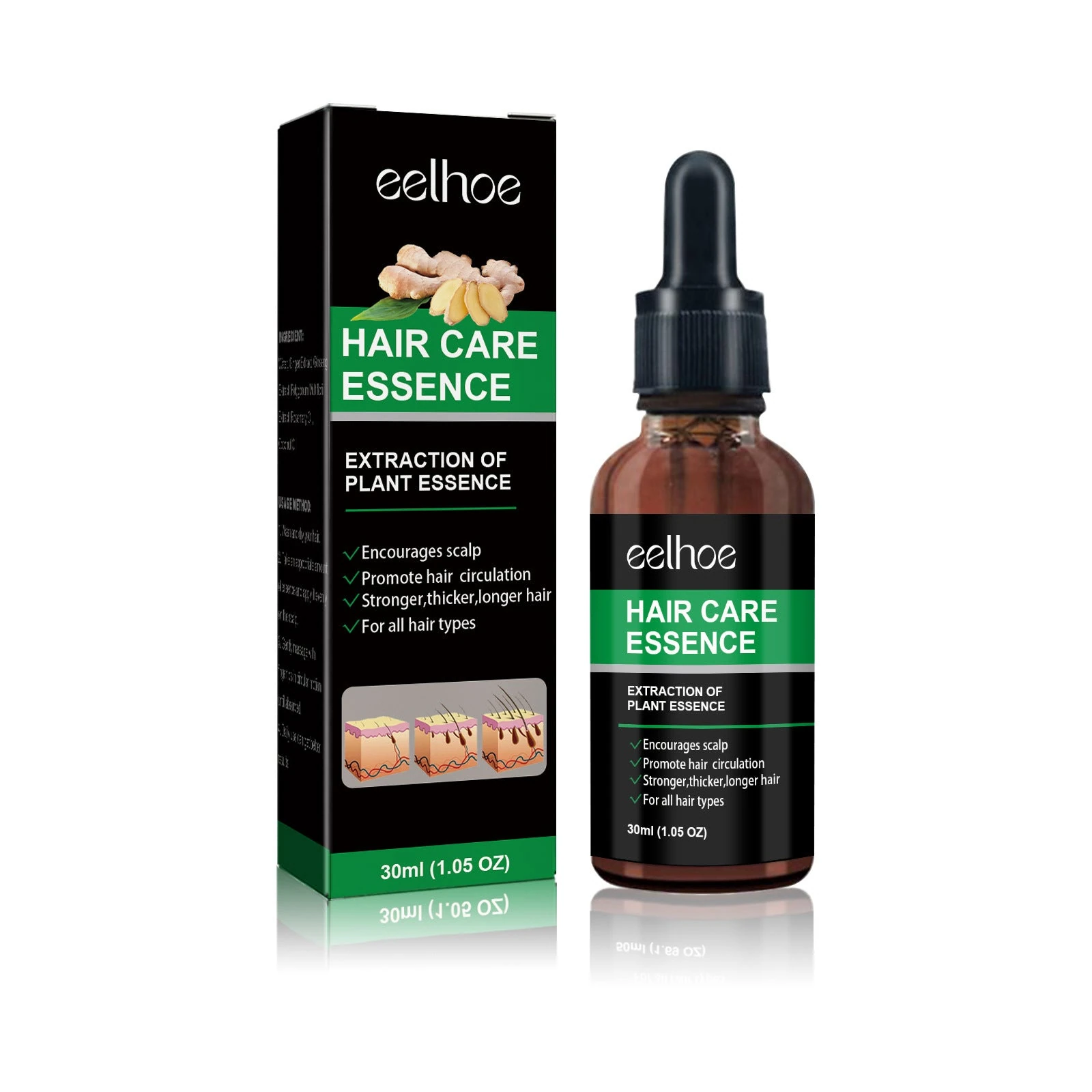
The essence contains ginger root oil within a water-based formula. That is different from buying a bottle of pure essential oil. Glycerin provides a concrete moisturizing ingredient to compare, while the dropper helps direct a small amount to the scalp. Use the finish on your own hair as the practical test: controlled placement matters more than saturating the roots or spreading scalp care through the lengths.
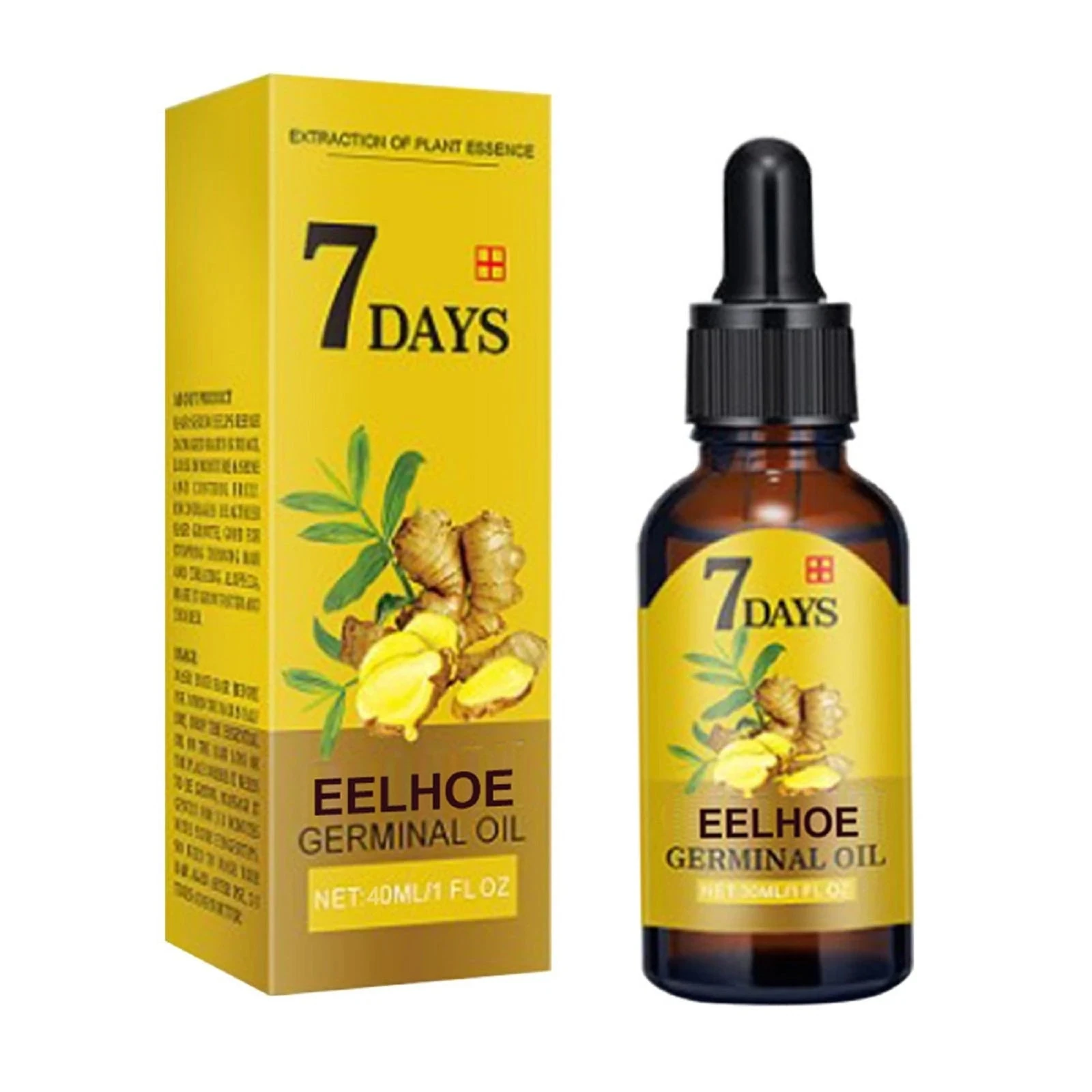
Glycerin and sodium PCA are moisture-binding ingredients, while panthenol is used for conditioning. The highlighted ingredient graphic is not a percentage breakdown. The word tonic describes this product choice; it does not establish a stronger concentration than the smaller essence. Compare the ingredients you prefer and whether direct dropper placement feels convenient in your routine.
Check Fragrance Rather than Guessing from the Scent Story
Fragrance appears in the historical list, separately from botanical extracts and tea tree oil. The formula should not be called fragrance-free on the basis of a natural or plant-based description.
Check the current package if fragrance avoidance is important. A fresh or cooling smell is a preference, not evidence of a sterile scalp, balanced microbiome or measured follicle activity.
Separate Clarifying from Medicated Dandruff Care
A product described as clarifying does not automatically contain a regulated dandruff medicine. Persistent flakes and inflammation deserve a more specific assessment than repeatedly adding a cosmetic serum.
The AAD explains how dandruff treatment depends on the product and its directions. Follow the actual active ingredient and contact instruction when that is the problem being treated.
Get the Use Instructions from the Current Package
The available historical ingredient record does not verify the current serum’s amount, frequency or rinse status. Those details are intentionally not replaced with a generic overnight oiling routine.
Request a readable back-label image from the seller if necessary. Do not assume that a product with tea tree or rosemary belongs on broken skin, under an occlusive style or mixed with a scalp medicine.
Compare Ordinary Moisture on Its Own Terms
GinGrowth sells the essence and tonic below as separate moisturizing choices. They are not the same formula as Renpure Tea Tree & Rosemary, and evidence from that product cannot be transferred to them. Compare the current ingredient highlights, application format and intended care step before choosing.
If a particular branded complex is the reason you are shopping, preserve that requirement in the comparison. If your actual need is ordinary moisture with direct scalp placement, evaluate the alternative on that basis. A less expensive bottle is not automatically a clinical substitute, and a premium bottle is not automatically the best texture for your routine.
Keep Hair-Loss Treatment Cause-Specific
The American Academy of Dermatology explains diagnosis-led treatment. Continuing thinning, sudden patches or loss with pain and inflammation should not be reduced to a choice of cosmetic ingredients. A clinician can distinguish the relevant causes and explain appropriate options.
Keep prescribed directions intact when adding ordinary care. Do not dilute medication into a serum or use a botanical product to replace it without advice. Comfort, easier styling and fewer broken lengths can matter while remaining different outcomes from regrowth.
Frequently Asked Questions
Is the recorded serum simply pure rosemary essential oil?
No. It is a water-based formulated product that lists rosemary extract and other ingredients.
Does a dated ingredient record confirm today’s formula?
No. Match the exact regional package, full product name and current ingredients before purchase.
Are the GinGrowth options equivalent in clinical results?
No comparative trial is established here. Their ordinary-care purpose and own specifications are the basis for comparison.
Make the Purchase Decision Verifiable
For Renpure Tea Tree & Rosemary, save the seller’s exact product name and label information before ordering. Check the application area, any stated amount, rinse status and frequency on the supplied package. Where those details are unavailable, ask the seller rather than adopting another serum’s routine.
A useful review states what was actually documented and when. This guide does not report personal testing, a new clinical trial or a guarantee of current stock. The practical result should be a clearer product choice and a defined next question where the evidence remains incomplete.
Choose the care role and formula that match your routine.
Sources and Product Information
- RENPURE Tea Tree & Rosemary Scalp Serum ingredients (Explained) — Historical third-party ingredient record uploaded September 1, 2024; accessed October 1, 2026. Not current official-label verification or a finished-product trial.
- AAD: Hair loss diagnosis and treatment — Guidance checked October 1, 2026; not a trial of the cosmetics compared here.
- AAD: Causes of scalp itch — Guidance checked October 1, 2026.
GinGrowth product details were checked October 1, 2026. This guide compares published information and current product specifications; it does not report a GinGrowth clinical trial or personal use test.