
One Skin peptide scalp serum searches commonly refer to OneSkin OS-01 Hair. Its peptide is Decapeptide-52, branded OS-01; it is not automatically the same as a copper-peptide serum or any other product labeled peptide. A useful comparison checks molecular identity, the complete formula and the actual regimen behind the brand’s results before considering alternative care products.
Match the Search Phrase to the Product
The current OneSkin page names OS-01 Hair Scalp Serum and describes a water-based, fragrance-free formula. Check the full product name and ingredient declaration on the seller’s listing and current package.
One Skin written as separate words does not identify a separate clinical product. Avoid combining facts from facial OneSkin products with the hair formula merely because they share a brand or peptide story. Application area and evidence remain product-specific.
For the practical commitment behind the study, planning a OneSkin OS-01 Hair routine explains label wording and why the combined regimen matters when interpreting results.
The Five Evidence Questions before Buying
Ask what was tested, who participated, how it was applied, how long it was used and what was measured. For OS-01 Hair, the brand describes 32 participants aged 27–55 in a six-month, double-blind, third-party study. It specifies serum twice daily with dermarolling daily.
The brand reports a 40% density improvement in 81% of participants and a 43% thickness improvement in 78%. Keep the responder proportion separate from the improvement magnitude. These are reported findings of the combined regimen, not universal results for a peptide ingredient alone.
For a concrete study example, the OneSkin OS-01 Hair study review explains the participants, duration and combined serum-and-dermarolling regimen.
Swipe the table sideways to compare all columns.
| Decision | Verified detail or question | What it means |
|---|---|---|
| Peptide identity | OS-01 is Decapeptide-52 | Different from GHK-Cu |
| Hair study | 32 people, six months, serum plus dermarolling | Retain the combined regimen |
| Other studies | Microbiome and skin-aging results | Do not add their participants to the hair trial |
Understand What the Peptide Claim Adds
A peptide mechanism can explain a manufacturer’s rationale, but a mechanism is not the same as a demonstrated individual outcome. Other ingredients and the rest of the regimen may contribute to the observed result. A product trial does not isolate Decapeptide-52 as if nothing else was used.
The current formula also contains glycerin, panthenol, sodium PCA, niacinamide and biotin among its ingredients. Their presence can be relevant to ingredient preferences, but the ingredient list does not supply every percentage or demonstrate that another blend will behave identically.
For the copper-peptide question, the GHK-Cu hair research guide explains why laboratory findings and different delivery formulas cannot be transferred to every peptide serum.
Separate Hair Evidence from Other Studies
The OneSkin page also describes a microbiome study with 30 participants and cites a separate skin-aging study with 22 participants. Those are not additional people in the 32-person hair-density trial, and their endpoints should not be added into a larger regrowth success figure.
Look at the footnote attached to the claim you care about. Scalp microbiome observations, skin-aging markers, participant reports and measured hair parameters answer different questions. A fair buying comparison retains that distinction even when all the results appear on one page.
For a separate small-format moisturizing choice, review the 30ml Lightweight Scalp Serum with Ginger.
Compare Moisture without Substituting Peptide Evidence
These are moisturizing cosmetics, not OS-01 or GHK-Cu peptide formulas. GinGrowth sells the two products below.
Swipe the table sideways to compare all columns.
| Detail | 30ml Lightweight Scalp Serum with Ginger | 40ml Ginger Hair Tonic for Scalp & Roots |
|---|---|---|
| Format | Water-based dropper essence | Water-based dropper tonic |
| Ingredient highlights | Aqua, glycerin, ginger root oil, Polygonum multiflorum extract and hydroxyethylcellulose in the ingredient graphic. | Ginger extract, glycerin, sodium PCA and panthenol, alongside aqua, in the product artwork. |
| Application | After washing and drying, apply a small amount to the scalp, massage gently and leave in. The product guide describes daily use. | Part hair, apply a small amount, massage gently for 2–3 minutes and leave on. Follow the current bottle for frequency. |
| Reason to compare | Choose for a light moisturizing step and precise placement along a part. | Choose for a larger dropper format with humectant and conditioning ingredient highlights. |
View 30ml Lightweight Scalp Serum with Ginger or compare 40ml Ginger Hair Tonic for Scalp & Roots. Review the current product page for price and package details.
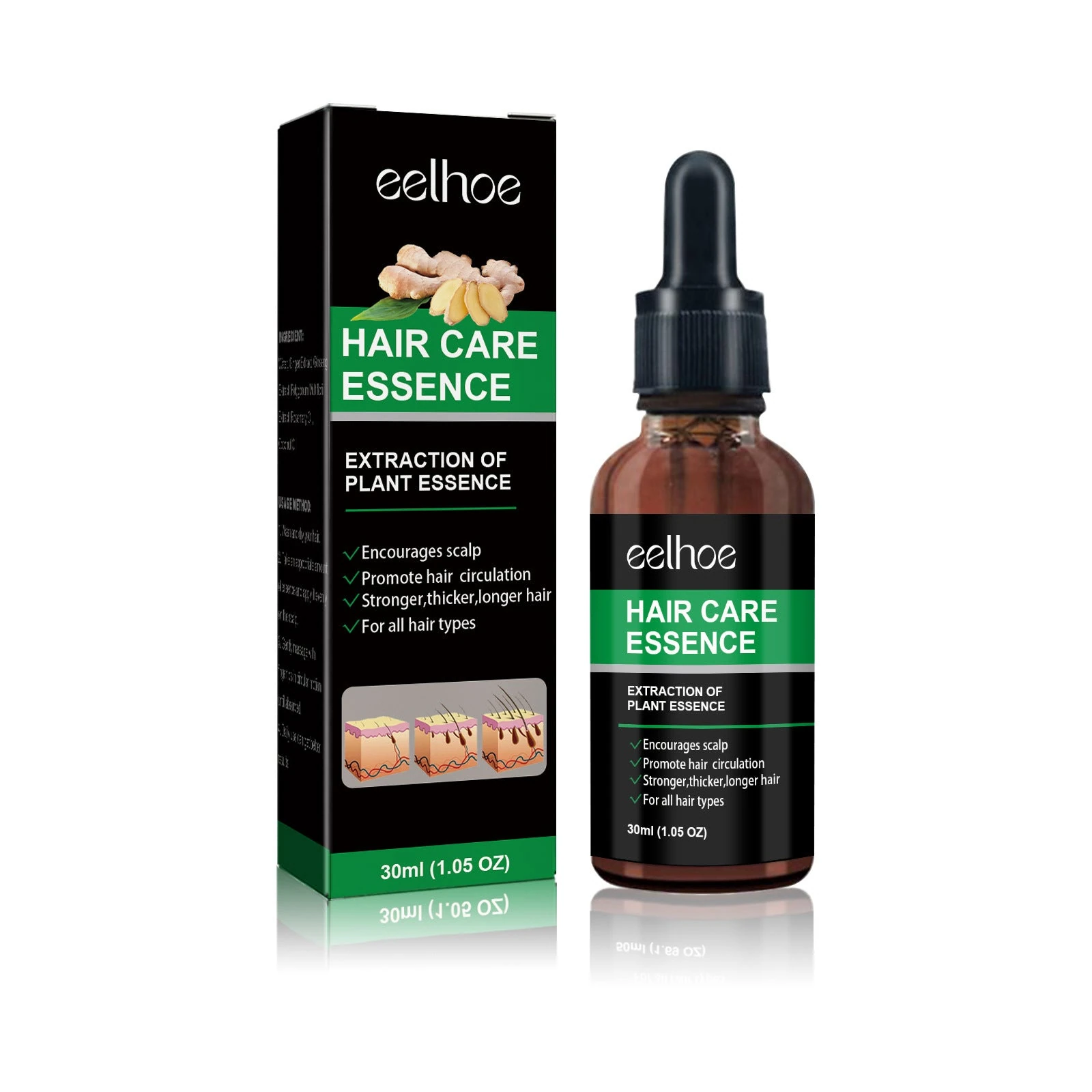
The essence contains ginger root oil within a water-based formula. That is different from buying a bottle of pure essential oil. Glycerin provides a concrete moisturizing ingredient to compare, while the dropper helps direct a small amount to the scalp. Use the finish on your own hair as the practical test: controlled placement matters more than saturating the roots or spreading scalp care through the lengths.
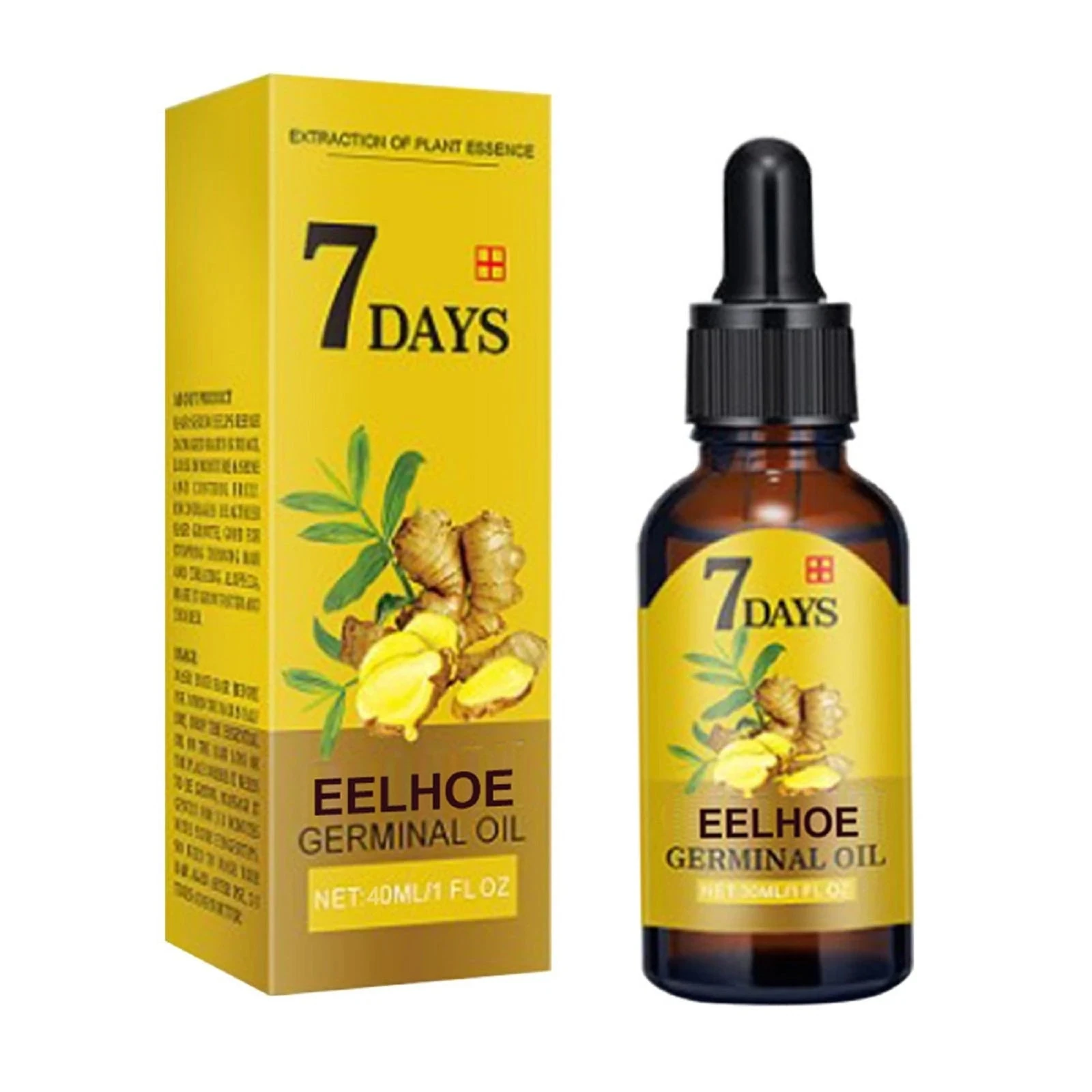
Glycerin and sodium PCA are moisture-binding ingredients, while panthenol is used for conditioning. The highlighted ingredient graphic is not a percentage breakdown. The word tonic describes this product choice; it does not establish a stronger concentration than the smaller essence. Compare the ingredients you prefer and whether direct dropper placement feels convenient in your routine.
Compare a Moisturizing Alternative by Its Own Job
GinGrowth sells the essence and tonic shown below. They are ordinary moisturizing scalp-care formats, not OS-01 or GHK-Cu products. Their ingredient highlights do not establish the same fragrance-free claim or density outcome.
If peptide identity is essential, these are not equivalent substitutes. If the actual task is a manageable moisture step, compare their size, ingredients and application instead. A useful alternative solves a stated need without pretending to be the same clinical proposition.
Do Not Convert Research into a Universal Use Protocol
The main OneSkin instructions describe two pipettes’ worth twice daily, while its FAQ uses 1ml one to two times daily. Obtain current package clarification when quantity or frequency is unclear. A squeeze is not a reliable universal milliliter measurement.
Daily dermarolling is disclosed as a study condition. It is not an instruction to apply any cosmetic product to freshly needled skin. The AAD advises discussing microneedling with a dermatologist, since it can worsen some conditions and device choices matter.
Frequently Asked Questions
Is OS-01 the same as copper peptide?
No. The brand identifies OS-01 as Decapeptide-52. GHK-Cu is a different peptide system, so the evidence should not be shared by name alone.
Does 81% mean an 81% density increase?
No. It is the reported proportion associated with the stated density improvement. Read both numbers and the six-month regimen together.
Can I judge only by before-and-after photographs?
Use the methods and study details as well. Part placement, lighting and styling can affect appearance outside standardized measurement.
Does this guide independently verify participant data?
No. It compares the manufacturer’s public study description and current product facts, not participant-level records or a new trial.
Choose the Question You Need Answered Next
If your uncertainty is the evidence, request the study details. If it is application, confirm the current label. If it is unexplained thinning, seek assessment. If it is simply scalp moisture, compare a cosmetic care format on that basis. These different next steps prevent an ingredient-driven search from becoming an unsupported promise about every serum.
Choose by actual ingredients when moisture, rather than peptide identity, is your purchasing task.
Sources and Product Information
- OneSkin: OS-01 Hair — Official product or guidance page checked October 1, 2026; findings retain their product and population scope.
- AAD: Hair loss diagnosis and treatment — Official product or guidance page checked October 1, 2026; findings retain their product and population scope.
GinGrowth product details were checked October 1, 2026. This guide compares published information and current product specifications; it does not report a GinGrowth clinical trial or personal use test.