
GHK-Cu serum for hair growth has a research story, but the type of evidence matters. GHK-Cu is a copper complex of the peptide glycyl-L-histidyl-L-lysine. Laboratory findings, a specially engineered delivery formula and trials of related GHK combinations do not establish that every retail copper-peptide serum regrows scalp hair. Compare the exact molecule, finished formulation, participants and outcome before choosing a bottle.
What GHK-Cu Means on a Label
GHK and GHK-Cu are related terms, but they are not identical descriptions. GHK-Cu includes copper bound to the peptide. Copper-free GHK, modified copper peptides and other peptide systems should not silently share the same evidence.
If this ingredient is essential to your purchase, inspect the complete ingredient information and ask the manufacturer to clarify an ambiguous peptide claim. Blue liquid or copper-colored packaging cannot establish identity, concentration or stability.
Why Researchers Are Interested in Copper Peptides
Research explores tissue remodeling, inflammatory signaling and delivery through skin. Those mechanisms can motivate a hair study without proving the result of an ordinary leave-on serum. An effect on cultured cells is not a measured density increase on a person’s scalp.
Mechanistic language is especially easy to overstate. Terms such as improved circulation or follicle activation need evidence for the actual endpoint being claimed, not just a plausible chain of biological reasoning.
For the peptide-specific comparison, the OneSkin peptide identity and evidence checklist distinguishes OS-01 from copper peptides and separates the relevant study questions.
Swipe the table sideways to compare all columns.
| Decision | Verified detail or question | What it means |
|---|---|---|
| 2023 microemulsion study | GHK-Cu delivery system; experiments in mice | Threefold delivery is not threefold human growth |
| 2016 ALAVAX trial | 45 patients; 5-ALA plus GHK; six months | Not an arbitrary GHK-Cu serum |
| Retail bottle | Exact molecule, formula and directions | Do not borrow another preparation’s evidence |
What the Hair Research Actually Tested
A 2023 delivery study developed an ionic-liquid microemulsion for GHK-Cu and reported approximately threefold improved local delivery. Its effectiveness experiments were in mice. The result concerns a particular experimental delivery system, not a threefold hair-growth improvement in human serum users.
A 2016 study of 45 patients tested ALAVAX, a complex of 5-aminolevulinic acid and GHK, once daily for six months. It reported hair-count improvements, including a significant comparison between one treatment group and placebo, but no significant difference in hair length or thickness between groups at six months. That combination is not a generic GHK-Cu serum.
Compare Evidence on Equal Terms
The ALAVAX trial is a human study of a combination; the microemulsion paper is formulation and animal research. Combining the two into a single claim that copper peptide serums are clinically proven would erase important differences.
For a product comparison, write down the study material, population, dose, duration and endpoint. If one of those is unknown, leave it unknown. A hair-count change, an increase in delivery and a change in gene expression cannot be put in one effectiveness ranking.
If the actual need is ordinary scalp moisture, review the 30ml Lightweight Scalp Serum with Ginger.
Compare Ordinary Moisture without a Copper-Peptide Claim
The essence and tonic are not represented as copper-peptide products or equivalents to a research formulation. GinGrowth sells the two products below.
Swipe the table sideways to compare all columns.
| Detail | 30ml Lightweight Scalp Serum with Ginger | 40ml Ginger Hair Tonic for Scalp & Roots |
|---|---|---|
| Format | Water-based dropper essence | Water-based dropper tonic |
| Ingredient highlights | Aqua, glycerin, ginger root oil, Polygonum multiflorum extract and hydroxyethylcellulose in the ingredient graphic. | Ginger extract, glycerin, sodium PCA and panthenol, alongside aqua, in the product artwork. |
| Application | After washing and drying, apply a small amount to the scalp, massage gently and leave in. The product guide describes daily use. | Part hair, apply a small amount, massage gently for 2–3 minutes and leave on. Follow the current bottle for frequency. |
| Reason to compare | Choose for a light moisturizing step and precise placement along a part. | Choose for a larger dropper format with humectant and conditioning ingredient highlights. |
View 30ml Lightweight Scalp Serum with Ginger or compare 40ml Ginger Hair Tonic for Scalp & Roots. Review the current product page for price and package details.
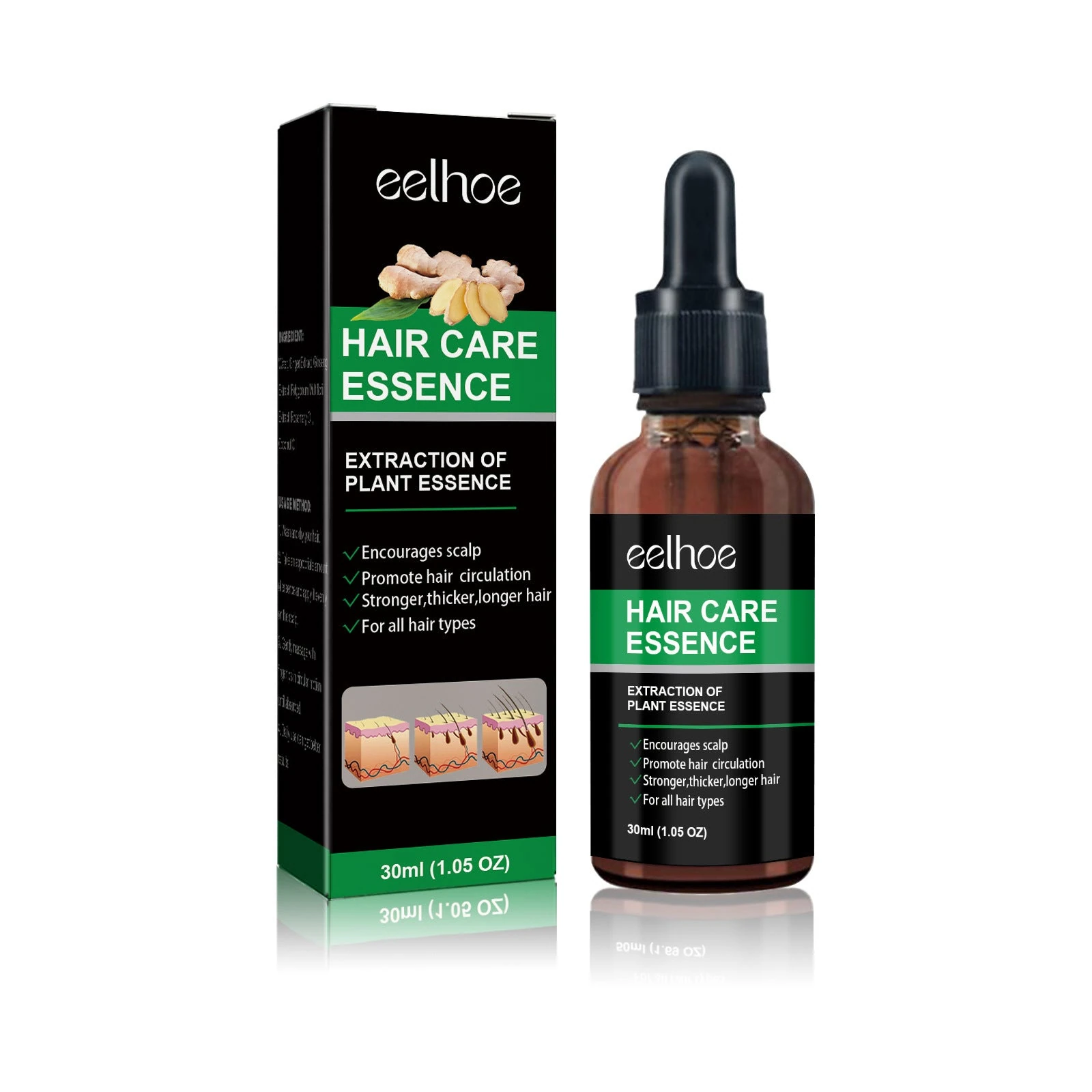
The essence contains ginger root oil within a water-based formula. That is different from buying a bottle of pure essential oil. Glycerin provides a concrete moisturizing ingredient to compare, while the dropper helps direct a small amount to the scalp. Use the finish on your own hair as the practical test: controlled placement matters more than saturating the roots or spreading scalp care through the lengths.
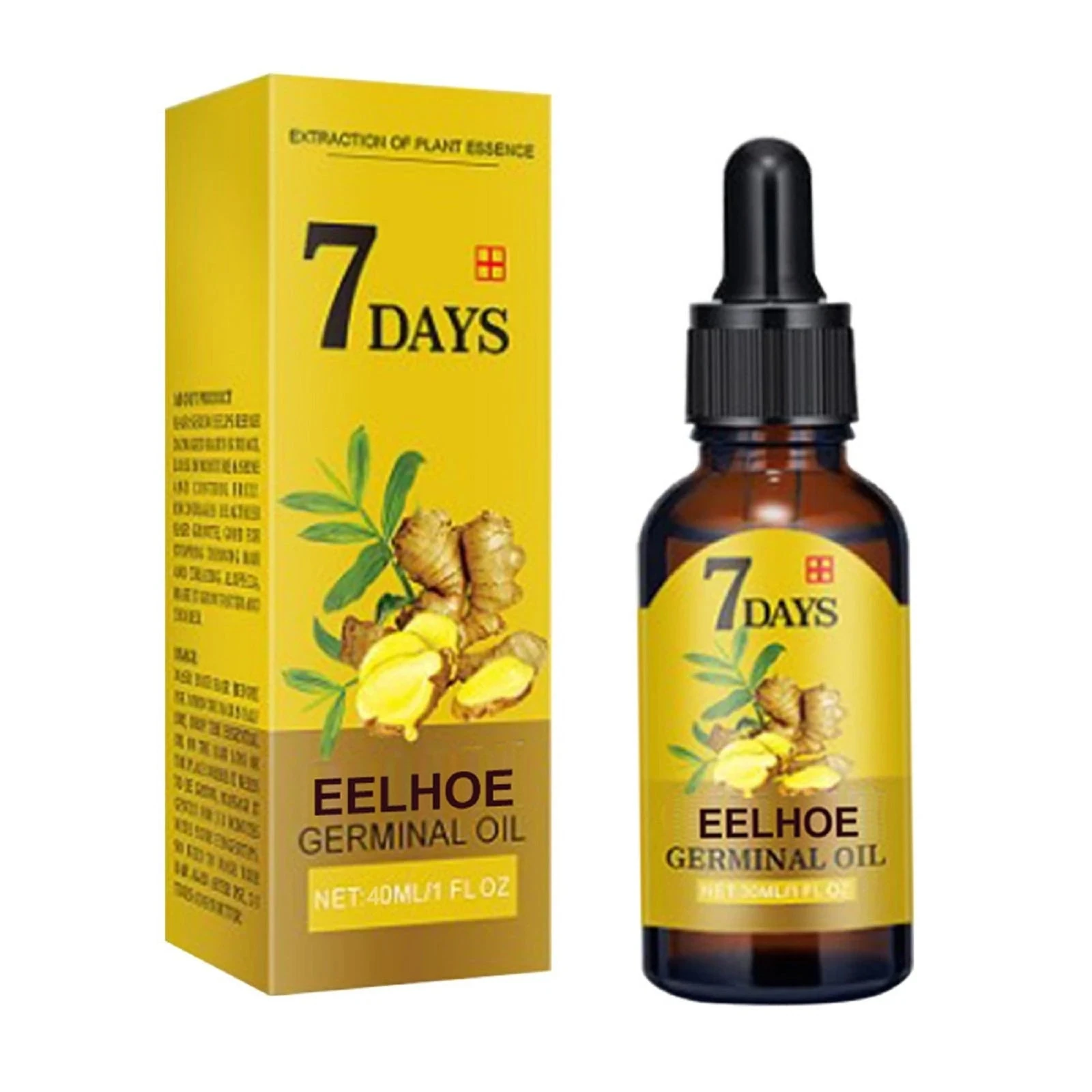
Glycerin and sodium PCA are moisture-binding ingredients, while panthenol is used for conditioning. The highlighted ingredient graphic is not a percentage breakdown. The word tonic describes this product choice; it does not establish a stronger concentration than the smaller essence. Compare the ingredients you prefer and whether direct dropper placement feels convenient in your routine.
Decide Whether an Experimental Ingredient Fits Your Goal
Someone interested in copper-peptide research may reasonably want more detail about a specific formula. Someone seeking treatment for progressive hair loss needs evidence matched to the diagnosed cause. Those are different buying situations.
A serum’s novelty does not make it appropriate for all stages or forms of loss. The AAD describes diagnosis and treatment options, including minoxidil for appropriate patients, rather than a universal ingredient hierarchy.
Questions to Ask the Manufacturer
Ask whether the evidence tested the product being sold, whether the research was in humans and whether the formula includes additional active components. Request the actual use instructions rather than a dose copied from a study with another preparation.
A percentage printed on a label is only one detail. It does not by itself establish skin delivery, stability throughout storage or an outcome in the population you belong to. More concentrated does not automatically mean more useful.
Application Must Follow the Finished Product
There is no universal GHK-Cu drop count or approved overnight schedule established by the sources reviewed here. A cosmetic scalp product should be used on the area and skin condition specified on its own label.
Do not convert laboratory delivery research into a home mixing, injection or microneedling protocol. A formula intended for intact skin does not automatically have the same suitability after a procedure.
What Timeline Is Reasonable?
The six-month ALAVAX trial tells you when that study assessed outcomes. It does not supply a six-month deadline or guarantee for every copper-peptide product. The mouse delivery paper supplies no human regrowth timetable.
For a clinician-directed treatment, use the planned review schedule. For optional cosmetic care, evaluate comfort, residue and routine fit without counting those observations as proof of new hair growth.
Combining with Other Treatments
Do not stop an established treatment because a mechanism description sounds more advanced. Ask the clinician or pharmacist managing your treatment about a proposed addition and provide its full formula and directions.
Separate application times do not universally prove compatibility. Avoid mixing serums together to create an untested concentration, and keep track of any new product if symptoms occur.
Tolerance Is Product-Specific
The absence of adverse events in a small study does not guarantee tolerance of a different retail formula. Fragrance, preservatives and other ingredients matter alongside the peptide.
Stop a product that causes burning, swelling or worsening irritation. Tingling is not an endpoint in a hair-count study, and increasing application to intensify a sensation is not evidence-based use.
For the density claim itself, how to evaluate a scalp-density serum separates visible fullness, breakage, shedding and measured density before comparing studies.
When Moisturizing Care Is the Actual Need
GinGrowth’s essence and tonic below are ordinary moisturizing options with their own ingredient highlights. They are not represented as GHK-Cu products, and they do not inherit the experimental peptide results.
Choose them only when moisture or applicator preference is the care task. If copper-peptide content is a firm requirement, verify that property on the exact product rather than treating a botanical as an equivalent.
Frequently Asked Questions
Does GHK-Cu have human scalp-serum proof?
The sources reviewed here do not establish the effect of an arbitrary retail serum. The cited human study used 5-ALA plus GHK, while the delivery study used mice.
Does threefold delivery mean threefold hair growth?
No. Delivery and growth are different measurements, and the formulation study was not a human outcome trial.
Is every peptide serum GHK-Cu?
No. Peptide identity matters; OneSkin’s OS-01, for example, is a different peptide system.
Choose from the Evidence You Actually Have
Keep promising research visible without extending it beyond its conditions. A useful next step is to obtain the exact product’s study and label, or to seek a diagnosis if thinning is progressing. Ingredient interest and treatment evidence should remain distinguishable in the final purchase decision.
Choose by the cosmetic formula’s own properties while keeping peptide research product-specific.
Sources and Product Information
- AAD: Hair loss diagnosis and treatment — Official product or guidance page checked October 1, 2026; findings retain their product and population scope.
- 2023 GHK-Cu microemulsion delivery study — Indexed abstract verified via official NCBI API October 1, 2026; study material and population specified in the article.
- 2016 ALAVAX 5-ALA/GHK study — Indexed abstract verified via official NCBI API October 1, 2026; study material and population specified in the article.
GinGrowth product details were checked October 1, 2026. This guide compares published information and current product specifications; it does not report a GinGrowth clinical trial or personal use test.