
Niacinamide serum is often discussed as a hair-growth ingredient, but its role needs to be understood carefully. Niacinamide is a form of vitamin B3 used in cosmetic skin and scalp products. It may support a comfortable scalp environment and help maintain the skin barrier, but it should not be treated as a guaranteed hair-growth treatment. For people building a scalp-care routine, the most useful approach is to view niacinamide as a supportive ingredient rather than a stand-alone solution for every type of hair shedding or thinning.
- Niacinamide is a cosmetic form of vitamin B3, not the same as a guaranteed hair-growth medicine.
- It may help support the scalp barrier and improve the feel of a well-maintained scalp.
- A serum should be applied consistently and according to its label directions.
- Hair growth depends on many factors, including genetics, age, hormones, nutrition, styling practices, and scalp health.
- Persistent or sudden hair loss should be discussed with a qualified healthcare professional.
Product information checked October 1, 2026. If moisturizing ingredients matter more to you than niacinamide specifically, review 40ml Ginger Hair Tonic for Scalp & Roots.
What Is Niacinamide Serum for Hair?
Niacinamide serum for hair is usually a leave-on product designed for the scalp rather than the hair lengths. The formula may combine niacinamide with other cosmetic ingredients selected for scalp comfort, hydration, conditioning, or a refreshed feeling. Because the product remains on the scalp, application technique matters: it should be distributed over the intended areas without excessive rubbing or applying more than the label recommends.
Niacinamide is widely used in skincare because it is generally considered a versatile cosmetic ingredient. In scalp care, the interest comes from its potential to support the skin barrier and help maintain a balanced-feeling scalp. These properties can be relevant when dryness, environmental exposure, frequent washing, or styling routines leave the scalp feeling uncomfortable. However, a healthier-feeling scalp does not automatically mean that a serum will create new hair growth.
For an onion-and-niacinamide example, the Mamaearth Onion Scalp Serum label review identifies the dated ingredient record and distinguishes the scalp product from the brand’s other formats.
Can Niacinamide Help Hair Growth?
Niacinamide’s presence does not by itself demonstrate regrowth from a finished scalp serum. A formula can have supported moisturizing or appearance benefits, but those results need to be tied to the actual product and outcome. Skin-barrier research, a cosmetic texture claim and a hair-count trial answer different questions.
When evaluating a claim, ask whether niacinamide was tested alone or inside a complete formula, who used the product, for how long, and how the result was measured. Do not turn a participant percentage into the percentage increase in hair count. For a diagnosed cause of thinning, compare treatment-specific evidence with your clinician.
Niacinamide Serum Benefits for the Scalp
Swipe the table sideways to compare all columns.
| Potential role | What it may mean in a routine | What it does not prove |
|---|---|---|
| Scalp barrier support | May help the scalp feel more comfortable when used in a suitable formula. | It does not prove that new hair will grow faster. |
| Lightweight leave-on care | Can be easier to use between washes than a heavy oil or styling product. | It is not automatically appropriate for every scalp type. |
| Routine consistency | A simple product may encourage regular attention to the scalp. | Consistency cannot replace diagnosis when hair loss has an underlying cause. |
| Formula support | May work alongside other cosmetic ingredients selected for hydration or conditioning. | The presence of niacinamide does not reveal the quality or effectiveness of the whole formula. |
For a niacinamide-containing example, the JooY Soothing Scalp Serum formula guide describes the listed formula and its documented dry-scalp application.
How to Use a Niacinamide Hair Serum
Use the product according to its packaging instructions, since application directions vary by formula. A practical routine usually follows these steps:
- Start with a clean, dry or towel-dried scalp. Apply the serum to the scalp rather than coating the entire length of the hair unless the product specifically says it can be used that way.
- Part the hair into sections. This helps place a small amount where it is intended to go and reduces unnecessary product buildup.
- Apply a modest amount. More product is not necessarily more effective and may leave the hair feeling greasy or weighed down.
- Massage gently if directed. Use the fingertips rather than scratching with the nails. Vigorous rubbing can increase irritation.
- Monitor how your scalp responds. Stop use if you develop significant burning, swelling, or an uncomfortable reaction, and seek appropriate advice if symptoms persist.
Before applying a new leave-on product broadly, consider testing a small area according to the product’s instructions. Avoid applying serum to broken or irritated skin unless a healthcare professional has advised you to do so.
Compare Separate Humectant-Based Scalp Care
The tonic and essence are alternative scalp-care options; their supplied highlights do not identify niacinamide. GinGrowth sells the two products below.
Swipe the table sideways to compare all columns.
| Detail | 40ml Ginger Hair Tonic for Scalp & Roots | 30ml Lightweight Scalp Serum with Ginger |
|---|---|---|
| Format | Water-based dropper tonic | Water-based dropper essence |
| Ingredient highlights | Ginger extract, glycerin, sodium PCA and panthenol, alongside aqua, in the product artwork. | Aqua, glycerin, ginger root oil, Polygonum multiflorum extract and hydroxyethylcellulose in the ingredient graphic. |
| Application | Part hair, apply a small amount, massage gently for 2–3 minutes and leave on. Follow the current bottle for frequency. | After washing and drying, apply a small amount to the scalp, massage gently and leave in. The product guide describes daily use. |
| Reason to compare | Choose for a larger dropper format with humectant and conditioning ingredient highlights. | Choose for a light moisturizing step and precise placement along a part. |
View 40ml Ginger Hair Tonic for Scalp & Roots or compare 30ml Lightweight Scalp Serum with Ginger. Review the current product page for price and package details.
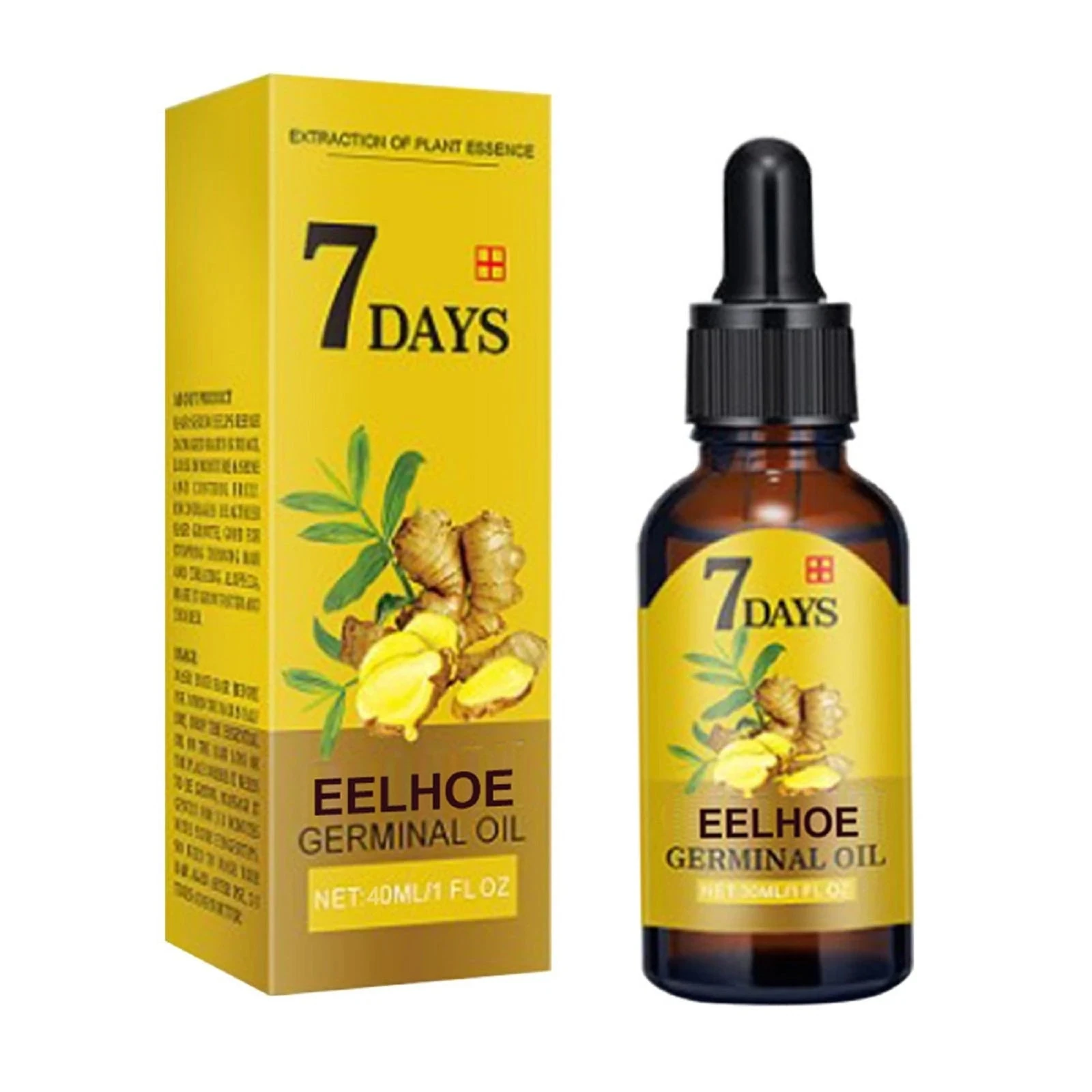
Glycerin and sodium PCA are moisture-binding ingredients, while panthenol is used for conditioning. The highlighted ingredient graphic is not a percentage breakdown. The word tonic describes this product choice; it does not establish a stronger concentration than the smaller essence. Compare the ingredients you prefer and whether direct dropper placement feels convenient in your routine.
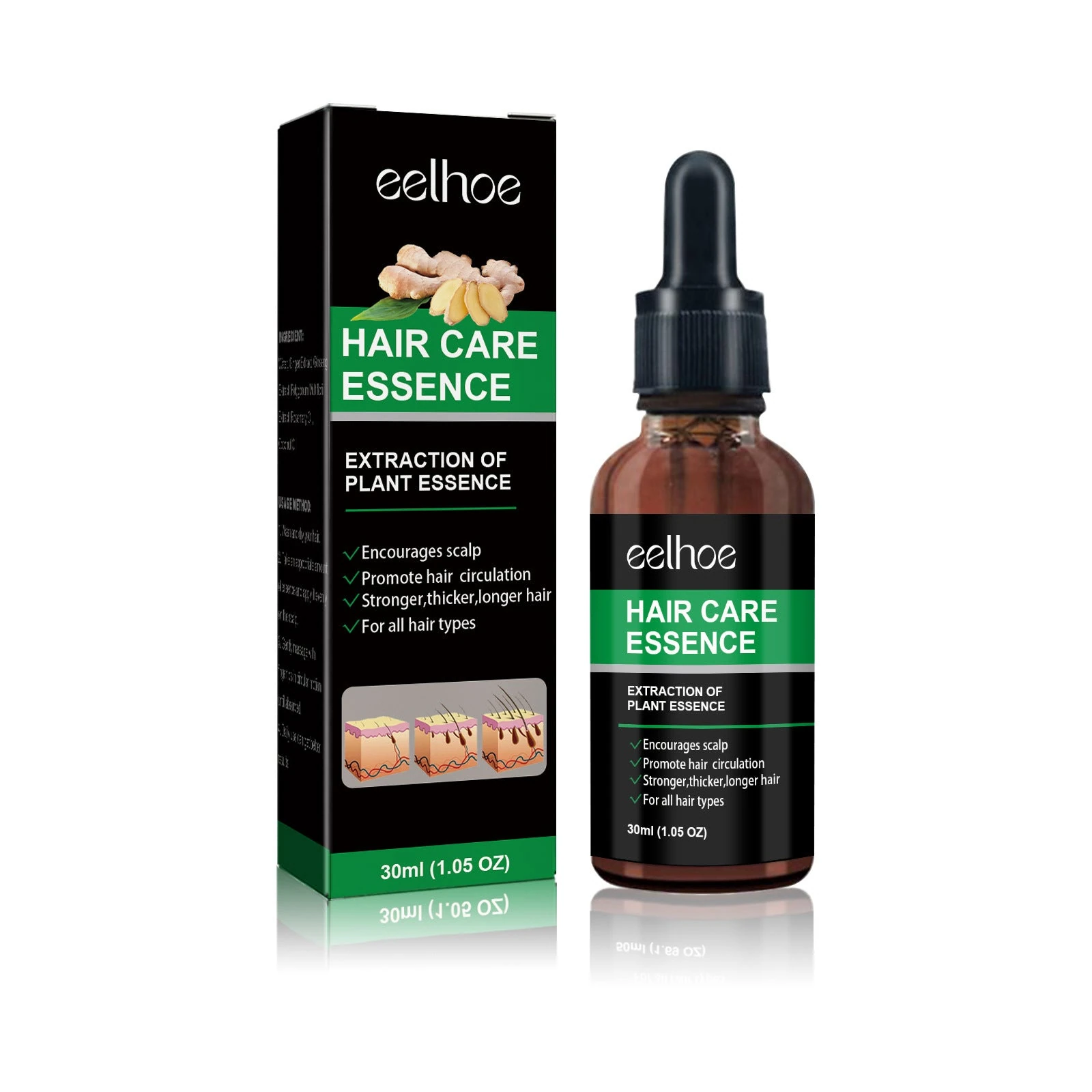
The essence contains ginger root oil within a water-based formula. That is different from buying a bottle of pure essential oil. Glycerin provides a concrete moisturizing ingredient to compare, while the dropper helps direct a small amount to the scalp. Use the finish on your own hair as the practical test: controlled placement matters more than saturating the roots or spreading scalp care through the lengths.
What to Look for in a Hair-Growth Serum
Compare the application area, complete ingredient list, finish, directions and finished-product evidence. If niacinamide itself is central to your purchase, verify that it appears in the current package rather than assuming every serum contains it.
The GinGrowth tonic and essence below are separate moisturizing-care choices. Their current highlighted ingredient information does not identify niacinamide, and they should not be advertised here as niacinamide products. The tonic highlights glycerin, sodium PCA and panthenol; the essence highlights glycerin and ginger root oil in a water-based base. They offer a different route to choosing a cosmetic texture and application preference.
A familiar ingredient can help narrow a shortlist, but it cannot answer every question about the finished formula. Review your own known sensitivities and avoid comparing a label percentage from one product with an unstated concentration in another.
For a niacinamide-containing scalp product, the HAIRtamin topical serum formula review distinguishes the topical formula from oral supplements and explains the listed ingredient roles.
Niacinamide Serum vs. Medical Hair-Loss Treatment
A cosmetic niacinamide serum and a medical hair-loss treatment serve different purposes. A cosmetic product is generally intended to support grooming, scalp comfort, and the appearance or feel of the hair-care routine. Medical treatments are evaluated for specific conditions and may require professional guidance, especially when symptoms are persistent or worsening.
This distinction is important because “hair growth” can describe several different concerns. Some people are trying to improve the appearance of fine hair, while others are experiencing shedding, breakage, a receding hairline, or patchy loss. These concerns do not necessarily have the same cause or the same appropriate response. A serum may be a reasonable part of everyday cosmetic care, but it should not delay an evaluation when the change is sudden, severe, or accompanied by scalp symptoms.
Common Mistakes to Avoid
- Expecting immediate results: Hair changes are gradual, and cosmetic routines should be assessed realistically over time.
- Using too much product: Excess serum can cause buildup or make the hair appear oily.
- Ignoring irritation: Persistent discomfort is a reason to stop and reassess the product.
- Applying only to the hair ends: A scalp serum is intended for the scalp unless the label states otherwise.
- Changing several products at once: Introducing one product at a time makes it easier to identify what your scalp tolerates.
- Confusing breakage with shedding: Hair snapping along the length is different from hair releasing from the follicle.
Frequently Asked Questions
Does niacinamide serum make hair grow faster?
There is not enough basis to treat niacinamide alone as a guaranteed way to make hair grow faster. It may support a well-maintained scalp, but growth outcomes depend on many factors.
Can I use niacinamide serum every day?
Follow the specific product instructions. Some formulas are designed for frequent use, while others may be better suited to a less frequent routine.
Should niacinamide serum be applied to wet or dry hair?
Use it as directed on the packaging. Many scalp serums are applied to a clean, dry or towel-dried scalp, but the correct method depends on the formula.
Is niacinamide suitable for a sensitive scalp?
It may be suitable for some people, but individual tolerance varies and the full formula matters. Patch testing and careful monitoring can be sensible when trying a new leave-on product.
What should I do about sudden hair loss?
Seek advice from a qualified healthcare professional. Sudden, patchy, painful, or persistent hair loss may need assessment rather than relying only on cosmetic products.
Choose Your Next Step
Niacinamide serum can be a practical addition to a scalp-care routine when your goal is lightweight, consistent cosmetic care. Its most reasonable role is supporting scalp comfort and routine maintenance—not promising guaranteed hair growth. Choose a formula with clear directions, apply it gently and consistently, and keep your expectations realistic. If your concern is significant hair loss rather than general scalp care, professional guidance is the safer next step.
Compare the tonic for its verified moisture-binding ingredients.
Sources and Product Information
- AAD: Hair loss—Diagnosis and treatment — Official guidance accessed October 1, 2026; applies to the stated topic, not a trial of GinGrowth products.
GinGrowth product details were checked October 1, 2026. This guide compares published information and current product specifications; it does not report a GinGrowth clinical trial or personal use test.