
OneSkin OS-01 Hair Scalp Serum has product-specific density and thickness claims, but the study conditions matter: the current brand page describes 32 participants using the serum twice daily and dermarolling once daily for six months. Read the reported improvements with that combined regimen, rather than presenting them as a serum-only guarantee.
This guide uses OneSkin’s official product page checked October 1, 2026. It compares the actual formula, evidence and routine commitment with separate ordinary scalp-care choices sold by GinGrowth.
Identify the Peptide and the Finished Product
The OS-01 Hair page identifies Decapeptide-52 as its OS-01 peptide. It describes a water-based, fragrance-free serum focused on visible shedding, thickness and density. That is a particular branded formula, not evidence for every product using the word peptide.
The ingredient list also includes glycerin, panthenol, sodium PCA, botanical extracts, niacinamide and biotin among other components. A familiar vitamin does not establish which ingredient caused a result from the complete regimen.
Read the Reported Benefits with Their Denominators
OneSkin reports a 40% density improvement in 81% of users and a 43% thickness improvement in 78% after six months. It also reports that 75% observed visible new hair after three months and 72% reported less visible shedding after six months.
The proportions of participants and magnitudes of improvement are different numbers. Do not write “81% more hair” or imply every participant achieved the headline density change. Keep the time point and measured-versus-reported outcome visible in any comparison.
Swipe the table sideways to compare all columns.
| Decision | Check | Practical action |
|---|---|---|
| Study population | 32 participants, ages 27–55, six months | Results do not establish identical outcomes for everyone |
| Tested regimen | Serum twice daily plus dermarolling once daily | Do not describe it as a serum-only trial |
| Reported density | 40% improvement in 81% of participants | Keep endpoint, responder proportion and regimen together |
| Directions conflict | Main page and FAQ use different volume/frequency descriptions | Follow current package and seek brand clarification |
Examine the Study Conditions Before Comparing
The page describes a six-month, double-blind, third-party study with 32 participants: 23 female and nine male, ages 27–55. It says the regimen combined twice-daily serum with daily dermarolling. Hair parameters were assessed through HairMetrix clinical photography, trichoscopy and phototrichogram, alongside grading and self-reported feedback.
The summary does not isolate the serum’s contribution from the combined routine. We therefore retain the positive findings as the brand reports them without calling this proof that serum alone produces the same result. This article is not an independent replication or access to participant-level data.
Distinguish Other Studies on the Page
OneSkin separately describes a six-month microbiome study with 30 participants. It discusses bacterial diversity and a Malassezia ratio as scalp-health markers. Those findings are not the same outcome as increased hair density and should not be added to the 32-person count.
The page also cites a 12-week skin-aging study involving 22 older participants for a different visible-biological-age statement. That does not enlarge the hair study or supply a separate hair-regrowth endpoint. Follow the footnote attached to the claim you are reading.
For a separate moisturizing option without a peptide-specific purchasing requirement, review the 40ml Ginger Hair Tonic for Scalp & Roots.
Compare the Care Task as Well as the Bottle
The tonic and essence are ordinary moisturizing alternatives, not OS-01 peptide products or clinical equivalents to its tested regimen. GinGrowth sells the two products below.
Swipe the table sideways to compare all columns.
| Detail | 40ml Ginger Hair Tonic for Scalp & Roots | 30ml Lightweight Scalp Serum with Ginger |
|---|---|---|
| Format | Water-based dropper tonic | Water-based dropper essence |
| Ingredient highlights | Ginger extract, glycerin, sodium PCA and panthenol, alongside aqua, in the product artwork. | Aqua, glycerin, ginger root oil, Polygonum multiflorum extract and hydroxyethylcellulose in the ingredient graphic. |
| Application | Part hair, apply a small amount, massage gently for 2–3 minutes and leave on. Follow the current bottle for frequency. | After washing and drying, apply a small amount to the scalp, massage gently and leave in. The product guide describes daily use. |
| Reason to compare | Choose for a larger dropper format with humectant and conditioning ingredient highlights. | Choose for a light moisturizing step and precise placement along a part. |
View 40ml Ginger Hair Tonic for Scalp & Roots or compare 30ml Lightweight Scalp Serum with Ginger. Review the current product page for price and package details.
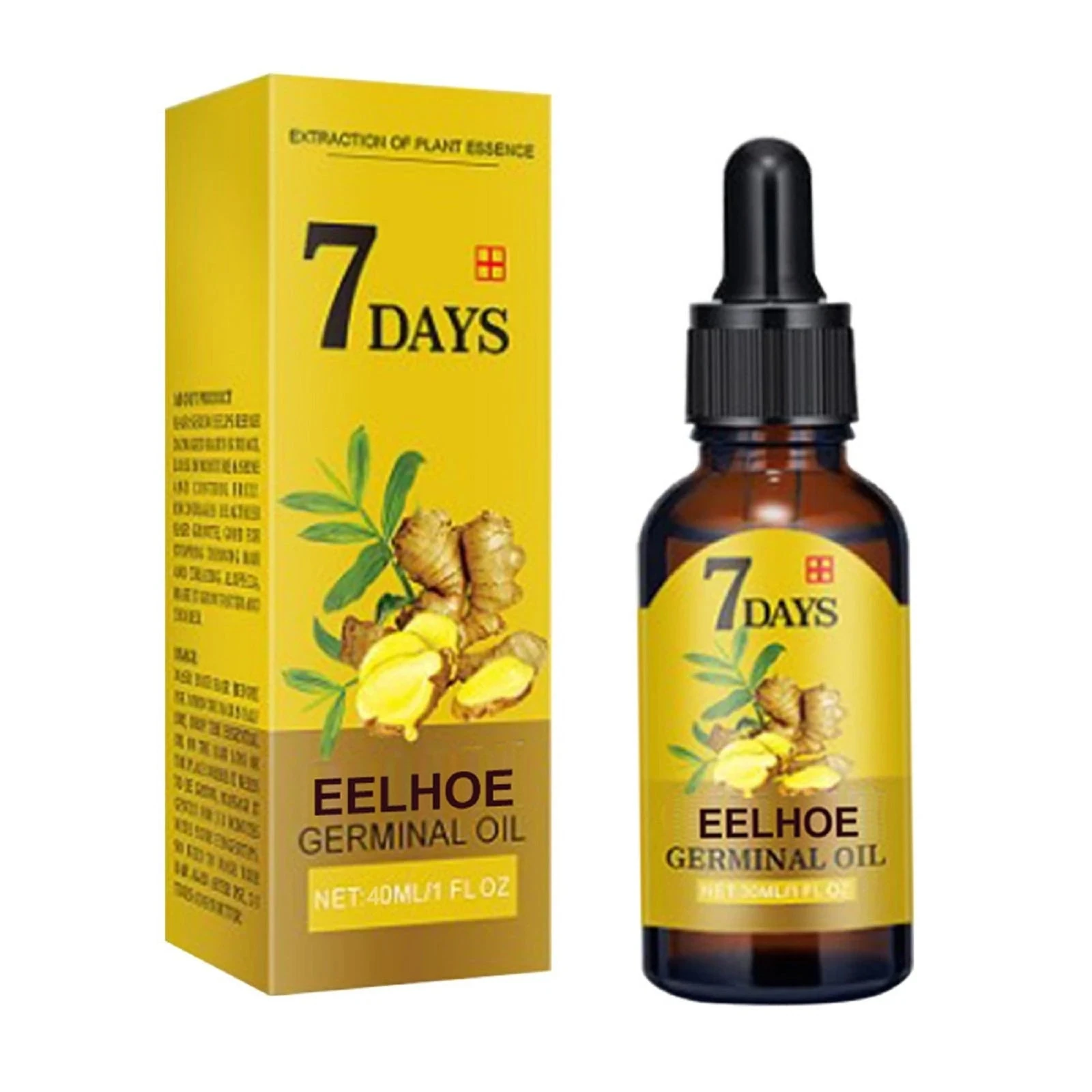
Glycerin and sodium PCA are moisture-binding ingredients, while panthenol is used for conditioning. The highlighted ingredient graphic is not a percentage breakdown. The word tonic describes this product choice; it does not establish a stronger concentration than the smaller essence. Compare the ingredients you prefer and whether direct dropper placement feels convenient in your routine.
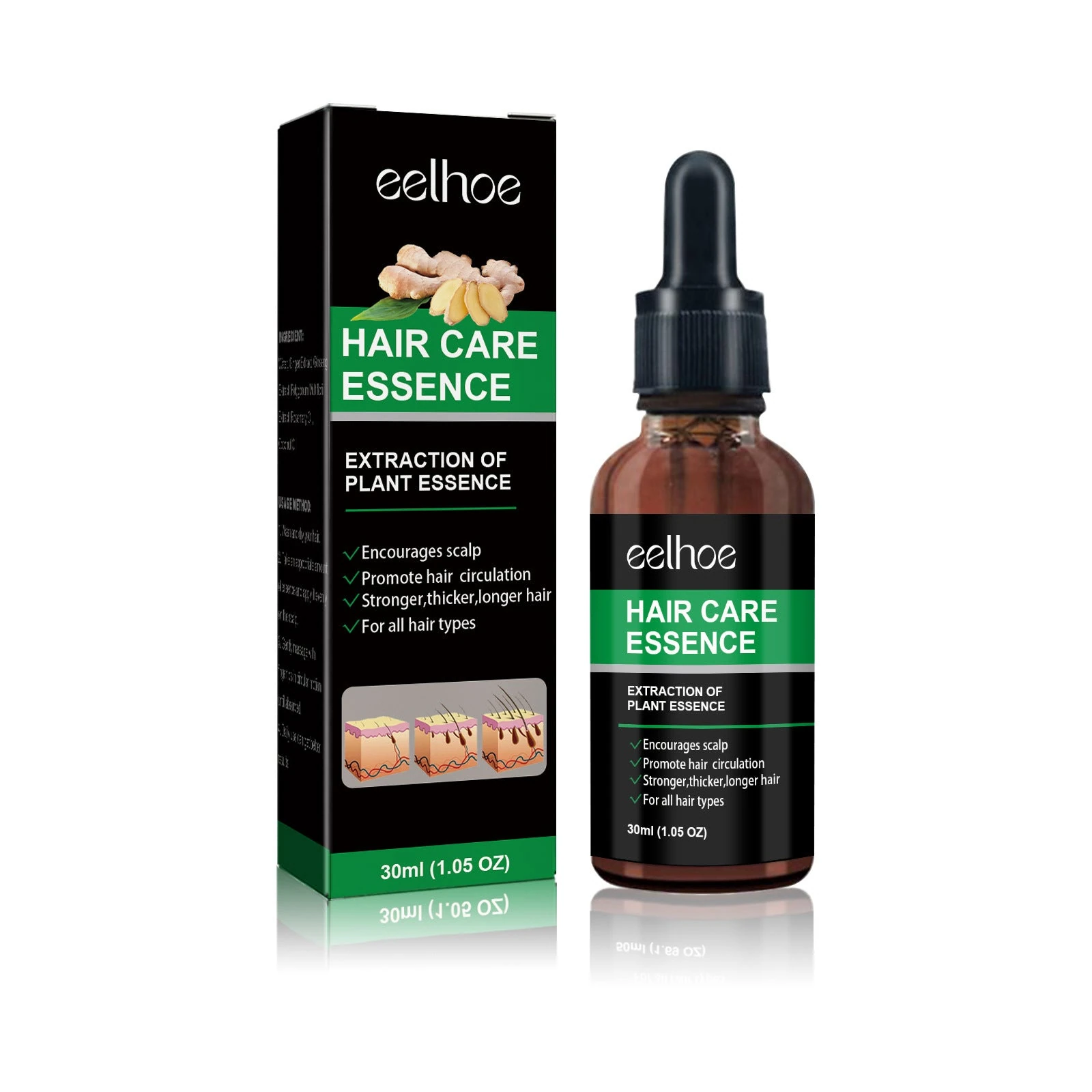
The essence contains ginger root oil within a water-based formula. That is different from buying a bottle of pure essential oil. Glycerin provides a concrete moisturizing ingredient to compare, while the dropper helps direct a small amount to the scalp. Use the finish on your own hair as the practical test: controlled placement matters more than saturating the roots or spreading scalp care through the lengths.
Compare Peptide and Botanical Options Fairly
A peptide mechanism, a botanical ingredient and a moisturizing texture are different bases for purchase. If you want OS-01’s exact peptide and regimen evidence, another ginger serum is not an equivalent merely because both are scalp products.
If the practical goal is ordinary moisture and comfortable placement, you may compare humectants, size and application separately. GinGrowth sells the tonic and essence below. They are not described as containing OS-01 peptide or reproducing OneSkin’s clinical results.
For the peptide-specific comparison, the OneSkin peptide identity and evidence checklist distinguishes OS-01 from copper peptides and separates the relevant study questions.
A Separate Moisturizing-Care Comparison
The current tonic highlights glycerin, sodium PCA and panthenol with ginger extract. The essence highlights glycerin and ginger root oil in a smaller water-based dropper format. These are concrete ingredient and application differences.
Their supplied highlights do not establish the OneSkin peptide, a six-month density result or the same fragrance-free claim. If any of those properties is essential, verify it for the exact bottle instead of converting an alternative-care option into a clinical substitute.
Check the Current Directions Carefully
OneSkin’s main use section says two pipettes’ worth, described as two squeezes, across the scalp twice daily on dry or damp hair, without rinsing. Its FAQ separately says 1 mL one to two times daily. Those are not automatically interchangeable units or identical schedules.
Use your current package and clarify conflicting quantity wording with the manufacturer. Do not guess the volume of a squeeze. The study’s daily dermarolling is a disclosed condition, not a universal at-home needling instruction; discuss suitability and follow the device’s requirements rather than copying a trial headline.
Avoid Misreading the Evidence
Do not turn a percentage of respondents into a density increase. Do not drop dermarolling from the study description. Do not describe all peptide serums as OS-01 equivalents. Do not present a customer review’s timing as the study’s average result.
Also keep hairline spot application separate from a whole-scalp study routine. Using less product on one area may change cost and exposure, but this page does not establish that it delivers the same trial outcome.
For the procedure-specific distinction, the serum and microneedling evidence guide separates clinical study conditions from ordinary cosmetic care.
Choose by Goal, Commitment and Current Information
Compare the benefit you want, the evidence that supports it and the routine you can follow. The page describes a 50 mL bottle as approximately a month’s supply, but the differing dose wording makes current package clarification especially useful before calculating cost per use.
If you already use a hair-loss medicine, seek individualized advice about changes or additions. The AAD explains that treatment depends on the cause of loss. This article does not provide a medicine discontinuation schedule.
Frequently Asked Questions
Was the study serum-only?
The brand describes serum twice daily plus dermarolling daily. Keep that combined regimen with the reported findings.
Does 81% mean 81% more hair?
No. It describes the proportion of participants associated with the reported density improvement, not the magnitude of that improvement.
Are GinGrowth’s options the same peptide formula?
No. They are separate moisturizing-care formats, with their own ingredient highlights and instructions.
Should I copy the pipette amount to another brand?
No. Dispensers and directions differ, and even the current OneSkin page has quantity wording that should be clarified against the package.
Make the Comparison Specific
Choose OS-01 by the actual peptide formula and disclosed study conditions. Compare ordinary scalp moisture when that is the separate task you want to solve. This preserves meaningful efficacy information without promising that every product, dose or routine delivers the same result.
Compare verified care ingredients and application; keep OneSkin’s study conditions attached to its results.
Sources and Product Information
- OneSkin: OS-01 Hair Scalp Serum — Official product or guidance page accessed October 1, 2026; claims retain their product and study scope.
- AAD: Hair loss diagnosis and treatment — Official product or guidance page accessed October 1, 2026; claims retain their product and study scope.
GinGrowth product details were checked October 1, 2026. This guide compares published information and current product specifications; it does not report a GinGrowth clinical trial or personal use test.