
Remove waterproof makeup with a remover intended for the formula and the area where you applied it. For facial foundation, gently work a suitable cleansing balm or oil over the skin, follow its water-emulsifying or removal directions, and rinse. For waterproof mascara or eye makeup, choose a product explicitly intended for the eye area. Harder rubbing is not a substitute for the right remover.
The aim is to loosen the makeup, remove the cleanser and leave the skin comfortable enough for its usual care. This guide focuses on stubborn facial base makeup, explains when to use a separate eye remover, and gives you a practical way to handle residue without turning an evening cleanse into repeated stripping.
Match the remover to the makeup and application area
Waterproof foundation, long-wear concealer and waterproof mascara may all resist water, but they are not one removal task. Start with the makeup manufacturer's removal directions. A remover can be suited to facial makeup without being intended for eyelids, the lash line or lips. Format names such as balm, oil and micellar water do not establish those permissions.
The FDA eye-cosmetic safety guidance advises against using cosmetics near the eyes unless they are specifically intended for that use. This makes the eye-area label check more useful than deciding that a product must be gentle enough because it feels creamy or includes a botanical ingredient.
For lashes and lids, follow a compatible eye remover's directions, including any instruction to shake or briefly hold a moistened pad in place. Do not transfer a fixed soaking time from one product to another. Avoid pulling lashes, rubbing back and forth or using a facial scrub to remove the final traces of pigment.
On a small screen, swipe or scroll the table sideways to compare all columns.
| Makeup or need | Check before using | Practical next step |
|---|---|---|
| Waterproof facial foundation | Compatibility with the exact makeup | Use its recommended remover with light pressure |
| Waterproof mascara | Explicit eye-area suitability | Use a separate compatible eye remover |
| Long-wear lip color | Lip-area instructions | Do not assume a face balm has lip-use permission |
| A hands-and-water routine | Emulsifying and rinsing directions | Choose a suitable rinse-off balm or oil |
| Persistent widespread residue | Product match and application steps | Change the method before increasing friction |
How to remove waterproof foundation with a facial balm
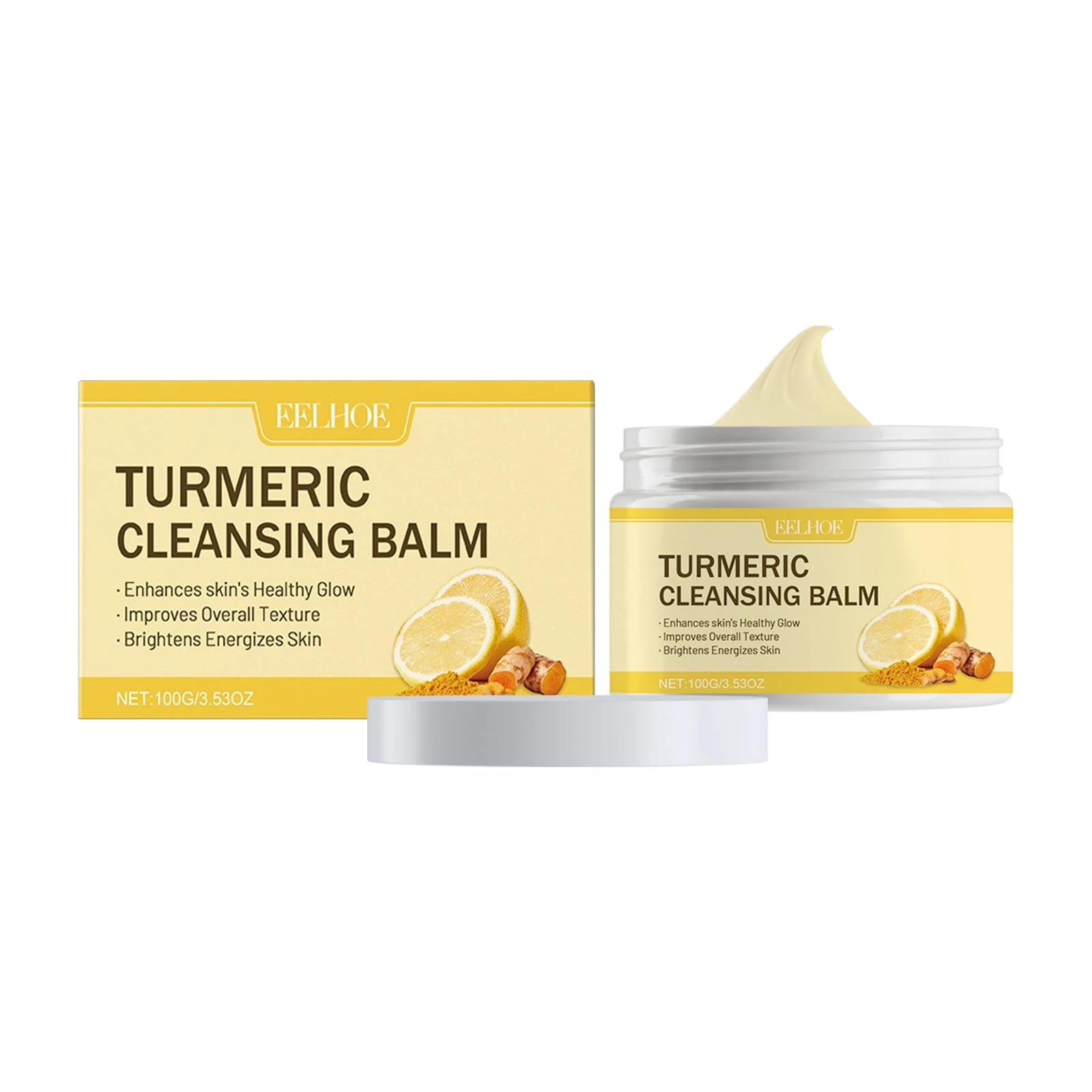
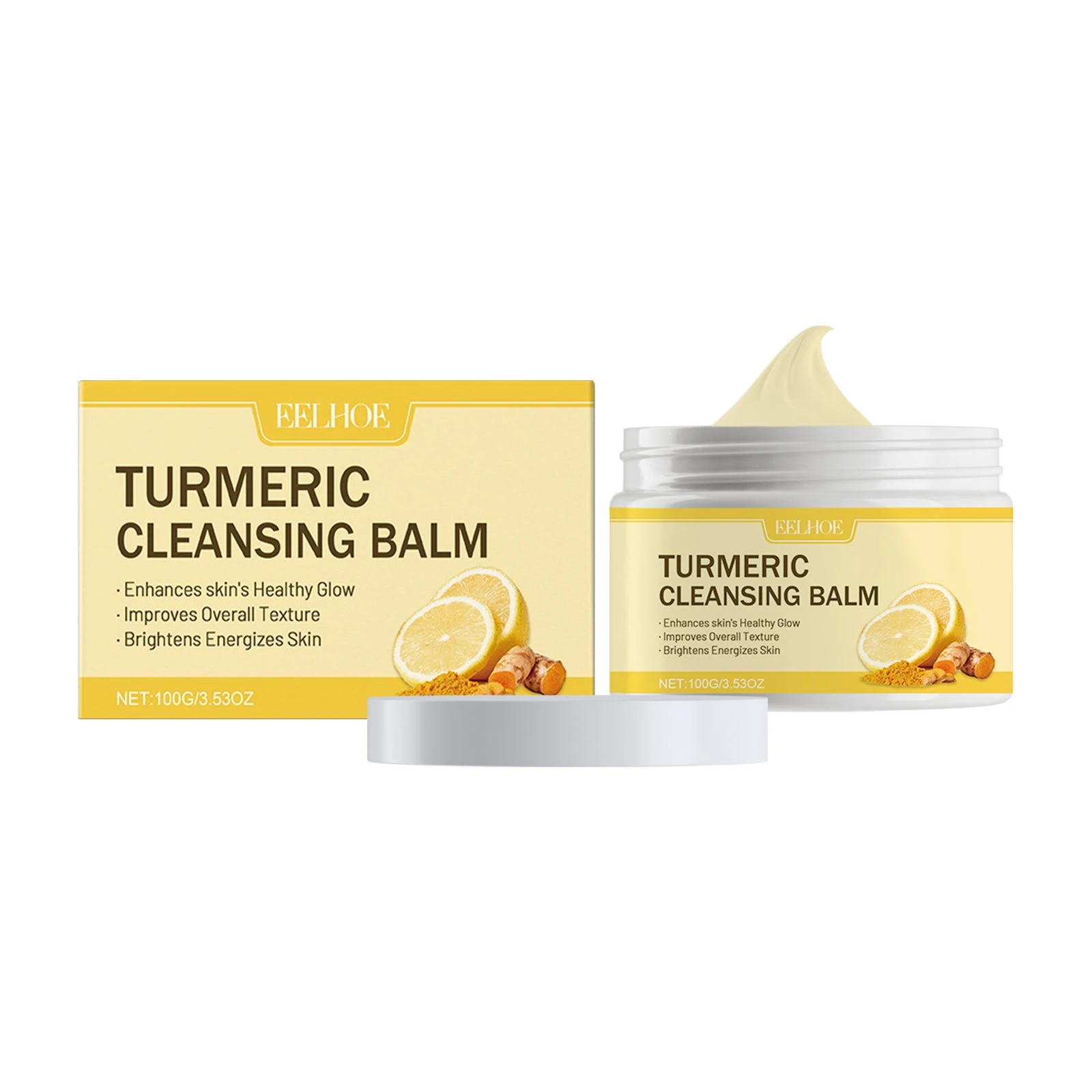
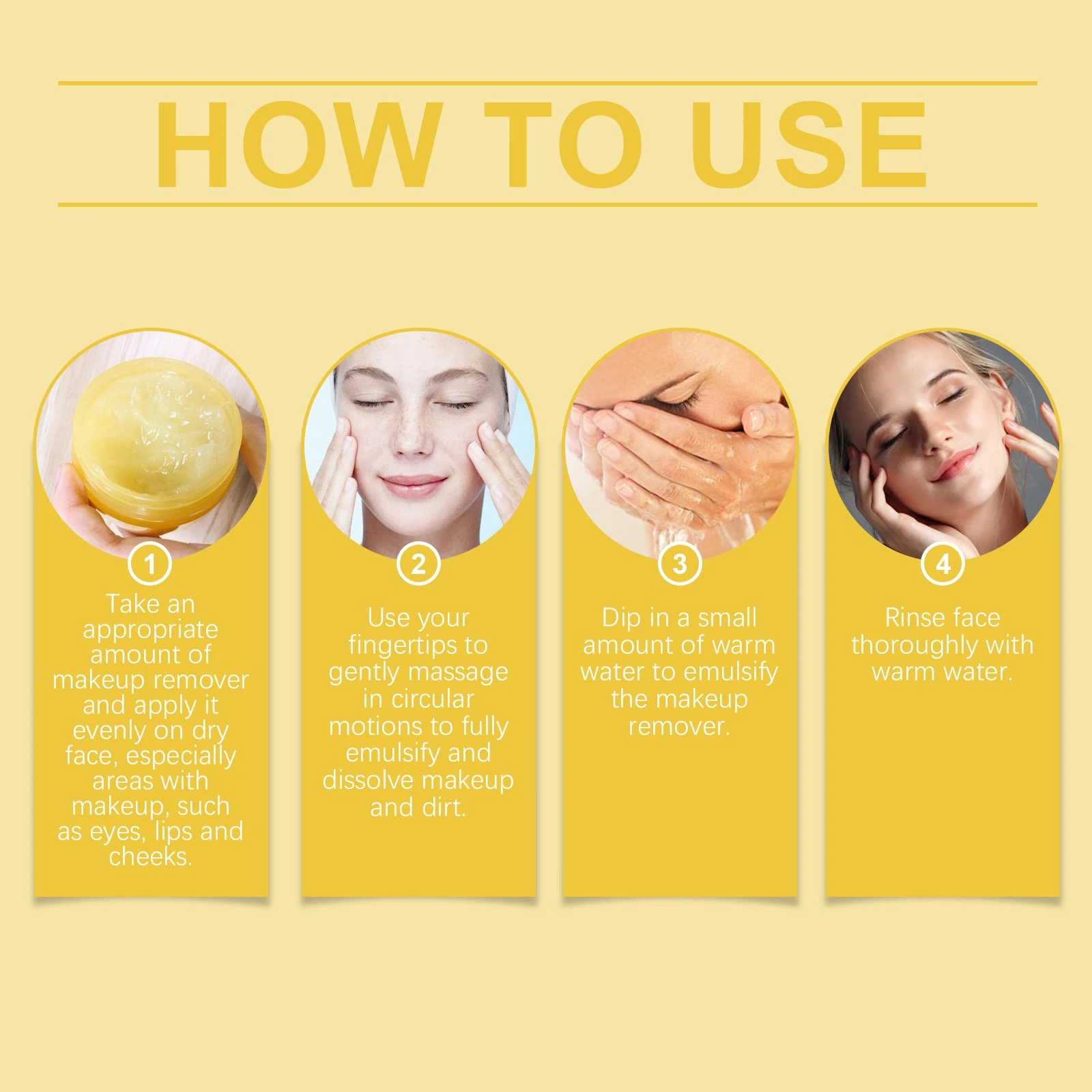
Check whether your balm is intended to start on dry or wet skin. Our EELHOE makeup remover balm is a 100g facial cleansing balm whose directions begin with clean, dry hands and dry facial skin. Massage gently, add a little water to emulsify, and rinse thoroughly. Other removers may use a different method, so check their own directions before copying these steps.
Water timing matters to the handling of this balm. If you rinse before spreading it over the makeup, you may wash some cleanser away before it has been worked across the area. Equally, a long, forceful massage is not evidence of better removal. Aim for even coverage with light fingertip pressure, then complete the water and rinse stage.
- Check the makeup and remover directions, and separate eye-area removal when needed.
- With clean, dry hands, spread a small amount of this balm over dry facial makeup.
- Massage lightly across the makeup-covered areas, avoiding direct eye contact.
- Add a little water to emulsify, then rinse thoroughly with comfortably warm water.
- Inspect for remaining facial pigment and use a gentle second cleanse only as needed.
Work carefully around the hairline, jaw and sides of the nose, where foundation can remain after a quick central-face rinse. Keep the facial balm away from direct eye contact. Use an eye-specific remover for waterproof eye makeup if its label permits that use; do not carry leftover facial balm onto the lashes to save a separate step.
How to remove long-lasting makeup without chasing a squeaky feel
After rinsing, inspect under ordinary light. Visible foundation around the jaw or a distinct patch of pigment indicates a targeted area to revisit. A comfortable, soft skin feel is not proof that makeup remains, and a tight, squeaky feeling is not a necessary endpoint. Stop judging removal only by how stripped the face feels.
If a small patch remains, use a little more of the compatible remover on that patch according to its directions. If pigment remains across the whole face, reassess whether the remover suits that waterproof formula and whether you followed its dry-skin, shaking or rinsing steps. Repeating an ineffective method more vigorously can increase friction without resolving the mismatch.
The American Academy of Dermatology's face-washing guidance recommends a gentle cleanser, fingertip application and lukewarm water, and advises against scrubbing. Those principles apply to the comfort of your wash, even when you are trying to remove a durable base. They do not certify any one balm as able to remove every waterproof cosmetic.
On a small screen, swipe or scroll the table sideways to compare all columns.
| What remains | Check first | Next step |
|---|---|---|
| Pigment along hairline | Coverage and rinse access | Revisit that area gently |
| Foundation across the face | Remover compatibility and dry/wet instructions | Change the method before increasing pressure |
| Soft feel without visible pigment | Whether the formula normally leaves that feel | Do not chase a stripped finish |
| Stinging or redness | Possible irritation | Stop escalating cleansing and seek advice if persistent |
Do you need a second cleanser?
A second cleanser can be useful when the first step leaves makeup or cleansing residue, or when double cleansing is already part of your routine. It is not a requirement to repeat every cleanse until the skin feels dry. After the balm is fully rinsed, assess what remains and use a gentle face wash if needed, following its directions.
Avoid adding several exfoliating steps to compensate for stubborn makeup. An acid toner, scrub and vigorous cloth massage do not become necessary because the foundation was waterproof. They add separate exposures that may make it harder to tell which part of the routine caused discomfort. Keep removal and exfoliation as distinct decisions.
If your skin stings, becomes red or feels unusually tight, stop escalating the cleansing. Rinse away product, simplify the routine and seek advice if irritation persists. Pain, ongoing eye irritation or vision changes need medical attention rather than another cosmetic test. FDA specifically recommends stopping an eye cosmetic that causes irritation.
Removing waterproof makeup without wipes
Disposable wipes are not essential to every removal routine. A rinse-off facial balm lets you spread cleanser with your fingertips and rinse it away with water. A suitable cleansing oil may provide another hands-and-water option. Check the actual rinse directions, because not every oily product is formulated to emulsify and rinse cleanly.
If you prefer a reusable cloth, keep it clean and use a gentle touch with a suitable remover. Do not use repeated rubbing as the main removal mechanism, and do not assume every reusable pad can be used with water alone on waterproof makeup. Our makeup-remover-pad guide covers pad handling as a separate method.
Kitchen oil is not automatically an equivalent replacement for a cosmetic remover, especially around the eyes. Food use does not establish eye-area suitability or a clean-rinsing formula. When you are travelling, carrying the appropriate remover and its instructions is more predictable than improvising with whatever oily product is available.
Build a removal routine you can repeat
Lay out the necessary products before starting: the makeup's removal instructions, a compatible facial remover, a separate eye remover when needed, and your usual moisturizer. Take off contact lenses as directed by your lens-care professional and the remover label. Wash hands before handling the eye area and avoid sharing eye cosmetics or applicators.
For a new waterproof foundation, test its removal method before a late night or a trip. This is a practical rehearsal of your routine, not a safety guarantee. Record whether the foundation needed a different remover, whether the hairline needed attention, and whether the final rinse was straightforward. These observations help you choose by real handling instead of claims about stronger cleansing.
Frequently asked questions
Can face wash alone remove waterproof makeup?
Some formulas may remove adequately with a compatible face wash, while others need a remover specified for waterproof makeup. Follow the makeup's directions and inspect for remaining pigment. If the face wash leaves visible base behind, change the removal method rather than repeatedly scrubbing with it.
Can I use this facial balm on waterproof mascara?
The EELHOE facial balm's directions do not establish waterproof-mascara removal or eye-area suitability. Use a remover explicitly intended for that application. The facial balm remains an option for the facial first-cleanse step, with direct eye contact avoided.
Do I need hot water to remove long-wear foundation?
No. Follow your remover's instructions, and keep the rinse comfortably lukewarm. Hotter water does not replace compatibility with the makeup and may make skin feel less comfortable. AAD recommends lukewarm water and avoiding a scrubbing motion.
Why is there still makeup on my towel?
Pigment may remain around the hairline, nose or jaw, or the remover may not suit the makeup. Recheck those areas and the rinse stage. A towel is not a standardized removal test, so use visible residue and comfort as practical observations without rubbing repeatedly to obtain a spotless towel.
Check the balm before making it your first step
Our turmeric cleansing balm offers a scoopable, rinse-off facial format with turmeric root extract, lemon peel oil and other listed formula highlights. It is a product sold by GinGrowth, not an independently tested winner against other removers. Review the ingredients and directions alongside your makeup's requirements, especially if you avoid fragrance-related ingredients.
Product information reviewed October 24, 2026. FDA and AAD sources support the area restrictions, clean handling and gentle washing principles. No cross-brand waterproof-removal trial or eye-area approval for this facial balm is claimed.