
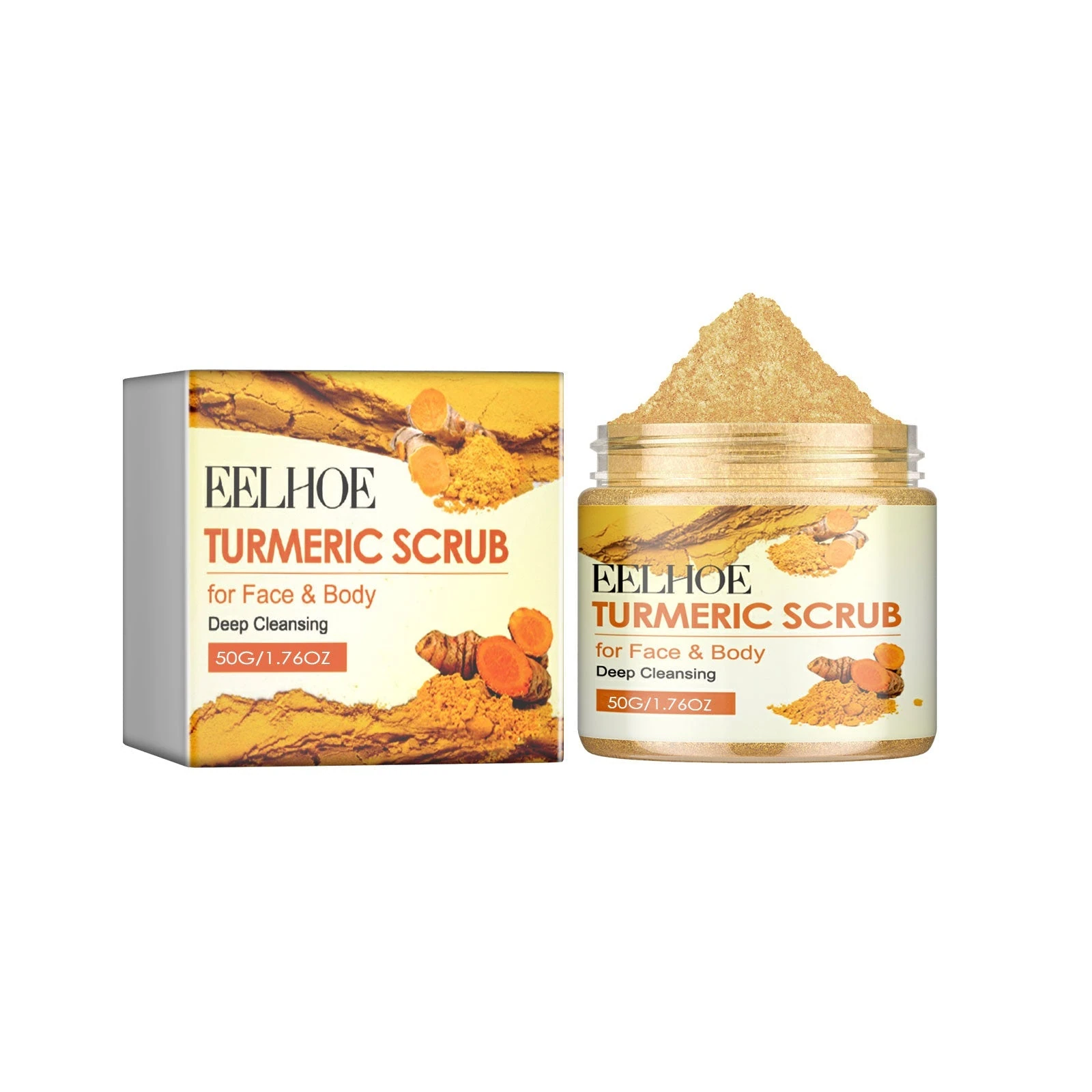
Body wash cleanses sweat, surface oil and everyday residue. Body scrub adds an optional exfoliating step for rough-feeling surface skin; it does not automatically replace your wash. If you use separate products in one shower, a practical starting order is wash, rinse, gently scrub as directed, rinse again and moisturize. Skip exfoliation when your skin is irritated or the extra step is unnecessary.
The choice becomes easier when you ask what needs doing today. Sweat after exercise calls for cleansing. Comfortable but rough-feeling elbows may be a reason to consider suitable exfoliation. Tight, sore or cracked skin calls for a gentler routine, rather than stronger scrubbing. A product name alone cannot decide between these situations.
GinGrowth sells the EELHOE examples in this guide: a 50g shea butter scrub and a separate 50ml ginger body wash. Their current directions make the difference concrete. The comparison uses product information, not an independent trial showing that one produces better skin than the other.
Body scrub vs body wash: compare the job first
A body wash is the cleansing step. You distribute it over wet body skin, then rinse away the wash and loosened residue. A body scrub uses an exfoliating texture and movement to work on the skin's surface. Some products combine cleansing and exfoliation, but a gritty jar should not be assumed to remove everything your normal cleanser handles.
The American Academy of Dermatology's exfoliation guidance defines mechanical exfoliation as removing dead skin cells with a scrub or tool. It also says exfoliation is not for everyone. That makes scrub an optional decision, not a compulsory upgrade to an ordinary shower.
On a small screen, swipe or scroll the table sideways to compare all columns.
| Decision | Body wash | Body scrub |
|---|---|---|
| Main job | Remove sweat and surface residue | Optional surface exfoliation |
| Choose when | Skin needs cleansing | Suitable intact skin feels rough |
| Featured example | 50ml ginger body wash | 50g shea butter scrub |
| Starting surface | Wet body skin | Wet intended skin area |
| Featured timing | Illustrated 5–10-minute contact interval, then rinse | 15–20-second gentle massage, then rinse |
| Frequency | Match washing to your needs | Match tolerance and exact label; not a daily requirement |
| Afterwards | Pat dry; moisturize as needed | Rinse thoroughly; moisturize |
The table separates two kinds of timing that are easy to confuse. A short massage is active movement. Contact time is a period before rinsing. Neither instruction means pressing harder, and neither should be copied from one product onto a different formula.
Can body scrub replace body wash?
Only treat a scrub as your cleanser if its actual directions describe that cleansing role and it meets your needs. The featured shea butter scrub is presented as a brief exfoliating step before moisturizer. The ginger body wash is presented as the product that washes away daily sweat and surface buildup. They have different tasks even though both are rinsed away.
If you have just exercised, use a suitable wash where cleansing is needed. Adding grains does not make removal more complete by default. If your skin is already clean and you choose an appropriate scrub on that occasion, you do not need to invent extra washing stages simply to fit a long routine.
A useful label check is to look for the intended area, cleansing or exfoliating instructions, removal method and warnings. “Butter” in a scrub name does not make it a leave-on body butter. “Moisturizing” on a body wash does not make it a substitute for your separate after-shower moisturizer.
Do you wash or scrub first?
For separate wash and scrub products, washing and rinsing first is a straightforward way to remove the day's surface residue before optional exfoliation. Then use the scrub on wet skin, rinse thoroughly and move to moisturizer. Follow a product's different instructions when they explicitly call for another sequence.
The order is less important than avoiding unnecessary irritation. Do not turn wash–scrub into wash–scrub–wash–scrub because you are chasing a squeaky finish. If a scrub leaves residue, first check that you used an appropriate amount and rinsed well. A persistent uncomfortable film may mean the product does not suit the routine, rather than that you need another forceful pass.
For the featured scrub, the short routine is:
- Cleanse the body gently when needed and rinse away the wash.
- On an exfoliation day, check that the intended skin is intact and comfortable.
- Apply a small amount of the featured scrub to wet skin.
- Massage lightly for its listed 15–20 seconds; avoid eyes and irritated areas.
- Rinse all residue away, pat dry and apply suitable moisturizer.
Our body scrub application guide explains pressure, shaving considerations and placement in more detail. This comparison focuses on deciding which job each product performs, so you can keep the shower routine as simple as your skin needs.
Choose the shea butter scrub for a brief exfoliating step
The 50g EELHOE shea butter scrub highlights shea butter, vitamin E, turmeric root powder and water. Its directions specify a small amount on wet skin, a light circular massage for 15–20 seconds and a thorough rinse. Moisturizer follows afterwards. Those are instructions for this jar, not a universal timer for every body scrub.

Choose this format when your intended skin area is comfortable and intact, you want an optional exfoliating texture, and you prefer the highlighted shea butter formula. Its packaging names face and body use, but that does not mean every facial skin type will tolerate it. The present routine is body-focused; avoid the eyes and irritated areas.
Do not choose the jar because you want a cream to remain on dry patches all day. Its softness-focused ingredients sit inside a rinse-off product. Nor does a longer massage establish a better result. The directed short application is sufficient to complete its method; extra pressure simply changes how you are treating your skin.
Choose the body wash for the cleansing step
The 50ml EELHOE ginger body wash is a liquid shower gel with ginger, calendula and lemon in the ingredient highlights. Wet the body, dispense a small amount into wet hands, build lather and spread it gently. Its illustrated guide lists a 5–10-minute contact interval before rinsing thoroughly. That interval is not an instruction to keep scrubbing for several minutes.
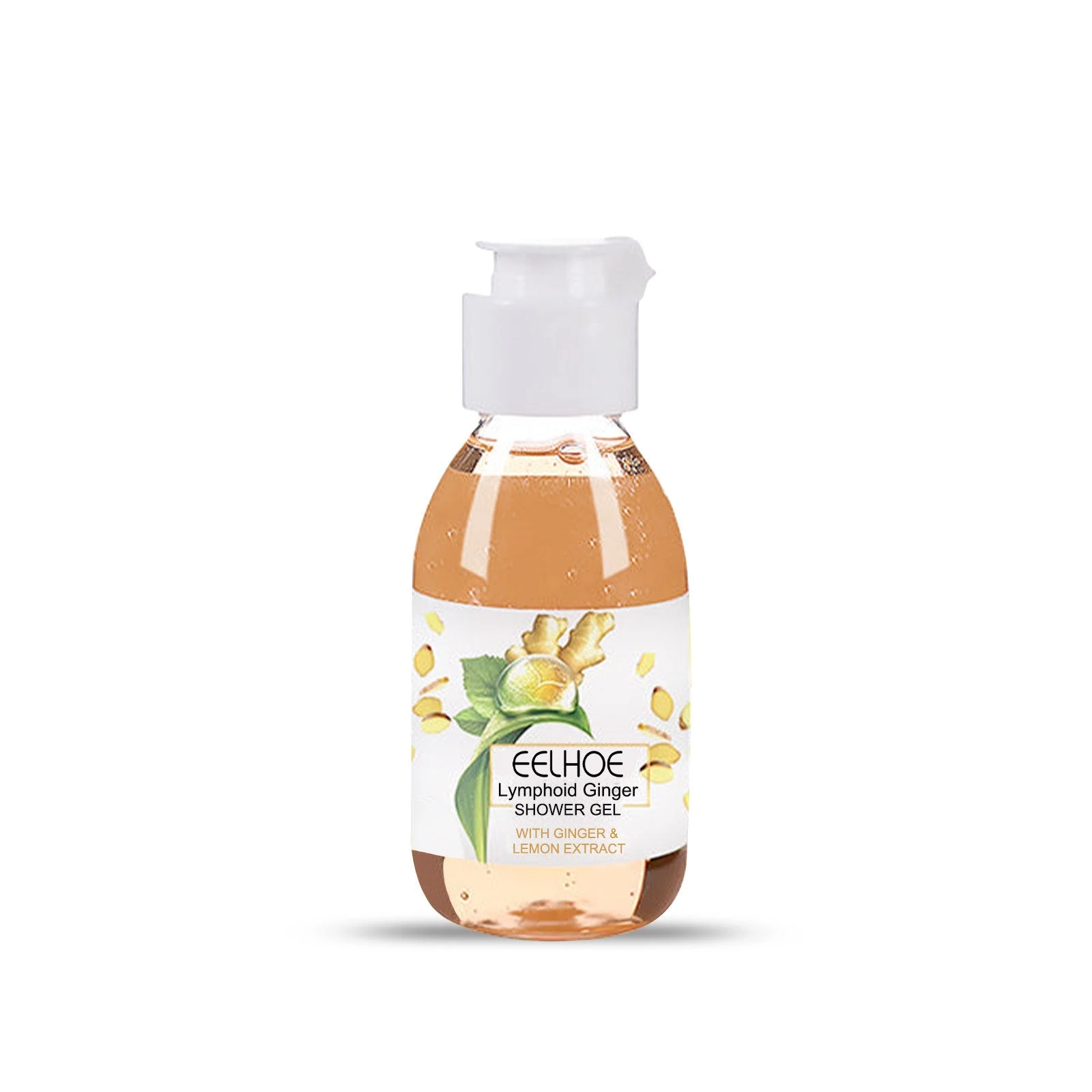
Read the directions on the bottle you receive and stop if it causes discomfort. A longer contact interval is not a reason to make the entire shower hotter or longer. For people dealing with dry skin, the AAD's dry-skin advice favors short, warm showers and gentle cleansing, followed promptly by moisturizer. The brand's product directions and that general advice answer different questions; neither proves this particular wash suits every dry or sensitive skin type.
Choose the liquid wash if dispensing into wet hands is convenient for you and the formula suits your skin. If your real decision is a bar versus a bottle, our bar soap and body wash comparison covers that format choice. Changing the container does not turn cleansing into exfoliation.
How often should you use body scrub?
There is no single body-scrub frequency that fits every skin type, formula and routine. The AAD advises matching the schedule to the exfoliation method and the skin, with more aggressive exfoliation generally requiring less frequent use. The featured jar's illustrated directions establish a brief application method, not a universal daily schedule.
Look at what else already exfoliates your skin. A rough washcloth, a brush, a grain scrub and an exfoliating lotion can add up even when each product seems ordinary on its own. You do not need to use all of them together. Keeping one optional exfoliating method makes it easier to notice how your skin responds.
If the same area feels stinging, tender or unusually tight after showering, pause the scrub and review the routine. If skin is comfortable and cleansing alone leaves it smooth enough, there is no missed benefit you must recover by adding another product. Buying both items should follow two actual needs.
When should you skip exfoliation?
Skip a body scrub on open cuts, wounds or sunburned skin. The AAD specifically advises against exfoliating those areas. Dry, sensitive or acne-prone skin may also find mechanical exfoliation too irritating. If you use retinoids, retinol or benzoyl peroxide, consider their effects on skin tolerance before adding a scrub.
Immediately after shaving, let the condition of the skin guide you rather than forcing exfoliation into the same session. A scraped or irritated patch needs recovery, not an extra grain-based step. Persistent itching, a spreading rash or a painful area is a reason to seek appropriate care instead of experimenting with firmer pressure.
Decide what belongs in your next shower
Choosing a shower accessory? Compare washcloths and loofahs for hygiene and gentle use; a tool is not required for every wash.
Start with the task you can identify: cleansing, optional exfoliation or moisture care. Choose the body wash for sweat and surface residue. Consider the scrub only when suitable skin needs an occasional texture-focused step. After rinsing, use your usual moisturizer where needed rather than expecting a wash or scrub to do every job.
Before choosing either product, open its details and check the current ingredients, intended area and exact method. A comfortable, manageable routine is a more useful goal than accumulating the maximum number of shower steps.
Sources and product information
Product facts and images were checked October 18, 2026. AAD guidance supports the general exfoliation and dry-skin advice; it does not endorse these EELHOE products. This guide describes cosmetic cleansing and surface care, without claiming a clinical comparison or a guaranteed change in pigmentation or a skin condition.