
To use body scrub, wet the intended area with lukewarm water, massage the directed amount with light pressure, rinse thoroughly and moisturize. Follow the specific product’s timing: the AAD gives about 30 seconds as general gentle-scrub guidance, while the 50g shea-butter scrub below illustrates 15–20 seconds. Scrubbing should not hurt, scratch or burn.
That simple sequence matters more than scrubbing harder. Body scrubs are a form of mechanical exfoliation: the particles and the motion help remove cells from the outer surface of the skin. They can make rough areas feel smoother, but overuse can turn a useful occasional step into irritation.
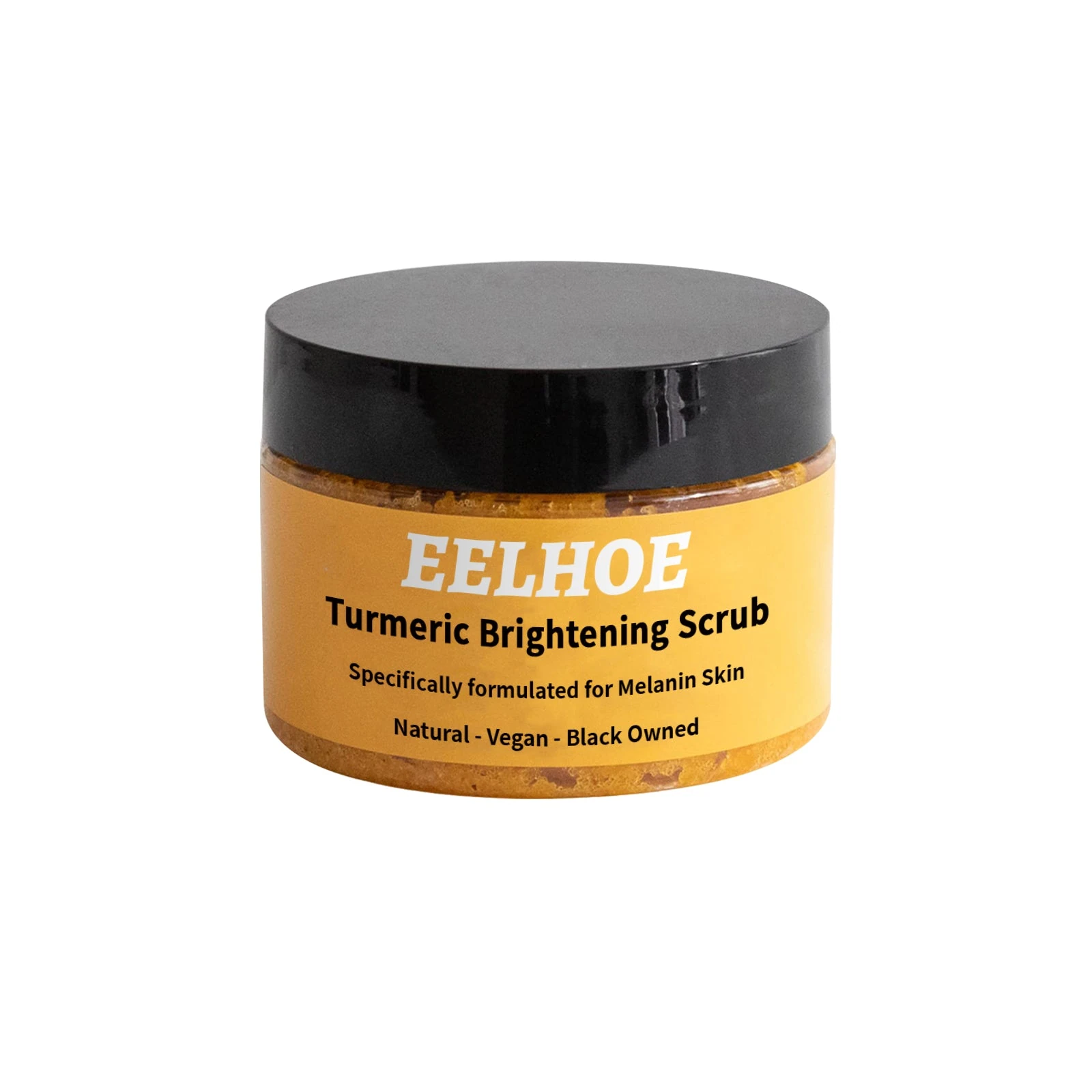
Product information checked October 1, 2026. If you prefer a clearly identified salt texture for body exfoliation, review Turmeric Sea Salt Body Scrub, 100g.
Body scrub steps, from shower to moisturizer
1. Check the area before you start
Skip exfoliation on cuts, cracked skin, a rash, active eczema, sunburn, or a recently irritated area. Do the same if shaving or another product has left the skin sore. The American Academy of Dermatology specifically advises against exfoliating sunburned or wounded skin.
If the scrub is new to you, patch test a small body area according to the package directions. This is especially useful with fragranced products or formulas containing botanicals and oils.
2. Wet the skin with lukewarm water
Warm water softens surface material and helps a scrub spread. Hot water is not necessary and may leave the skin feeling drier. You can cleanse first if there is sunscreen, sweat, or visible soil to remove. Rinse away most of the cleanser before applying the scrub so you can control the texture.
3. Start with a small amount
Use enough to create a thin, movable layer over the target area. More product does not improve the result if it simply falls into the shower. With a jar, use clean, dry fingers or a clean scoop and avoid letting shower water collect inside the container.
4. Massage lightly for the product-directed time
Use small circles and keep your hand moving. Elbows, knees, lower legs, and heels can tolerate different pressure, so do not treat the entire body the same way. Let the particles provide the exfoliation. Your fingertips are enough; combining a grainy scrub with a rough mitt or stiff brush multiplies the friction.
5. Rinse completely
Use lukewarm water and make sure no grains remain in skin folds or around the ankles. Take care in the shower because oil-containing formulas can make the floor slippery. If the product leaves a light conditioning film and the label describes that as normal, you do not need to chase a squeaky finish.
6. Pat dry and moisturize
Do not rub vigorously with a towel after exfoliating. Pat away excess water, then use a moisturizer that you already tolerate. The AAD recommends moisturizing immediately after exfoliation because the process can be drying.
How much pressure and how often?
The ideal pressure is light enough that the skin remains comfortable during and after rinsing. Redness that keeps increasing, stinging under plain moisturizer, or tenderness the next day means the session was too aggressive.
Frequency depends on particle size, formula, skin type, and the rest of your routine. Follow the package first. The salt scrub below illustrates 1–2 uses weekly, but that schedule should not be assigned to a different scrub. Use less or stop if irritation develops. Stronger exfoliation generally needs more recovery time, not more repetition.
Swipe the table sideways to compare all columns.
| Skin or situation | Use a scrub? | Practical adjustment |
|---|---|---|
| Comfortable skin with rough elbows or knees | Usually reasonable if the label allows | Use a small amount, light circles, and moisturize afterward. |
| Dry or sensitive-feeling skin | Use less often or choose a gentler method | Patch test, shorten contact, and stop if moisturizer stings. |
| Sunburn, cuts, rash, or active irritation | No | Let the skin recover; seek medical advice when needed. |
| Immediately after shaving or waxing | Usually postpone | Wait until the area is calm rather than adding friction to fresh irritation. |
| Using a leave-on exfoliating acid | Avoid stacking without professional guidance | Alternate days or choose one exfoliating method. |
Where to use body scrub, and where not to
Body scrub makes the most sense on intact body skin that feels rough or looks flaky. Common targets include elbows, knees, arms, legs, and feet, provided the product label permits those areas. A foot product may be coarser than a general body scrub, so do not assume every formula is interchangeable.
Do not use a coarse body scrub on the face. Facial skin and the eye area need products labeled for them. Avoid intimate areas, freshly broken blisters, inflamed ingrown hairs, and any place where the label says not to apply the product.
If you want to compare physical exfoliators by format and intended area, the turmeric scrubs and exfoliators collection separates body scrubs, facial scrubs, pads, and textured soap. That distinction is more useful than choosing by one featured ingredient.
Should you scrub before or after shaving?
A gentle exfoliation session before shaving may help remove loose surface flakes, but doing both back to back can also increase friction. If you are prone to irritation, separate the steps by a day. Do not scrub immediately after shaving or waxing, when the skin may have tiny abrasions and increased sensitivity.
A body scrub is not a treatment for infected or deeply inflamed ingrown hairs. Pain, warmth, pus, spreading redness, or recurrent lesions are reasons to stop experimenting and speak with a clinician.
Compare Body Scrubs by Formula and Directions
Compare the 100g salt scrub with the 50g shea-butter scrub; their formula highlights and massage directions differ. GinGrowth sells the two products below.
Swipe the table sideways to compare all columns.
| Detail | Turmeric Sea Salt Body Scrub, 100g | Turmeric Shea Butter Scrub, 50g |
|---|---|---|
| Format | Rinse-off salt body scrub in a jar | Rinse-off scrub labeled for face and body |
| Ingredient highlights | Turmeric extract, sea salt, jojoba seed oil, grape seed oil, sweet almond oil and vitamin E in the artwork. | Turmeric root powder, water, vitamin E and shea butter in the highlighted panel; the abrasive base is not identified there. |
| Application | Apply to wet body skin, massage with light pressure, rinse thoroughly and moisturize. The artwork suggests 1–2 times weekly; follow the pack and skin comfort. | Apply to wet skin, massage gently in circles for the pictured 15–20 seconds, then rinse. Follow the current jar. |
| Reason to compare | Choose when you specifically want the salt-based body-exfoliation format. | Choose the smaller shea-butter format when its ingredients and directions suit you. |
View Turmeric Sea Salt Body Scrub, 100g or compare Turmeric Shea Butter Scrub, 50g. Review the current product page for price and package details.
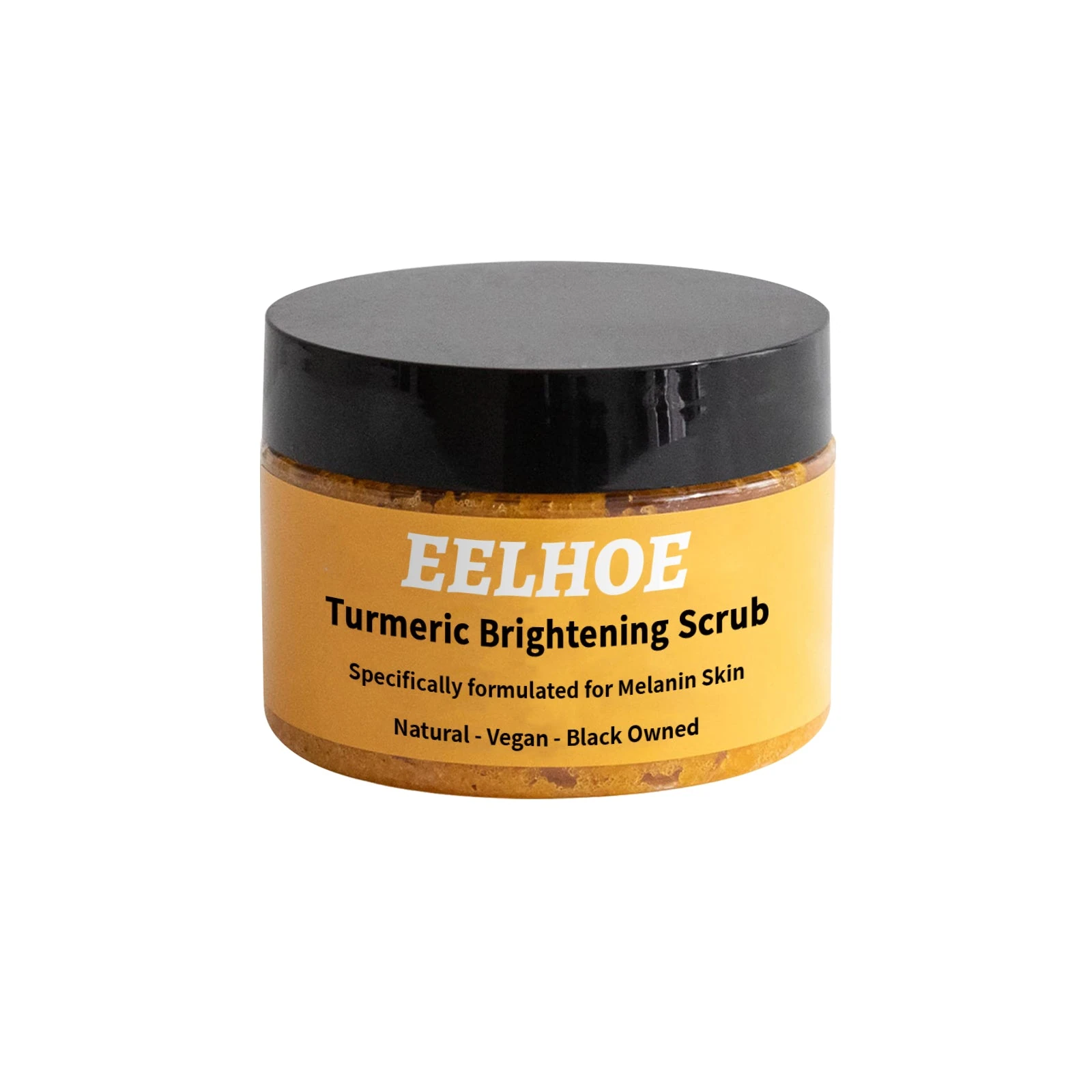
The salt base is explicitly named. Some supplier artwork mentions facial areas, but the product page focuses on gentle body use; it does not establish that facial or freshly shaved skin will tolerate the formula. Check the complete label for botanical or nut sensitivities. Scrubbing harder does not establish a faster change in skin tone, and the promotional comparison panels are not a verified pigment-removal timetable.

Shea butter does not make this a leave-on body butter. The picture identifies a scrub routine, and the product should be rinsed. Salt, sugar and walnut shell are not named in its displayed ingredient highlights, so the grainy texture does not justify assigning any of those ingredients to it. Facial suitability should be judged from the exact label and your tolerance, not assumed from another scrub in the range.
How to choose a body scrub
Preparing for cosmetic tanning? Read how to exfoliate before self tanning and check the tanner’s timing and residue requirements before choosing a scrub.
If you are choosing the grain-based formula before deciding how to use it, our sugar scrub versus salt scrub comparison separates the grain, oil blend and product-specific directions.
Compare the actual exfoliating ingredient and rinse instructions. The 100g sea-salt product explicitly names salt, while the 100g sugar scrub names sugar, sweet almond oil, jojoba oil, turmeric and cocoa. The smaller 50g shea-butter product highlights turmeric root powder, water, vitamin E and shea butter; its displayed panel does not identify salt or sugar. Do not infer its abrasive base from a texture photograph.
The sugar scrub has inconsistent supplier artwork referring to face cream and absorption. That is not a reason to leave gritty body scrub on the face. Use the current jar’s directions and rinse the particles away. Its frequency and contact time should not be copied from the salt product.
Choose the salt scrub when that named texture is your preference; compare the smaller shea-butter scrub when its ingredients and short massage routine appeal. Neither is a leave-on body butter or an established treatment for acne or pigmentation. Check full labels for sensitivities, including almond oil in the salt and sugar products.
Seven mistakes to avoid
- Scrubbing dry skin aggressively. Unless the label specifically says otherwise, wet skin provides a more controlled surface.
- Using a large handful. Start small and add only enough for even coverage.
- Pressing until the skin turns bright red. Redness is not proof that dead skin has been removed.
- Using a scrub, exfoliating glove, and acid lotion together. Layered exfoliation makes it difficult to control irritation.
- Applying to the face. “Body” on the label is an important boundary.
- Skipping moisturizer. Exfoliated skin may feel dry once shower water evaporates.
- Ignoring a slippery tub. Rinse the shower floor after using an oil-based scrub.
A simple body-scrub routine
Keep the session short: cleanse, rinse, scrub one or two suitable areas, rinse again, and moisturize. On other days, use normal gentle body cleansing without exfoliation. This lets you notice whether the scrub is actually improving comfort or simply creating a cycle of roughness and repeated rubbing.
If the skin stays red, itchy, cracked, or painful despite stopping the scrub, talk with a dermatologist. Persistent rough patches can have causes that a cosmetic exfoliator will not address.
Frequently asked questions
Do I use body scrub before or after body wash?
Either order can work, but cleansing first is practical when you need to remove sunscreen, sweat, or soil. Rinse the cleanser, use the scrub briefly, rinse again, and moisturize. Avoid repeating several cleansing steps just to feel extra clean.
How long should I leave body scrub on?
Most physical scrubs are massage-and-rinse products, not masks. Unless the package gives a contact time, there is no benefit to leaving the particles sitting on the skin.
Can I use body scrub every day?
Daily use is too frequent for many physical scrubs. Follow the label and start conservatively. Irritation, tenderness, or stinging after the shower means you should stop and allow recovery.
Can body scrub help with strawberry legs?
A scrub may temporarily smooth loose surface flakes, but “strawberry legs” can describe several different issues. Aggressive rubbing may worsen irritation. Use gentle care and seek dermatologic advice if bumps are painful, inflamed, or persistent.
Should I use scrub on wet or dry skin?
Use it on wet skin unless the product directions explicitly say otherwise. Water helps the product spread and reduces uncontrolled friction.
Can I use body scrub while pregnant?
Pregnancy changes skin sensitivity, and suitability depends on the complete formula, not just the particles. Review the ingredient list with your prenatal clinician if you are unsure.
Source
Choose your scrub by the actual exfoliating base, ingredient sensitivities and rinse directions.
Sources and Product Information
- AAD: How to safely exfoliate at home — Official guidance accessed October 1, 2026; applies to the stated topic, not a trial of GinGrowth products.
GinGrowth product details were checked October 1, 2026. This guide compares published information and current product specifications; it does not report a GinGrowth clinical trial or personal use test.