
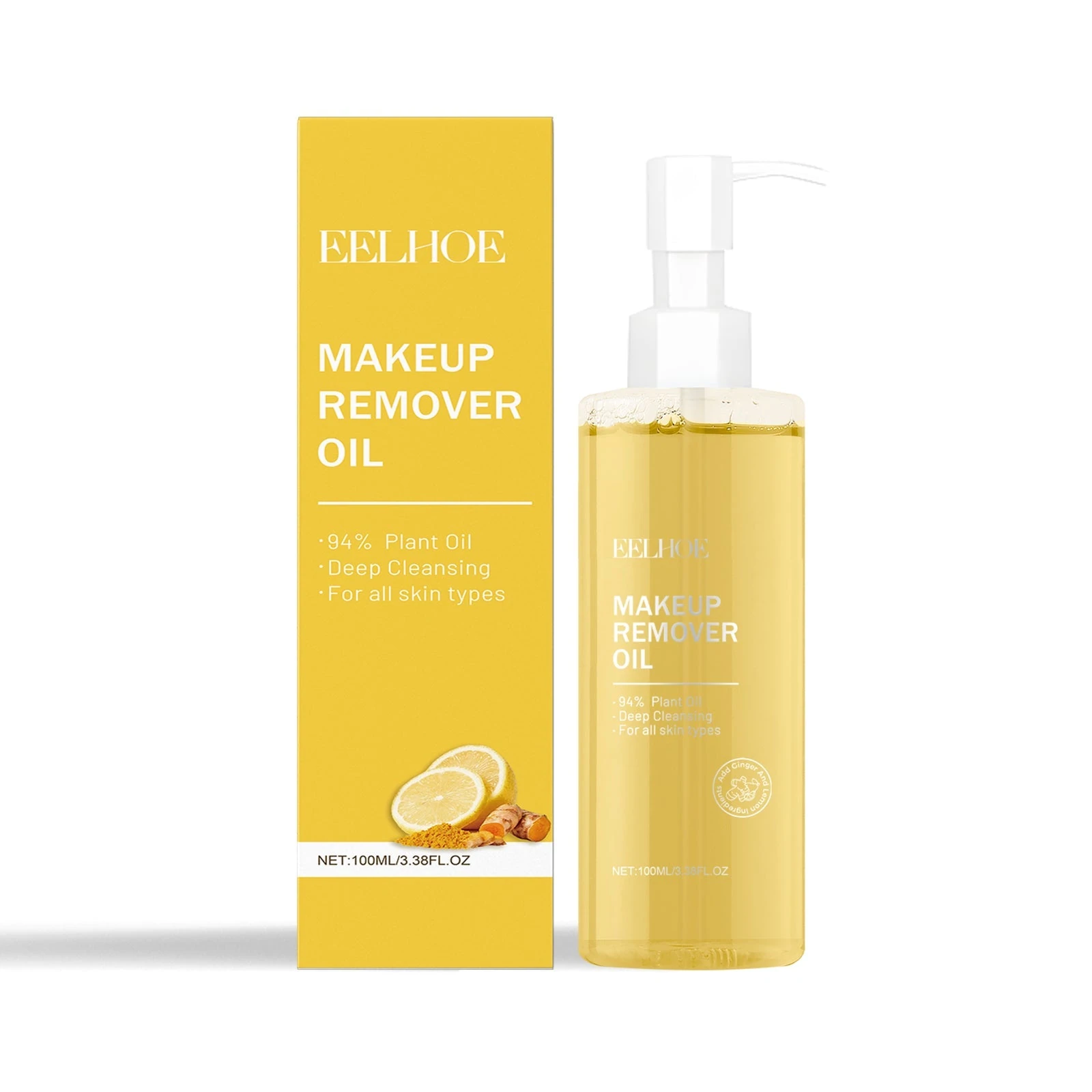
Cleansing oil can be useful for oily skin when the job is removing makeup or water-resistant sunscreen, but it is not necessary for everyone and it is not an acne treatment. The best candidate is a rinse-off formula that emulsifies with water and leaves no uncomfortable film. Use a small amount, massage briefly, rinse completely, and follow with a mild cleanser only when residue remains or the product directions call for a second cleanse.
This answer needs some nuance. The American Academy of Dermatology’s oily-skin guidance favors gentle foaming cleansers and oil-free, noncomedogenic products. That is a reasonable default, especially for acne-prone skin. An oil cleanser earns its place when it solves a specific removal problem without causing irritation or persistent residue.
Product information checked October 1, 2026. For a fluid first cleanser to remove makeup and daily residue, review EELHOE Facial Cleansing Oil.
Why oily skin may still need a first cleanse
Skin oil and cleansing oil are not interchangeable. Sebum is produced by your skin. A cleansing oil is a formulated, temporary product used to loosen materials that resist water, such as long-wear makeup and some sunscreens. It should be removed rather than left on as a treatment.
A small study of 20 participants compared water, a foaming cleanser, and a cleansing oil for sunscreen removal. In that specific study, the oil cleanser left less residue from waterproof sunscreen. The authors said more research was needed, and the result does not show that every oil cleanser suits every person with oily skin. It does support a narrow use case: some oil-based first cleansers can help remove tenacious sunscreen. You can read the study abstract on PubMed.
If you wear no makeup and use a sunscreen that comes off easily with your regular gentle cleanser, adding a cleansing oil may offer little benefit. More steps are not automatically better.
How cleansing oil differs from other cleansers
Swipe the table sideways to compare all columns.
| Format | Main job | Possible advantage | Watch for |
|---|---|---|---|
| Cleansing oil | First cleanse for makeup and resistant sunscreen | Massage slip with less need for rubbing | Incomplete emulsification, fragrance, or a persistent film |
| Cleansing balm | Similar first-cleanse role in a solid or semi-solid base | Travel-friendly texture and controlled scooping | Jar hygiene and richer residue |
| Micellar water | Light makeup removal with a cotton pad | Convenient for targeted areas | Repeated wiping and whether the formula should be rinsed |
| Gentle foaming cleanser | Daily water-based cleansing | Often a straightforward default for oily skin | Over-cleansing, harsh surfactants, or a tight after-feel |
How to choose a cleansing oil for oily skin
Look for clear rinse-off directions
A cleansing oil should explain how much to use, whether to begin on dry skin, when to add water, and how to rinse. Many formulas turn milky when water is added; this is emulsification, which helps the oil and loosened residue wash away. Do not assume every oil works this way. Follow the label.
Judge the complete formula, not one botanical
Terms such as ginger, lemon, turmeric, or plant oil do not predict whether a cleanser will clog pores or irritate you. Fragrance, surfactants, emulsifiers, and the whole oil blend matter. Check the package for the current ingredient list if you have known sensitivities.
Prefer a pump or controlled dispenser
A pump helps prevent accidental overdosing. Starting with less product makes complete rinsing easier. It also keeps wet fingers out of the bottle.
Do not rely on “oil dissolves oil” as the entire argument
The phrase is catchy but incomplete. A cleanser must loosen the material you want to remove and then leave the skin when rinsed. A formula that spreads well but remains as an uncomfortable film has not finished the job for you.
Step-by-step: how to use cleansing oil on oily skin
- Read the label. Confirm whether the product is intended for dry hands and a dry face or for damp skin.
- Dispense a small amount. Use the amount in the brand’s directions; pump sizes differ.
- Massage briefly and gently. Spread the oil over makeup and sunscreen without pressing or scrubbing. Keep it out of the eyes unless the label says it is suitable for eye makeup.
- Add water as directed. If the formula emulsifies, wet your fingertips and continue for a few seconds until the texture becomes milky.
- Rinse thoroughly with lukewarm water. Pay attention around the nose, jawline, and hairline.
- Decide whether you need a second cleanse. Use a mild water-based cleanser if the label instructs you to, if makeup remains, or if the skin feels coated. Skip unnecessary repetition when the skin is already clean and comfortable.
- Pat dry and continue your routine. Use noncomedogenic leave-on products if you are prone to clogged pores, and wear sunscreen during the day.
Compare Oil and Balm First Cleansers
The cleansing oil offers a fluid format; the balm has a separate dry-face application and emulsifying guide. GinGrowth sells the two products below.
Swipe the table sideways to compare all columns.
| Detail | EELHOE Facial Cleansing Oil | EELHOE Makeup Remover Balm |
|---|---|---|
| Format | Fluid rinse-off first cleanser | Scoopable cleansing balm for massage, emulsifying and rinsing |
| Ingredient highlights | Cocamidopropyl betaine and kojic acid are named highlights; check the current bottle for the complete list. | Turmeric root extract, lemon peel oil, cocamidopropyl betaine, kojic acid and Chrysanthemum indicum extract are current ingredient highlights; consult the package for the full formula. |
| Application | Dispense a small amount into the palm, massage gently over the face and rinse thoroughly with plenty of water. Follow the bottle directions and avoid direct eye contact. | Apply to a dry face, massage gently, add a little warm water to emulsify and rinse thoroughly. Avoid direct eye contact. |
| Reason to compare | Choose for an oil-format massage-and-rinse makeup or sunscreen removal step. | Choose when you prefer a scoopable balm texture for makeup removal. |
View EELHOE Facial Cleansing Oil or compare EELHOE Makeup Remover Balm. Review the current product page for price and package details.
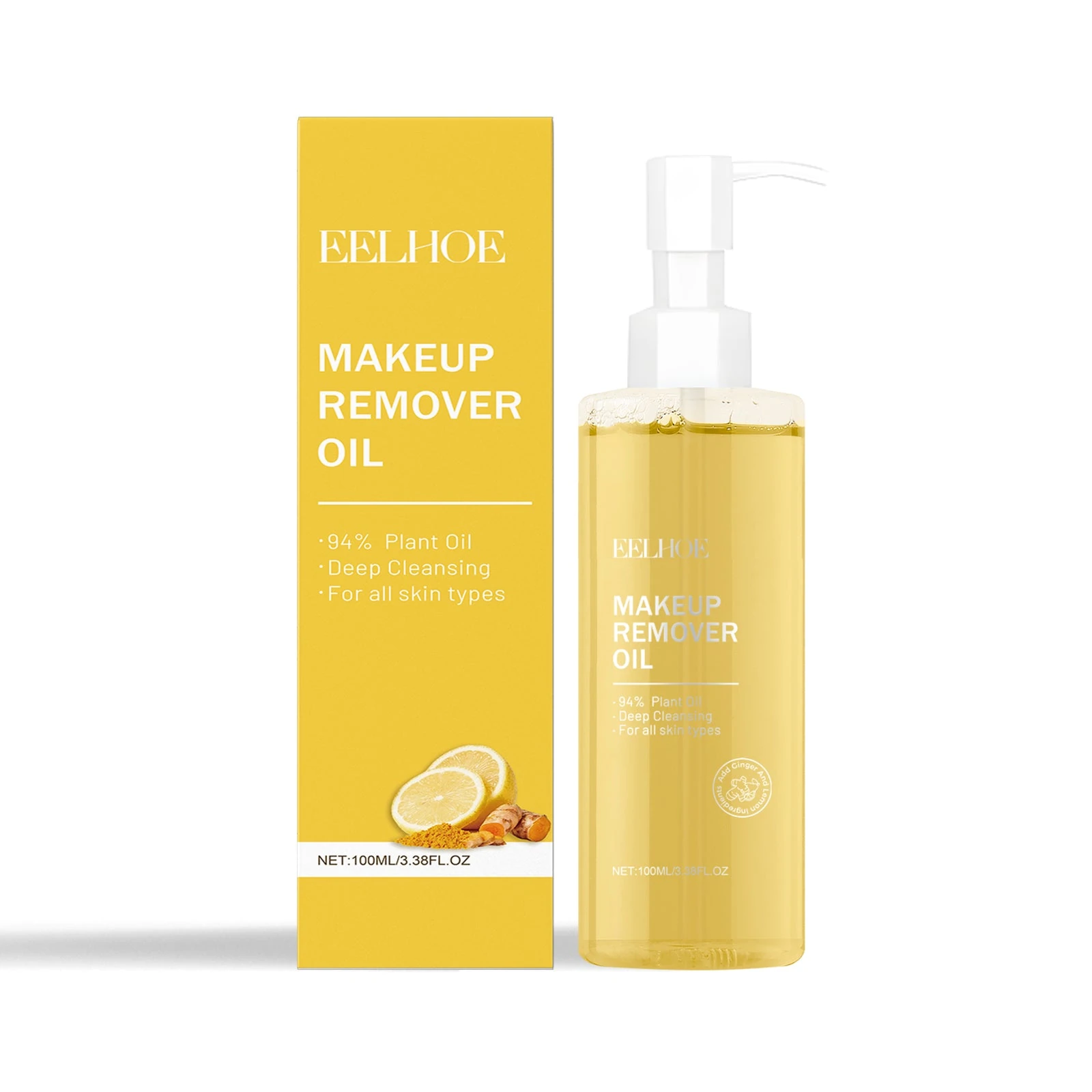
This cleansing oil is removed with rinsing; it is different from a leave-on facial oil. Its highlighted ingredients are not a percentage breakdown or proof of acne treatment, non-comedogenicity or universal waterproof-makeup removal. Choose a second cleanser only when your routine needs one. The useful comparison is the residue actually removed and how comfortable your skin feels afterward.
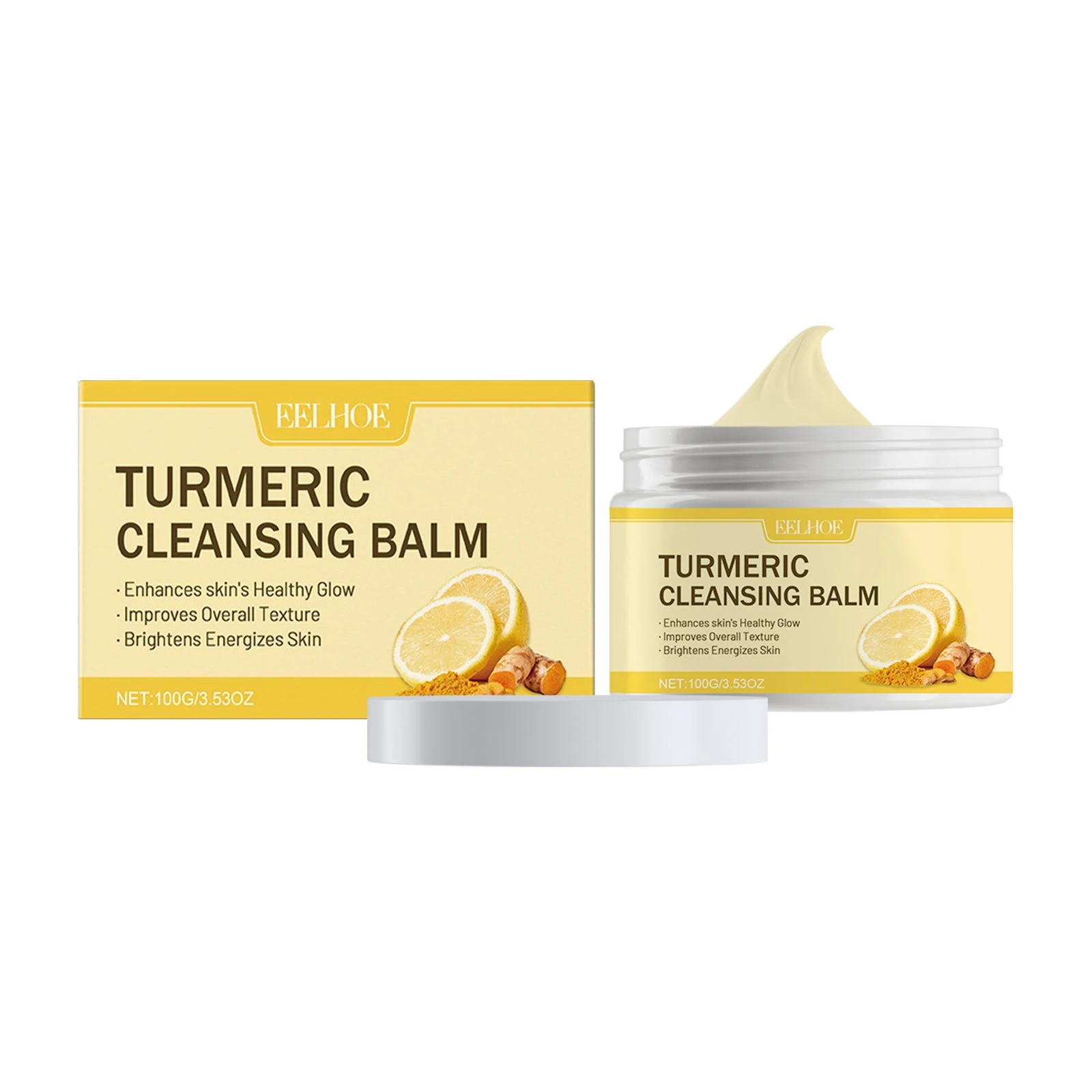
The balm is a cleansing product, not a moisturizer to leave on overnight. Its dry-face preparation is stated in the product guide; do not transfer that instruction to a different jelly cleanser whose starting skin condition is unclear. If resistant makeup remains, use an appropriate remover rather than increasing friction around the eyes. Compare the actual package and seller details when deciding which format to purchase.
For a fuller comparison of handling, application and rinsing, read cleansing balm versus cleansing oil. The examples in that guide use the current 100g balm and 100ml pump oil listings, checked October 14, 2026.
Do you have to double cleanse?
Removing a resistant sunscreen layer? See how to remove sunscreen gently.
No. Double cleansing means using an oil-based or balm first cleanser followed by a water-based cleanser. It is a method, not a daily requirement. It makes the most sense after heavier makeup or a resistant sunscreen when one gentle cleanse leaves residue.
Oily skin can still become irritated by washing too often. The AAD advises washing the face up to twice daily and after sweating, using gentle products and avoiding scrubbing. If double cleansing makes your face tight, red, or stingy, reduce frequency, use less product, or return to one gentle cleanser.
How to tell whether cleansing oil is working for you
Evaluate it over more than one night. A suitable cleanser should remove the intended makeup or sunscreen without requiring hard rubbing. After rinsing, the skin should feel comfortable rather than waxy, itchy, or stripped.
- Good signs: makeup lifts with less friction, sunscreen residue is gone, rinsing is straightforward, and your usual moisturizer does not sting.
- Reasons to adjust: film around the hairline, blurred vision from eye-area use, tightness after double cleansing, or needing a large amount each time.
- Reasons to stop: persistent itching, burning, swelling, a rash, or a consistent increase in inflamed breakouts after introducing the product.
A few isolated blemishes cannot prove that a cleanser caused acne, but a repeated pattern after product use is worth taking seriously. Stop the new product and simplify the routine. The AAD’s guide to habits that can worsen acne recommends mild, noncomedogenic products, removing makeup before bed, and avoiding scrubbing. Deep, painful, or persistent acne is a reason to see a dermatologist.
Where the GinGrowth cleansing oil fits
GinGrowth’s current cleansing oil is a rinse-off first-cleanse format for makeup, sunscreen and daily residue. Its product information names cocamidopropyl betaine and kojic acid as highlights; these are not a full ingredient declaration or published concentrations. The page does not establish non-comedogenic testing or removal of every waterproof cosmetic.
The makeup remover balm is a scoopable texture with turmeric root extract, lemon peel oil, cocamidopropyl betaine, kojic acid and Chrysanthemum indicum extract among its current ingredient highlights. Its guide specifies application to a dry face, gentle massage, adding water to emulsify and rinsing. Choose by texture and removal needs rather than treating one as an acne treatment.
A jelly cleanser is a third format: the current 100ml turmeric gel lists water, glycerin, PEG-6 caprylic/capric glycerides and disodium cocoamphodiacetate, among other ingredients. Its illustration does not clearly establish dry-versus-wet starting skin. Follow its bottle rather than borrowing the balm’s directions.
Common cleansing-oil mistakes
- Using too much. Excess product takes longer to emulsify and rinse.
- Massaging for several minutes. More friction and contact time can irritate without improving removal.
- Skipping the emulsifying step. When the label calls for water before the final rinse, that step helps remove the oil.
- Using very hot water. Lukewarm water is sufficient and usually more comfortable.
- Double cleansing automatically. Let the amount of makeup, sunscreen, and remaining residue decide.
- Expecting oil cleansing to control acne. Cleansing supports a routine, but it does not replace evidence-based acne treatment.
- Changing several products at once. Introduce one new cleanser so you can judge its effect.
If you are considering a separate rinse-off mask after cleansing, choosing and using a turmeric face mask explains its different purpose and how to avoid overdoing the routine.
A practical decision checklist
A cleansing oil may be worth trying if you regularly wear long-wear makeup or water-resistant sunscreen, dislike repeated wiping, and are willing to rinse carefully. A gentle foaming cleanser may be the better first choice if you wear little makeup, already remove sunscreen comfortably, or have active acne that worsens with richer products.
Whichever route you choose, the target is clean, calm skin. Neither a squeaky finish nor an oily film is required. Use the fewest steps that reliably remove what is on your face.
Frequently asked questions
Will cleansing oil make oily skin oilier?
A well-rinsed cleanser is not supposed to remain as facial oil, but formulas differ. If the skin feels coated or becomes consistently more congested, stop using it or choose another removal method.
Can cleansing oil unclog pores?
It can remove oil-soluble makeup and sunscreen from the surface, but rubbing oil plugs out of pores is not a reliable acne treatment. Avoid prolonged massage or squeezing.
Can I use cleansing oil every night?
You can use it on nights when it serves a clear removal purpose and the skin tolerates it. You do not need it on bare-skin days if a single gentle cleanse is enough.
Should oily skin use cleansing oil in the morning?
Usually there is no makeup or sunscreen to remove in the morning. A gentle cleanser, or the routine recommended by your dermatologist, is a simpler choice.
Is cleansing oil good for acne-prone skin?
Some people tolerate it and others do not. Choose a rinse-off formula, avoid scrubbing, and follow with an appropriate gentle cleanser if needed. Do not use cleansing oil as acne treatment.
Can I use cleansing oil around my eyes?
Only if the product specifically allows eye-area use. Keep eyes closed, use minimal pressure, and rinse immediately if the product enters the eye or causes discomfort.
Sources
- American Academy of Dermatology: How to control oily skin
- guide to habits that can worsen acne
- PubMed: The optimal cleansing method for the removal of sunscreen
Choose a first cleanser by the makeup you remove and the texture you prefer.
Sources and Product Information
- AAD: How to control oily skin — Accessed October 1, 2026.
- Sunscreen removal study: water, cleanser or cleansing oil — Indexed abstract verified through NCBI’s public API October 1, 2026; original study scope applies.
- AAD: Skin-care habits that can worsen acne — Accessed October 1, 2026.
GinGrowth product details were checked October 1, 2026. This guide compares published information and current product specifications; it does not report a GinGrowth clinical trial or personal use test.