
Micellar water is a water-based cleansing format commonly used with a pad to lift residue, while cleansing oil is an oil-based format usually massaged over the face and rinsed away according to its directions. Choose between them by what you need to remove, whether you can rinse, how your skin tolerates the method and the exact product label. Neither category guarantees complete removal of every sunscreen or waterproof makeup formula.
A useful comparison includes the application method as well as the liquid in the bottle. Repeated pad wiping and repeated massage can both become uncomfortable. This guide helps you choose one appropriate removal step before deciding whether a second cleanse is needed. GinGrowth sells the facial cleansing oil featured here; we do not present an unlisted micellar water as one of our products or claim a head-to-head test of our oil.
What is the practical difference?
Micellar water contains cleansing surfactants in a predominantly water-based format. Its use commonly involves moistening a pad and gently passing it over the skin, although the instructions and intended areas vary. “Water” in the name does not mean plain tap water, and “micellar” does not establish that every version is fragrance-free, suitable for eyes or appropriate for everyone.
A formulated cleansing oil is also more than a kitchen oil placed in a skincare bottle. It is designed for a particular cleansing method and finish. Many oil cleansers include ingredients that help the product rinse away, but you should use the method on your actual bottle rather than assuming every oil needs identical dry-face application or a timed emulsifying stage.
Cleveland Clinic’s explanation of double cleansing describes oil-based cleansing followed by a water-based cleanser and discusses micellar water as another makeup-removal option. Its broader point is that most people do not need extra cleansing steps. Match the method to the task rather than turning two useful formats into a compulsory sequence.
On a small screen, swipe or scroll the table sideways to compare all columns.
| Decision | Micellar water | Cleansing oil |
|---|---|---|
| Common format | Water-based liquid used with a pad | Oil-based fluid massaged with fingertips |
| Rinse requirement | Follow the particular label | Featured oil requires thorough rinsing |
| Removal task | Check intended makeup and areas | Check intended makeup and areas |
| Friction to manage | Repeated pad wiping | Prolonged or forceful massage |
| Need for a second step | Depends on remaining task | Not automatically required |
Start with what you wore that day
Light facial residue and a heavily layered combination of water-resistant sunscreen, foundation and long-wear makeup are different tasks. Read the removal guidance on those products. Do not choose an oil or micellar water solely because your skin is described as oily or dry; the film you need to remove still matters.
If a product explicitly supports the makeup you wear and the areas where you apply it, that is more useful than a category-wide promise. A remover intended for the eyes is not interchangeable with a facial cleanser that excludes that area. Equally, the word oil does not prove that a formula can remove all waterproof products with one pass.
Our sunscreen removal guide examines the evidence and the difference between ordinary and water-resistant sunscreen removal. Use it when SPF is the main problem. This comparison focuses on choosing between two cleansing formats, rather than repeating the complete sunscreen-removal routine.
Compare the friction, rinse and finish
With micellar water, use a clean, suitable pad as directed and avoid repeatedly dragging a dry or overloaded pad over the same area. The liquid and the pad work as a method together. A softer pad does not make unlimited rubbing harmless, and visible residue on a pad is not a laboratory measure of everything removed from the face.
With cleansing oil, spread gently with fingertips and rinse thoroughly according to the instructions. Massage should help distribute the cleanser, not become a prolonged facial scrub. If the bottle specifies dry skin, follow that direction; if its method differs, do not substitute an internet routine. Pay attention to the hairline and jaw without pressing harder on sensitive areas.
The AAD’s face-washing guidance recommends gentle cleansing and avoiding scrubbing. Apply that principle to either format. A comfortable finish is the goal; squeaky or tight skin is not proof that the better cleanser won.
A five-step way to choose micellar water or cleansing oil
- Identify sunscreen, makeup and the areas needing removal.
- Check the remover’s intended uses and ingredient information.
- Choose a pad-based or massage-and-rinse method you can use gently.
- Complete the bottle’s method and rinse instructions.
- Assess remaining residue and comfort before adding another cleanser.
Compare one change at a time on similar makeup days. Keep the sunscreen and makeup combination stable when possible, then note visible residue, the amount of rubbing needed and how your skin feels afterward. If you change the remover and all the products you wore at once, the comparison becomes difficult to interpret.
Use the label as the starting method. A personal observation can tell you which routine feels practical, but it cannot establish a measured removal percentage or a universal safety result. Stop a product that causes irritation and seek advice if discomfort persists. Do not continue washing until the face feels stripped simply to obtain a “clean” comparison.
On a small screen, swipe or scroll the table sideways to compare all columns.
| What happens | Review next | Avoid |
|---|---|---|
| Pad needs repeated rubbing | Remover compatibility and pad technique | Pressing harder |
| Oil leaves visible residue | Rinse method and makeup-removal suitability | Indefinite massage |
| Skin feels tight | Amount of cleansing and formula tolerance | Adding more cleansing steps |
| Only eye makeup remains | An intended eye-area remover | Applying a facial-only oil around eyes |
Can you use micellar water after cleansing oil?
It is possible to use both when their directions and a specific removal task justify it, but it is not automatically necessary. First finish the oil’s rinse-off step. Then ask what problem remains. If there is no obvious residue and your routine feels comfortable, a pad-based second removal step may add work and friction without a clear purpose.
If the oil leaves a finish you dislike or you need a second cleanser for your chosen routine, a gentle compatible water-based cleanser may be the more straightforward comparison. Cleveland Clinic warns that overwashing can contribute to dryness and irritation. Two cleansers are not inherently better than one appropriate cleanser used correctly.
Targeted removal can also be a separate decision. For example, use an eye-area product intended for your eye makeup if necessary; do not sweep a facial-only oil around the eyes and then try to correct the mismatch with more wiping. Neither this article nor a category name replaces the intended-use label.
Where our 100ml facial cleansing oil fits
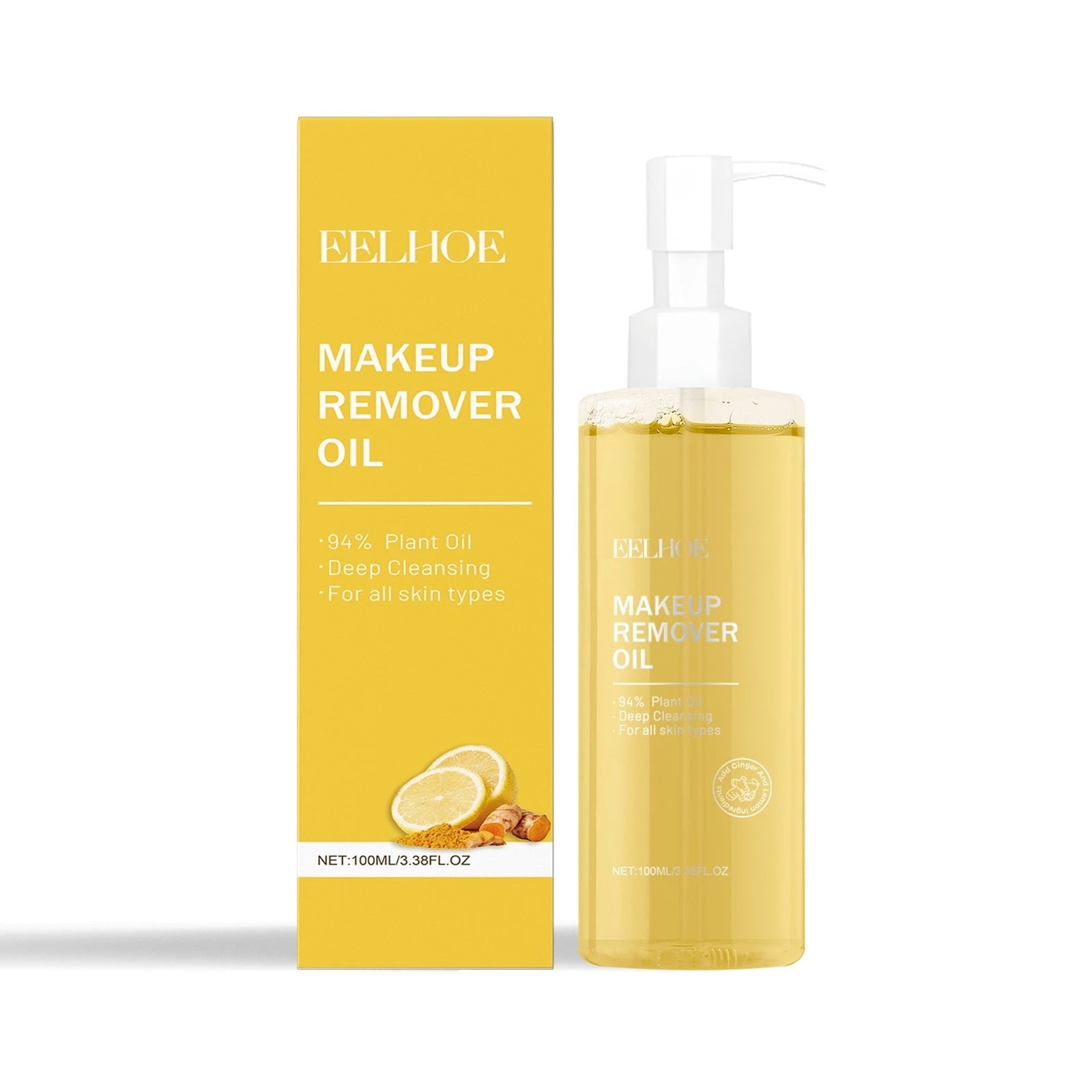
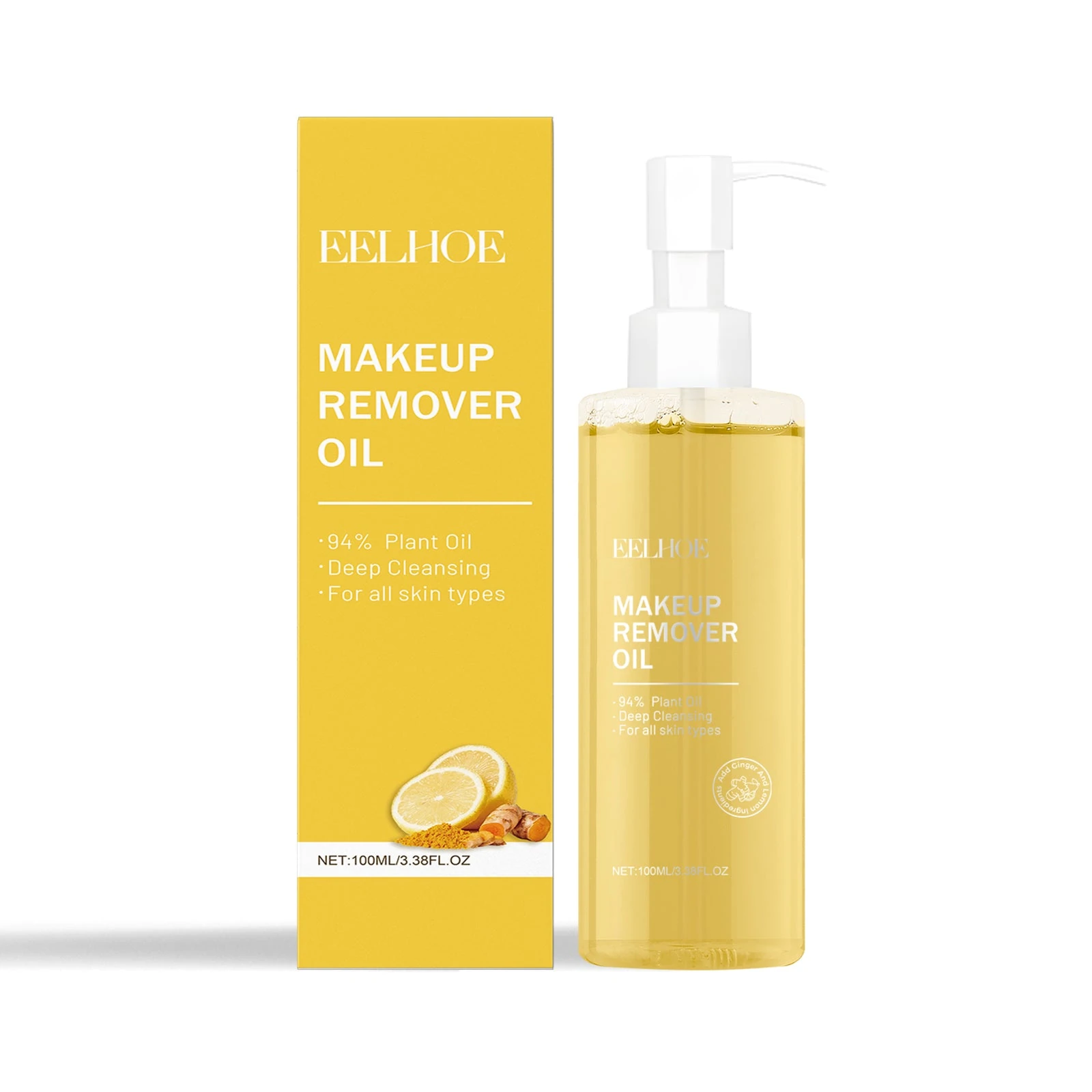
EELHOE facial cleansing oil is a fluid 100ml pump product for facial makeup removal and rinse-off cleansing. The current ingredient highlights are turmeric root oil, lemon peel oil, cocamidopropyl betaine, kojic acid and Chrysanthellum indicum extract. Its retained product URL includes ginger and lemon, but the current product panel is the basis for the formula described here.
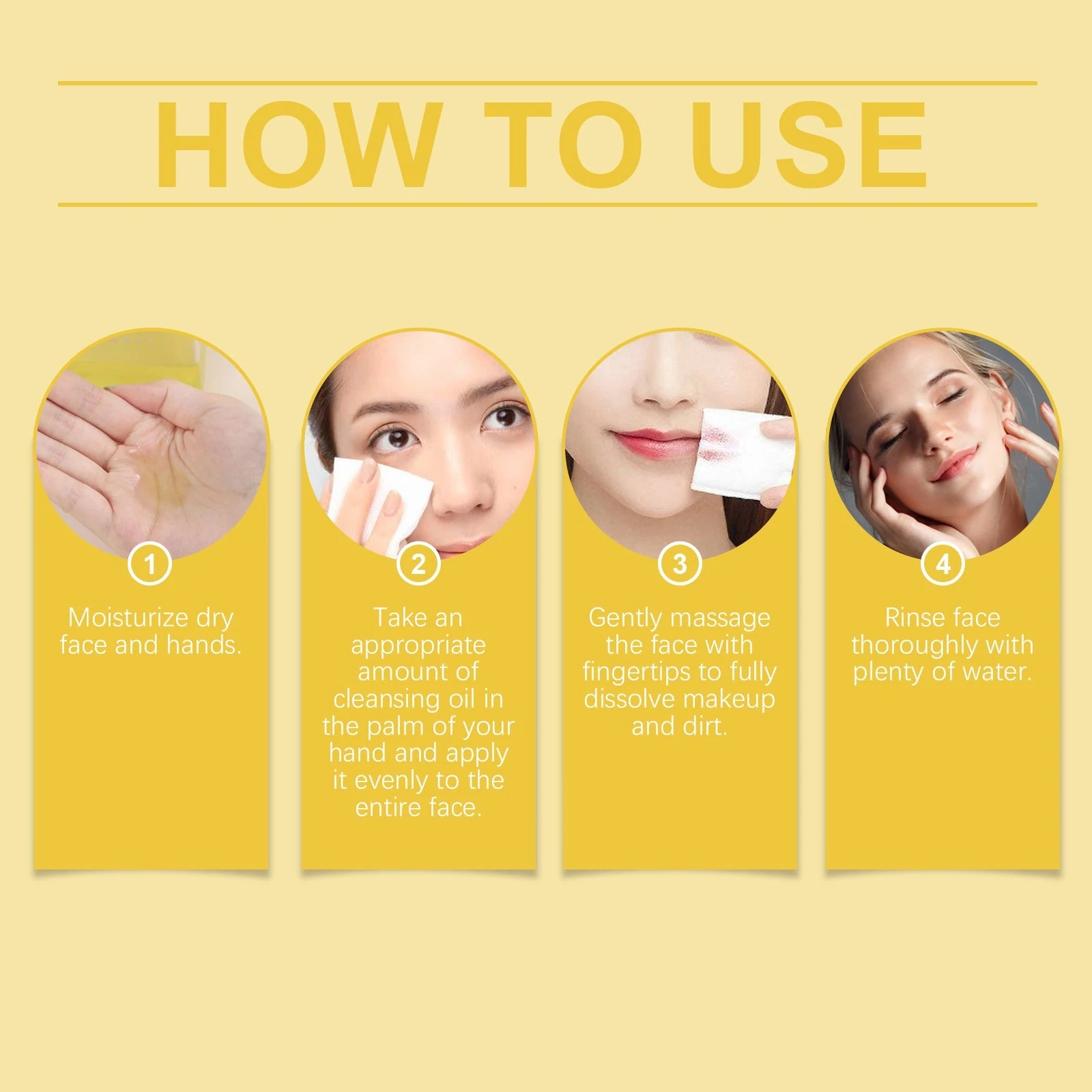
The page instructs you to prepare the face and hands, dispense a small amount into the palm, spread and massage gently, then rinse thoroughly with plenty of water. It does not establish a fixed pump count, an eye-area claim or a universal dry-skin emulsification sequence. It is not a leave-on facial oil, and it should be rinsed before the next leave-on skincare step.
Consider this product when you prefer a fluid pump format and a fingertip massage-and-rinse method. Read the current ingredient list against your known sensitivities and your makeup-removal needs. We have no product-specific trial comparing it with a micellar water, so the decision rests on verified format and directions rather than an invented superiority claim.
If the oil format wins, compare the next detail
Once you have chosen an oil-based first cleanse, texture may still affect your preference. Our cleansing balm versus cleansing oil guide compares a scoopable balm with a fluid oil. It owns that separate comparison; you do not need to combine balm, oil and micellar water to complete one evening cleanse.
A useful purchase decision ends with a routine you can explain: what it removes, how you apply it, whether you rinse and what comes afterward. If those answers remain unclear on a label, clarify them before buying. Adding more products is less helpful than choosing an appropriate method and following it comfortably.
Questions about cleansing oil vs micellar water
Is micellar water always gentler than cleansing oil?
No. The exact formula, skin tolerance and application friction matter. A well-tolerated micellar water used gently differs from repeated pad rubbing, just as a suitable oil used briefly differs from prolonged massage. Compare products and methods rather than the category names alone.
Do I have to rinse micellar water?
Follow the specific product’s instructions. Some are designed for no-rinse use, while other circumstances or formulas may call for rinsing. Do not transfer that instruction to cleansing oil: the featured EELHOE oil explicitly ends with a thorough water rinse.
Which should I choose for waterproof makeup?
Choose a remover explicitly suited to your makeup and intended application area. Neither “micellar” nor “oil” guarantees that every formula handles waterproof layers. Review the makeup’s removal advice and avoid repeated forceful rubbing when the pairing is unsuitable.
Can micellar water after cleansing oil replace a face wash?
It depends on the actual products and routine, not a fixed naming rule. First rinse the oil as directed, then assess whether another step is needed. If a second cleanser is required, choose a compatible method rather than automatically stacking two removal products.