
Yes, lip balm can age and deteriorate. Follow the expiry or after-opening guidance for the exact product, and stop using a balm with an unusual smell, suspicious growth, a major unexplained texture change or irritation. There is no single shelf life that applies to every stick, pot, tinted balm and SPF formula. An unopened package or a balm that still glides smoothly is not proof of unlimited usable life.
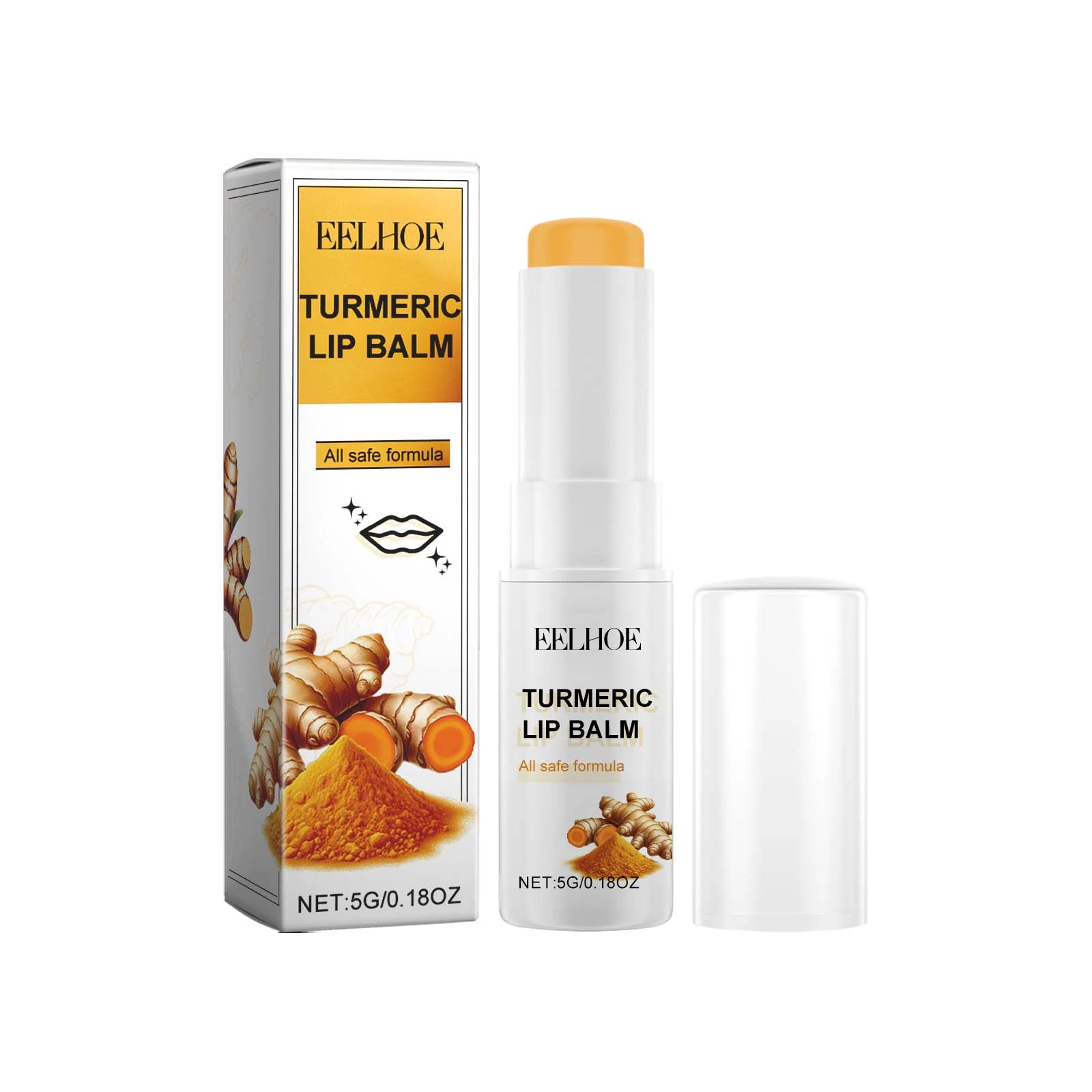
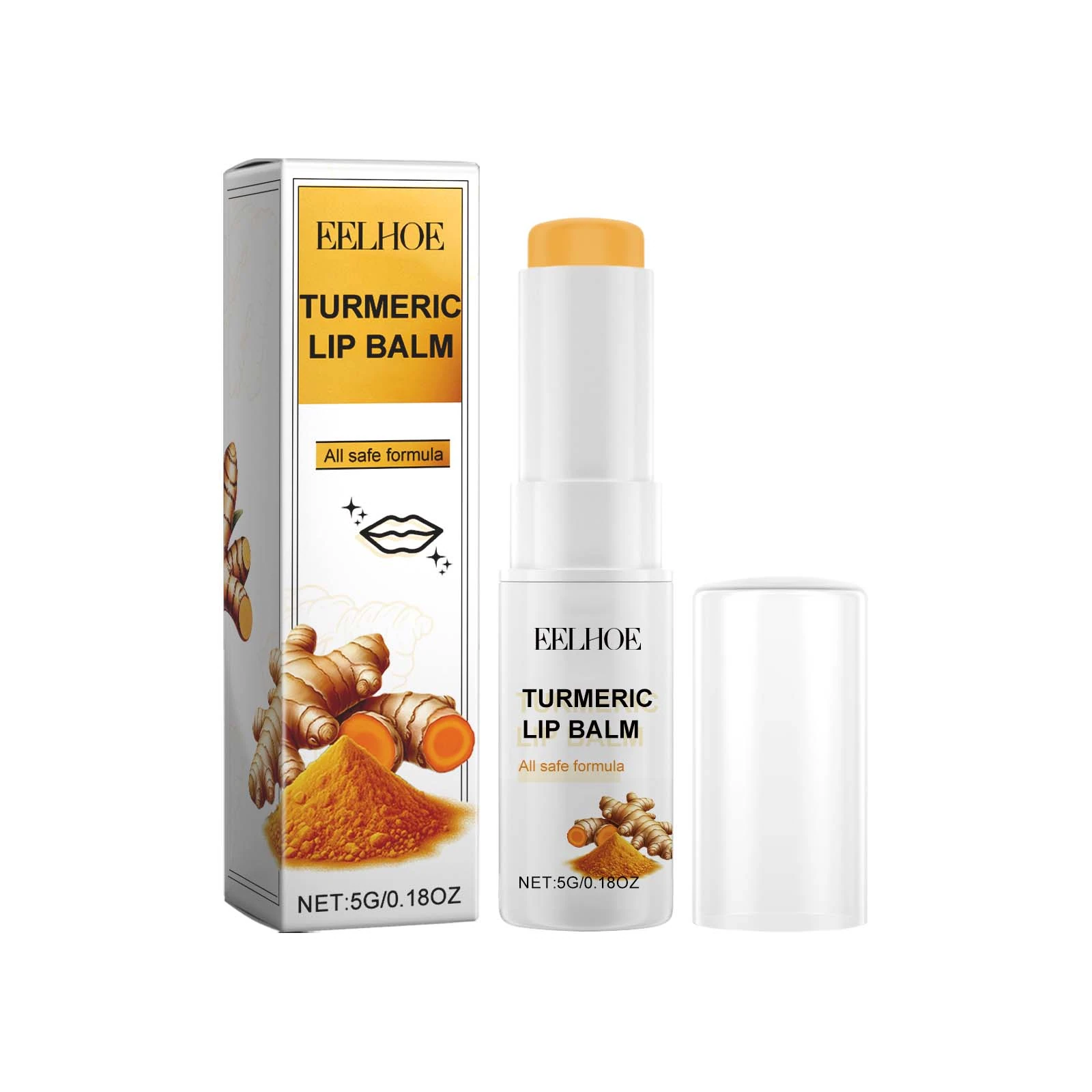
“How long does lip balm last?” can mean time in storage, time after opening, how quickly the stick is used up or how long a layer feels comfortable on the lips. Those are separate questions. This guide helps you check the first two before considering a replacement. GinGrowth sells the 5g turmeric balm featured here; its current online page does not state a verified batch expiry or after-opening period.
Find the date that belongs to your balm
Check the outer carton, the base of the stick, the cap and any folded label before discarding packaging. Keep the words next to a date or code. A manufacturing date tells you when the product was made; an expiry date tells you the maker’s stated deadline. A batch code can help the company identify a production lot, but may not be readable without its explanation.
An open-jar symbol, when applicable, describes a period after opening. A number such as 12M is an example of a twelve-month after-opening instruction, not a universal rule for lip balm or a value taken from our product. Do not turn it into a shelf life for an unopened stick. Note your own opening date if the pack uses this type of instruction.
Great Britain’s official cosmetic-product guidance distinguishes usage-date information from batch identification. Its safety-assessment section includes product stability and microbial contamination. That is a jurisdiction-specific example of why the actual product information matters, not a claim that every balm worldwide has identical labelling or that our product has a particular certified lifetime.
On a small screen, swipe or scroll the table sideways to compare all columns.
| Clue | What it tells you | What it cannot prove |
|---|---|---|
| Printed expiry date | The product’s stated deadline | Permission to ignore earlier contamination |
| Period-after-opening symbol | The stated period after first use | An unopened production date |
| Batch code | Manufacturing traceability | An expiry date without the maker’s interpretation |
| Changed odor or texture | A reason to stop and check | The exact cause or remaining shelf life |
| No visible change | Only that no change is obvious | A guarantee that an old balm is suitable |
How to tell if lip balm is expired or changed
A stated expiry date is the first reference. If it has passed, do not extend it because the balm looks familiar. When the date is absent or unclear, look for unexpected changes and ask the maker with the exact name, version and lot code. Appearance alone cannot certify that an old balm remains suitable.
A noticeably unfamiliar or unpleasant odor, suspicious surface growth, damaged packaging with an unknown history or substantial unexplained separation are reasons to stop using it. Compare changes with the original product rather than assuming all graininess, color or scent differences have the same cause. A coloured balm does not become unsafe simply because it is not white, and a faded scent alone cannot identify contamination.
The AAD’s guidance on dry, chapped lips says burning, stinging or tingling from a lip product can indicate irritation, not that the ingredients are working. Stop a product that causes discomfort even if its date has not passed. Conversely, no immediate sting does not prove an expired or questionable product is acceptable.
What heat and handling change about the decision
A balm carried in a hot car or left in direct sunlight has a different storage history from one kept under the manufacturer’s recommended conditions. Softening or melting may affect the texture and package. Cooling it again does not reset the expiry clock or establish that the formula has returned to its original condition. Ask the manufacturer if a significant heat event leaves you unsure.
A twist-up stick reduces the need to dip fingers into a pot, but it still touches the lips and needs careful handling. Keep it for personal use, replace the cap and avoid putting a dirty cap back over the applicator. A pot needs its own clean application method. Package format does not make any product sterile or remove the need to follow storage guidance.
Do not scrape off a questionable patch, add oil to a drying formula or melt an old balm into a new batch as a way to make it suitable again. Those actions change or conceal the condition you were trying to assess. If the product is visibly contaminated or has an unexplained objectionable change, replacement is a clearer action than repeated testing on your lips.
A five-step check before using an older balm
- Read the balm and carton for dates and opening guidance.
- Record when you opened it and retain the batch information.
- Review heat exposure, sharing and contact with dirt or water.
- Check for unexpected changes without repeatedly applying a suspect product.
- Follow the label or replace an unsuitable balm; ask the maker if the date is unclear.
A useful message to the maker is: “I have [exact balm and version], batch [code], bought [date] and opened [date or unknown]. It was stored [conditions]. What expiry or after-opening period applies, and should I replace it after [specific change]?” Attach a clear label photo if you contact the seller yourself. The combination of identity and storage history is more informative than asking how long all lip balms last.
On a small screen, swipe or scroll the table sideways to compare all columns.
| Situation | Next action | Reason |
|---|---|---|
| Clear date and normal condition | Follow the label and maintain clean use | The label is the product-specific starting point |
| Date missing or illegible | Ask the maker with batch details | Generic timelines cannot fill the gap |
| Unexpected smell or visible contamination | Stop using and replace or seek maker advice | Repeated lip testing adds no useful certainty |
| Stinging or irritation | Stop and reassess the formula | A replacement needs to suit your lips too |
SPF balm needs its own protection instructions
A balm with a stated SPF has a sun-protection role as well as a moisturizing texture. Follow that product’s expiry, application and reapplication instructions. Do not assume that an old SPF balm still provides its labelled protection because it feels waxy or moisturizing, and do not substitute a non-SPF balm when protection is the purpose.
The AAD recommends a non-irritating lip balm with SPF30 or higher before going outdoors and reapplication while outdoors according to its guidance and the product. Our featured turmeric balm has no stated SPF rating. Its listed job is leave-on lip moisture, so it should not be described as an SPF replacement or as a way to renew the protection of another balm.
This distinction also keeps duration claims clear. How long a layer feels comfortable does not establish how long a sun-protective layer remains adequate. Eating, drinking and the directions on the protective product matter. A general shelf-life article should not invent one reapplication schedule for every lip product.
What we can confirm about our 5g turmeric balm
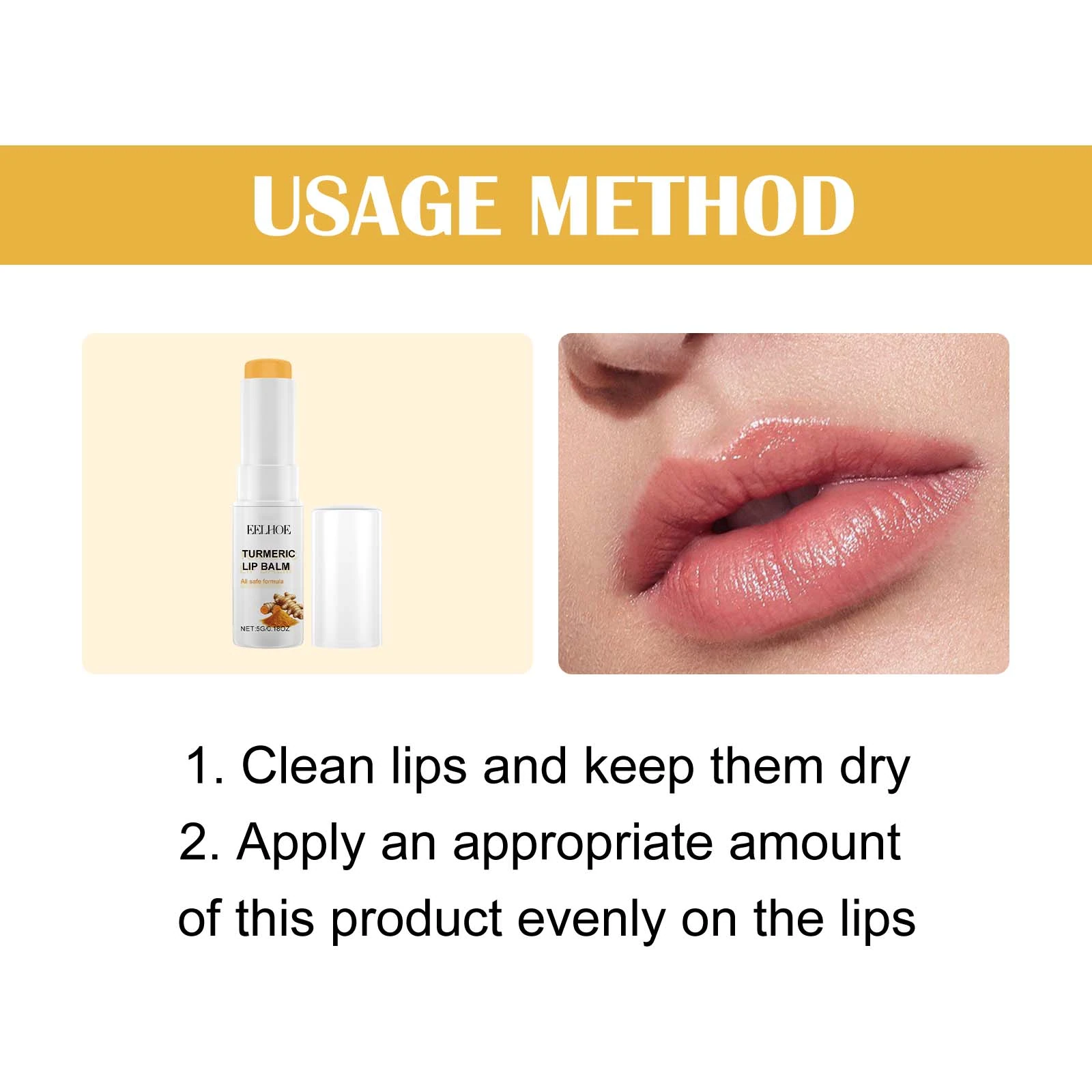
EELHOE turmeric lip balm is a 5g twist-up stick with jojoba oil, beeswax, glycerin, mineral oil and turmeric extract among its ingredient highlights. It provides a leave-on moisture step for dry, rough-feeling lips. Its current directions are to clean and gently dry the lips, twist up a small amount, apply evenly and replace the cap.
Choose it if that direct-application format and ingredient blend fit your needs. The listing contains beeswax, also identified as cera alba, so it is not a beeswax-free option. The presence of turmeric does not establish a lip-colour treatment, and the ingredient highlights do not establish a fragrance-free or hypoallergenic claim.
The product page does not supply a batch-specific expiry, a verified unopened shelf life or a stated period after opening. We cannot calculate those from the 5g weight or borrow a duration from a different balm. If you are buying several sticks to store, confirm the current package dates and storage instructions before deciding how many you can reasonably use.
Keep a simple record for the next stick
Take a photo of the identification and date information when you first open the package. Record the opening date somewhere easy to find, and keep the balm in a location consistent with the label. This makes a later decision less dependent on memory. It does not override a printed expiry or make a changed product suitable.
If the balm is still within its guidance and comfortable to use, you may not need a replacement at all. If you need help applying a suitable balm under makeup, our lip balm before lipstick guide covers that sequence. Shelf life is the task here; lipstick preparation belongs to that separate guide.
Questions about lip balm expiry
How long does lip balm last after opening?
Use the period stated for that exact product. Formulas, packaging and storage differ, so a generic number of months is not a substitute. If the pack gives only a batch code, ask the maker to explain the relevant opening and storage guidance.
Can you use expired lip balm if it smells normal?
A normal smell does not verify stability or suitability. Follow the stated expiry rather than extending it based on smell alone. If the date is unclear or the balm has changed, ask for product-specific guidance or replace it.
Does unopened lip balm expire?
An unopened package can still age. Check its date and storage requirements; being sealed is not a promise of indefinite shelf life. A purchase receipt tells you when you bought it, not necessarily when it was manufactured.
Can I fix lip balm that melted in my bag?
Cooling may make it firm again, but that does not establish that the original quality or protection is unchanged. Keep the package information and ask the maker about that heat exposure. Do not keep applying a balm that smells unusual or irritates your lips.