
You can use some body lotions on your face when the manufacturer explicitly supports facial use and the formula suits your skin. Other body products are intended only for particular body areas or purposes. Check the exact label, ingredients and directions rather than assuming every body lotion is unsuitable—or that every moisturizer is interchangeable.
The real decision is whether one specific product belongs on your face. A family-size pump, a cream texture or the word moisturizing cannot answer that alone. This guide gives you a label-first decision process, explains the differences that matter and shows where GinGrowth's 50g facial moisturizer fits if you prefer a product expressly intended for facial application.
Start with intended use, not bottle size
CeraVe’s explanation of body lotion on the face makes a useful distinction: some moisturizers are designed for both face and body, but that suitability is product-dependent. The brand's own multipurpose examples do not establish that another brand's body cream can be used in the same way.
Read the front and back of the container and any enclosed directions. Look for the intended areas, warnings and whether the product is leave-on or rinse-off. A moisturizer described for face and body is different from a foot cream, an exfoliating body lotion or a massage product with instructions limited to external body areas.
If the label says body only, or you cannot establish facial suitability, use it as directed and choose a facial option instead. A social-media recommendation from someone with comfortable results does not change your bottle's directions. You can ask the manufacturer about the exact formula rather than extrapolating from a similar-looking package.
On a small screen, swipe or scroll the table sideways to compare all columns.
| Label or product type | Facial-use decision | Next check |
|---|---|---|
| Explicitly for face and body | Potentially suitable for both | Your tolerance and any area exclusions |
| Body-only moisturizer | Keep to its stated use | Ask the maker if facial suitability is unclear |
| Foot or exfoliating body treatment | Do not assume ordinary facial use | Active ingredients and specific directions |
| Facial moisturizer | Intended facial role is clear | Formula suitability; keep away from excluded areas |
Face moisturizer vs body lotion: what actually differs?
Face and body products can differ in formulation, concentration, texture and intended use. Some body lotions focus on large-area spreading; others address rough-feeling elbows, legs or feet. A facial formula may be designed around facial application and layering. These are possible design differences, not proof that every face product is light or every body product is heavy.
DermNet’s moisturizer guidance describes the roles of humectants, emollients and occlusives. Glycerin helps attract and retain water; emollients soften the surface; occlusive ingredients reduce water loss. Both facial and body moisturizers can use these functions. A shared ingredient name does not establish identical percentages or identical finished formulas.
What matters next is the full formulation and your tolerance. Fragrance, preservatives and other components can affect susceptible users. Some highly occlusive formulas can aggravate acne or related concerns, as DermNet notes. That is a reason to assess the actual product, not to declare that every body lotion clogs pores or every face cream cannot.
Differentiate a multipurpose moisturizer from a specialty body product
A plain face-and-body moisturizer is a different decision from a lotion marketed for exfoliation or an intensive foot treatment. Read the intended role before comparing thickness. Acids or other active ingredients used for body texture may make a product unsuitable for your planned facial routine, particularly if you already use treatments there.
Likewise, massage glide is not a facial-use permission. The fact that a body cream feels soft between your fingers says little about its intended area or compatibility with your face. Avoid transferring massage directions around the waist to the cheeks or eye area. The eye area needs particular care even with many products that are otherwise intended for the face.
If your question is about texture between two facial moisturizers, our face cream vs lotion guide addresses that comparison. This article focuses on crossing from body use to facial use. Separating those questions helps you avoid choosing a product by thickness before checking whether it belongs on that area at all.
A five-step label check before using body lotion on your face
- Identify the exact product and formula version.
- Read whether the label permits face, body or both.
- Check active ingredients, known sensitivities and excluded areas.
- Follow any manufacturer compatibility-testing directions; do not use them to override intended use.
- Choose an appropriate facial or multipurpose option if the current product does not fit.
Use the exact product name and version when asking for clarification. “Can I use your lotion on my face?” can be ambiguous if the company sells several formulas. Include the name, intended-use wording and the ingredient list from the item you own. Do not assume a refill or a bottle bought in another market is identical without checking.
A small-area compatibility check according to the maker's instructions may help reveal an immediate problem, but it cannot guarantee that you will never react or break out. It also does not make a body-only formula appropriate for facial use. If you have eczema, rosacea, significant acne or a known allergy, follow individualized advice rather than using a general article to override a treatment plan.
On a small screen, swipe or scroll the table sideways to compare all columns.
| Your need | Useful label evidence | Insufficient shortcut |
|---|---|---|
| One product for face and body | Explicitly permitted on both areas | A large pump bottle |
| Acne-prone or reactive facial care | Appropriate full-formula review and individual advice | Lotion automatically means pore-safe |
| A facial leave-on step | Facial application and leave-on directions | Any moisturizing botanical |
| Sun protection | Stated appropriate SPF and sunscreen directions | A moisturizing texture |
What if you already put body lotion on your face?
A single application does not automatically mean you have damaged your skin. Check which product you used and whether it supports facial use. If it feels comfortable and is labeled for both areas, follow its instructions. If it is unsuitable or causes burning or irritation, stop using it and gently remove it as appropriate without repeated harsh scrubbing.
Persistent symptoms or a significant reaction deserve medical advice. Do not add a face scrub to “clear out” a lotion you regret applying, and do not continue because you want to finish the bottle. The next useful step is identifying the formula and the symptom, not layering more products over an uncomfortable area.
If you simply ran out of your usual face moisturizer, a clearly labeled multipurpose product may be an option if suitable for you. If the information is missing, replace the facial step with a product whose intended use you can establish. Price per milliliter is relevant only after suitability; a larger bottle is not a saving if it does not fit the job.
Where our 50g facial moisturizer fits
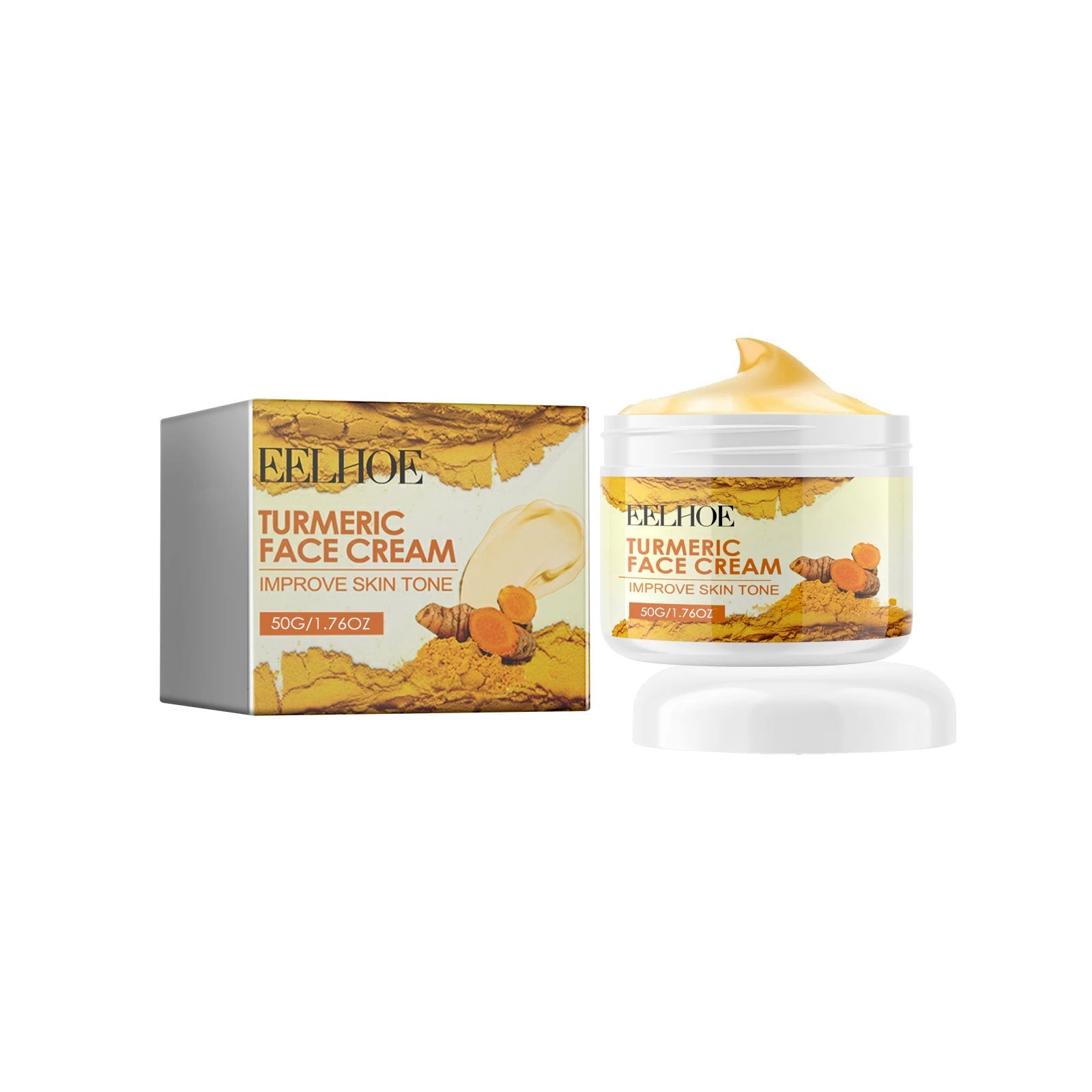
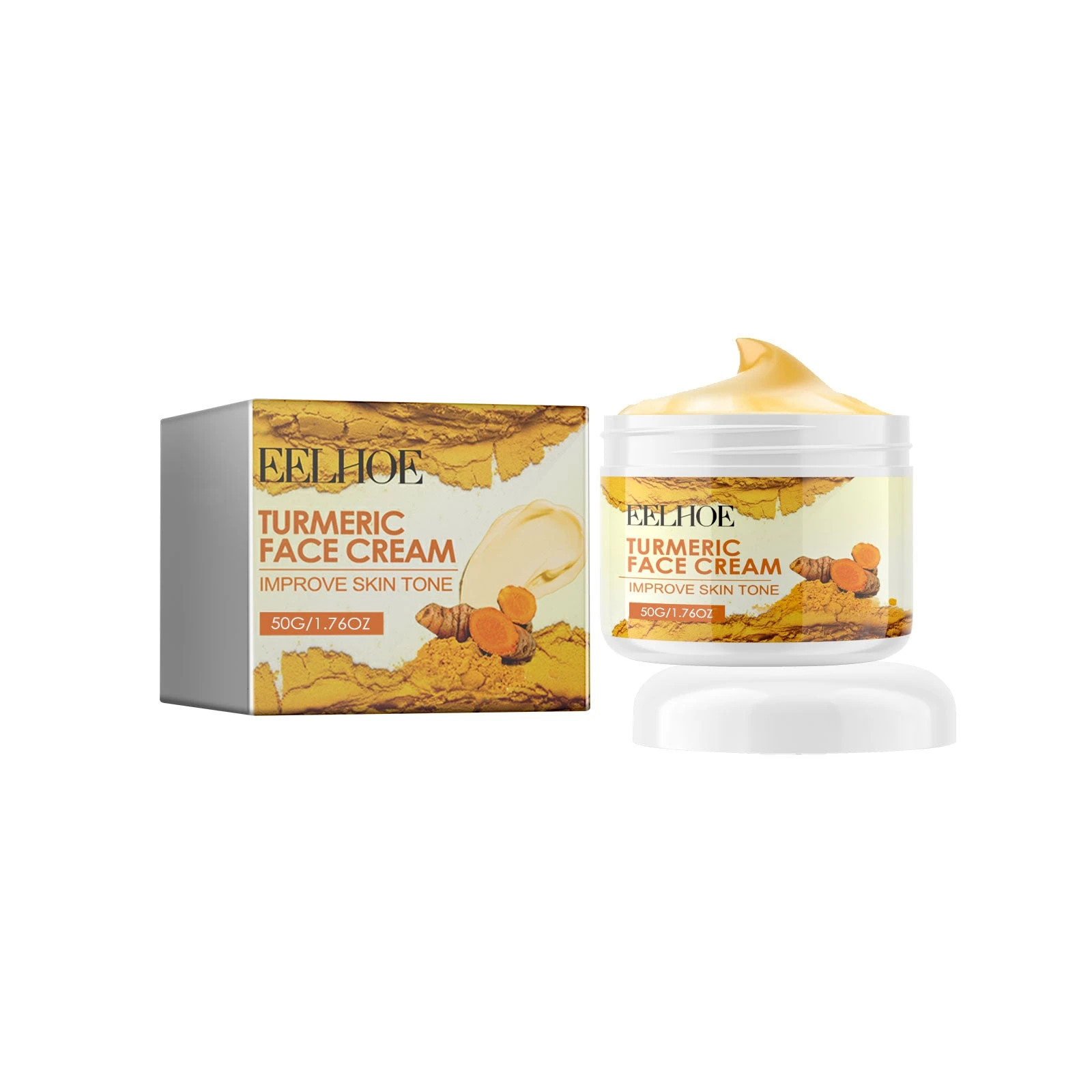
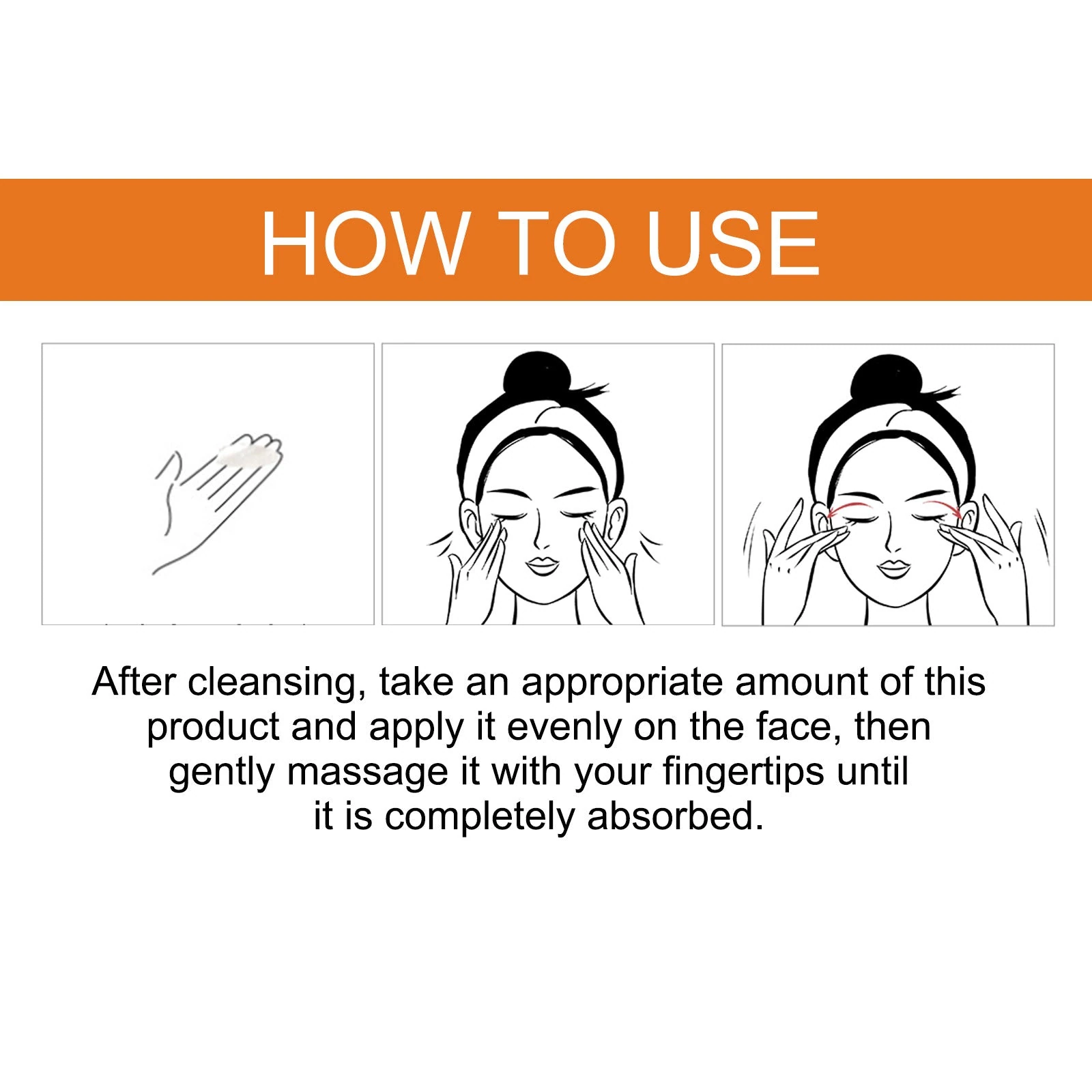
EELHOE Turmeric Face Moisturizer is a 50g jar intended as a leave-on facial moisture step after cleansing. The current ingredient highlights are water, turmeric extract and glycerin. Take a small amount with clean fingertips, spread evenly over intended facial areas away from the eyes, massage gently until absorbed and replace the lid.
This is different from the separate 30g bottled cream with niacinamide highlights, and different again from a body massage cream. The jar's size and botanical name do not make those products interchangeable. Its clear facial-use directions are the relevant advantage for someone who wants to stop guessing whether a body-only product belongs on the face.
The available highlights do not establish a full allergy assessment, SPF rating, fragrance-free claim or non-comedogenic testing. If those are requirements, verify them before buying. This is an everyday product option, not a claim that it treats irritation caused by another lotion or is the right choice for every skin condition.
Keep face and body decisions organized
Use separate notes for intended area, preferred texture and any ingredient restrictions. This turns “I need a moisturizer” into a more useful purchase brief. For example: a facial leave-on formula, a portionable jar, and ingredients you can tolerate. Another person may prefer a multipurpose pump explicitly approved for both areas.
For your body routine, the body balm vs lotion guide compares direct placement with a fluid format. Those body-format preferences do not automatically transfer to facial care. Choose each product for its stated job rather than assuming you must either share everything between areas or buy a separate item for every small patch.
Frequently asked questions
Is body lotion the same as face moisturizer?
Not necessarily. Some formulas are designed for both, while others have different ingredients, concentrations, textures or intended areas. The label on the exact product is more useful than the general word lotion.
Can body lotion cause breakouts on the face?
Some formulas may feel too occlusive or aggravate acne-prone skin, but the category does not predict every person's response. Check the actual formula and stop an unsuitable product. A facial label alone is not a guarantee against breakouts either.
Is face cream always better than body lotion?
It is clearer when its intended facial use matches your need, but a suitable multipurpose moisturizer can also be appropriate. Compare instructions and your tolerance rather than assuming a smaller facial package is always superior.
Does the featured moisturizer replace sunscreen?
No SPF rating was verified for the 50g jar. Use an appropriate sunscreen according to its own directions when sun protection is needed. A comfortable moisturizing layer does not establish UV protection.