
Body lotion is generally more fluid and easier to spread quickly, while body cream usually has a thicker, more substantial texture. Choose by the actual formula, how dry your skin feels and whether you want broad everyday coverage or a more focused application. Neither category guarantees a particular absorption time, fragrance level or moisturizing result.
A useful body cream vs lotion comparison includes what happens between bathing and getting dressed. Someone covering both legs quickly may value a pumpable lotion; someone who enjoys a focused waist or arm massage may prefer a scoopable cream. This guide separates texture, ingredients and routine so you can choose a format without assuming the thickest product must be best.
What is the difference between body cream and body lotion?
Both creams and lotions can combine water, oils and other ingredients. Their names describe broad formats rather than a precise recipe. A cream usually feels thicker, while a lotion tends to flow and spread more easily. The exact formulation determines the finish, so do not assign a fixed oil percentage or a universal number of hours of hydration from the name alone.
DermNet’s moisturizer overview places creams above lotions in its general comparison of occlusiveness. It describes lotions as useful for mild dryness or hairy areas, while creams are suitable for broader application with a richer moisture profile. Individual preferences and the finished product still matter.
Packaging can suggest how you dispense a product, but it does not prove the formula. Some creams come in pumps or tubes, and some products sold as lotion are comparatively rich. Check what the manufacturer calls the product and how it should be used rather than deciding from the container alone.
On a small screen, swipe or scroll the table sideways to compare all columns.
| Decision | Body lotion | Body cream |
|---|---|---|
| Typical texture | More fluid | Thicker and more substantial |
| Handling preference | Quick spreading over larger areas | Portioning and focused application |
| Dryness support | May suit mild dryness | A suitable richer formula may suit greater dryness |
| Ingredient review | Check the whole formula | Thickness does not establish alcohol- or fragrance-free status |
| Routine | Follow leave-on or specialty directions | Do not transfer massage directions to every cream |
Body cream or lotion for dry skin?
The American Academy of Dermatology’s dry-skin guidance recommends a cream or ointment rather than a lotion for dry skin and favors gentle, fragrance-free products. That supports considering a richer suitable formula when dryness is the main problem. It does not establish that every product called body cream is appropriate for very dry or sensitive skin.
Read beyond the headline ingredient. Humectants such as glycerin retain water, emollients soften the skin and occlusives reduce water loss. A product may combine these roles. A botanical name or a thick texture does not tell you whether the overall formula fits a sensitivity, a prescribed routine or a need for fragrance-free care.
If you have ordinary dry-feeling areas and already tolerate a lotion, you do not need to replace it because cream sounds more intensive. Review the amount, timing and comfort first. If skin remains cracked, painful or inflamed despite appropriate care, seek professional advice instead of simply moving to a heavier cosmetic product.
Choose for coverage and the way you apply it
A fluid lotion can be convenient when you want a thin, even layer across large areas with little handling. A scoopable cream can make it easier to portion a small amount for one area at a time. These are practical preferences, not measured speed comparisons. How much you use and the product's spreadability both affect the experience.
Think about the place in your routine. After bathing, a suitable moisturizer can be applied according to its directions; the AAD advises moisturizing damp skin for dry-skin care. Let the chosen layer settle before dressing rather than immediately adding more because it still feels present. Follow a product's specific instructions if they differ from a general routine suggestion.
For a massage, comfortable glide matters, but more pressure is not the goal. Use the intended body areas and gentle movements. Do not massage an irritated or painful patch to force a cream to absorb. An enjoyable application texture and a treatment for a skin or muscle condition are different things.
Compare one useful variable at a time
- Define the task: broad moisture coverage or focused body application.
- Read intended areas, ingredients and any sensitivity requirements.
- Compare a suitable texture using its stated amount and method.
- Observe spreading, comfort and the finish before dressing.
- Change one variable at a time; seek advice for persistent painful or inflamed skin.
For example, if your main complaint is that a lotion feels too light on the shins, compare a suitable richer product on a normal routine day while keeping cleansing and other products stable. Note the amount, ease of spreading, comfort and finish before dressing. This is a personal preference check, not a clinical hydration measurement.
If the complaint is that a cream feels too heavy, first check whether you used more than its directions suggest. A smaller appropriate portion may change the finish without requiring a whole new formula. Do not thin the product with water in the jar; that changes a prepared formulation and can introduce contamination.
On a small screen, swipe or scroll the table sideways to compare all columns.
| Preference or problem | Useful option to review | Check first |
|---|---|---|
| Large-area spreading | A suitable fluid lotion | Ingredients and intended body areas |
| Focused waist massage | A suitable scoopable massage cream | Glide, directions and sensitivity requirements |
| Very dry or reactive skin | Appropriate gentle, fragrance-free care | Do not assume the featured ethanol-containing jar fits |
| Heavy finish | Amount and formula before replacing | Do not dilute products in the container |
Where the green 50g ginger body cream fits
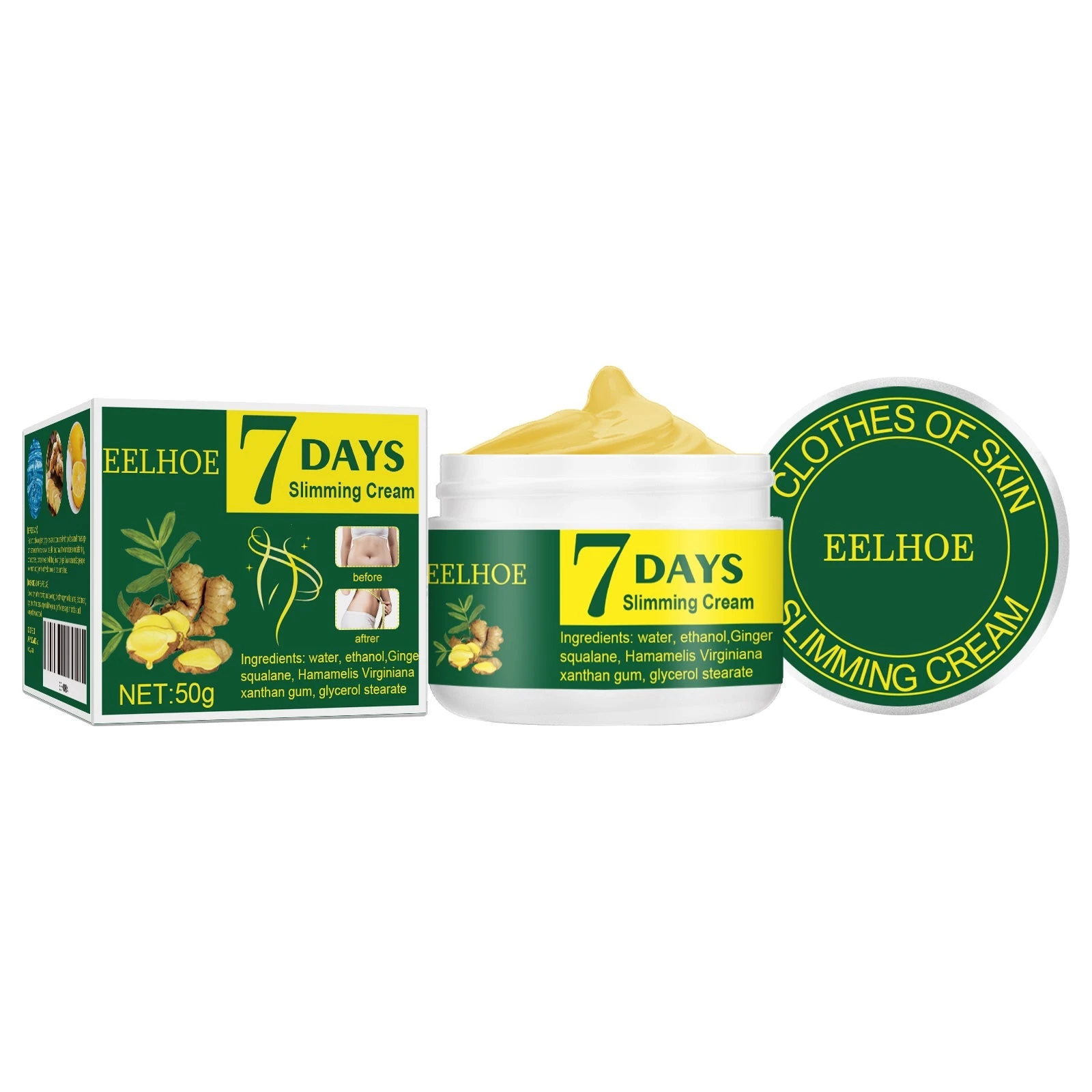
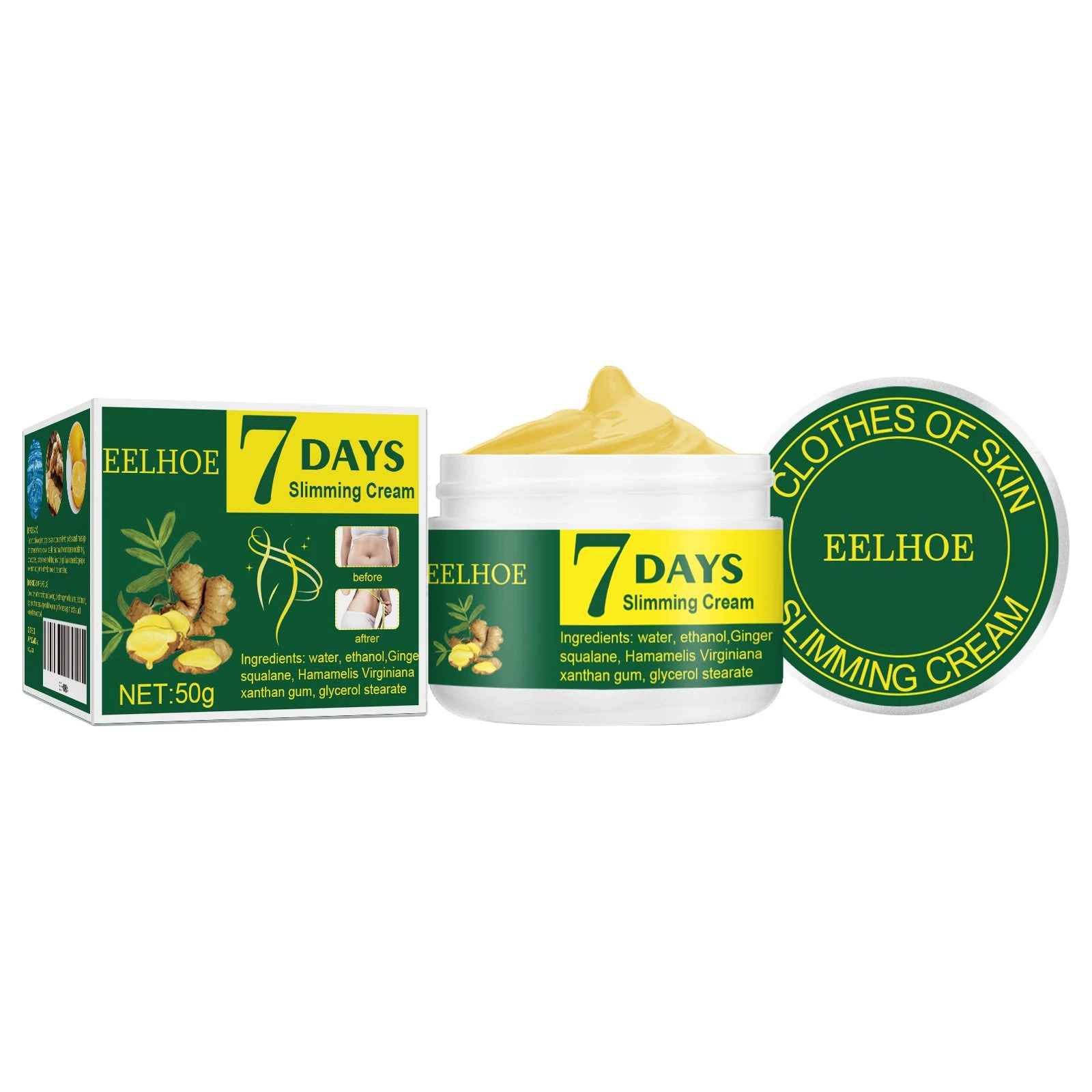
EELHOE Ginger Body Cream is the green 50g jar labeled “7 DAYS Slimming Cream.” The current product page identifies its role as waist-focused massage and cosmetic conditioning for softer, smoother, firmer-looking body skin. This is a particular body cream option, not a neutral test product representing every cream on the market.
The jar transcription lists water, ethanol, ginger, squalane, Hamamelis virginiana, xanthan gum and glyceryl stearate. Squalane is an emollient associated with skin conditioning. Ethanol is also listed, which matters if you are looking for alcohol-free care. The reviewed information does not establish a fragrance-free claim; check the complete received label if fragrance avoidance is important to you.
This means it should not automatically be chosen as the answer to severely dry, reactive or irritated skin. The AAD's dry-skin guidance advises avoiding irritating alcohol and fragrance in that context. Consider this product for its stated cosmetic massage routine only when the formula suits you, rather than transferring general praise for creams to this particular jar.
The package's “7 DAYS” wording identifies the version; it is not a personalized deadline for changes in body measurements. The article does not present evidence of fat loss or claim massage reduces waist size. The supported product-selection points are its 50g format, listed ingredients, glide and illustrated application routine.
Use the product's actual massage directions
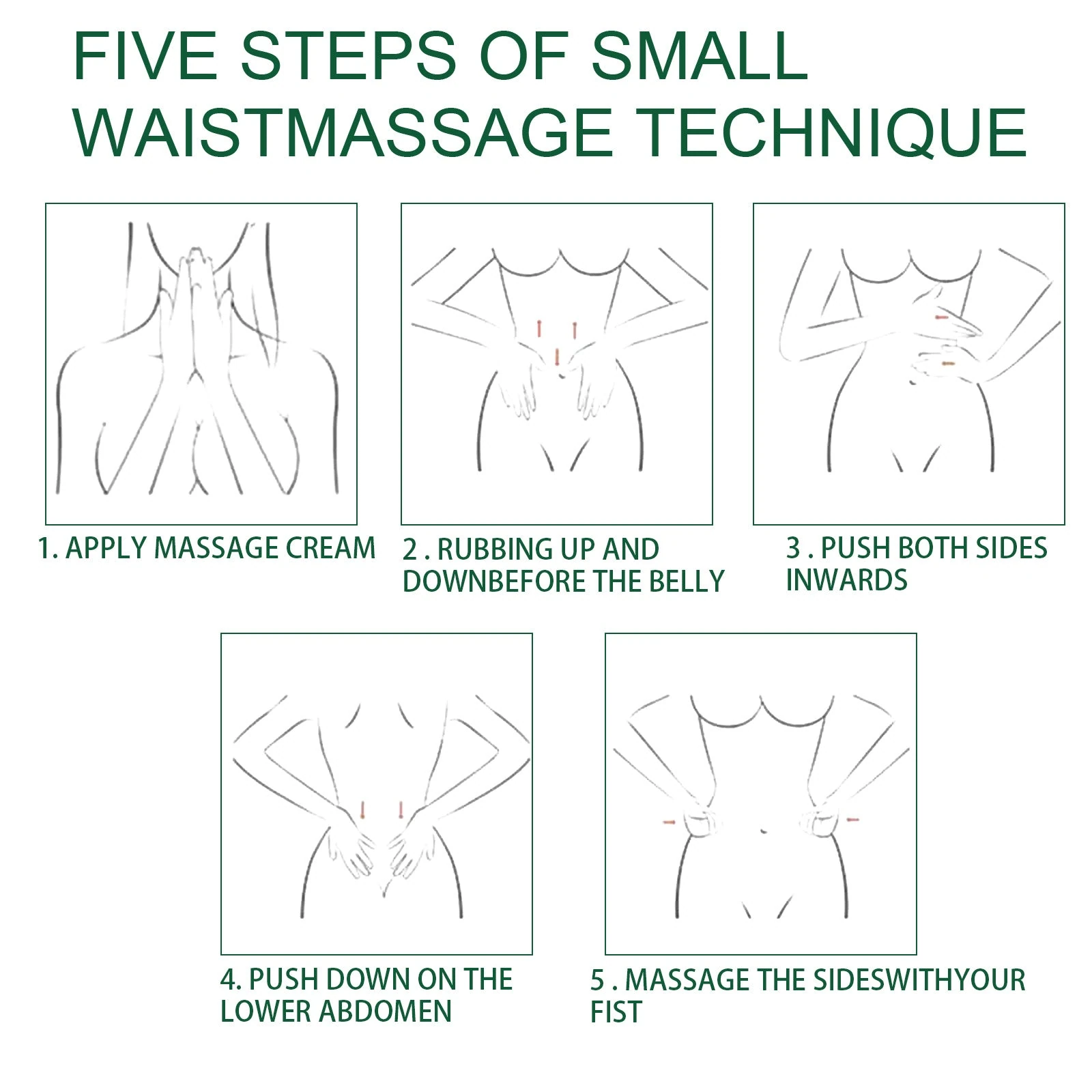
The current waist guide starts with a small amount on clean external skin, followed by gentle up-and-down, inward, downward and side-waist movements. Keep pressure comfortable and let the cream settle before dressing. The product page also illustrates calves, thighs and arms, while the five-step sequence is specifically about the waist.
The separate yellow-jar body massage cream highlights glycerin, mineral oil and ginger root oil. It is a different formula, not the same green product with a different label. If comparing the two, choose from their actual ingredients and the routine you want. Do not transfer the yellow jar's ingredient highlights to the green jar.
If the decision is cream versus a pourable massage oil, our massage cream vs oil guide covers that handling comparison. If you prefer a stick applied directly to selected areas, the body balm vs lotion guide addresses that format. This page stays focused on cream versus lotion for body care.
Frequently asked questions
Is body cream better than lotion?
A suitable cream may be preferable when you want a richer texture or more support for dry-feeling skin. A lotion may fit quick spreading or a lighter preference. Judge the actual ingredients and comfort rather than treating the category as a performance ranking.
Do I need body lotion and body cream together?
Not automatically. One suitable product may meet your needs. You can choose different appropriate formulas for different areas, but stacking both everywhere is not required and can make it harder to identify an uncomfortable layer.
Can I use body cream as lotion?
A leave-on body cream can occupy the moisturizing step if its directions fit the area and task. Its thicker texture may change how you portion and spread it. Do not assume a specialty cream has the same intended use as every ordinary lotion.
Is the featured green jar alcohol-free or fragrance-free?
No alcohol-free claim is appropriate: ethanol appears in the current jar transcription. Fragrance-free status was not verified. Check the complete label and choose another suitable option if those are requirements for your skin.