
A biotin follicle boost scalp serum needs to be evaluated as a finished topical formula. Biotin on an ingredient list does not by itself prove increased hair growth, and research on swallowed supplements cannot establish the effect of a scalp serum. Start by identifying the exact product, checking whether biotin is actually listed and separating a moisturizing benefit from a measured change in hair density.
What Does Biotin Follicle Boost Scalp Serum Mean?
Biotin is a vitamin, while follicle boost is a marketing description rather than a standardized dose or clinical endpoint. Several products can use similar wording while differing in ingredients, application and evidence. Without a manufacturer and current label, the phrase does not identify one formula whose results or directions can be verified.
If you arrived here looking for a particular bottle, match the full brand name, size and ingredient list before purchasing. A similarly named serum may not contain the same ingredients. The useful question is what that exact formula has been shown to do under its stated conditions.
For a specific historical formula example, the A22 Biotin Boost ingredient review distinguishes its recorded ingredients from evidence about oral biotin.
Separate Oral Biotin Evidence from Topical Claims
A 2017 review of biotin for hair loss found 18 reported cases of improvement, all involving an underlying condition associated with poor hair or nail growth. The authors found insufficient evidence to recommend biotin supplementation for healthy individuals. That review does not establish that everyone with thinning hair needs a supplement.
It also does not test biotin applied in a scalp serum. Oral intake and topical application involve different exposure, formulations and study questions. A citation to supplementation in deficiency cannot be turned into a claim that a leave-on biotin serum regrows hair in people without deficiency.
For the vitamin-specific evidence, the biotin scalp-serum evidence guide explains why deficiency and supplement studies cannot automatically establish a topical serum’s effects.
Swipe the table sideways to compare all columns.
| Decision | Check | Practical action |
|---|---|---|
| Ingredient requirement | Is biotin on the current full label? | Do not infer it from follicle-boost wording |
| Evidence route | Oral supplement study versus topical finished-product trial | Do not transfer outcomes between routes |
| Multi-ingredient study | OneSkin tests a complete regimen including dermarolling | Do not isolate biotin as the proven cause |
| Moisturizing alternative | Glycerin, sodium PCA or panthenol highlights | Compare care role without claiming biotin content |
Read the Complete Formula, Not Just the Vitamin Name
Look for biotin in the actual ingredient information and check the rest of the formula. Glycerin, panthenol and sodium PCA can tell you about moisturizing or conditioning features; fragrance, aromatic oils and preservatives also matter to people with known sensitivities. The presence of several familiar ingredients does not reveal their concentrations.
A product can be useful for moisture even when it has no product-specific growth trial. Conversely, adding biotin to a long ingredient list does not explain which component produced a reported outcome. Ask whether a study tested the finished formula, an isolated ingredient or a different product altogether.
Use a Real Product Example to Understand Study Scope
OneSkin OS-01 Hair includes biotin alongside its OS-01 peptide and other ingredients. The brand reports a six-month, double-blind, third-party study involving 32 participants aged 27–55. The tested regimen combined serum twice daily with dermarolling once daily. The results therefore should not be described as proof for biotin alone or serum used without that additional intervention.
The brand reports a 40% density improvement in 81% of participants and a 43% thickness improvement in 78% after six months. Those figures are product-and-regimen claims, not expected outcomes for every biotin-containing serum. Study conditions matter as much as an impressive percentage.
If you are choosing for scalp moisture rather than biotin content, review the 30ml Lightweight Scalp Serum with Ginger.
Compare Moisturizing Alternatives with Their Actual Ingredients
The supplied highlights for these two products do not identify biotin. They are moisturizing alternatives for readers whose main task is ordinary scalp care. GinGrowth sells the two products below.
Swipe the table sideways to compare all columns.
| Detail | 30ml Lightweight Scalp Serum with Ginger | 40ml Ginger Hair Tonic for Scalp & Roots |
|---|---|---|
| Format | Water-based dropper essence | Water-based dropper tonic |
| Ingredient highlights | Aqua, glycerin, ginger root oil, Polygonum multiflorum extract and hydroxyethylcellulose in the ingredient graphic. | Ginger extract, glycerin, sodium PCA and panthenol, alongside aqua, in the product artwork. |
| Application | After washing and drying, apply a small amount to the scalp, massage gently and leave in. The product guide describes daily use. | Part hair, apply a small amount, massage gently for 2–3 minutes and leave on. Follow the current bottle for frequency. |
| Reason to compare | Choose for a light moisturizing step and precise placement along a part. | Choose for a larger dropper format with humectant and conditioning ingredient highlights. |
View 30ml Lightweight Scalp Serum with Ginger or compare 40ml Ginger Hair Tonic for Scalp & Roots. Review the current product page for price and package details.
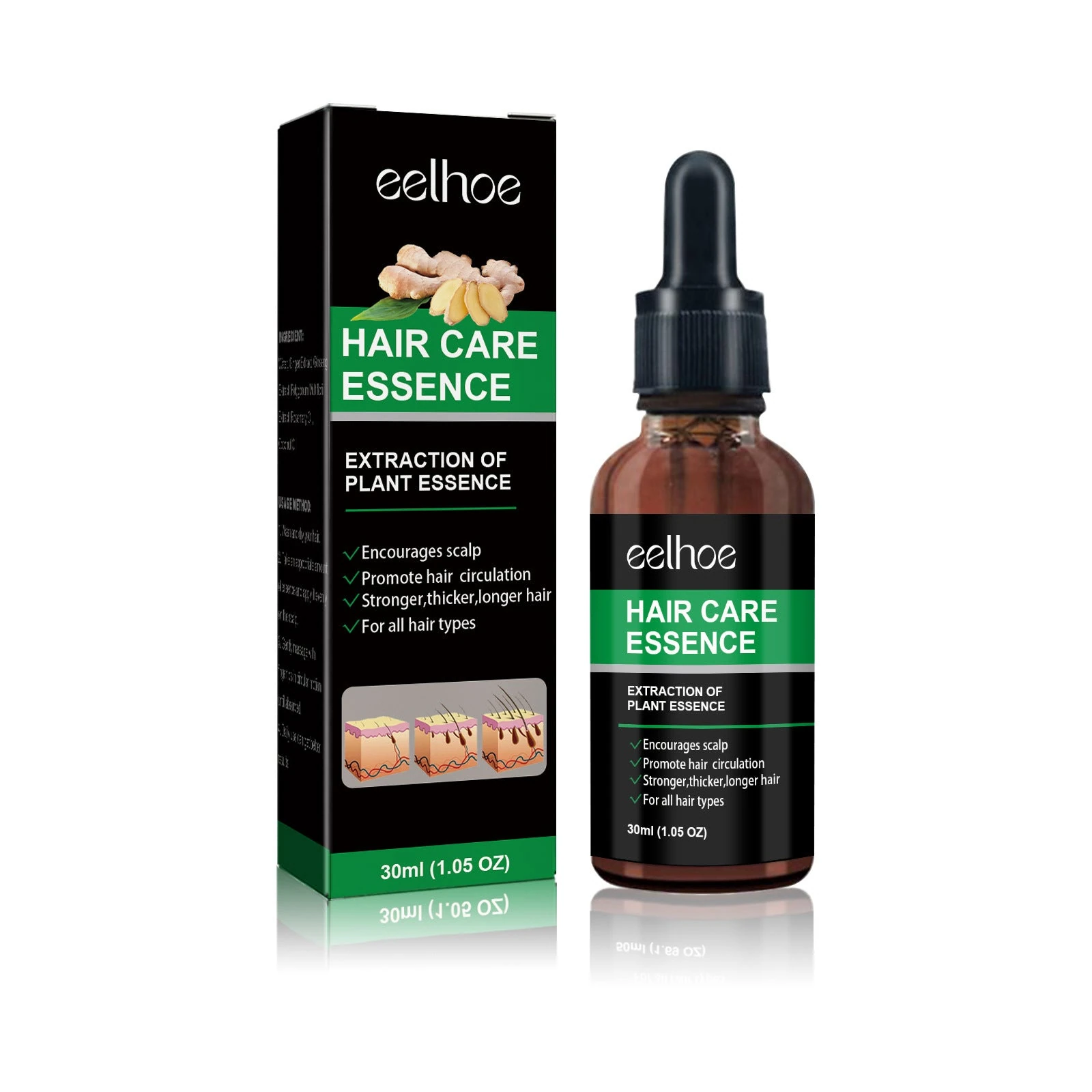
The essence contains ginger root oil within a water-based formula. That is different from buying a bottle of pure essential oil. Glycerin provides a concrete moisturizing ingredient to compare, while the dropper helps direct a small amount to the scalp. Use the finish on your own hair as the practical test: controlled placement matters more than saturating the roots or spreading scalp care through the lengths.
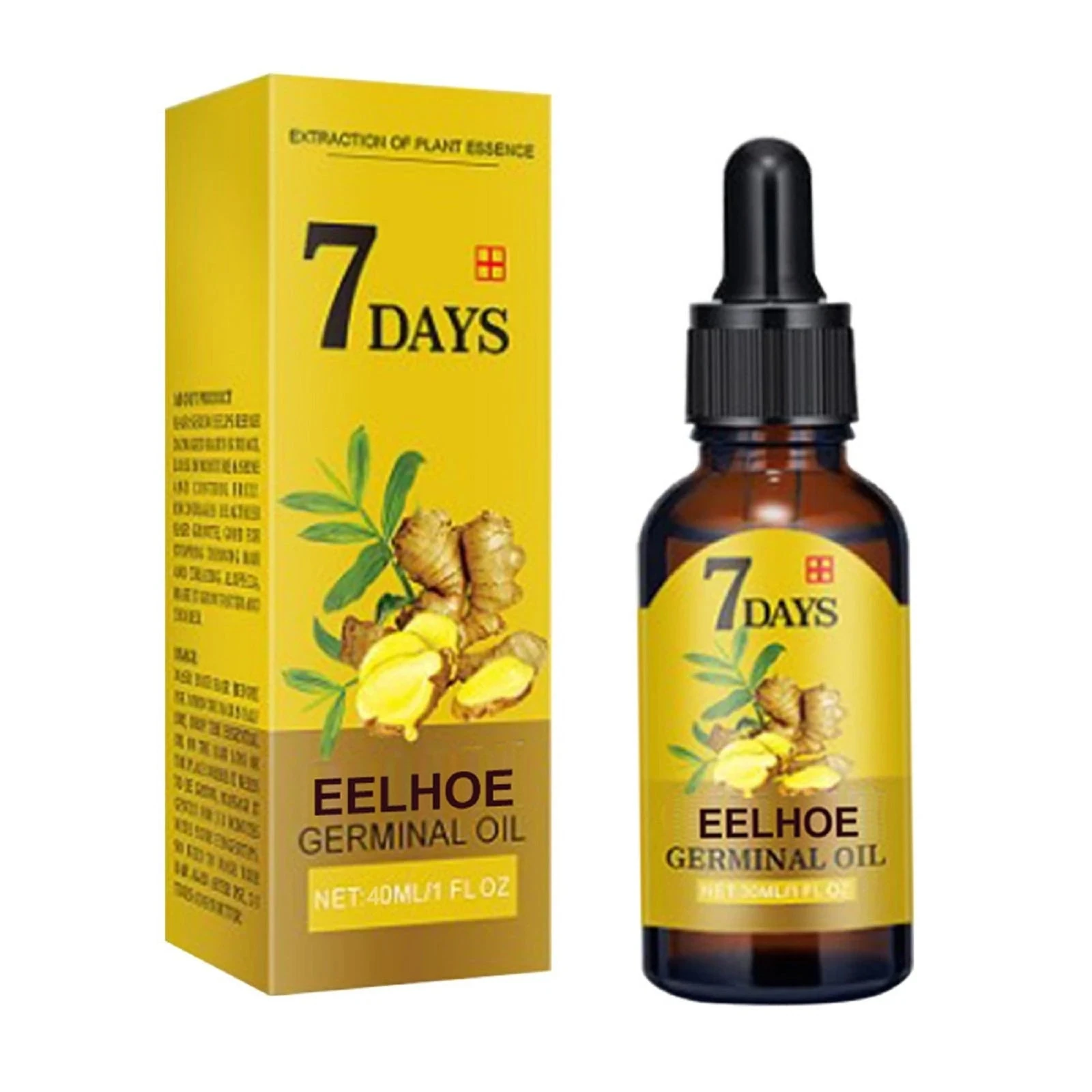
Glycerin and sodium PCA are moisture-binding ingredients, while panthenol is used for conditioning. The highlighted ingredient graphic is not a percentage breakdown. The word tonic describes this product choice; it does not establish a stronger concentration than the smaller essence. Compare the ingredients you prefer and whether direct dropper placement feels convenient in your routine.
Decide Whether You Need Biotin or a Moisturizing Step
If biotin is a firm purchasing requirement, verify it on the current label before considering the bottle. The GinGrowth essence and tonic compared below have different published ingredient highlights; those highlights do not identify biotin. They are relevant only when your actual goal is a defined moisturizing scalp-care step.
If your concern is progressive thinning, a serum comparison cannot identify its cause. The American Academy of Dermatology describes diagnosis as the starting point for selecting hair-loss treatment. Keep a cosmetic-care preference separate from decisions about a diagnosed condition.
Apply According to the Exact Product Instructions
The phrase biotin serum does not establish whether to apply on wet or dry scalp, how many drops to use or how often to repeat the application. Find those details on the product you own. Part the hair so the applicator reaches the intended skin area rather than coating the lengths.
Do not add microneedling merely because it appeared in a brand’s study. Research procedures are not a universal home-use recommendation. Avoid applying an ordinary cosmetic product to broken or freshly injured skin unless its instructions and qualified professional guidance specifically support that use.
Evaluate Changes without Inventing a Growth Timeline
Record comfort, residue and ease of application from the start. If tracking visible hair changes, use consistent lighting, camera distance, part placement and styling. A shinier strand, reduced breakage and an increased hair count are different observations.
Do not wait through a generic online timeline when loss is sudden, patchy, painful or continuing to progress. For a treatment recommended by a clinician, follow that treatment’s review schedule. For a cosmetic product, its own evidence should define any claimed outcome and timeframe.
Frequently Asked Questions
Does topical biotin guarantee hair growth?
No. Evidence depends on the finished product and the population tested. A vitamin name alone is not proof of regrowth.
Is a biotin scalp serum the same as a supplement?
No. They use different routes and cannot borrow each other’s study outcomes. Do not add an oral supplement solely because a topical product mentions biotin.
Can a serum work for moisture without containing biotin?
Yes. Compare the formula’s moisturizing ingredients and application. Biotin is not required to identify glycerin or sodium PCA as concrete care features.
Should I choose the serum with the most ingredients?
Ingredient count is not a reliable performance ranking. Choose by purpose, full formulation, personal sensitivities and evidence for the result you want.
A Better Buying Checklist
Confirm product identity, actual biotin listing, intended application area, complete directions and the endpoint behind any results claim. Then decide whether the purchase is for moisture, appearance or a treatment goal requiring separate evidence. That sequence makes follicle-boost language easier to assess without dismissing legitimate product-specific findings or treating them as universal promises.
Review the essence’s actual formula; verify biotin separately if that ingredient is essential to your choice.
Sources and Product Information
- 2017 review of biotin for hair loss — Indexed abstract checked via official NCBI public API October 1, 2026; oral evidence is not a topical trial.
- AAD: Hair loss diagnosis and treatment — Official product or guidance page accessed October 1, 2026; claims retain their product and study scope.
- OneSkin: OS-01 Hair Scalp Serum — Official product or guidance page accessed October 1, 2026; claims retain their product and study scope.
GinGrowth product details were checked October 1, 2026. This guide compares published information and current product specifications; it does not report a GinGrowth clinical trial or personal use test.