
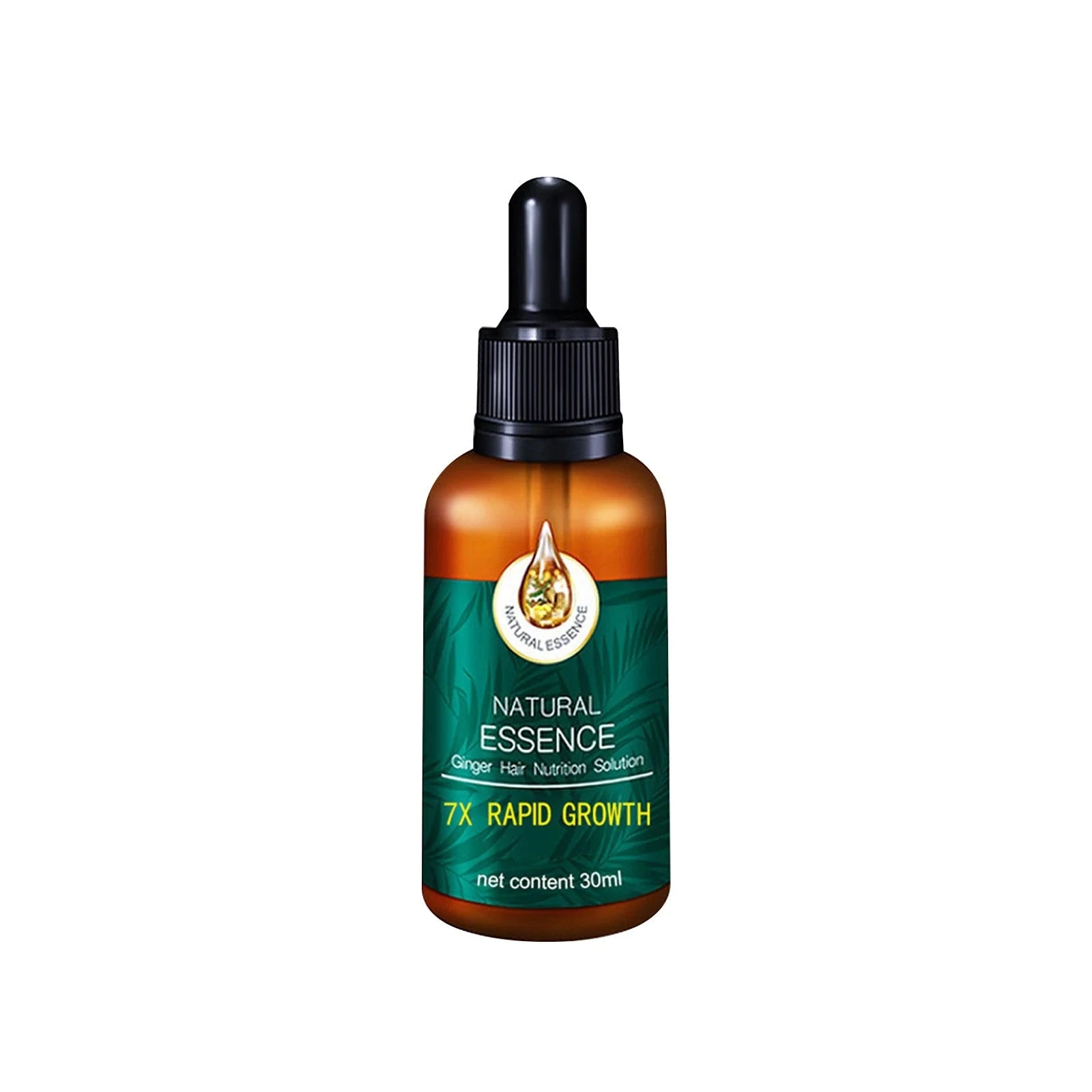
Scalp oil and scalp moisturizer are not opposite categories: an oil can be part of moisturizing care. When the choice is an oil blend versus a scalp cream, compare the finished formula, how you place it under the hair and the exact directions. Choose a dropper oil if you prefer fluid, targeted portions; choose a scalp cream if fingertip placement is easier. Persistent itching or flakes need more thought than simply adding a richer product.
The useful distinction is between the skin beneath your hair and the hair lengths. A conditioner on rough ends does not automatically address the scalp. Equally, a product directed to scalp partings should not be treated as an all-purpose finishing oil for the ends.
GinGrowth sells the two EELHOE examples discussed here: a 30ml dry scalp oil and a 30g scalp moisturizer cream. Both have directions beginning with washing and drying the hair. This is a product-information comparison, not a clinical test or a claim that either format is suitable for everyone.
What does scalp moisturizer mean?
Scalp moisturizer describes a care purpose, while oil, cream and water-based liquid describe different formats. A jar called scalp moisturizer may contain oils within its finished formula. A dropper bottle called serum may contain an oil blend. Read the ingredients and method rather than assuming the container tells you whether the product adds water, softens the surface or leaves an oily finish.
The featured oil lists mineral oil, hydrogenated castor oil and olive oil among its highlights. The featured cream highlights ginger, jojoba oil, collagen protein and vitamin E. These descriptions establish a meaningful format choice, but they do not supply comparative measurements of absorption speed, hydration duration or how heavy either formula will feel on your roots.
On a small screen, swipe or scroll the table sideways to compare all columns.
| Detail | 30ml scalp oil | 30g scalp moisturizer |
|---|---|---|
| Format | Oil blend in a dropper bottle | Cream in a jar |
| Highlights | Mineral oil, hydrogenated castor oil, olive oil, vitamin E, rosemary and ginger | Ginger, jojoba oil, collagen protein and vitamin E |
| Placement | Scalp along partings | Scalp and roots along partings |
| Starting condition | Wash and dry hair first | Wash and dry hair first |
| Application | Small dropper portion; gentle massage | Small fingertip portion; gentle massage |
| Timer or schedule | No fixed frequency established in the illustrated guide | No fixed timer established; follow jar directions |
| What is not established | Treatment for dandruff or hair loss | Treatment for dandruff or hair loss |
For a water-based alternative, the separate hair tonic versus hair oil guide compares those formats. Here, the decision is specifically between a fluid scalp oil and a cream placed with fingertips, so the practical handling differences deserve attention.
Does oil actually moisturize the scalp?
Oil can provide an emollient, conditioning layer, but an oil blend is not the same as adding a water-based hydrating formula. Whether it improves comfort depends on the finished product, the amount and what is causing the scalp to feel dry. A shiny surface is not proof that the underlying problem has been solved.
Medical guidance also places limits on scalp oiling. In Cleveland Clinic's discussion of hair oiling, dermatologist Shilpi Khetarpal advises against applying oil directly to the scalp and warns that people prone to dandruff should avoid oils. That source discusses hair oiling generally and does not test either EELHOE product. It is a reason not to recommend a scalp oil as the automatic answer to flakes.
If your concern is mild dry-feeling skin and you are comparing cosmetic formats, product directions and tolerance remain relevant. If your concern is recurring dandruff, marked redness, sores or persistent itching, seek an appropriate assessment. Repeatedly adding oil or cream can make it harder to tell which part of the routine is helping.
When does a dropper oil make practical sense?
A dropper lets you dispense a small fluid portion along a visible parting. That can be convenient when you want to place care on a selected scalp area without spreading a scoop over the outer hair. The technique matters: expose the skin, place a little, then spread with gentle fingertips.
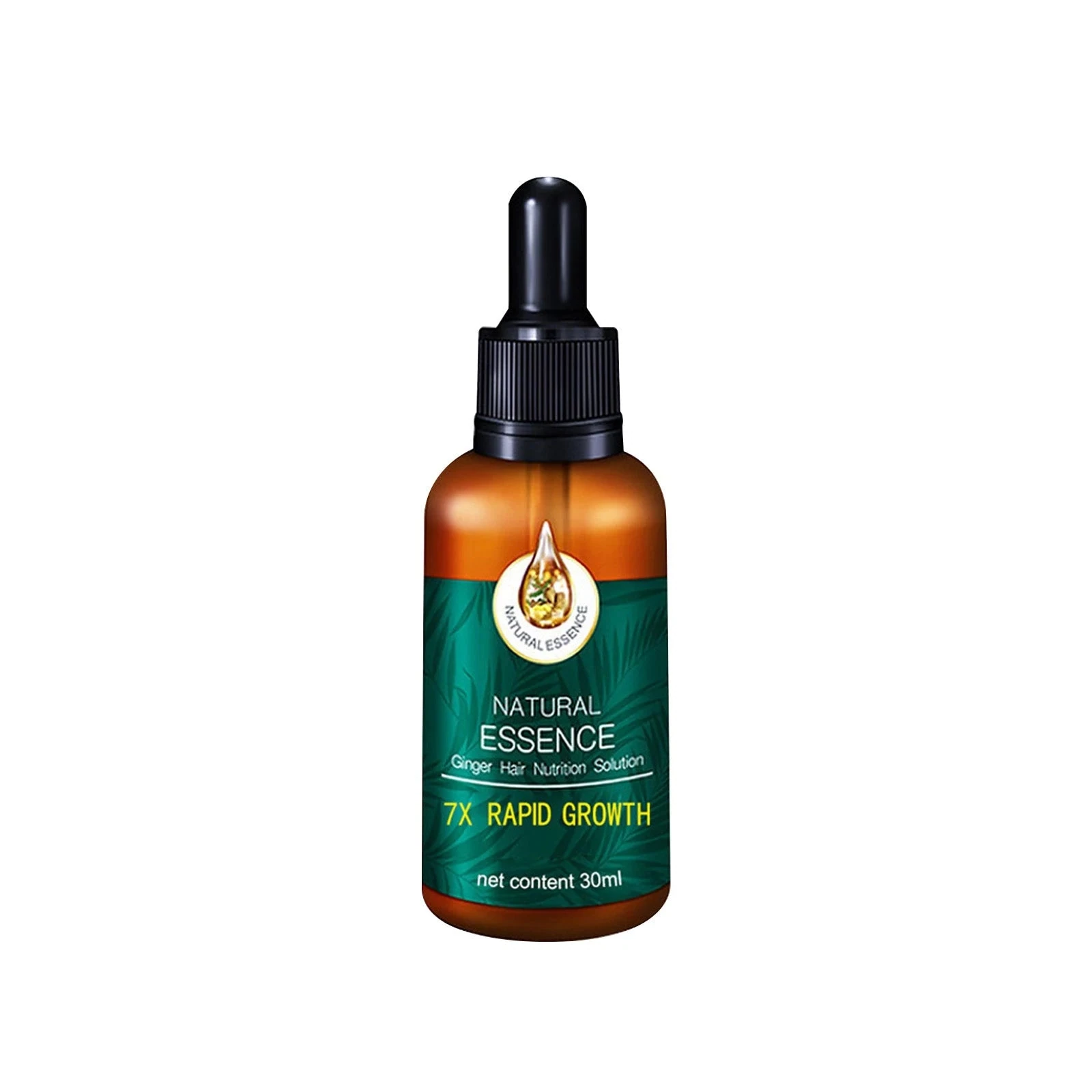
The 30ml EELHOE dry scalp oil is an oil-based blend with mineral oil, hydrogenated castor oil, olive oil, tocopherol, rosemary leaf oil and ginger root extract among the ingredient highlights. Its illustrated sequence is wash and dry, part the hair, apply a small amount and massage gently. It does not establish an everyday application schedule or an overnight treatment requirement.
Choose it for the oil format and controlled placement if scalp oil is appropriate for you. If roots already feel coated or oiliness is your main complaint, more oil may not fit the task. Do not assume that the botanical names remove the possibility of irritation or guarantee hair growth.
When is a scalp cream easier to use?
A scalp cream can be a practical choice when you prefer picking up a small portion and placing it directly with your fingertips. The 30g EELHOE scalp moisturizer is intended for the scalp and roots after washing and drying. Parting the hair keeps the cream near the skin instead of concentrating it on the visible hair surface.
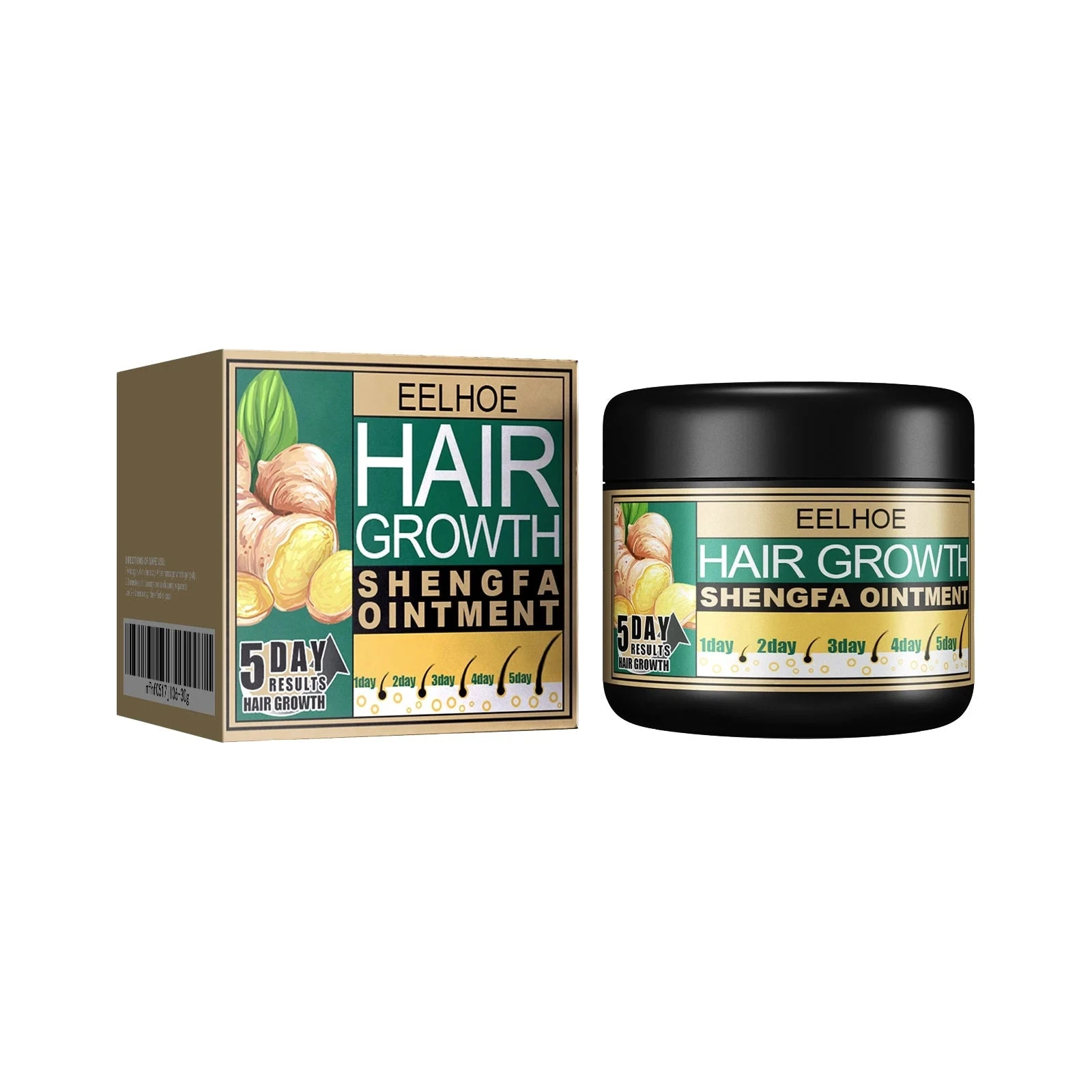
The current product highlights ginger, jojoba oil, collagen protein and vitamin E. That identifies the formula being discussed; it is not evidence that the jar repairs follicles or treats a scalp disease. The pictured routine ends with gentle massage and does not specify a fixed contact-time timer. Follow the jar for frequency and any further instructions.
Choose cream when its placement and texture fit your preference, not because every cream is lighter than every oil. Start with a small amount, particularly around roots that become heavy easily. If you need more coverage, make another parting rather than immediately taking a larger scoop. This adjusts placement before quantity.
Should I oil my scalp or my hair?
Apply a product to the area named in its directions. Both examples here are scalp-directed. Hair lengths and ends have a different care task: softness, detangling and manageability after washing. The AAD's healthy-hair guidance recommends conditioner after shampoo, with placement adjusted to hair type, including the ends for fine or straight hair.
If your roots feel fine but your ends are rough, a scalp moisturizer is unlikely to be the first product to investigate. Review your rinse-out conditioner and how you handle wet hair. If the scalp feels dry while lengths are comfortable, do not coat the whole head with conditioner simply to reach the skin underneath.
You can have both concerns at once. Keep the steps distinct: shampoo for cleansing, suitable conditioner for the lengths, and scalp care only where appropriate. A clear application map also helps you notice whether heaviness is coming from the roots or from too much product through the ends.
How do you introduce one format without overloading roots?
Keep the rest of the routine reasonably consistent and introduce one scalp format at a time. That is a practical way to observe comfort and residue, not a formal home trial that proves an ingredient works. There is no need to start by layering oil and cream over the same parting.
- Identify whether the concern is scalp skin or the hair lengths.
- Read the exact product instructions and avoid treating persistent flakes as simple dryness.
- For either featured product, wash and dry the hair first.
- Part hair, place a small amount on the intended scalp area and spread gently.
- Check comfort and residue before adding more or choosing a schedule.
After application, notice whether the area feels comfortable and whether the roots remain manageable. A little surface sheen from an oil is different from a thick coating that transfers or makes hair difficult to arrange. Stinging, increased itching or new irritation is a reason to stop and reassess, not to massage longer.
If residue remains at the next wash, clean the scalp gently and review the amount used. Do not compensate by scratching with nails or aggressively brushing the scalp. The AAD recommends applying shampoo primarily to the scalp to wash away buildup and excess oil while avoiding unnecessary drying through the lengths.
Do you need scalp oil and scalp cream together?
Not necessarily. Neither product's directions establish that layering these two formulas gives a better result. Start by choosing the format that meets the identified task. Using both makes the routine more complicated and increases the amount you must distribute under the hair.
A scalp moisturizer also does not need to be the richest product available. Comfort, ease of placement, ingredient tolerance and residue are useful decision criteria. If you dislike both an oil finish and a cream near your roots, compare a clearly identified water-based option rather than forcing either format into the routine.
For a broader discussion of symptoms and textures, our dry-scalp serum selection guide explains why dryness, dandruff and irritation should not be treated as identical concerns. That distinction comes before choosing a bottle or jar.
What should you check before choosing?
Confirm the exact product and its intended area, then read the complete available ingredient information and method. For these examples, remember the size distinction: 30ml dropper oil versus 30g cream jar. Both start after washing and drying; neither should inherit an overnight schedule from a generic hair-oiling article.
Choose the product-details link that matches your preferred format and check your own label when it arrives. If the scalp problem is persistent or changing, resolve that uncertainty before making a cosmetic texture choice the centerpiece of your routine.
Sources and product information
Product information and images were checked October 18, 2026. The AAD and Cleveland Clinic sources support general care guidance and its limitations; neither endorses these products. No head-to-head absorption test, dandruff treatment claim or measured hair-growth outcome is presented here.