
A scalp density serum should be judged by what its claim measures: visible fullness, reduced breakage, less shedding or a measured change in hair density. These outcomes are related to appearance in different ways, but they are not interchangeable. Read the finished-product evidence before using a density label to choose a treatment.
This guide is a claim-reading and shopping worksheet. It compares everyday-care formats using GinGrowth specifications checked October 1, 2026, without assigning them an unverified density result.
What Is a Scalp Density Serum?
Density serum is a marketing category used for different formulas. Some products emphasize fuller-looking hair, while others present studies about growth or shedding. The name alone does not identify the ingredients, medical status or expected result.
Start by saving the exact claim and the small print attached to it. Look for the product name, participants, duration and any other products used. This prevents a claim for a complete regimen from becoming a claim for one bottle in a shopping comparison.
Compare an Everyday-Care Format Separately
The 30ml water-based essence below highlights glycerin and ginger root oil, with dropper placement for scalp care. The 40ml tonic highlights ginger extract, glycerin, sodium PCA and panthenol. GinGrowth sells these products as concrete cosmetic-care options in this comparison.
Their ingredient information helps you compare moisturizing profiles, size and application. It does not demonstrate a measured increase in density. Someone may prefer a small dropper routine without needing to claim it duplicates a studied density treatment.
Swipe the table sideways to compare all columns.
| Your question | What to compare | Next step |
|---|---|---|
| Visible fullness | A cosmetic appearance endpoint | Separate styling changes from measured density. |
| Participant percentage | How many people reported a change | Not that percentage more hair. |
| Measured density | A defined counting method | Look for area, baseline and time period. |
| Regimen study | Several products used together | Cannot isolate one bottle without further data. |
Ingredients Are One Part of the Evidence
A peptide, vitamin or botanical name may explain a formula's positioning. It does not supply a finished-product trial. Concentration, delivery and the full formula can differ from the ingredient research cited in an advertisement.
For practical cosmetic selection, look at moisturizing ingredients and known sensitivities. For a density claim, look at the actual study. Do not use the number of active-sounding ingredients as a substitute for a clear outcome and method.
For a concrete study example, the OneSkin OS-01 Hair study review explains the participants, duration and combined serum-and-dermarolling regimen.
Use Five Questions to Read a Study
Ask who used the product, what they used, what changed, how it was measured and over what period. A consumer survey can describe reported experience; an instrument or hair count measures a different endpoint. Both need clear wording.
A statement that a percentage of participants saw thicker-looking hair is not that percentage more hair. A full-regimen result also cannot isolate a serum's contribution without additional evidence. For examples of these distinctions, see the hair-growth serum evidence guide.
For a specific density-focused example, the Living Proof Density Serum review examines the brand’s reported outcomes and the limits of the publicly described study.
If a lighter scalp-care finish is your immediate priority, review the 30ml Lightweight Scalp Serum with Ginger.
Compare Everyday Formats Alongside Density Evidence
The essence and tonic differ in size and highlighted moisturizing ingredients. Compare these care properties separately from evidence for increased follicle density. GinGrowth sells the two products below.
Swipe the table sideways to compare all columns.
| Detail | 30ml Lightweight Scalp Serum with Ginger | 40ml Ginger Hair Tonic for Scalp & Roots |
|---|---|---|
| Format | Water-based dropper essence | Water-based dropper tonic |
| Ingredient highlights | Aqua, glycerin, ginger root oil, Polygonum multiflorum extract and hydroxyethylcellulose in the ingredient graphic. | Ginger extract, glycerin, sodium PCA and panthenol, alongside aqua, in the product artwork. |
| Application | After washing and drying, apply a small amount to the scalp, massage gently and leave in. The product guide describes daily use. | Part hair, apply a small amount, massage gently for 2–3 minutes and leave on. Follow the current bottle for frequency. |
| Reason to compare | Choose for a light moisturizing step and precise placement along a part. | Choose for a larger dropper format with humectant and conditioning ingredient highlights. |
View 30ml Lightweight Scalp Serum with Ginger or compare 40ml Ginger Hair Tonic for Scalp & Roots. Review the current product page for price and package details.
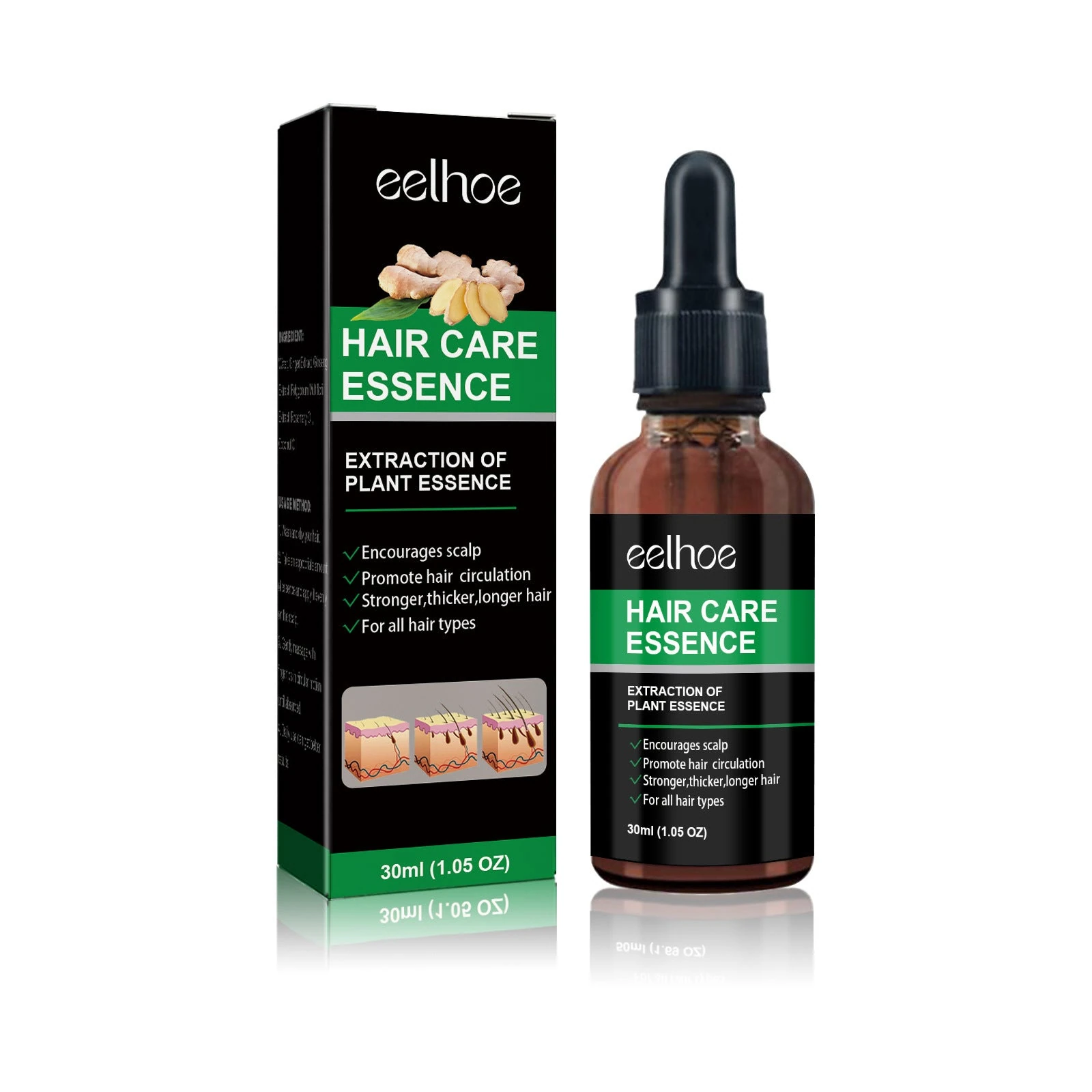
The essence contains ginger root oil within a water-based formula. That is different from buying a bottle of pure essential oil. Glycerin provides a concrete moisturizing ingredient to compare, while the dropper helps direct a small amount to the scalp. Use the finish on your own hair as the practical test: controlled placement matters more than saturating the roots or spreading scalp care through the lengths.
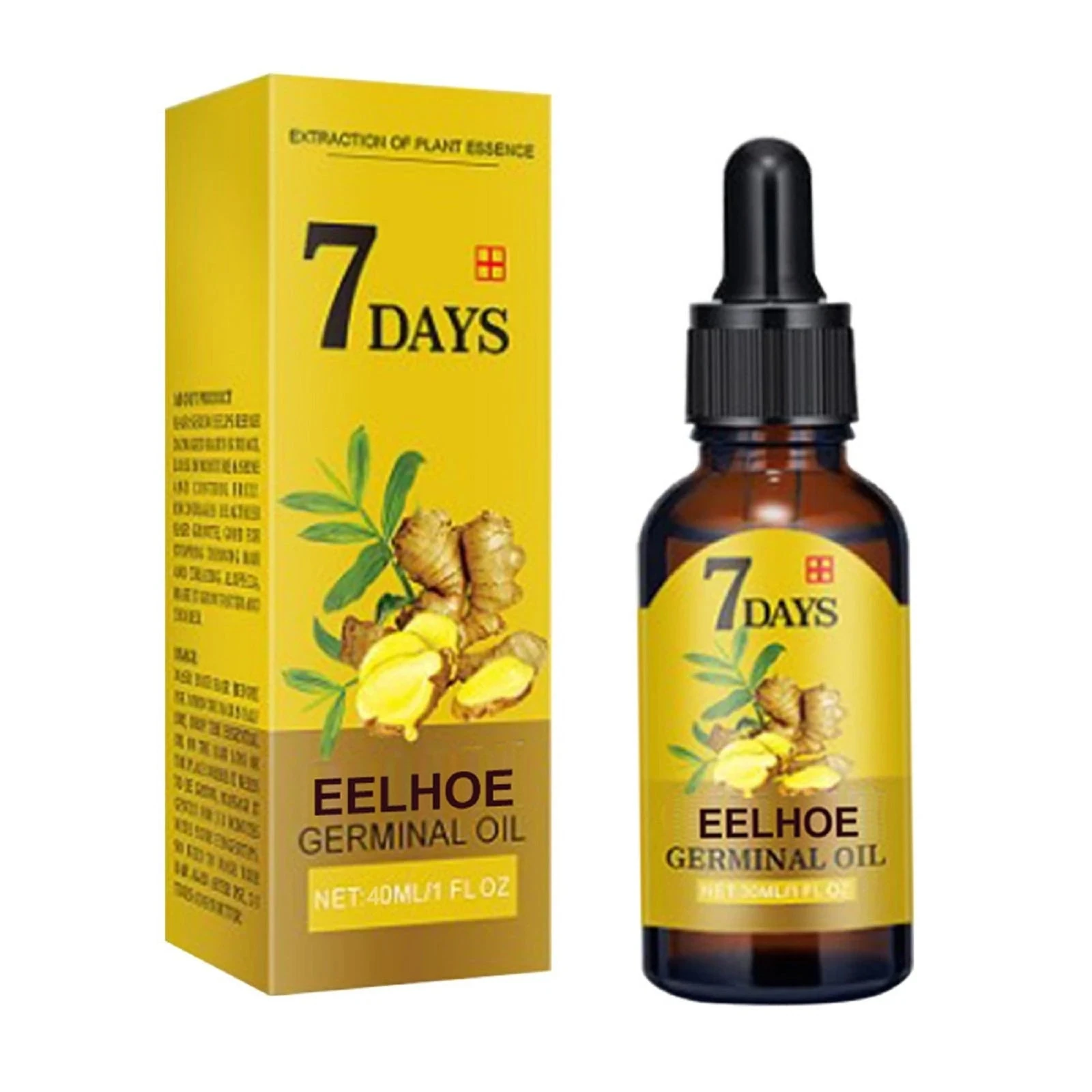
Glycerin and sodium PCA are moisture-binding ingredients, while panthenol is used for conditioning. The highlighted ingredient graphic is not a percentage breakdown. The word tonic describes this product choice; it does not establish a stronger concentration than the smaller essence. Compare the ingredients you prefer and whether direct dropper placement feels convenient in your routine.
Apply the Chosen Product on Its Own Terms
After selecting the role and evidence, read the directions. Confirm preparation, area, amount, frequency and rinse requirement. A product's study schedule should not be borrowed by an unrelated essence or tonic.
Part the hair to reach the scalp and distribute gently when directed. Avoid applying extra liquid to make the roots look wet, and do not mix formulas to create an intensive version. Accurate placement helps routine consistency but does not establish a treatment result.
For a shedding-focused example, the Bondi Boost Lock Drops evidence review explains the named formula, reported consumer study and daily-use commitment.
Define What You Will Track
For cosmetic care, record comfort, root residue and ease of styling. For a density treatment, follow the clinician's or study-relevant review plan. Photographs taken with similar lighting, parting and hair condition can help describe a change, but casual photographs are not a validated hair count.
The AAD explains that minoxidil may take six to twelve months before results are apparent. That timeline applies to the treatment guidance, not to every serum sold with a density label.
Mistakes That Make Density Claims Misleading
Do not turn less breakage into proof of more follicles. Do not compare one brand's participant percentage with another brand's instrumental measurement as if they were the same score. Do not leave out companion products when describing a regimen study.
Avoid attributing normal day-to-day styling variation to a new formula. Root volume can change with washing, drying and product residue. A useful observation keeps those conditions visible rather than choosing only the most flattering photograph.
Price is not a measure of evidence either. Compare the actual routine commitment and current cost after deciding that the product's claim addresses your goal.
For another reported density result, the Coco & Eve density-claim review explains the retailer’s claim and the missing public protocol details.
When the Cause of Thinning Needs Attention
Changing density can have different causes, and a serum cannot diagnose them from an ingredient list. Arrange an assessment for sudden or patchy loss, symptoms on the scalp or progressive changes that concern you.
The AAD's treatment guidance begins with finding the cause. A dermatologist may examine the hair and scalp and use testing when appropriate. Bring the product information you are considering so the discussion can address the exact claim and routine.
Frequently Asked Questions
Does fuller-looking mean more hairs?
Not necessarily. It is an appearance claim unless the evidence specifically measures a change in hair count or density.
Is a survey percentage a density increase?
No. It usually describes the proportion of participants giving a response. Read the exact question and study conditions.
Can I compare a regimen study with one bottle?
You can examine the claim, but must keep the complete regimen condition visible. It does not isolate that bottle's effect.
What if I only want light scalp care?
Compare formula, finish and application directly. That cosmetic preference does not require an invented density claim.
Choose the Outcome Before the Bottle
Keep the claim, evidence and intended result together. If your decision is a cosmetic moisturizing step, compare the essence and tonic below on their verified specifications. If your decision is treatment for changing density, start with the cause and relevant clinical guidance.
Compare lightweight scalp care while tracking density under consistent conditions.
Sources and Product Information
- AAD: Hair loss—Diagnosis and treatment — Official guidance accessed October 1, 2026; applies to the stated topic, not a trial of GinGrowth products.
GinGrowth product details were checked October 1, 2026. This guide compares published information and current product specifications; it does not report a GinGrowth clinical trial or personal use test.