
An anti-dandruff scalp serum routine should follow the exact leave-on label and your dandruff-shampoo instructions. Decide which product treats dandruff, which one cleanses, and whether you need a separate moisturizing step. There is no single daily, twice-weekly or overnight schedule that applies to every scalp serum.
This guide focuses on wash days, between-wash use and troubleshooting. For help choosing an active ingredient or comparing labeled treatments before buying, start with the anti dandruff serum selection guide. Product and source information was checked on October 1, 2026; the drug-label examples below are US versions.
What Makes Scalp Serums Different from Anti-Dandruff Shampoos?
Dandruff shampoo is a rinse-off treatment used according to its label, including any time it needs to remain on the scalp before rinsing. A labeled anti-dandruff leave-on is designed to stay on. A cosmetic serum may instead provide moisturizing care. These formats can serve different needs; you do not automatically need all three.
The American Academy of Dermatology recommends following dandruff-shampoo directions and adjusting washing practices to hair type. Some shampoos need contact time before rinsing. More time is not always better, and leaving a rinse-off formula on overnight is not a way to turn it into a serum.
Separate the scalp from the hair lengths when planning care. Your scalp may need a dandruff treatment while your lengths need conditioning. Applying extra scalp product through the hair can leave residue without improving placement where the treatment is intended to go.
For a specific between-wash treatment, the Jupiter Restoring Serum label guide describes its labeled anti-dandruff role and current product directions.
Which Ingredients Determine the Product's Job?
For a US anti-dandruff drug, look at the active ingredient and labeled use. Head & Shoulders BARE Itchy Scalp Relief Serum, for example, lists pyrithione zinc 0.1% and says it helps prevent recurrence of flaking and itching associated with dandruff. That supported benefit belongs to the specified treatment.
Glycerin in a cosmetic serum provides a different reason to consider the product: moisturizing care. Menthol or peppermint can contribute a cooling sensation in some formulas, but sensation alone does not measure dandruff control. The complete ingredient list also matters if you have reacted to a product before.
Before arranging a routine, write down each bottle's job in one sentence. “Treat dandruff using the labeled active,” “cleanse everyday oil and buildup” and “add a light moisturizing step” are more useful than calling everything a scalp treatment. If two new products do the same job, you may not need to introduce both.
How to Use an Anti-Dandruff Scalp Serum Correctly
First, copy the schedule from your exact label
Frequency is product-specific. These examples illustrate why a generic instruction such as “use three times a week” can be misleading. They are label comparisons, not a prescription to use several treatments together.
Swipe the table sideways to compare all columns.
| Product | Frequency on the reviewed label | Application distinction |
|---|---|---|
| BARE Itchy Scalp Relief Serum | Affected areas one to four times daily. | Damp or dry scalp; pointed nozzle; distribute gently; do not rinse. |
| Royal Oils Instant Soothe Scalp Elixir | Affected areas one to four times daily or as directed by a doctor. | Section hair as needed; pump onto exposed scalp, massage; do not rinse. |
| Royal Oils Daily Moisture Scalp Cream | Affected areas one to four times daily or as directed by a doctor. | Damp or dry scalp; nozzle application; massage; do not rinse. |
| An unrelated moisturizing or exfoliating serum | Read that exact formula’s instructions. | The schedules above cannot be copied to another product. |
The Royal Oils Elixir label describes sectioning hair and using its pump to cover exposed scalp. The Royal Oils Cream label describes a nozzle on damp or dry scalp. These instructions should not be transferred to a different dispenser or a 30ml cosmetic dropper.
Check warnings with the directions. The BARE label identifies flammability and warns against use near flame or while smoking. The treatment labels advise avoiding the eyes and stopping use to ask a doctor if the condition worsens or does not improve with directed use. Review the current package before starting.
On a wash day
- Use the chosen shampoo as directed. If it is your dandruff treatment, follow its contact time and frequency. Do not replace the treatment step with an ordinary botanical wash because the names sound similar.
- Rinse thoroughly. Keep the scalp-cleansing step distinct from conditioner used for the lengths, following both labels.
- Prepare for the leave-on. Check whether its instructions specify dry, damp or another condition. A towel-dried scalp is not a requirement shared by all serums.
- Part the hair and place the product. Reach the intended scalp area with the applicator, then distribute gently as directed. Avoid scratching or rubbing with your nails.
- Leave on only a leave-on product. Use styling products in their intended areas and avoid adding unrelated layers to an uncomfortable scalp.
Between washes
A product that allows dry-scalp use may fit between wash days. That does not mean you should apply every serum repeatedly over oil, residue or irritation. Follow the label and assess whether placement is still practical. If roots feel coated, check the amount and other scalp products before adding more.
For people mainly comparing a separate moisturizing step, view the 30ml lightweight scalp serum. Its current guide describes use after washing and drying, a small amount, gentle massage and leave-in care. Follow that guide rather than copying a daily drug-label frequency from the table.
Where Ginger-Based Scalp Care Fits with Dandruff and Thinning Hair
Ginger-based products can have practical cosmetic roles, but the role depends on the finished formula. The EELHOE 30ml essence sold by GinGrowth combines a water-based format with moisturizing glycerin and ginger root oil. The EELHOE 100ml ginger shampoo provides a rinse-off cleansing step for oil and everyday buildup, with a softer-hair positioning.
Those benefits help you choose everyday care for fine-hair or thinning-hair routines. They do not establish that either product delivers the pyrithione-zinc treatment benefit described above. Likewise, reducing dandruff-related flaking is not proof of hair regrowth. New or progressive thinning is a separate concern to discuss with a clinician.
Compare a Light Leave-In Step with a Rinse-Off Wash
GinGrowth sells both products in this comparison. Choose only the additional job your routine needs, with any existing dandruff treatment kept in its intended role.
Swipe the table sideways to compare all columns.
| Detail | Lightweight Scalp Serum with Ginger | Ginger Shampoo for Thinning Hair |
|---|---|---|
| Format and size | 30ml water-based dropper essence. | 100ml liquid shampoo in a flip-top bottle. |
| Reason to choose | Moisturizing care with glycerin and controlled scalp placement. | Cleanses oil and everyday buildup, with a softer-hair focus. |
| Ingredient highlights | Ginger root oil, glycerin and Polygonum multiflorum extract. | Ginger, coconut oil and Polygonum multiflorum. |
| Routine step | A small amount after washing and drying; gentle massage; leave in. | Wet hair and scalp, lather, massage gently and rinse thoroughly. |
| Relationship to dandruff treatment | Optional cosmetic care; not established as a dandruff-treatment substitute. | Ordinary cleanser; not established as a medicated dandruff shampoo. |
Choose the lightweight scalp serum to compare targeted moisturizing care in a 30ml dropper. View the 100ml ginger shampoo for an ordinary cleansing step. Current ingredient highlights and application details are available on each product page.
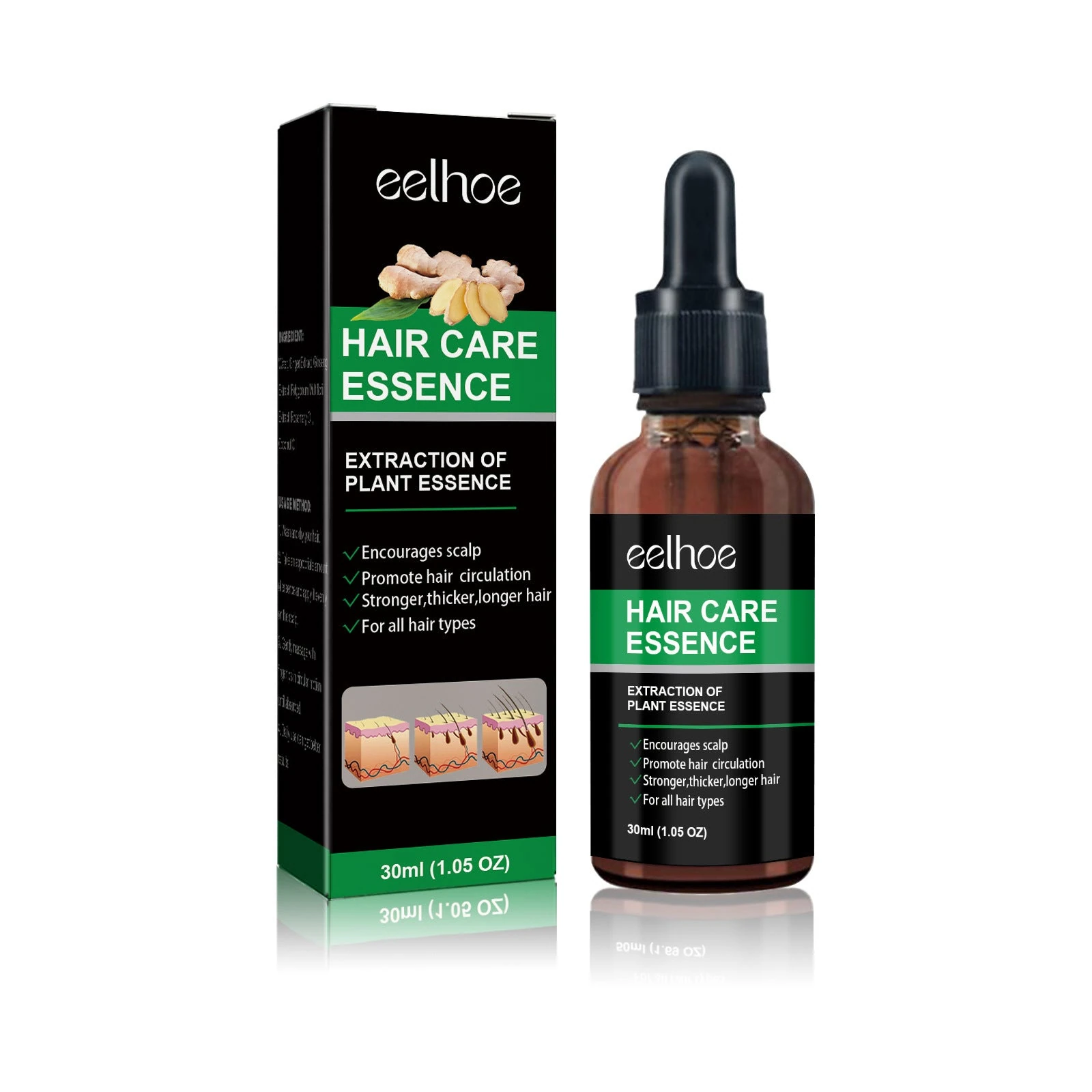
Use the essence's dropper to reach the scalp along a part rather than spreading it across the full length of the hair. Its ingredient graphic lists aqua, glycerin, ginger root oil, Polygonum multiflorum extract and hydroxyethylcellulose. Water-based describes its format; it does not mean the formula has no oil ingredient.
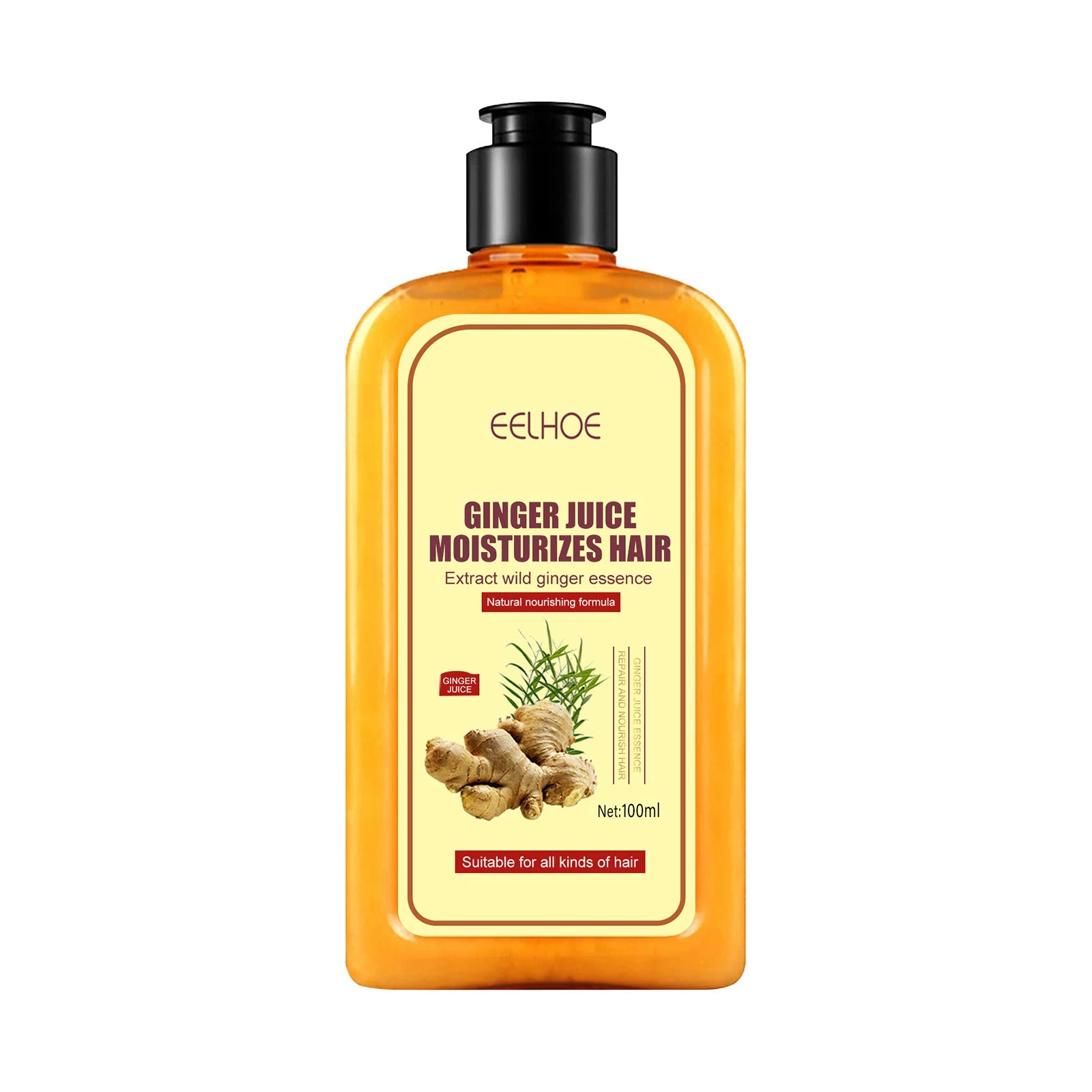
The ginger shampoo is a liquid rinse-off cleanser. Its current guide describes wetting the hair and scalp, lathering, gentle fingertip massage and thorough rinsing. A second cleanser is optional. The AAD explains that normal shampoo and conditioner can follow dandruff shampoo if needed for hair care. This offers a practical place for ordinary cleansing when you need it, while the dandruff product keeps its treatment role.
What to Expect: Track Results Without a Generic Countdown
Track the result the product is meant to deliver. An anti-dandruff treatment may help prevent recurrent dandruff flakes and itch; a moisturizing essence is selected for a different care need. Feeling a cooling sensation immediately is not the same measurement as fewer recurring flakes.
Swipe the table sideways to compare all columns.
| Record | What to note | Why it helps |
|---|---|---|
| Product and application | Exact name, labeled schedule, amount instruction and scalp placement. | Checks that the routine matches the product you chose. |
| Flakes and itch | Whether they are better, unchanged or worse at a similar point in the wash cycle. | Separates the intended treatment outcome from a fresh-wash effect. |
| Comfort and residue | Stinging, redness, coated roots or a comfortable finish. | Shows whether the routine is tolerable and practical. |
| Changes and next review | New products, missed applications and the label or clinician’s review advice. | Makes it easier to discuss persistent symptoms without guessing. |
This is a practical observation log, not a diagnostic test or a promise of improvement. Use consistent lighting and a similar point in your wash cycle when comparing visible flakes. Otherwise, a freshly washed photo and a much later between-wash photo can make the routine appear better or worse for unrelated reasons.
There is no verified universal sequence of itch relief in week one, fewer flakes by week three and thicker hair by week eight for all scalp serums. Follow the chosen treatment's review advice. The AAD recommends seeing a dermatologist for severe dandruff or symptoms that do not improve with appropriate care.
Common Mistakes and How to Troubleshoot Them
My roots look greasy after serum
Check the amount, where you apply it and whether another product already coats the scalp. A dropper can deposit formula on the hair surface if the scalp is not exposed. Use the instructed amount and placement; do not keep increasing a treatment dose to compensate for poor application.
My scalp stings, but I thought that meant it was working
Stinging is not evidence of follicle stimulation or a stronger dandruff benefit. Stop a product that causes a reaction and seek advice when needed. Adding an exfoliating scrub or another cooling product can make it harder to identify the cause.
I changed shampoo, serum and scalp oil at once
Keep a record of the changes. Introducing several new optional products together makes it difficult to know which one improved comfort or caused residue. Build around the required treatment and add cosmetic steps only for a clear reason.
I want to combine anti-dandruff serum with minoxidil
Ask a pharmacist or clinician how the exact products fit together. Applying them at different times does not automatically establish compatibility. Do not mix medication with a cosmetic serum in a bottle or in your palm.
The flakes return when I stop
Review the product's maintenance instructions or your clinician's plan. Some treatment labels specifically address recurrence. That does not justify inventing a once-weekly maintenance dose for every leave-on or using unlimited amounts whenever flakes return.
Who Should Consider a Leave-On Routine?
A labeled leave-on may be an option when targeted scalp application suits your needs and the formula fits your treatment plan. A person whose dandruff is managed by shampoo may have no reason to add another treatment. Someone seeking a lighter moisturizing step can compare that cosmetic job separately.
Persistent redness, severe itch, sores or unexplained loss of hair need assessment. If seborrheic dermatitis is part of the picture, read the guide to scalp serum and seborrheic dermatitis care for the distinction between treatment and optional cosmetic care. Do not assume every flaky scalp has the same cause.
Frequently Asked Questions
Can I use an anti-dandruff scalp serum every day?
Use it daily only when that matches the exact instructions. The US BARE, Royal Oils Elixir and Royal Oils Cream labels compared here include daily use. An unrelated serum may have another schedule, so those labels do not establish a category-wide rule.
How often should I use scalp serum with anti-dandruff shampoo?
Keep each product's frequency separate and check that the combination is appropriate. The shampoo's wash schedule does not automatically set the serum schedule. Ask a pharmacist or clinician when combining treatments or when the instructions do not answer your situation.
Which serum or tonic pairs with anti-dandruff shampoo?
Decide whether you need additional dandruff treatment or a separate moisturizing step. Compare the full formula, label and tolerance; the words “serum” and “tonic” do not guarantee compatibility. GinGrowth's 30ml essence can be considered for everyday moisturizing care, not as an assumed replacement for the shampoo's treatment role.
Should I wash my hair before every application?
Not every leave-on requires a fresh wash. BARE and Royal Oils Cream allow damp or dry scalp use on their US labels. Follow the exact bottle and keep your wash routine appropriate to your hair type and treatment plan.
How long will a 30ml bottle last?
That depends on the instructed amount, area and frequency. Without a verified amount per application, a four- or six-week estimate would be guesswork. Drops and full droppers are different units, and applicators vary.
Can I leave anti-dandruff shampoo on overnight instead?
Follow the shampoo's rinse-off instructions. A leave-on formulation has its own use directions; it does not make an overnight shampoo experiment equivalent.
Build a Routine Around Clear Product Roles
Start with the dandruff treatment you need, follow the actual schedule and use careful scalp placement. Add cleansing or moisturizing care only when it serves a separate purpose you can identify and assess.
Comparing a light moisturizing step for your routine? Review the 30ml essence's water-based formula, glycerin and dropper application before choosing.
Sources and Product Information
Sources checked October 1, 2026: AAD's How to Treat Dandruff and the US DailyMed labels linked above. BARE version 1 was published November 17, 2025; Royal Oils Elixir version 8 and Cream version 7 were published December 22, 2025. Manufacturer labels establish the stated use and directions, not a head-to-head effectiveness ranking or current store availability. Cosmetic specifications come from the current GinGrowth product pages.