
The Hair Lab Scalp Soothing Serum needs a complete manufacturer and product-label match before a formula can be reviewed. This review could not verify a current exact label for that name. The guide therefore focuses on the practical choice behind the search: when an ordinary soothing or moisturizing product is relevant, what its label should establish and when persistent symptoms need a different next step.
Resolve Which Hair Lab You Mean
Hair Lab is not enough information to identify one manufacturer or one formula. Similar wording can appear in salon names, product ranges and unrelated businesses. Request the complete brand name, product name and readable back label of the item being sold.
This guide does not infer a niacinamide, aloe, oat or fragrance-free formula from the word soothing. It also does not conclude that the named product never existed; it records that its current exact label remains unverified.
For the routine side of the question, the Hair Lab routine checklist focuses on symptom timing and label verification without inventing a product-specific dose.
Choose by the Main Sensation and Its Timing
Write down whether the scalp feels tight after washing, itchy after a new product, sore beneath a style or persistently flaky. Timing can help frame the next question even though it does not establish a diagnosis.
For example, discomfort that begins after hair dye should not automatically be treated as a need for a more concentrated serum. Stop a product that worsens symptoms and seek appropriate advice rather than adding several new products to mask the reaction.
If discomfort is the main reason for shopping, choosing scalp care for itch distinguishes dryness, recurrent dandruff and reactions before comparing products.
Swipe the table sideways to compare all columns.
| Decision | Documented detail | Purchase implication |
|---|---|---|
| Identity | Complete Hair Lab label unverified | Ask for manufacturer and back label |
| Goal | Ordinary moisture versus persistent symptoms | Avoid a one-serum-for-everything claim |
| Formula | Full ingredients and current directions | Check which ingredients the exact formula contains |
Understand What Soothing Can Mean
A cosmetic may help a dry scalp feel more comfortable without treating every cause of itch. The AAD explains several possible causes, which is why comfort language should not replace a precise intended use.
Look for the outcome actually described: moisturized feel, less visible dryness or a measured symptom result. “Calms inflammation” is a stronger statement than “helps the scalp feel comfortable” and needs relevant evidence for the finished product.
Read the Complete List and the Highlight List Separately
A highlight panel may mention two attractive ingredients while omitting fragrance, preservatives or other formulation components. If you avoid a particular ingredient, obtain the complete current INCI list.
Humectant ingredients such as glycerin can explain a moisture-related care role, but an ingredient name does not disclose its concentration or prove a clinical result. Do not construct a Hair Lab formula from what other soothing serums commonly contain.
For the separate everyday-care choice, review the 40ml Ginger Hair Tonic for Scalp & Roots.
Compare Verified Ordinary-Moisture Specifications
The GinGrowth products have their own facts; no exact Hair Lab formula or clinical equivalence is asserted. GinGrowth sells the two products below.
Swipe the table sideways to compare all columns.
| Detail | 40ml Ginger Hair Tonic for Scalp & Roots | 30ml Lightweight Scalp Serum with Ginger |
|---|---|---|
| Format | Water-based dropper tonic | Water-based dropper essence |
| Ingredient highlights | Ginger extract, glycerin, sodium PCA and panthenol, alongside aqua, in the product artwork. | Aqua, glycerin, ginger root oil, Polygonum multiflorum extract and hydroxyethylcellulose in the ingredient graphic. |
| Application | Part hair, apply a small amount, massage gently for 2–3 minutes and leave on. Follow the current bottle for frequency. | After washing and drying, apply a small amount to the scalp, massage gently and leave in. The product guide describes daily use. |
| Reason to compare | Choose for a larger dropper format with humectant and conditioning ingredient highlights. | Choose for a light moisturizing step and precise placement along a part. |
View 40ml Ginger Hair Tonic for Scalp & Roots or compare 30ml Lightweight Scalp Serum with Ginger. Review the current product page for price and package details.
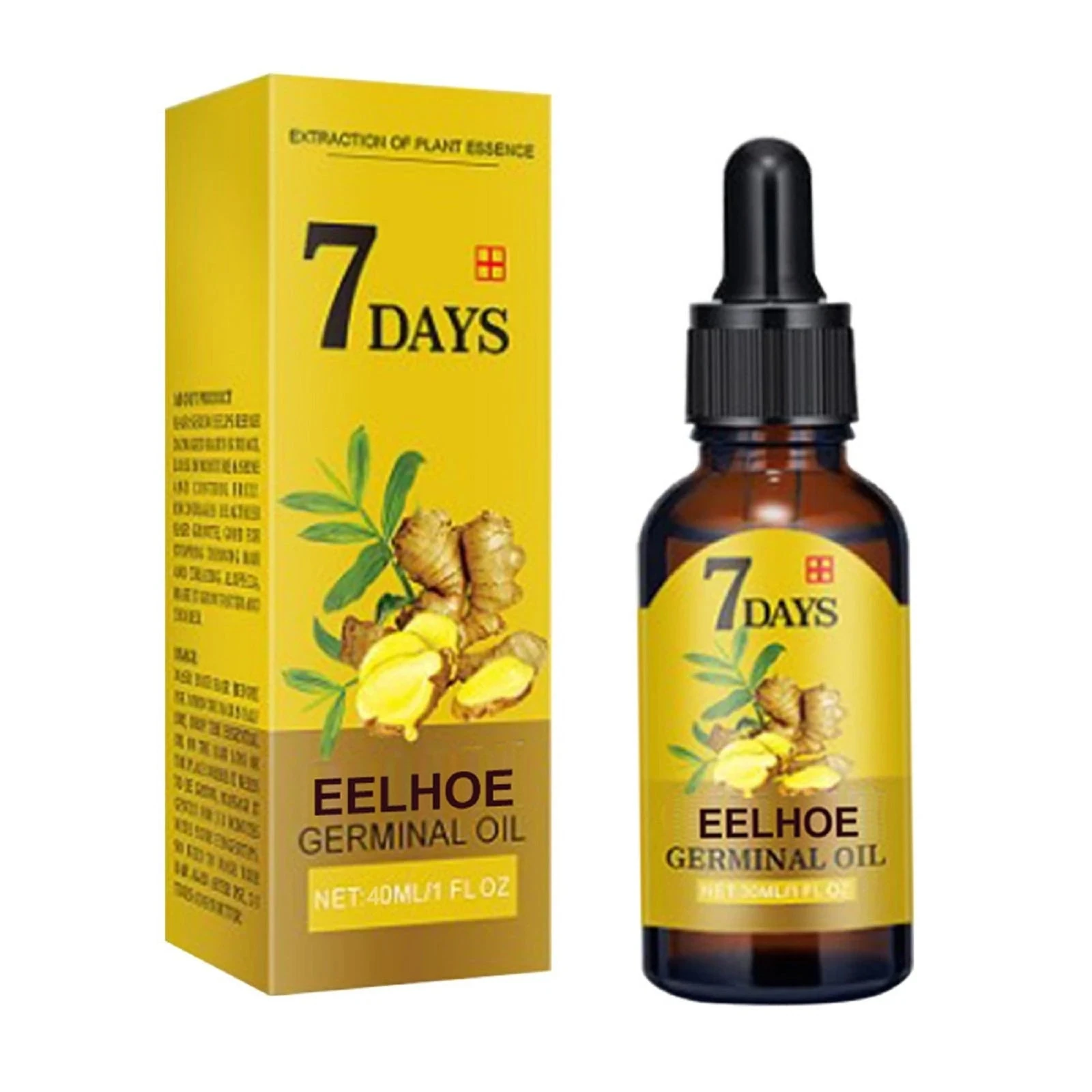
Glycerin and sodium PCA are moisture-binding ingredients, while panthenol is used for conditioning. The highlighted ingredient graphic is not a percentage breakdown. The word tonic describes this product choice; it does not establish a stronger concentration than the smaller essence. Compare the ingredients you prefer and whether direct dropper placement feels convenient in your routine.
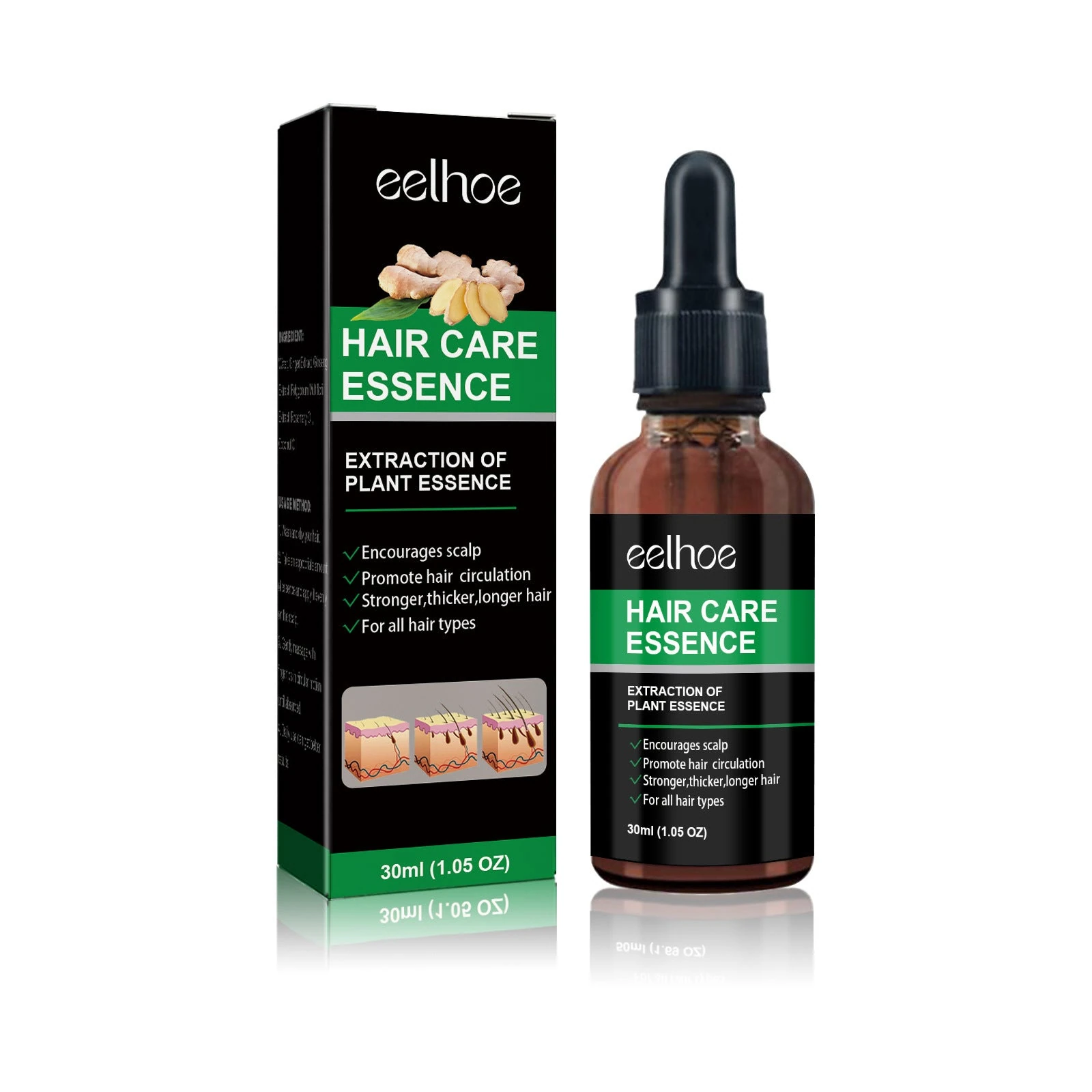
The essence contains ginger root oil within a water-based formula. That is different from buying a bottle of pure essential oil. Glycerin provides a concrete moisturizing ingredient to compare, while the dropper helps direct a small amount to the scalp. Use the finish on your own hair as the practical test: controlled placement matters more than saturating the roots or spreading scalp care through the lengths.
Decide Whether Fragrance Avoidance Is a Requirement
If fragrance is a known trigger or a preference, verify the exact product’s claim and full label. Botanical oils can contribute scent even when a product’s marketing emphasizes natural ingredients.
A patch test may help identify an immediate problem in some circumstances, but it is not a guarantee against every reaction. Ask a clinician about persistent or significant sensitivity rather than repeatedly experimenting with products advertised as gentle.
Compare Moisture Formats by Their Own Facts
GinGrowth sells the tonic and essence below. The tonic highlights glycerin, sodium PCA and panthenol; the essence uses a separate water-based formula with ginger root oil and glycerin among its documented ingredients.
These products offer an ordinary-moisture comparison, not a verified match to The Hair Lab. They are not represented as universally fragrance-free, as medical anti-inflammatory treatments or as solutions for every itchy scalp.
Get the Application Rules before Ordering
A complete label should identify scalp or lengths, damp or dry application, amount, frequency and rinse status. If the seller’s page lacks one of these details, ask for the back label rather than filling it from another brand.
An applicator does not prescribe a dose. Two drops, two pumps and two full droppers are different amounts, and more product is not an evidence-based way to make a soothing claim stronger.
Keep Dandruff Care and Moisture Distinct
Visible flakes can accompany different conditions. The AAD’s dandruff guidance explains the role of the actual treatment and directions. An ordinary moisturizer should not be presented as a substitute for a medicated product.
If symptoms continue despite a simple routine, seek assessment. Repeatedly adding richer layers may make the finish heavier without answering why the scalp is irritated.
Judge a Cosmetic Result without Claiming Regrowth
For a moisture-focused purchase, comfort and a manageable finish are relevant observations. They can be useful even when there is no measured change in hair count.
If thinning continues, the AAD recommends diagnosis-led treatment. Keep a record of the product and symptom timeline so that a cosmetic observation does not become a substitute for identifying the cause.
Frequently Asked Questions
Does this page verify The Hair Lab serum’s ingredients?
No. It explicitly identifies the missing current label and does not invent a formula.
Does soothing mean fragrance-free or medicated?
No. Those are separate properties that need product-specific verification.
Are the GinGrowth options exact substitutes?
No formula or clinical equivalence is established; they are separate ordinary-care choices.
Finish with a Defined Purchase Question
Choose the role you need and obtain the complete label for the actual product. If the main problem remains persistent itch, pain or loss, the useful next step may be assessment. A clear decision is better supported by specific ingredients and instructions than by a soothing-serum category name.
Choose the care role and formula that match your routine.
Sources and Product Information
- AAD: Hair loss diagnosis and treatment — Guidance checked October 1, 2026; not a trial of the cosmetics compared here.
- AAD: Causes of scalp itch — Guidance checked October 1, 2026.
GinGrowth product details were checked October 1, 2026. This guide compares published information and current product specifications; it does not report a GinGrowth clinical trial or personal use test.