
Rinse-out conditioner is applied after shampoo and washed away according to its directions. Leave-in conditioner stays on the hair as a separate conditioning step. Start with a rinse-out product that leaves your lengths comfortable and manageable; consider a suitable leave-in only if your hair still needs extra help. Do not turn a rinse-out formula into a leave-in by simply skipping the rinse.
That difference is more useful than assuming every thick cream is rinse-out or every spray is a leave-in conditioner. Some sprays are intended for the scalp, and some cream products are shampoos. The label's application area and removal instructions decide where a product belongs.
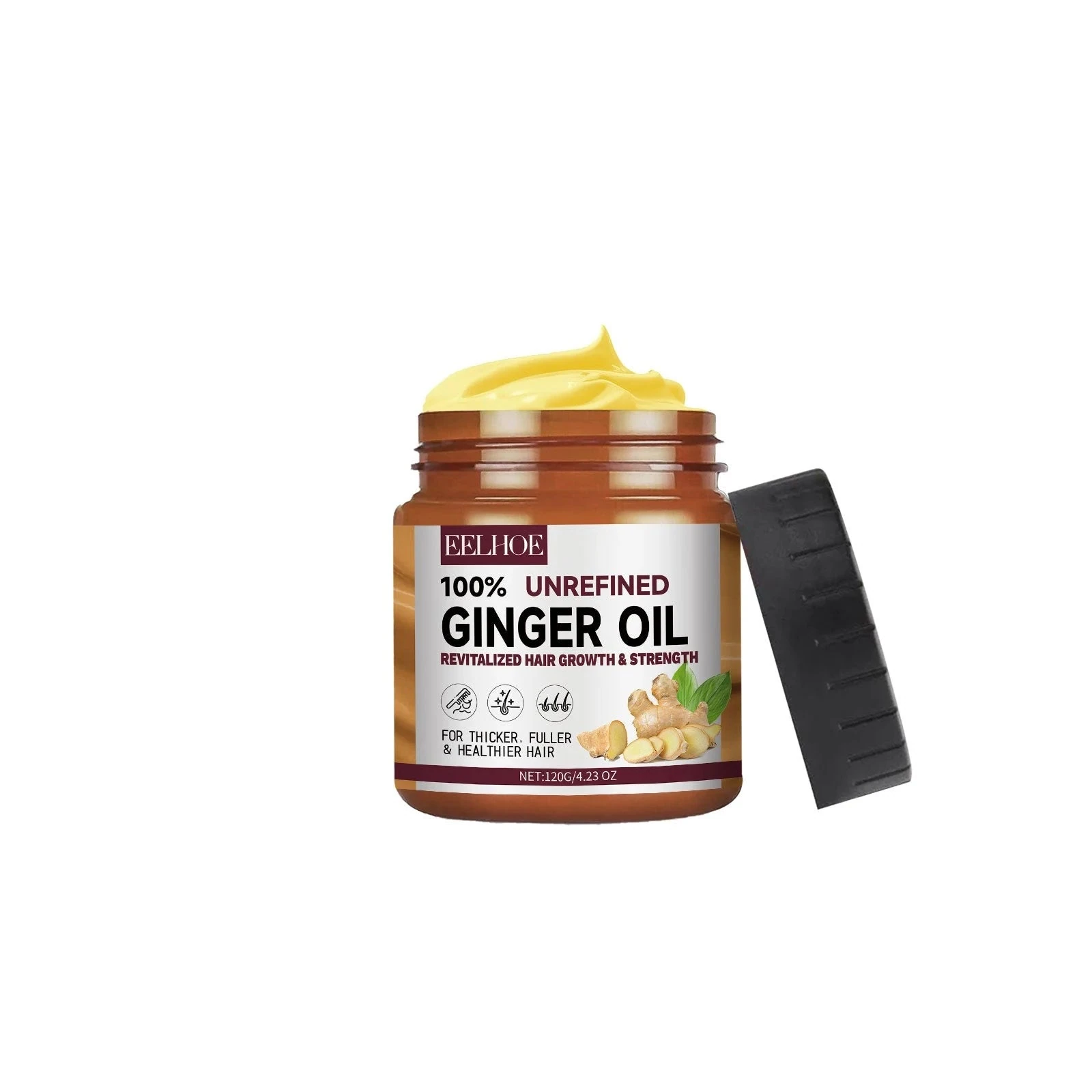
GinGrowth sells the EELHOE ginger jar and rosemary-and-ginger pump conditioner used as examples below. Both are rinse-out products. Neither is presented as a leave-in alternative, and this guide does not claim an independent comparison of their performance.
Leave-in conditioner vs rinse-out: what actually changes?
The main change is what happens after application. A rinse-out conditioner is worked through suitable damp hair, left for the stated interval if one is given, and rinsed before drying or styling. A leave-in is applied in the amount and starting condition its own label specifies, then remains in place.
Both categories may support softness and manageability, but the category name does not prove how heavy a formula will feel. Portion size, placement, hair type and the rest of the styling routine all matter. A fine mist is not automatically weightless, and a conditioner that rinses out can still leave the lengths feeling conditioned.
The American Academy of Dermatology's healthy-hair advice recommends conditioner after washing to moisturize, detangle and make hair easier to manage. It advises applying conditioner to the ends for fine or straight hair, and through the length for dry or curly hair. This supports adapting placement instead of covering every scalp and hair type identically.
On a small screen, swipe or scroll the table sideways to compare all columns.
| Question | Rinse-out conditioner | Leave-in conditioner |
|---|---|---|
| When | After shampoo; rinse before drying | Usually after washing; check wet/dry instructions |
| Removal | Rinse as directed | Leave in as directed |
| Main task | Softness, slip and manageability during wash care | Additional conditioning between washing and styling |
| Application area | Hair lengths and ends, per label | Hair lengths, per label; not automatically scalp care |
| Heat protection | Not implied by conditioning | Only if specifically claimed by the formula |
| Featured products | Both ginger jar and rosemary pump are rinse-out | Neither featured product is a leave-in |
| Need both? | Assess hair after normal rinsing | Optional if the existing routine leaves a need |
Do you need both types of conditioner?
You may use both when the products' directions fit together and your lengths need additional conditioning after normal wash care. You do not need both simply because a routine diagram contains two conditioner steps. Check how your hair feels after using and thoroughly rinsing a suitable conditioner before adding another formula.
For fine hair that loses movement easily, begin with careful placement toward the ends and a modest amount. For dry, curly or coarse lengths, you may need wider distribution through the hair. These are starting considerations, not rules that make a particular texture mandatory for everyone in a hair-type category.
Ask what remains difficult: detangling, a rough finish, excessive heat styling or oily roots. Extra conditioner may be relevant to the first two, but it does not automatically correct every styling habit. If the roots are oily while the ends are dry, our oily-roots and dry-ends routine explains how to treat the areas separately.
Can you use rinse-out conditioner as leave-in?
Use a rinse-out conditioner as directed and rinse it out. Do not dilute it with water or leave a portion in deliberately unless the manufacturer explicitly supports that use. The amount and exposure intended for one formula should not be borrowed for another.
If you accidentally leave some residue, you have not created a new leave-in treatment. Rinse thoroughly, then evaluate the result. If the product repeatedly feels difficult to remove, check whether you are using too much, applying it to areas that do not need it or not allowing water to reach dense sections.
The ginger jar below states a rinse-out method without a fixed minute count in its illustrated guide. The rosemary pump specifies 5–10 minutes before rinsing. That difference shows why generic advice such as “leave every conditioner on for one minute” can be misleading. Neither product's timing establishes an overnight method.
Choose the ginger jar for a rinse-out cream step
The EELHOE ginger conditioner is a formulated cream for rough-feeling lengths and ends. Its ingredient panel lists water, cetrimonium chloride, dimethicone, 1,2-hexanediol and ginger root oil. The packaging includes Ginger Oil wording, but the product is not a bottle of pure oil to spread through dry hair and leave in.
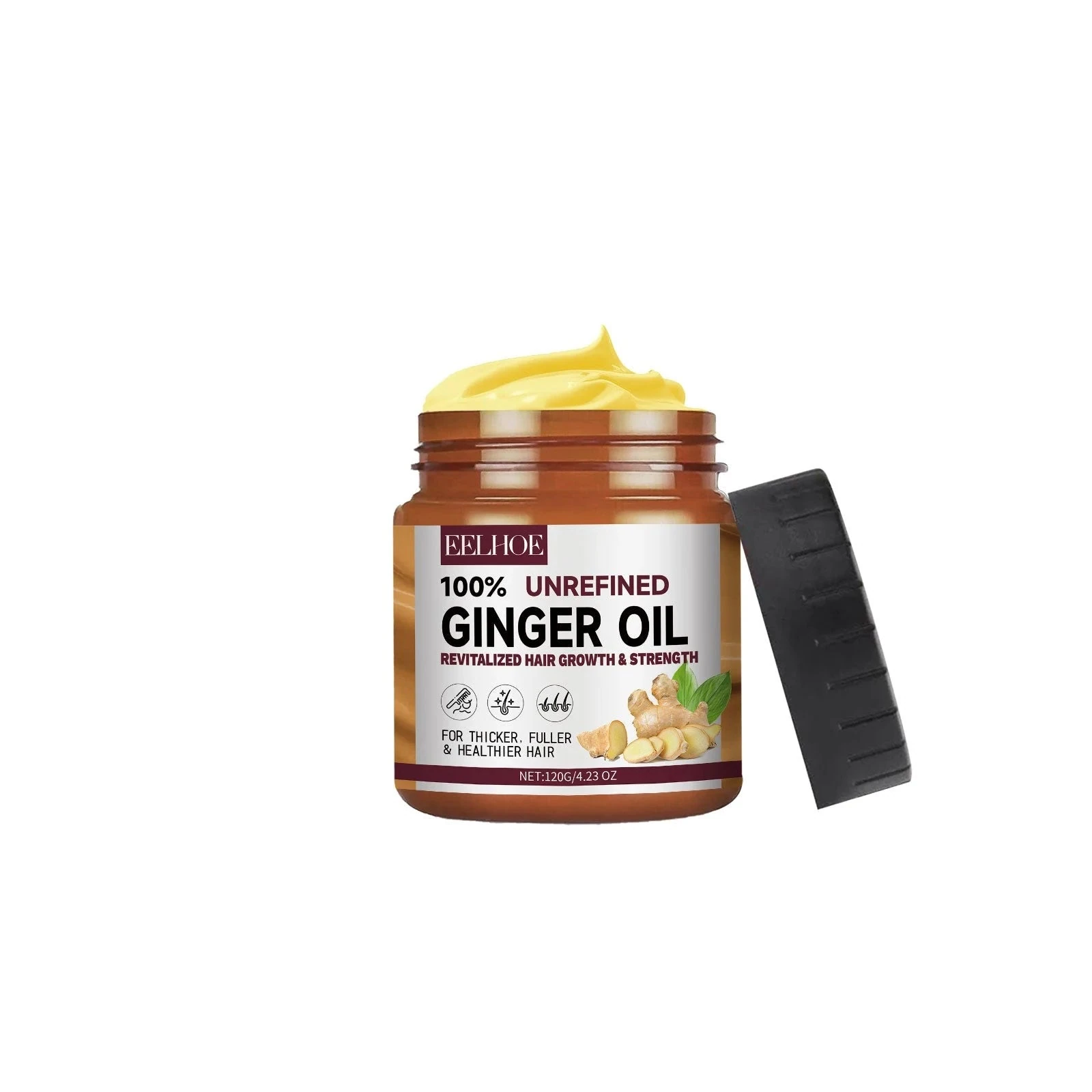
After shampooing and rinsing, gently squeeze out excess water so the hair remains damp. Distribute the cream through the lengths and ends, paying attention to rough or tangled sections. Handle the hair gently, then rinse thoroughly. Follow any contact time printed on your jar; the illustrated product guide does not supply a universal number of minutes.
Choose this option if a jar and cream texture suit your wash routine and these are the conditioning ingredients you want to compare. Some range photographs show rosemary jars or mention coconut care. Those represent separate formulas, not extra products included with the ginger listing. Match your choice to the ginger jar and the current product details.
Choose the rosemary pump for its separate formula and timing
The EELHOE rosemary-and-ginger conditioner comes in a 100ml pump bottle. Its highlights include rosemary, ginger, keratin and shea oil. It is used after shampooing on damp hair, with attention to the lengths and ends, then left for 5–10 minutes and rinsed thoroughly before drying or styling.
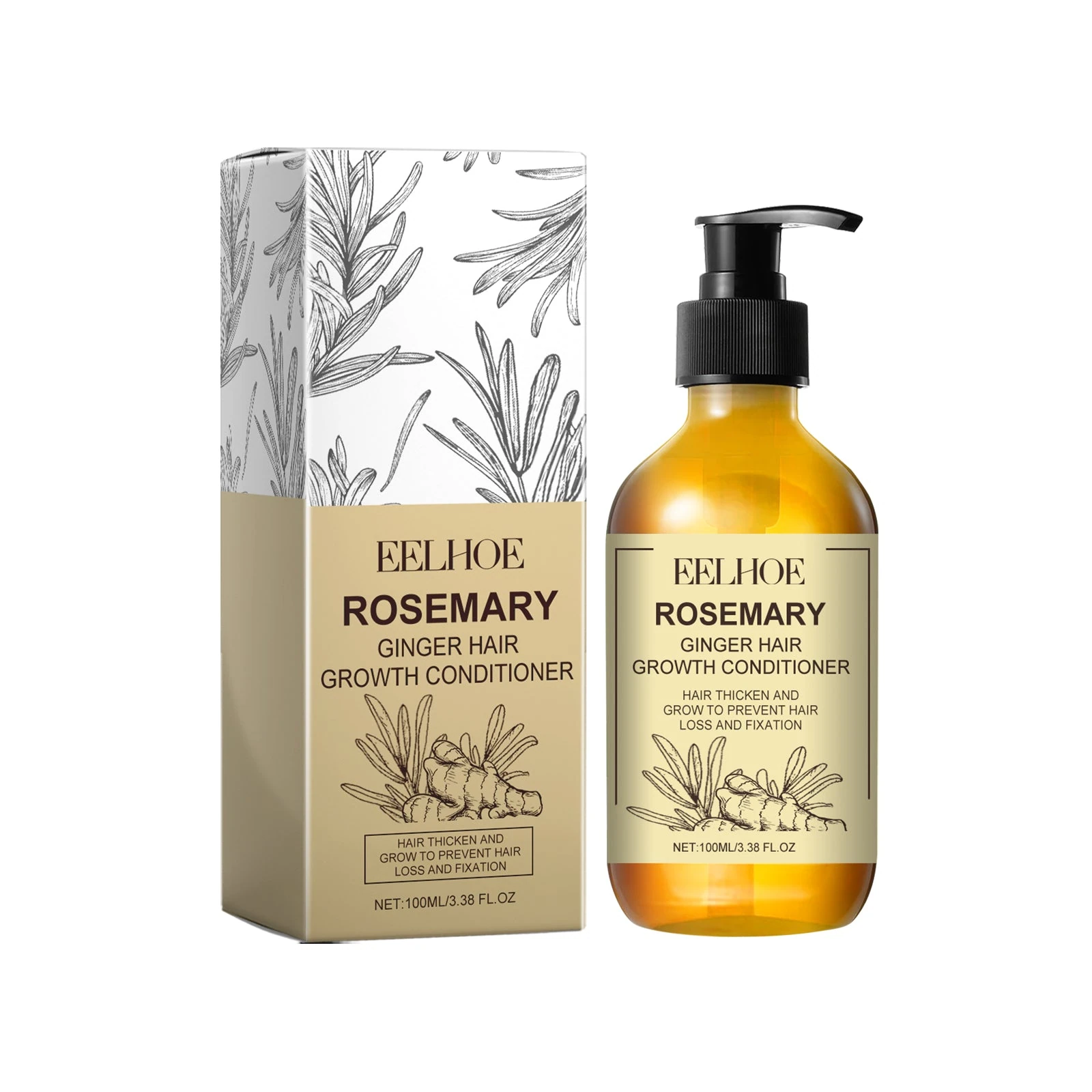
Choose the pump if you prefer dispensing a portion from a bottle and want this ingredient profile. The formula is a different option, not a stronger version established by a head-to-head test. Ingredient names alone cannot show that it will work better for your hair than the ginger cream.
Conditioning can make rough lengths feel softer and more manageable. It does not mean split ends are permanently repaired. If the ends remain visibly split, do not respond by extending the contact time overnight. Keep the product within its intended wash-day role and consider the separate hair maintenance the ends need.
Where does a leave-in fit after washing?
Need help with the wash sequence? Read shampoo before or after conditioner.
A labeled leave-in generally belongs after you finish the rinse-out stages, but its exact wet, damp or dry starting condition comes from the product directions. Gently remove excess water, apply a small directed amount where needed and distribute without pulling. Do not spray a scalp product through the lengths solely because its bottle resembles a conditioning mist.
If you blow-dry or use a hot tool, check for an explicit heat-protection claim and method. A conditioner does not automatically provide that protection, and a leave-in name is not enough. The AAD advises limiting heat, choosing low or medium settings and using a product intended to protect hair from heat.
For the two rinse-out products featured here, the sequence is:
- Shampoo the scalp and rinse completely.
- Keep hair damp and distribute the chosen rinse-out conditioner through the lengths.
- Follow the exact contact time: rosemary pump 5–10 minutes; ginger jar follow its label.
- Rinse thoroughly and gently absorb excess water.
- Only add a separate labeled leave-in if your lengths need it; apply according to that product.
Keep detangling gentle as well. The AAD recommends a wide-tooth comb for wet hair and starting at the ends, then gradually working higher. It notes that thick, curly hair can be combed in the shower before conditioner is rinsed away, while straight hair can be allowed to dry a little before combing. More product is not a substitute for careful handling.
Why does conditioned hair sometimes feel heavy?
A heavy finish may come from the amount, where it was applied, incomplete rinsing or the combination with other products. Change one practical variable first. If roots feel flat but ends feel comfortable, focus the next application farther down the hair rather than abandoning conditioning altogether.
If the whole length feels coated, begin with less and distribute it evenly before taking more. Rinse dense sections carefully. If heaviness begins only after adding a leave-in, review that step's quantity and whether it was needed on that wash day. You can simplify a routine without deciding that an entire category is unsuitable.
Skin discomfort is a different observation from cosmetic heaviness. If a product causes itching, burning or a rash, stop using it and seek advice if the reaction persists. Do not assume that leaving it on longer will allow the hair or scalp to “get used to” it.
What if your hair is gray, colored or damaged-feeling?
Choose conditioning for the actual task: softness, easier handling and care of rough lengths. Gray hair does not automatically need every product labeled for color correction, and a ginger or rosemary ingredient does not establish a color-depositing effect. Our conditioner guide for gray hair separates texture care from tone-related concerns.
Likewise, a damaged-feeling finish is not a reason to use every available mask, cream and spray together. Start with gentle washing, a suitable rinse-out conditioner and careful drying. If you add a leave-in, choose one with a clearly stated role that the existing routine has not already met.
Make your next conditioner choice by the directions
First decide whether you are buying the wash-day step or an additional product that stays on. For the wash-day step, compare the ginger jar and rosemary pump by their actual formula, dispensing format and contact instructions. Both must be rinsed out.
If you specifically need a leave-in, choose a product explicitly labeled for that purpose rather than repurposing either example. Knowing when to rinse, where to apply and what result you are looking for makes the purchase decision clearer than choosing from texture or bottle shape alone.
Sources and product information
The current EELHOE product information and images were reviewed October 18, 2026. AAD guidance supports the general conditioning, detangling and heat-care advice and does not endorse the featured products. No original salon trial, permanent split-end repair or automatic heat-protection performance is claimed.