
A scalp nourishing serum can provide a targeted moisturizing or conditioning step, depending on its formula. Nourishing does not specify a vitamin dose delivered to follicles or establish hair regrowth. Compare the actual ingredients, application directions and finish to decide whether the product solves a care need in your routine.
For shoppers looking for a ginger-focused option, the 40ml Ginger Hair Tonic for Scalp & Roots is one product to consider. Before choosing any scalp serum, it is useful to understand what these products are intended to do, how to apply them, and which buying factors matter most.
- Many scalp serums are leave-on products, but the exact label determines whether to rinse and how often to apply.
- A lightweight formula may be more convenient for regular use than a heavy oil or cream.
- Application technique matters: use the product on the scalp rather than concentrating it only on the hair lengths.
- Read the product directions and ingredient information before adding a new serum to your routine.
- Stop using a product if it causes persistent discomfort, redness, or irritation.
For moisturizing ingredients you can identify on the current product information, review 40ml Ginger Hair Tonic for Scalp & Roots.
What Is a Scalp Nourishing Serum?
A scalp nourishing serum is a scalp-directed formula; the name does not establish its concentration or contact time. Unlike a traditional conditioner, which is usually applied to the mid-lengths and ends, a scalp serum is designed around direct scalp application. Its lightweight format can make it easier to target specific areas without applying a large amount of product.
The word “nourishing” can describe the role a product plays in a personal care routine, but it does not guarantee a particular result for every user. A scalp serum may help make scalp care more consistent by providing a simple application step. The most suitable product will vary according to hair type, scalp sensitivity, styling habits, and personal preferences.
Quick Guide to Choosing a Scalp Serum
Swipe the table sideways to compare all columns.
| What to compare | Why it matters | What to check |
|---|---|---|
| Texture | Determines how the product feels and whether it suits regular use | Look for a texture that does not feel unnecessarily heavy for your hair type |
| Application | A targeted formula is easier to use consistently | Check whether the product is applied with a dropper, nozzle, or another applicator |
| Ingredient focus | Helps you choose a product that matches your preferences | Review the ingredient list and avoid ingredients you already know do not suit you |
| Routine compatibility | A serum works best when it fits naturally into your existing care habits | Consider when you wash, style, and handle your hair |
| Directions and cautions | Clear instructions support safer, more consistent use | Read the label before applying and follow the stated frequency |
If finish is the main purchase question, choosing a lightweight dry-scalp serum compares lighter moisture with a richer oil feel and practical daily use.
Why Use a Scalp Nourishing Serum?
Translate nourishing into a concrete function. Humectants such as glycerin and sodium PCA bind moisture; conditioning ingredients such as panthenol contribute to hair and skin feel. An oil blend offers a different surface-conditioning texture. None of these descriptions means the formula supplies a clinically established nutrient dose to a follicle.
The current 40ml tonic highlights glycerin, sodium PCA and panthenol alongside ginger extract. The 30ml essence highlights glycerin and ginger root oil in a water-based formula. A highlighted ingredient graphic is not a concentration statement or necessarily the full declaration. If a particular vitamin, peptide or fragrance-free claim matters to you, verify it on the complete current package.
A precise applicator can make a modest amount easier to place along a part. That convenience helps you follow the instructions; it does not make the formula biologically stronger. If your scalp already feels comfortable and the extra layer leaves residue, another leave-on may not add value. Keep length conditioning and scalp moisture as separate decisions.
For the moisture-focused decision, comparing hydrating scalp serums explains humectants, finish and the difference between scalp hydration and length conditioning.
How to Apply Scalp Nourishing Serum
- Read the directions. Check the product label or product page for the recommended amount, application frequency, and any cautions.
- Prepare the scalp. Apply the serum as directed, whether that means using it on a clean, dry scalp or following another stated method. Avoid applying more product simply because the scalp feels dry or the hair is thick.
- Create sections. Part the hair gently in several areas so the serum can reach the scalp instead of remaining on the hair surface.
- Apply a small amount. Use the applicator to distribute the product along the desired areas. Keep the application controlled to reduce unnecessary buildup.
- Massage gently if directed. Use the fingertips rather than scratching with the nails. Gentle handling is more comfortable and avoids unnecessary friction.
- Allow it to absorb. Leave the product in place according to the directions. Avoid immediately covering the scalp with additional products unless your routine specifically calls for it.
Choose What Nourishing Means in Your Routine
Glycerin, sodium PCA and panthenol give the tonic concrete care features to compare with the essence’s smaller water-based format. GinGrowth sells the two products below.
Swipe the table sideways to compare all columns.
| Detail | 40ml Ginger Hair Tonic for Scalp & Roots | 30ml Lightweight Scalp Serum with Ginger |
|---|---|---|
| Format | Water-based dropper tonic | Water-based dropper essence |
| Ingredient highlights | Ginger extract, glycerin, sodium PCA and panthenol, alongside aqua, in the product artwork. | Aqua, glycerin, ginger root oil, Polygonum multiflorum extract and hydroxyethylcellulose in the ingredient graphic. |
| Application | Part hair, apply a small amount, massage gently for 2–3 minutes and leave on. Follow the current bottle for frequency. | After washing and drying, apply a small amount to the scalp, massage gently and leave in. The product guide describes daily use. |
| Reason to compare | Choose for a larger dropper format with humectant and conditioning ingredient highlights. | Choose for a light moisturizing step and precise placement along a part. |
View 40ml Ginger Hair Tonic for Scalp & Roots or compare 30ml Lightweight Scalp Serum with Ginger. Review the current product page for price and package details.
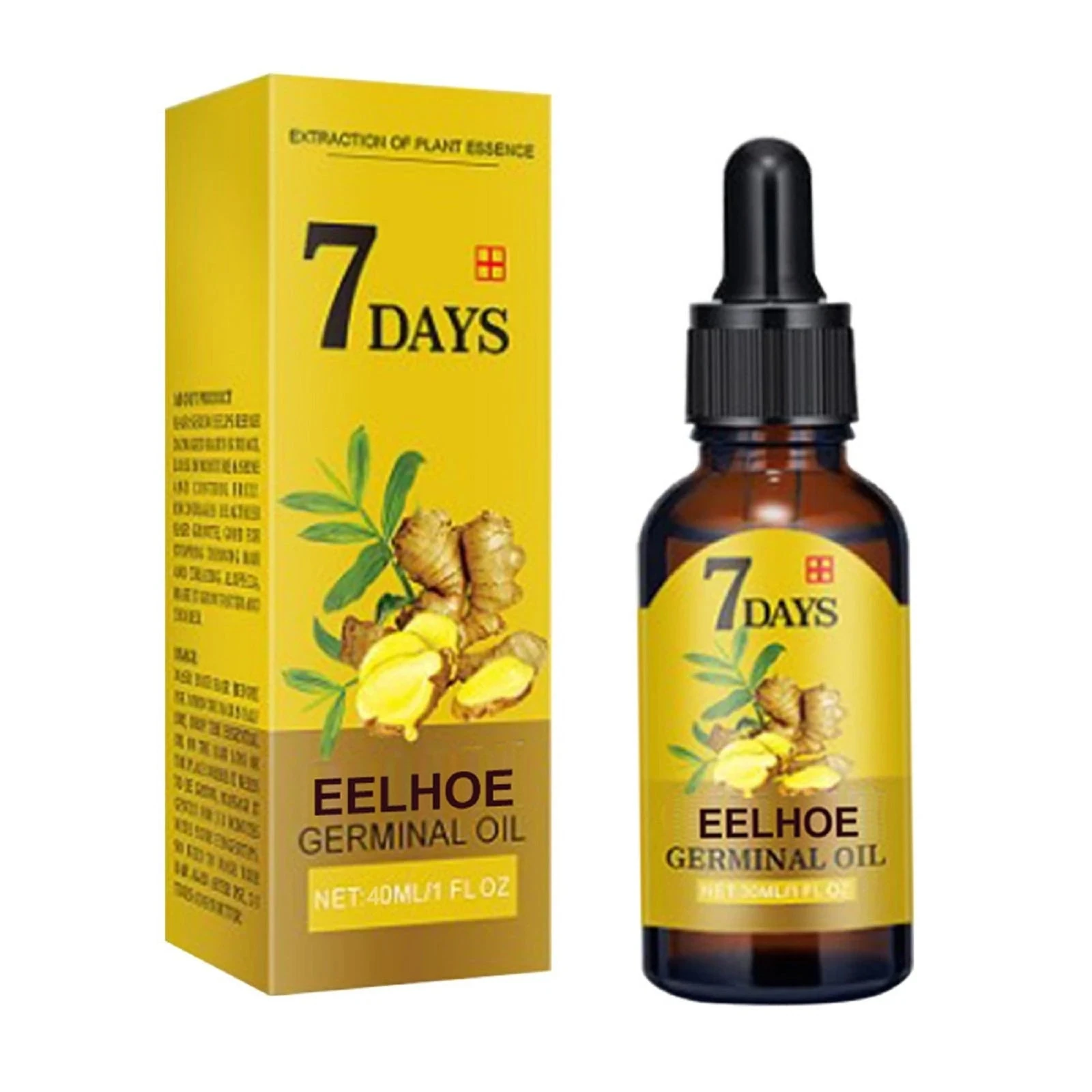
Glycerin and sodium PCA are moisture-binding ingredients, while panthenol is used for conditioning. The highlighted ingredient graphic is not a percentage breakdown. The word tonic describes this product choice; it does not establish a stronger concentration than the smaller essence. Compare the ingredients you prefer and whether direct dropper placement feels convenient in your routine.
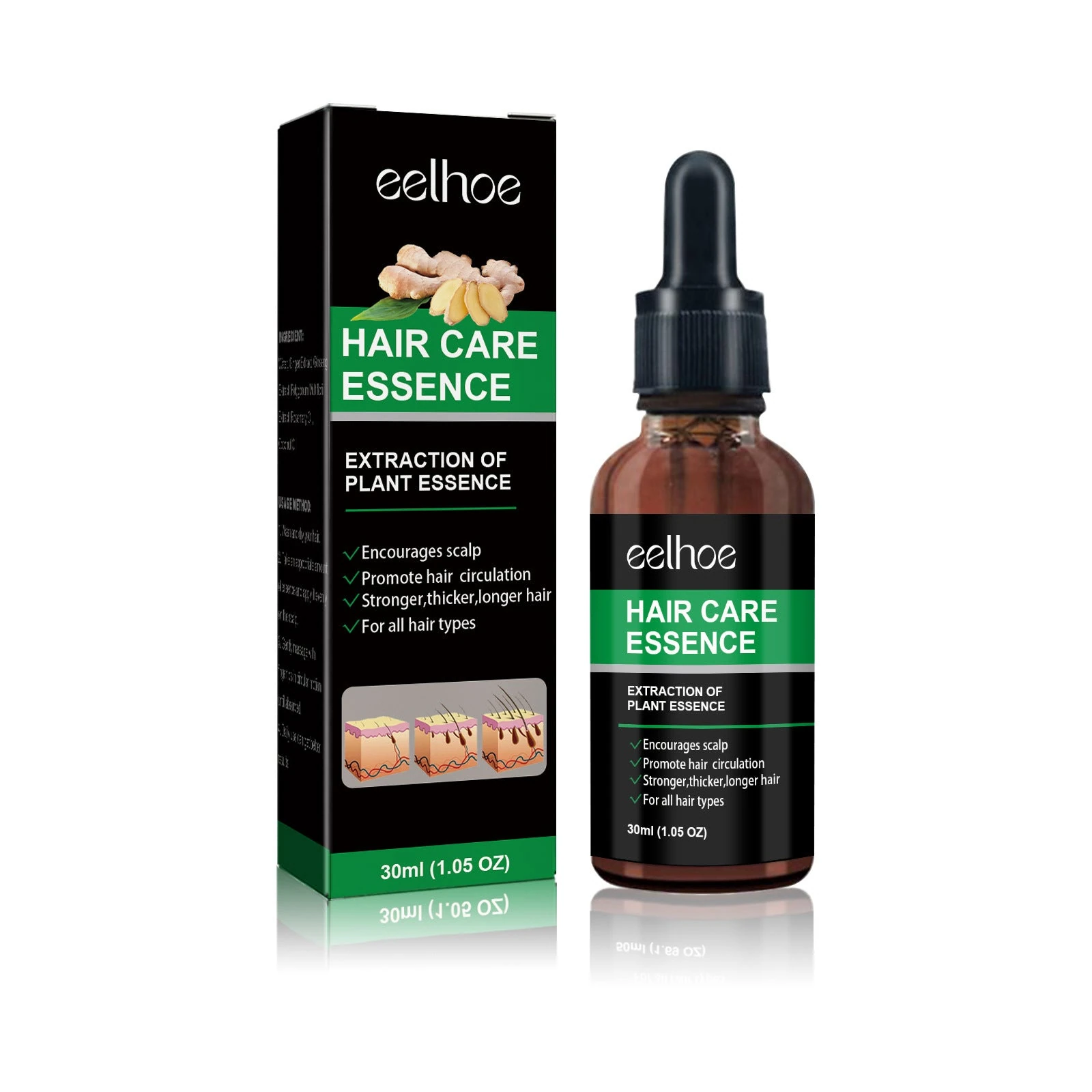
The essence contains ginger root oil within a water-based formula. That is different from buying a bottle of pure essential oil. Glycerin provides a concrete moisturizing ingredient to compare, while the dropper helps direct a small amount to the scalp. Use the finish on your own hair as the practical test: controlled placement matters more than saturating the roots or spreading scalp care through the lengths.
Common Mistakes to Avoid
Applying too much
More serum does not automatically make a routine more effective. Excess product can leave the hair looking weighed down or make the scalp feel coated. Begin with the stated amount and spread it evenly.
Using it only on the hair lengths
A scalp serum is intended for the scalp, so applying it only to the ends does not follow its primary use. If your hair lengths need conditioning, use a separate product designed for that purpose.
Ignoring sensitivity
Personal care products can feel different from one person to another. If you have a sensitive scalp or are introducing several new products at once, review the ingredients carefully and consider testing a small area according to appropriate product guidance. Discontinue use if persistent irritation occurs.
Expecting immediate changes
Hair and scalp routines are personal-care practices, not guaranteed solutions. Avoid judging a product based on unrealistic promises. Focus on whether the serum is comfortable, easy to apply, and suitable for your routine over time.
Who May Prefer a Scalp Serum?
A scalp serum may suit consumers who want a targeted leave-in step and prefer a lighter product format. It can also be a practical choice for people who want to explore a ginger-focused hair-care product without committing to a larger collection of treatments.
It may be less suitable if you dislike leave-in products, frequently experience product buildup, or prefer to keep your routine limited to wash-off products. In those cases, a scalp-care product with a different format may feel more convenient. The right choice is the one you can use correctly and consistently.
Questions to Ask Before Buying
Ask what the formula is intended to do, which ingredient information is complete and what preparation the directions require. The 40ml tonic guide specifies a small amount on the scalp, gentle massage for 2–3 minutes and leaving it on; use the current bottle for frequency. The essence guide specifies application after washing and drying and describes daily use. These are product-specific instructions, not a standard dose for every nourishing serum.
For value, compare the current price and labeled amount per application when available. A 40ml bottle is larger than a 30ml bottle, but without a measured dose this does not establish exact days of use. If the main concern is unexplained shedding, the AAD recommends diagnosis to guide treatment; nourishing language alone cannot identify the cause.
Frequently Asked Questions
What is the difference between scalp serum and hair serum?
A scalp serum is intended primarily for application to the scalp, while a hair serum is often used on the hair lengths to improve manageability, shine, or the feel of the strands. Always follow the product’s stated directions.
Can I use scalp nourishing serum every day?
Use it according to the product instructions. Some formulas may be intended for regular use, while others may have different guidance. Do not increase the frequency beyond the directions.
Should scalp serum be applied to wet or dry hair?
The correct method depends on the product. Check the label or product page before applying. If the instructions are not clear, avoid guessing and seek clarification from the brand.
Will scalp serum make my hair greasy?
That depends on the formula, the amount used, and your hair type. Applying too much can make any leave-in product feel heavier, so start with the recommended amount.
How should I massage scalp serum?
If massage is recommended, use clean fingertips and gentle movements. Avoid scratching with your nails or using force, especially if the scalp feels uncomfortable.
Is ginger scalp serum suitable for everyone?
No product is guaranteed to suit every person. Review the ingredients and directions, and discontinue use if you experience persistent irritation or discomfort. For ongoing scalp concerns, consult an appropriately qualified healthcare professional.
Final Takeaway
A scalp nourishing serum can be a convenient way to add a targeted leave-in step to your hair-care routine. Choose based on texture, application method, ingredient preferences, instructions, and compatibility with your existing habits. If you are comparing ginger-focused options, you can learn more about the 40ml Ginger Hair Tonic for Scalp & Roots and review its current product information before deciding whether it fits your needs.
Choose the tonic by its verified care features, rather than treating nourishing as a dose of nutrients to follicles.
Sources and Product Information
- AAD: Hair loss diagnosis and treatment — Official product or guidance page accessed October 1, 2026; claims retain their product and study scope.
- AAD: Causes of itchy scalp — Official product or guidance page accessed October 1, 2026; claims retain their product and study scope.
GinGrowth product details were checked October 1, 2026. This guide compares published information and current product specifications; it does not report a GinGrowth clinical trial or personal use test.