
“Save our scalp” describes a care goal more clearly than it identifies one product. This guide treats the phrase as a way to choose between moisture, cleansing, dandruff care and assessment of hair loss. It does not assign a formula to a specific brand called Save Our Scalp or confuse that phrase with unrelated SOS skincare products.
Name the Main Scalp Concern
Start with the most important observation: dryness or tightness, oily buildup, visible flakes, irritation after a new product, broken hairs or continuing thinning. These concerns can overlap, but they do not all have the same cause.
A useful care choice addresses a defined job. Buying several serums at once can make it harder to see what helps and what causes residue or discomfort.
Use Moisture for an Ordinary Moisture Need
A water-based product containing humectants may be a practical cosmetic choice when the goal is a more comfortable, moisturized scalp. Glycerin and sodium PCA are examples of moisture-binding ingredients worth identifying precisely.
Moisture does not diagnose why the scalp is uncomfortable. Persistent symptoms should not automatically lead to a richer formula or more frequent application, especially when a new product made the problem worse.
Swipe the table sideways to compare all columns.
| Decision | Documented detail | Purchase implication |
|---|---|---|
| Identity | Care-goal phrase, not one verified formula | Do not conflate unrelated SOS products |
| Concern | Dryness, buildup, flakes or loss | Choose the right category |
| Routine | Current label and one defined role | Keep medicines and cosmetics separate |
Use Cleansing for Accumulated Product and Oil
A shampoo belongs in the wash step, removing everyday oil and buildup under its own instructions. A leave-on serum is not a replacement for that rinse-off task.
If several styling layers are present, simplify the routine and compare the finish under similar conditions. Repeatedly adding another layer because roots feel coated can move the routine further from the problem you meant to solve.
When residue is the issue, the clarifying scalp-serum guide distinguishes cleansing and exfoliation from optional leave-on moisture.
Keep Dandruff Care Specific
The AAD explains that dandruff shampoos have product-specific directions. The active ingredient, where it is applied and how long it stays on matter. A cosmetic described as soothing is not automatically a medicated dandruff treatment.
Do not borrow a contact time from another bottle. Persistent flakes with inflammation or pain may need assessment rather than repeated experiments with ordinary moisturizers.
For the separate everyday-care choice, review the 30ml Lightweight Scalp Serum with Ginger.
Compare Ordinary Moisture for a Defined Need
GinGrowth sells these moisturizers; they are not a universal remedy for all scalp concerns. GinGrowth sells the two products below.
Swipe the table sideways to compare all columns.
| Detail | 30ml Lightweight Scalp Serum with Ginger | 40ml Ginger Hair Tonic for Scalp & Roots |
|---|---|---|
| Format | Water-based dropper essence | Water-based dropper tonic |
| Ingredient highlights | Aqua, glycerin, ginger root oil, Polygonum multiflorum extract and hydroxyethylcellulose in the ingredient graphic. | Ginger extract, glycerin, sodium PCA and panthenol, alongside aqua, in the product artwork. |
| Application | After washing and drying, apply a small amount to the scalp, massage gently and leave in. The product guide describes daily use. | Part hair, apply a small amount, massage gently for 2–3 minutes and leave on. Follow the current bottle for frequency. |
| Reason to compare | Choose for a light moisturizing step and precise placement along a part. | Choose for a larger dropper format with humectant and conditioning ingredient highlights. |
View 30ml Lightweight Scalp Serum with Ginger or compare 40ml Ginger Hair Tonic for Scalp & Roots. Review the current product page for price and package details.
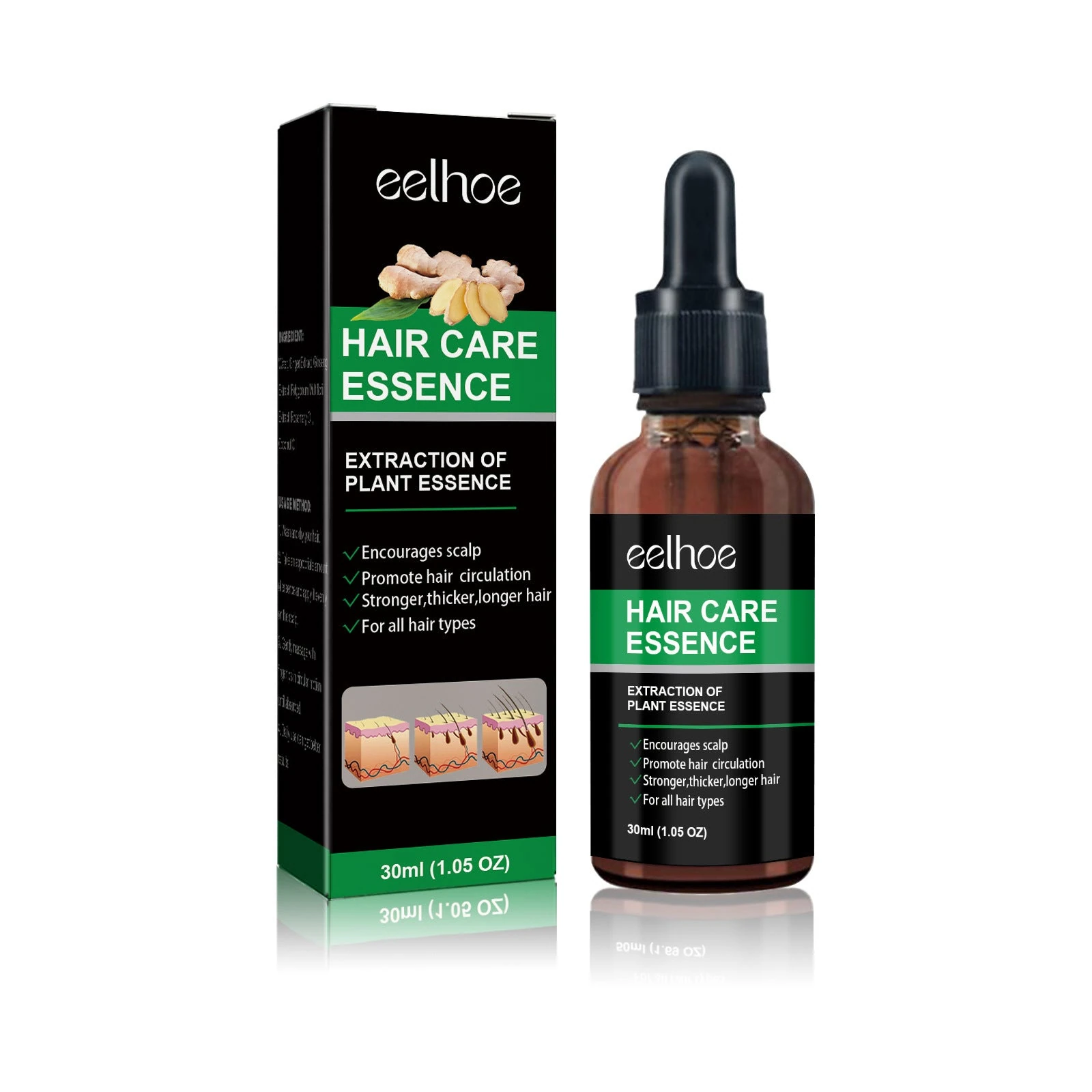
The essence contains ginger root oil within a water-based formula. That is different from buying a bottle of pure essential oil. Glycerin provides a concrete moisturizing ingredient to compare, while the dropper helps direct a small amount to the scalp. Use the finish on your own hair as the practical test: controlled placement matters more than saturating the roots or spreading scalp care through the lengths.
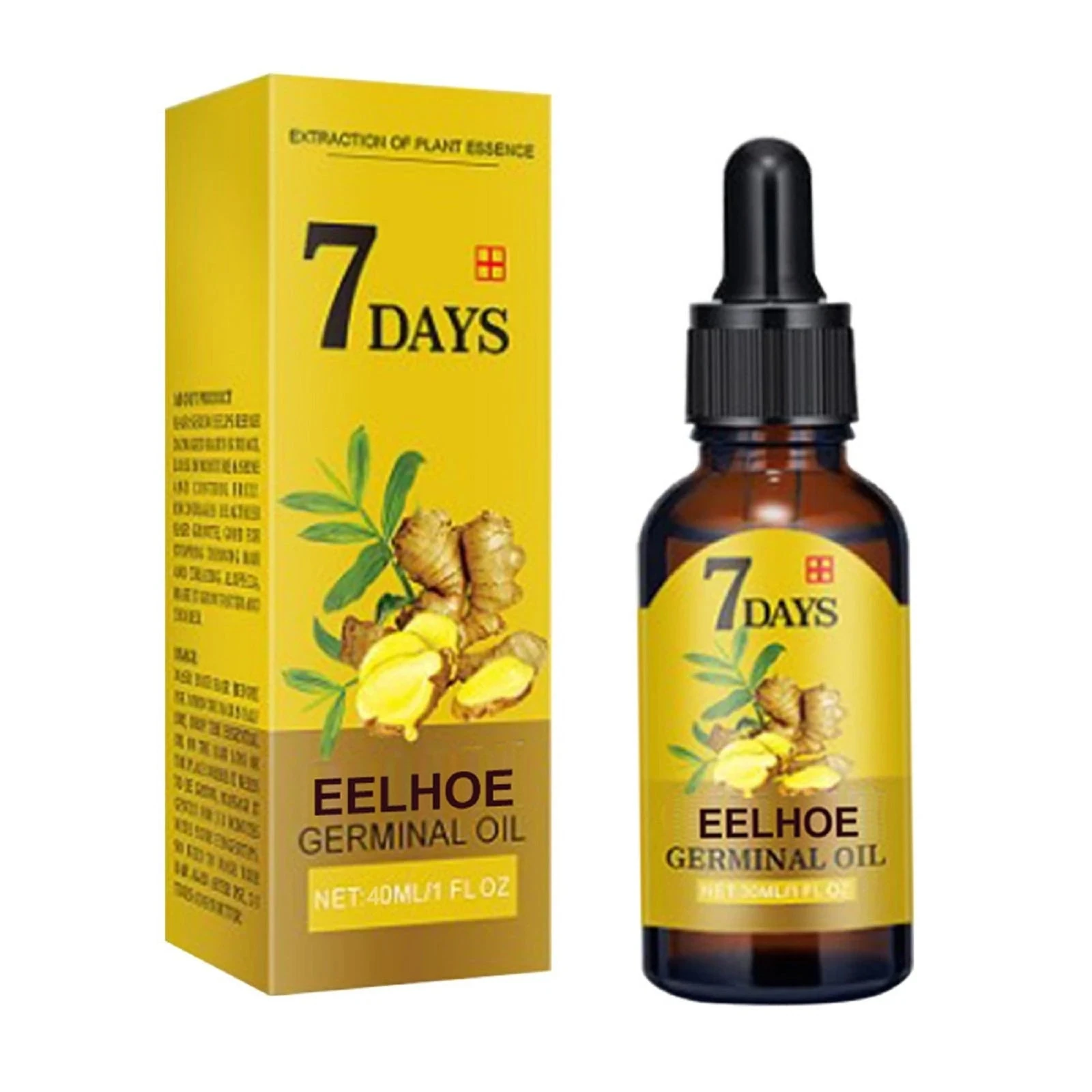
Glycerin and sodium PCA are moisture-binding ingredients, while panthenol is used for conditioning. The highlighted ingredient graphic is not a percentage breakdown. The word tonic describes this product choice; it does not establish a stronger concentration than the smaller essence. Compare the ingredients you prefer and whether direct dropper placement feels convenient in your routine.
Look Back at Recent Changes
The AAD describes several causes of scalp itch, including reactions to products. Write down changes in shampoo, dye, fragrance, styling products or treatments before deciding the scalp needs another serum.
A timeline is useful because a soothing sensation can coexist with ongoing irritation. Stop a product that makes symptoms worse and seek advice when symptoms persist or are severe.
Address Pulling before Adding Comfort Products
A tightly pulled style can create discomfort that a moisturizer cannot mechanically remove. If braids, extensions or another style hurt, adjust the tension rather than trying to tolerate it with a cooling serum.
The AAD’s traction guidance explains why repeated pulling matters. Scalp access for washing and inspection is also part of a practical routine.
For the comfort-care decision, choosing a soothing scalp serum separates dryness, recurrent dandruff and irritation before comparing formulas.
Compare Two Ordinary GinGrowth Care Formats
GinGrowth sells the essence and tonic below. They are included for moisture and convenient placement, using their own current ingredient highlights and instructions. They are not a universal treatment for every concern described above.
The choice is between documented formats, not a claim that ginger corrects every hormonal, inflammatory or hereditary cause of loss. If moisture is not the missing step, another category or an assessment may be more useful.
Make a Simple Application Record
For the product actually selected, note the application area, package-directed amount, preparation, frequency and rinse status. Keep drops, full droppers and pumps distinct. A short routine you can describe is easier to review than a collection of borrowed instructions.
Do not mix scalp medication into a cosmetic or alter its schedule to match a serum. Ask for compatible use advice if a treatment is already part of your care.
Keep Continuing Hair Loss as Its Own Question
The AAD explains diagnosis-led hair-loss treatment. Improved moisture or fewer flakes can be worthwhile while a separate cause of thinning remains. A scalp feeling better does not prove that hair density has changed.
Seek assessment for sudden or patchy loss, pain, inflammation or progressive thinning. Bring the timeline and products used so the discussion is based on actual observations.
Frequently Asked Questions
Is Save Our Scalp one verified formula in this guide?
No. The phrase is treated as a care goal; a specific product would need its own complete label.
Can one cosmetic serum replace every scalp-care step?
No. Cleansing, ordinary moisture, medicated care and diagnosis have different roles.
Does tingling prove that hair is growing?
No. Sensation is not a measurement of follicle activity or density.
Choose the Next Step That Answers the Problem
An effective care decision may be simpler washing, a separate moisture step, changing a painful style or obtaining assessment. Use the smallest clear routine that fits the identified need, and evaluate its relevant result. The goal is useful care information, not a promise that any serum can save every scalp.
Choose the care role and formula that match your routine.
Sources and Product Information
- AAD: Hair loss diagnosis and treatment — Guidance checked October 1, 2026; not a trial of the cosmetics compared here.
- AAD: Causes of scalp itch — Guidance checked October 1, 2026.
- AAD: Dandruff care — Official guidance.
- AAD: Traction-related hair loss — Official hairstyle guidance.
GinGrowth product details were checked October 1, 2026. This guide compares published information and current product specifications; it does not report a GinGrowth clinical trial or personal use test.