
PCOS hair loss treatment starts with confirming what is causing the thinning and choosing care for that diagnosis. PCOS can involve hormonal symptoms and hair changes, but a widening part alone does not diagnose PCOS, and not everyone with PCOS has the same hair-loss pattern. Medical treatment and ordinary wash-day care serve different purposes. A shampoo or conditioner can support comfortable handling without claiming to correct hormone levels.
Why PCOS and Thinning Can Occur Together
PCOS is associated with disturbances in reproductive and metabolic hormones. Hair loss may occur alongside irregular periods, acne or increased facial and body hair. The pattern varies, and additional causes of shedding can coexist. It is inaccurate to assume every person with PCOS has high measured androgens or a distinctly male-pattern hairline.
The current NHS condition guidance identifies hair loss as one possible symptom and advises seeing a GP when the condition is suspected. It also makes clear that similar symptoms can have other causes. A scalp serum cannot establish which hormone, deficiency or scalp problem is responsible.
Prepare Useful Observations for an Appointment
Record when thinning started, whether it was gradual or sudden, changes in part width, scalp symptoms and relevant changes in health or medication. Mention menstrual changes and other symptoms without trying to diagnose yourself from a checklist. Bring the names of supplements and topical products you already use.
A dermatologist may examine the scalp and hair, ask about family history and arrange tests when the history suggests a deficiency, hormone problem or another condition. Not everyone requires the same blood-test panel. Standardized photographs can help describe changes; hair counts from a shower drain alone are difficult to compare across washing schedules.
Swipe the table sideways to compare all columns.
| Decision | Verified detail or question | What it means |
|---|---|---|
| Assessment | Pattern, onset, scalp symptoms and other changes | Do not diagnose PCOS from thinning alone |
| Treatment | Cause-specific medicines and follow-up | Discuss suitability and pregnancy plans |
| Cosmetic care | Shampoo and length conditioner | Use for washing and handling, not hormone correction |
Discuss Treatments by Their Specific Purpose
The American Academy of Dermatology describes minoxidil as an option that can stimulate growth and prevent further loss in appropriate patients. Many people who respond see regrowth in about six to twelve months, and continued use is needed to maintain benefit. The exact product and clinician’s advice determine suitability and application.
Prescription choices depend on the diagnosis, overall health and pregnancy plans. Spironolactone may be considered for some women with hair loss under medical supervision; it is not a general supplement or a medication to start from an online comparison. Hormonal contraception and metabolic treatment may address other PCOS symptoms, but improvement in those symptoms does not automatically establish scalp regrowth.
Ask what each medicine is intended to achieve, how it will be monitored and when the hair outcome will be reviewed. Do not assume metformin, an inositol supplement or an herbal drink has a proven regrowth effect simply because it appears in a PCOS discussion.
Choose Supportive Products for Washing and Handling
If the immediate need is everyday cleansing, choose a shampoo for that wash step. If fragile lengths tangle or feel rough, compare a rinse-out conditioner for slip and softness. Neither task requires a claim that ginger stimulates circulation or reverses hormone-related thinning.
The store’s shampoo and conditioner below are sold by this store as ordinary cosmetic care. Their directions, application areas and ingredient highlights make the comparison useful. They are not a PCOS treatment system, and a conditioner should not be assigned a serum’s leave-on schedule.
For the separate everyday cleansing step, review the 100ml Ginger Shampoo for Thinning Hair.
Compare Ordinary Wash-Day Care alongside Your Treatment Plan
These products address cleansing and handling of existing hair. They are not a PCOS treatment system. GinGrowth sells the two products below.
Swipe the table sideways to compare all columns.
| Detail | 100ml Ginger Shampoo for Thinning Hair | Ginger Conditioner for Dry Damaged Hair |
|---|---|---|
| Format | Rinse-off liquid cleanser | Rinse-out conditioning cream in a jar |
| Ingredient highlights | Ginger, coconut oil and Polygonum multiflorum highlighted in the product materials. | Aqua, cetrimonium chloride, dimethicone, 1,2-hexanediol and ginger root oil in the ingredient artwork. |
| Application | Wet hair and scalp, lather, massage gently with fingertips and rinse thoroughly. | After washing, gently remove excess water, distribute through dry-feeling lengths and ends, then rinse thoroughly. Follow the jar for any waiting time. |
| Reason to compare | Choose for ordinary cleansing of oil and everyday buildup, with a softer-hair focus. | Choose for slip, softness and easier handling of dry lengths. |
View 100ml Ginger Shampoo for Thinning Hair or compare Ginger Conditioner for Dry Damaged Hair. Review the current product page for price and package details.
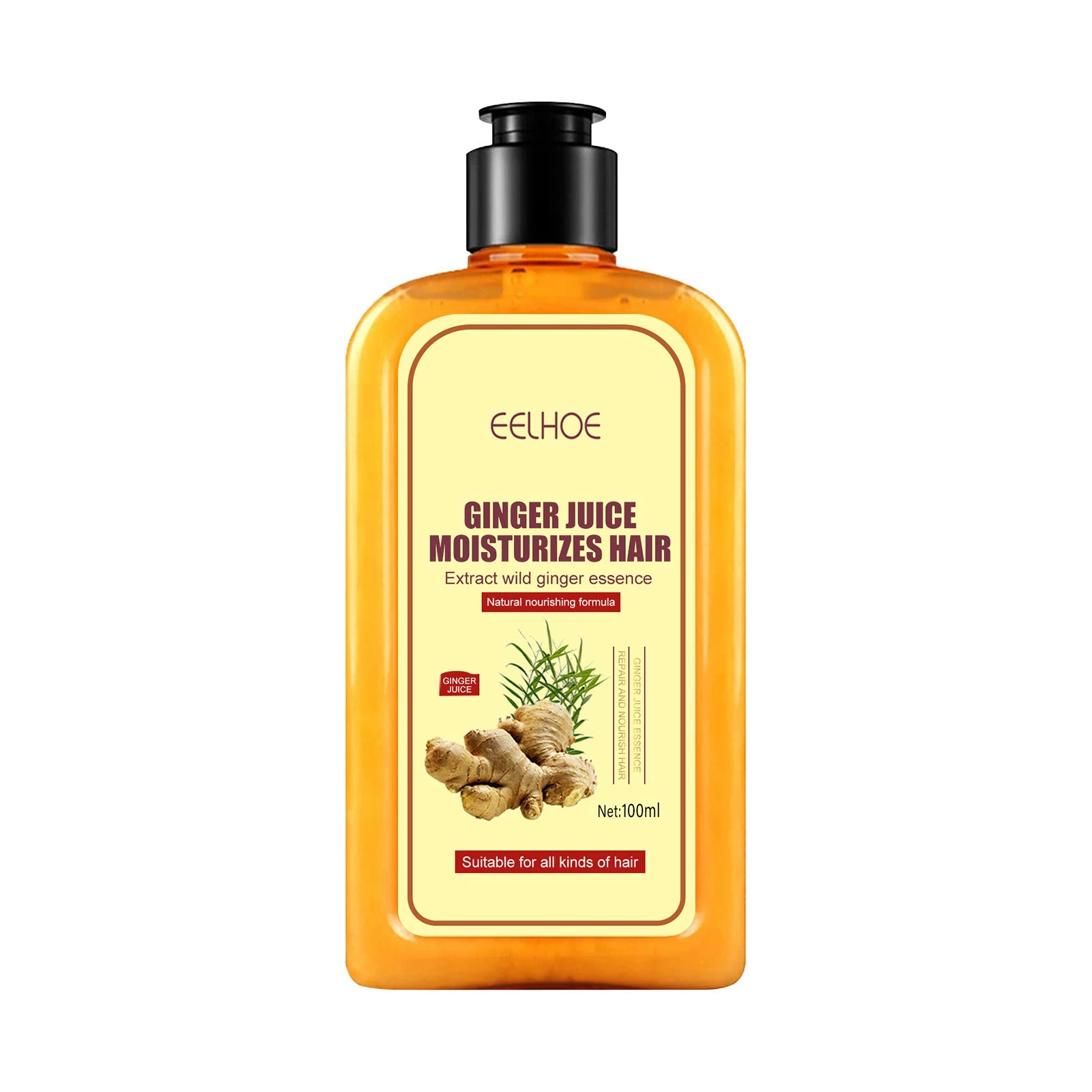
This shampoo belongs in the wash step. Its purpose is scalp cleansing and softer-feeling hair, rather than a leave-on scalp layer. The highlighted ingredients are not a complete concentration statement. If you use a medicated shampoo or a specific pre-shampoo treatment, keep its directions in place and decide whether an additional cleanser is necessary before adding another bottle.
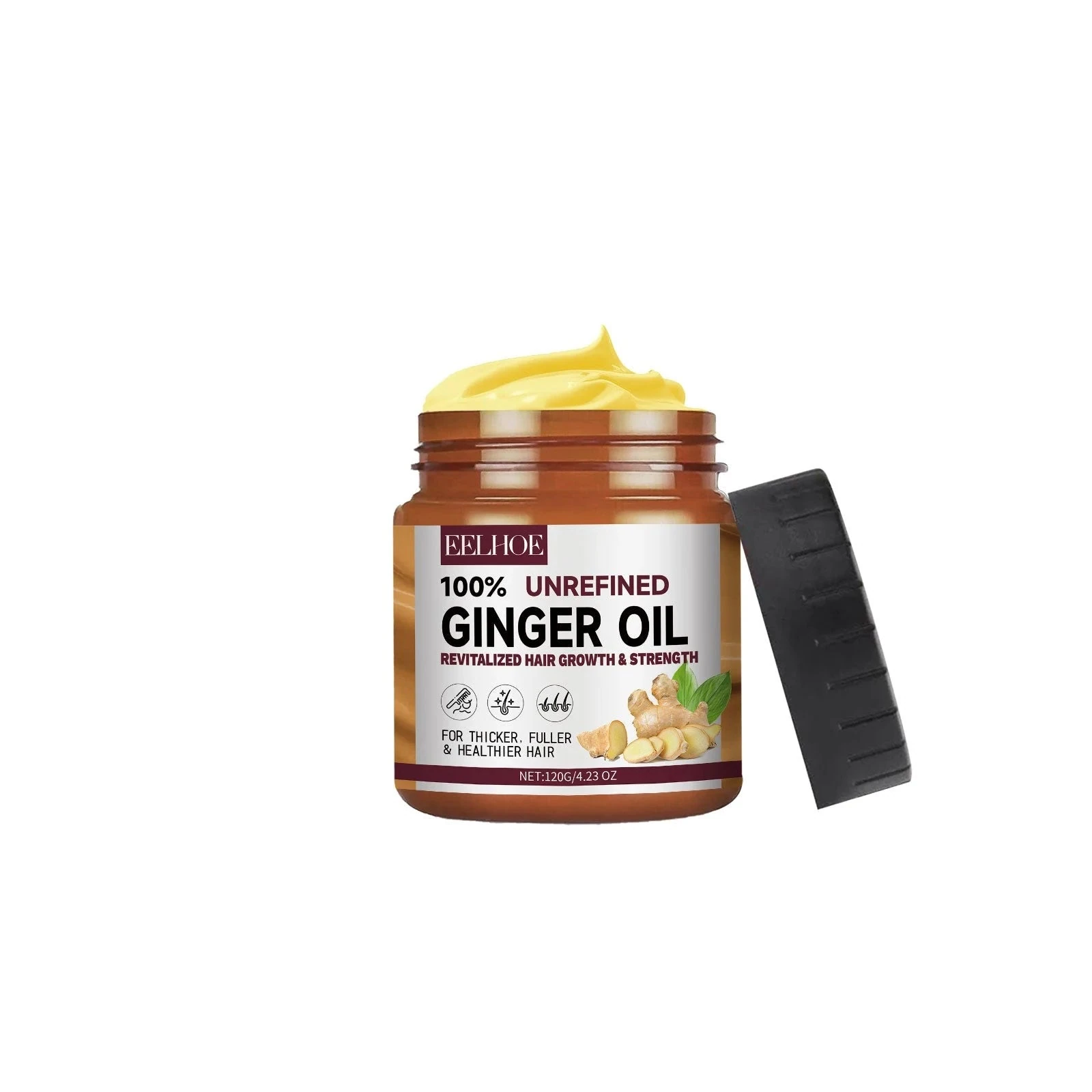
This is a finished conditioner, even though the front artwork uses the words Ginger Oil. Cetrimonium chloride and dimethicone are concrete conditioning ingredients to compare. The supplied directions do not establish a fixed waiting time or an overnight treatment. Some range images show ginger and rosemary jars together; the listing is for the ginger conditioner rather than a two-jar set.
Keep Lifestyle Support Separate from a Hair Promise
Balanced nutrition, regular activity and appropriate support for metabolic and emotional health can be part of PCOS care. Individual needs differ; severe dietary restriction is not a shortcut to healthier hair. Ask a qualified professional about sustainable changes that fit your medical situation.
Supplements should address a documented need or a clinician’s recommendation. A vitamin being relevant to hair biology does not mean taking more improves hair in someone without deficiency. Tell your care team about all supplements so their doses and potential interactions can be considered alongside prescribed treatment.
Avoid Changes That Make the Routine Harder to Judge
Starting several scalp treatments and supplements together makes it difficult to identify which change caused benefit or irritation. Keep a simple record and follow the prescribed regimen rather than adding extra applications after a missed dose. Ask about combinations when a cosmetic product interferes with treatment placement or causes discomfort.
Gentle handling matters for existing strands. Avoid repeatedly pulling on vulnerable areas or using aggressive scalp massage to pursue a circulation effect. A comfortable wash routine is valuable without becoming evidence that the underlying hormonal condition has changed.
For day-to-day care alongside any indicated treatment, a practical routine for thinning hair gives washing, conditioning and optional scalp care distinct jobs.
Know When to Seek Further Assessment
Seek assessment for sudden patches, scalp pain, sores, marked redness or progressing thinning. Contact the clinician managing treatment if adverse effects occur or the planned review point arrives without the expected response. Do not extend an arbitrary serum trial while symptoms worsen.
Hair loss can also affect confidence and wellbeing. Mention that impact at appointments. A useful plan can include cosmetic appearance support and emotional support as well as treatment aimed at the underlying cause.
For preparation before choosing treatment, the thinning-hair treatment decision guide organizes diagnosis, suitable options, costs and review questions.
Frequently Asked Questions about PCOS Hair Loss
Can PCOS-related thinning improve?
Improvement is possible for some people, but depends on the cause, duration and treatment response. No cosmetic bottle guarantees reversal.
Does treating PCOS always restore scalp density?
No. Metabolic symptoms, menstrual symptoms and hair outcomes are distinct. Discuss a specific hair plan and follow-up rather than assuming one outcome proves another.
Can I keep using ordinary shampoo and conditioner?
Usually they remain separate care steps, but check any treatment-specific instructions and known sensitivities. Do not assume every leave-on formula is compatible with every medicine.
How long should I wait for a serum to work?
Use the evidence and review schedule for the exact treatment. A cosmetic moisturizer has no universal PCOS regrowth timetable; ongoing or worsening loss deserves reassessment.
Keep diagnosis and prescribed treatment distinct from a comfortable wash routine.
Sources and Product Information
- NHS: PCOS/PMOS condition guidance — Official product or guidance page checked October 1, 2026; findings retain their product and population scope.
- AAD: Hair loss diagnosis and treatment — Official product or guidance page checked October 1, 2026; findings retain their product and population scope.
GinGrowth product details were checked October 1, 2026. This guide compares published information and current product specifications; it does not report a GinGrowth clinical trial or personal use test.