
The best serum to use with a derma roller for hair growth depends on whether you mean procedure aftercare or your everyday scalp routine. During and immediately after microneedling, follow your clinician’s and device’s aftercare instructions. An ordinary cosmetic scalp serum is a separate purchase for fully recovered skin, when normal care is permitted; it should not be chosen as something to roll into the scalp.
This distinction changes the buying decision. A bottle can be convenient for daily scalp application without being appropriate for freshly treated skin. This guide helps you separate those jobs, read the evidence behind “hair growth” claims and compare everyday textures. GinGrowth sells the cosmetic products in the comparison below. We have not tested them with microneedling, and do not present them as sterile procedure aftercare.
Choose by timing before choosing by ingredients
If you are searching for the best serum to use after a derma roller, first identify the stage of care. “After” could mean minutes after a procedure, several days into recovery or a normal day between appointments. Those are not interchangeable situations. A product recommendation that ignores timing leaves out the most useful part of the answer.
| Stage | Useful next step | What the store serum is for |
|---|---|---|
| During or immediately after microneedling | Follow the clinician’s or device’s specific aftercare plan. | Not recommended here for this stage. |
| Skin remains sore, irritated or broken | Continue the advised recovery plan; ask about unexpected symptoms. | Do not introduce the cosmetic onto affected skin. |
| Fully recovered; ordinary cosmetics permitted | Read the label and compare texture, ingredients and application. | An optional everyday leave-in step. |
Do not use a fixed waiting time from a shopping article as clearance to restart a serum. The device, procedure and condition of your scalp matter. Ask the treating professional which products to avoid, what recovery should look like and when each existing topical can resume. That is more useful than buying a stronger-sounding ingredient and trying to work out its timing afterward.
For the timing question, fitting a serum around a derma-roller routine distinguishes prescribed aftercare from ordinary care after recovery.
What does the evidence say about microneedling and hair serum?
The American Academy of Dermatology’s hair-loss treatment overview describes studies of microneedling alongside treatments such as minoxidil. It also advises checking with a dermatologist first because microneedling can worsen some conditions and the choice of device matters. Research on a specific treatment combination does not establish that any cosmetic serum will work the same way.
There are three different claims to evaluate: that a procedure may help a diagnosed condition, that a particular topical has evidence for that condition, and that the two can be used together under a particular protocol. Evidence for one does not automatically answer the other two. Likewise, a botanical ingredient appearing in a formula does not establish the finished serum’s effect on hair growth.
The AAD’s general microneedling guidance discusses dermatologist-directed preparation and aftercare. That page concerns skin treatments broadly; it is not a dosing schedule for scalp serum. Use it to understand why the recovery plan is part of the procedure, not as permission to copy a facial routine onto your scalp.
A practical choice for ordinary scalp-care days
Once recovery is complete and ordinary cosmetic care is permitted, choose a serum for the job you actually need. If an oil leaves your roots coated, compare a fluid scalp essence. If you prefer a different ingredient mix and bottle size, compare a water-based tonic. Neither decision requires claiming that the product improves the effect of a roller.
Our 30ml Lightweight Scalp Serum with Ginger is a water-based essence with a dropper. Its product information lists aqua, glycerin, ginger root oil and Polygonum multiflorum extract among the ingredients. The practical reason to consider it is targeted scalp placement in a small bottle, following its wash-and-dry directions. Water-based does not mean oil-free: ginger root oil is explicitly listed.
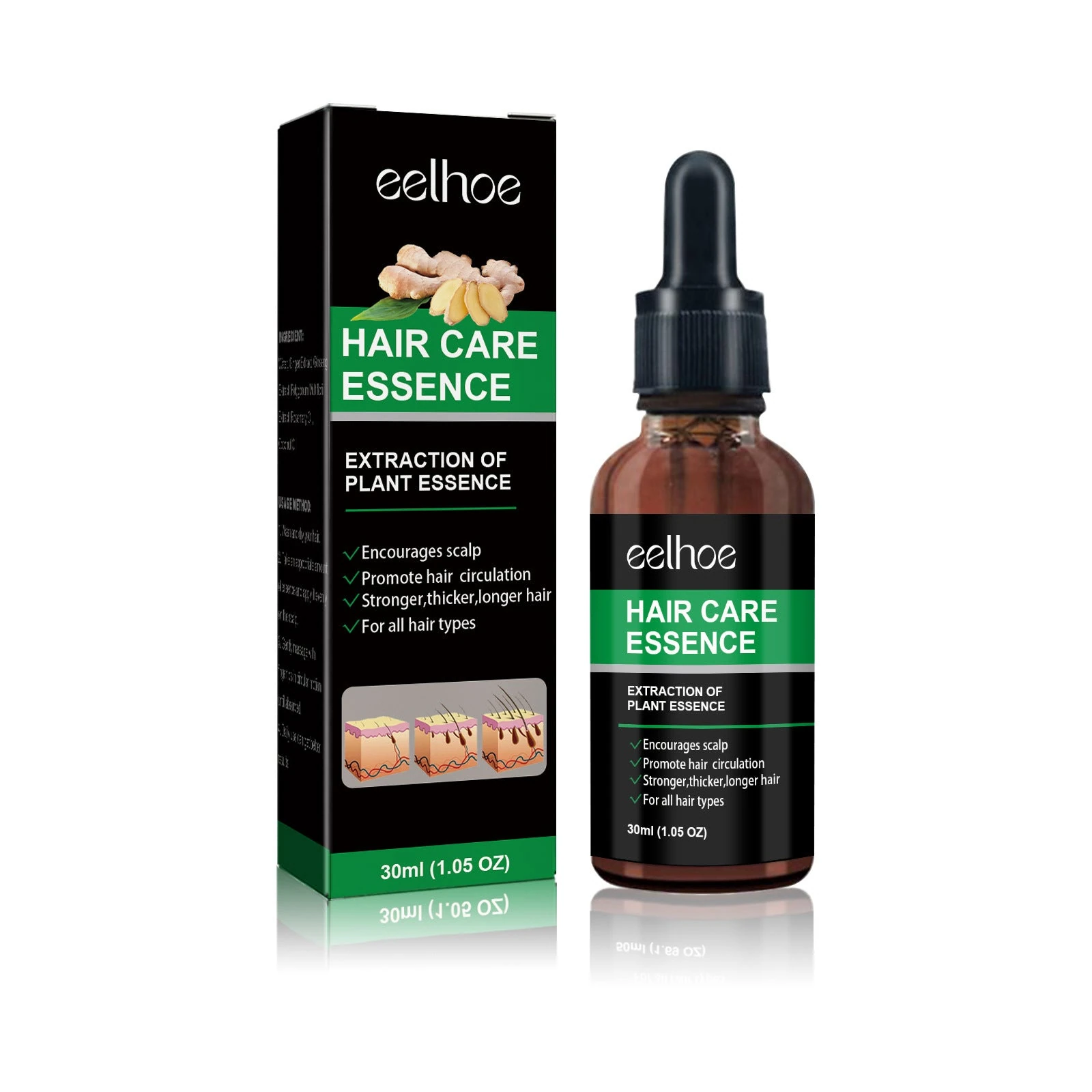
The 40ml Ginger Hair Tonic for Scalp & Roots is another water-based dropper option. Its ingredient artwork highlights ginger extract, glycerin, sodium PCA and panthenol. Choose between these products by the complete label, texture preference and directions. We do not have a head-to-head study showing that either provides better regrowth or better results with microneedling.
Compare everyday scalp care for fully recovered skin
| Detail | 30ml Lightweight Scalp Serum | 40ml Ginger Hair Tonic |
|---|---|---|
| Formula format | Water-based essence; contains ginger root oil. | Water-based tonic; ingredient highlights include ginger extract. |
| Other listed highlights | Glycerin and Polygonum multiflorum extract. | Glycerin, sodium PCA and panthenol. |
| Application | Dropper; apply after washing and drying, massage gently and leave in. | Dropper; apply to scalp and roots, massage gently for 2–3 minutes and leave on. |
| Reason to compare | A small bottle and fluid scalp-focused step. | A larger bottle and a different listed ingredient mix. |
| Evidence boundary | No claim of medical hair-loss treatment or equivalence to another brand. | No head-to-head regrowth comparison with the 30ml essence. |
If your actual goal is immediate post-procedure care, neither of the store products in this table is the recommendation. If you are choosing a normal leave-in step, review your chosen product’s ingredients and directions. Compare the 40ml tonic only if its larger format or different listed ingredients better match your preferences.
Read the label before choosing a derma-roller serum
Start with the product’s intended application area. A smoothing serum intended for hair lengths is different from a leave-in scalp formula. Next, identify whether the product is cosmetic care, a medicine or procedure-specific aftercare. Those categories answer different questions; the word “serum” does not make them equivalent.
Then check the complete ingredient list against ingredients you already avoid. “Natural,” “ginger” and “water-based” cannot guarantee tolerance. Do not assume a dropper bottle is sterile, or that a sealed retail package means its contents are suitable for introducing through treated skin. A product photograph cannot establish suitability for use on freshly treated skin; check the label and your treating professional’s instructions.

Finally, compare the instructions with your actual routine. Can you apply the product as directed without layering several new leave-ins? Does the amount and placement suit your hair? A simple formula choice is easier to assess when you change one product at a time. Keep procedure instructions separate from the label directions for your ordinary cosmetic.
How to resume an everyday serum on non-rolling days
This is a checklist for ordinary cosmetic care after recovery, not a microneedling technique. Needle length, pressure, cleaning and treatment frequency should come from the appropriate device instructions and your clinician. A blog comparison cannot determine those settings for your scalp.
- Confirm that normal care can resume. Follow the recovery plan rather than deciding solely from elapsed time. Do not apply the cosmetic to broken or irritated skin.
- Read the bottle again. Use its stated amount, frequency and leave-in or rinse-off directions. Instructions for another brand do not transfer automatically.
- Introduce one product. Follow label guidance for checking tolerance before broader use. A tolerance check on intact skin does not establish suitability for microneedling.
- Reach the scalp directly. Part the hair and use the applicator to place a small amount where intended. Avoid saturating the hair lengths.
- Spread gently with fingertips. Do not use a roller to work an ordinary cosmetic into the skin. Stop the new product if irritation develops and seek advice if symptoms persist or worsen.
For placement on an ordinary care day, see our scalp-serum application guide. If you use minoxidil or another topical medicine, ask your clinician or pharmacist about the combination and schedule before adding a cosmetic. Do not change the medication instructions to match a shopping guide.
Questions about serums and derma rollers
Can I apply hair serum after derma rolling?
Do not assume an ordinary hair serum is appropriate immediately afterward. Use the aftercare approved for your procedure. Once the scalp has recovered and normal care is permitted, the serum becomes a separate everyday-care choice based on its label, ingredients and your tolerance.
Is hyaluronic acid automatically the best serum with a derma roller?
No single ingredient name establishes that a finished formula is suitable. Check the intended use and the whole formulation, and follow the procedure’s aftercare plan. A facial serum, scalp serum and sterile procedure product should not be treated as interchangeable because they share an ingredient.
Can ginger scalp serum replace minoxidil in a microneedling routine?
We have no evidence that the GinGrowth cosmetics are equivalent to minoxidil or to the treatment combinations discussed by the AAD. Choose hair-loss treatment with a qualified professional. The store products here are optional cosmetic scalp-care formats, not replacements for a prescribed or recommended treatment.
What should I assess when trying an everyday serum?
Start with comfort, residue, ease of placement and whether the routine is practical. Those observations help you judge a cosmetic purchase, but do not prove hair regrowth. New patches of loss, sudden shedding or a painful scalp deserve assessment rather than repeated changes between cosmetic serums.
Sources and product details checked September 29, 2026. Published by GinGrowth, a personal-care retailer. The comparison uses current manufacturer and store information, not a hands-on treatment study.