
To remove sunscreen from your face, use a suitable cleanser with gentle fingertips and rinse thoroughly. A regular sunscreen may come off with one effective cleanse; a water-resistant or heavily layered formula may need an appropriate makeup-removal or oil-cleansing step. Water alone is not a reliable substitute for cleanser. Double cleansing is an option for a removal task, not a requirement attached to every sunscreen application.
Start with the sunscreen's own removal advice and your cleanser's directions. The goal is to remove the film comfortably, not to scrub until skin squeaks. Below, you will find a practical decision table, evidence about water-resistant formulas and a way to judge whether another step is needed. GinGrowth sells the facial cleansing oil featured here; no product-specific sunscreen removal percentage has been measured for it.
Why the sunscreen formula changes the removal task
A sunscreen designed to resist water during swimming or sweating creates a different cleansing task from a less persistent daily formula. Reapplication, makeup and other layers can add to what needs removing. The SPF number alone does not tell you which cleanser will work best. Read the resistance and removal information rather than assuming that every SPF product behaves identically.
In a small study by Chen and colleagues, published online in 2019 and in the Journal of Cosmetic Dermatology in 2020, researchers compared water, a foaming cleanser and a cleansing oil in twenty participants. The tested cleanser and oil removed the tested non-waterproof sunscreen more effectively than water alone; the tested oil performed better for the waterproof sunscreen. The authors called for research on other sunscreens and washing products.
On a small screen, swipe or scroll the table sideways to compare all columns.
| Wash method | Non-waterproof sunscreen | Waterproof sunscreen |
|---|---|---|
| Water only | 54.0% ± 19.2% | 59.3% ± 10.4% |
| Tested foaming cleanser | 15.6% ± 6.1% | 36.8% ± 8.8% |
| Tested cleansing oil | 13.4% ± 4.6% | 5.8% ± 3.3% |
These are mean image-derived residue rates ± the reported variation in Chen et al.’s study, not grams of sunscreen left on the face. The negative-control readings were not zero: 9.9% ± 4.8% for the non-waterproof comparison and 3.2% ± 2.2% for the waterproof comparison. Do not subtract the table values from 100 and advertise that result as a product’s removal efficiency. Our cleansing oil was not a test product.
That study supports matching the removal method to the formula. It does not show that all cleansing oils work equally well, that every water-based cleanser fails on resistant sunscreen, or that our store's oil was tested. Keep the evidence at the level it supports: a useful distinction between removal tasks, with product-specific performance still depending on the actual combination you use.
On a small screen, swipe or scroll the table sideways to compare all columns.
| What you wore | Useful starting approach | What to check |
|---|---|---|
| Everyday sunscreen without stubborn makeup | One suitable gentle cleanse | Your sunscreen’s removal directions and remaining visible residue |
| Water-resistant sunscreen or long-wear makeup | Appropriate remover or oil-cleansing step | Actual product compatibility; no universal one-pass guarantee |
| Residue after the first cleanser | Review technique or consider a gentle second cleanser | Avoid repeating harsh washes or scrubbing |
| Sunscreen on body skin | Suitable body cleanser and thorough rinse | Do not transfer facial product instructions to all body areas |
| Returning outdoors after washing | Reapply sunscreen as directed | The earlier layer has been removed |
How to remove sunscreen from your face gently
- Read the sunscreen’s removal information and identify makeup or other long-wear layers.
- Select an appropriate cleanser and follow its wet- or dry-skin instructions.
- Massage gently with fingertips, avoiding areas the product excludes.
- Rinse fully; add a separate gentle cleanse only when the task calls for it.
- Pat dry and continue appropriate leave-on care; reapply sunscreen if returning outdoors.
Use fingertips rather than nails, rough cloths or a facial scrub to force the film off. The American Academy of Dermatology's face-washing guidance recommends a gentle cleanser, lukewarm water and avoiding scrubbing. Work carefully around the hairline, sides of the nose and jaw, where a rushed wash can leave visible product behind.
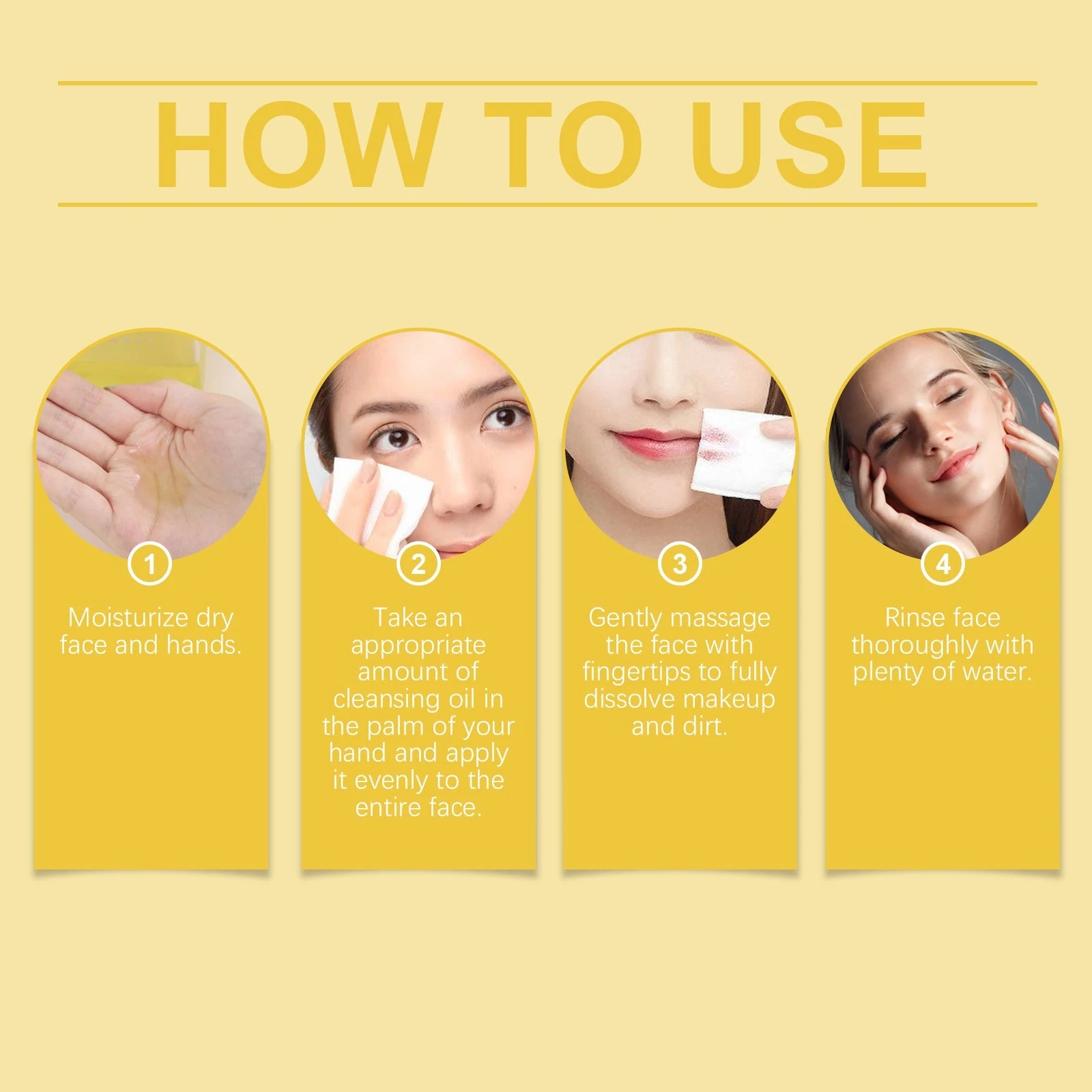
Follow your cleanser's wet- or dry-skin directions. Many oil-cleansing routines begin on dry skin, but that does not make dry application a rule for every bottle. Our current facial cleansing oil page says to prepare the face and hands, dispense a small amount, massage gently and rinse thoroughly; it does not prescribe a universal pump count or a separate timed emulsification stage.
Keep eye-area makeup removal separate when needed. A facial cleansing oil should not be assumed suitable for the eyes simply because it removes makeup elsewhere. Use a product intended for that area and follow the directions. If the skin feels sore, pressing harder is not a useful way to improve the removal step.
Do you need to double cleanse to remove sunscreen?
Not always. Cleveland Clinic's explanation of double cleansing describes an oil-based cleanse followed by a water-based cleanse, and notes that the extra step can help with stubborn makeup and sunscreen. It also emphasizes that most people do not need to double cleanse and that overwashing can cause dryness and irritation.
Use the second step for a reason. For example, if an appropriate first cleanser removes a long-wear layer but leaves a finish you do not want, a gentle second cleanser may fit your routine. If one cleanser already removes your everyday sunscreen comfortably according to its directions, adding another full wash is not automatically an improvement.
Double cleansing also does not mean scrubbing twice, using twice as much of the same harsh product, or repeating the whole routine until you feel completely oil-free. It describes two complementary cleansing steps. Introduce any extra step carefully, especially if your skin is dry, reactive or already using treatment products that affect comfort.
How to remove water-resistant sunscreen after a beach or gym day
First identify the products you actually wore. A water-resistant sunscreen, waterproof makeup and repeated reapplication may justify a different removal routine from a light indoor day. Use a remover or cleanser intended for the task and allow its instructed method to do the work. A longer, hotter shower is not a substitute for choosing an appropriate cleanser.
For the face, keep the technique gentle and follow with your normal leave-on care. For the body, use a cleanser intended for body skin; do not assume a facial bottle is the most practical choice for every large area. Pay attention to ears, the neckline and other places where sunscreen may have been applied, while keeping products away from areas their labels exclude.
If you wash after exercise and will be outdoors again, remember that removing the sunscreen means your earlier application no longer provides a reliable intact layer. Reapply sun protection according to its directions. Do not preserve sunscreen residue through the evening because you are worried about using cleanser; removal and later protection are separate tasks.
How to check the result without chasing squeaky skin
Look for obvious missed streaks or makeup residue, but recognize that appearance and feel cannot prove microscopic complete removal. Clear sunscreens may leave no visible white cast even when some film remains. Equally, a comfortable soft finish can come from the cleanser or your skin and does not automatically mean sunscreen was left behind.
Use the product directions and a repeatable routine as your main checks. If visible residue persists, improve distribution and rinsing or choose a more suitable remover. Avoid repeatedly wiping with dry cotton pads until they appear spotless. If you regularly need aggressive washing, the problem may be a mismatch between the products rather than insufficient effort.
People choosing an oil cleanser while managing oily skin can read our separate cleansing oil for oily skin guide. That article addresses format selection and tolerance. Here, the task is removing sunscreen, so skin-type labels do not replace checking the particular film you need to remove.
Decide what to change at your next evening cleanse
If one gentle cleanse leaves no obvious streaks and your skin feels comfortable, keep that routine stable. If white sunscreen remains specifically at the hairline or beside the nose, first improve coverage and rinsing at those spots. A missed area is different from a cleanser that cannot handle the film. Do not automatically add a second full-face cleanse for a local application gap.
If a resistant layer remains more widely despite correct use, compare a remover intended for that type of sunscreen. Keep the sunscreen and makeup routine similar for the comparison, and record both visible residue and tightness afterward. If two cleanses leave skin uncomfortable, reassess the combination instead of adding a third. These observations help choose a routine; they are not a home measurement of complete sunscreen removal.
Where our facial cleansing oil fits
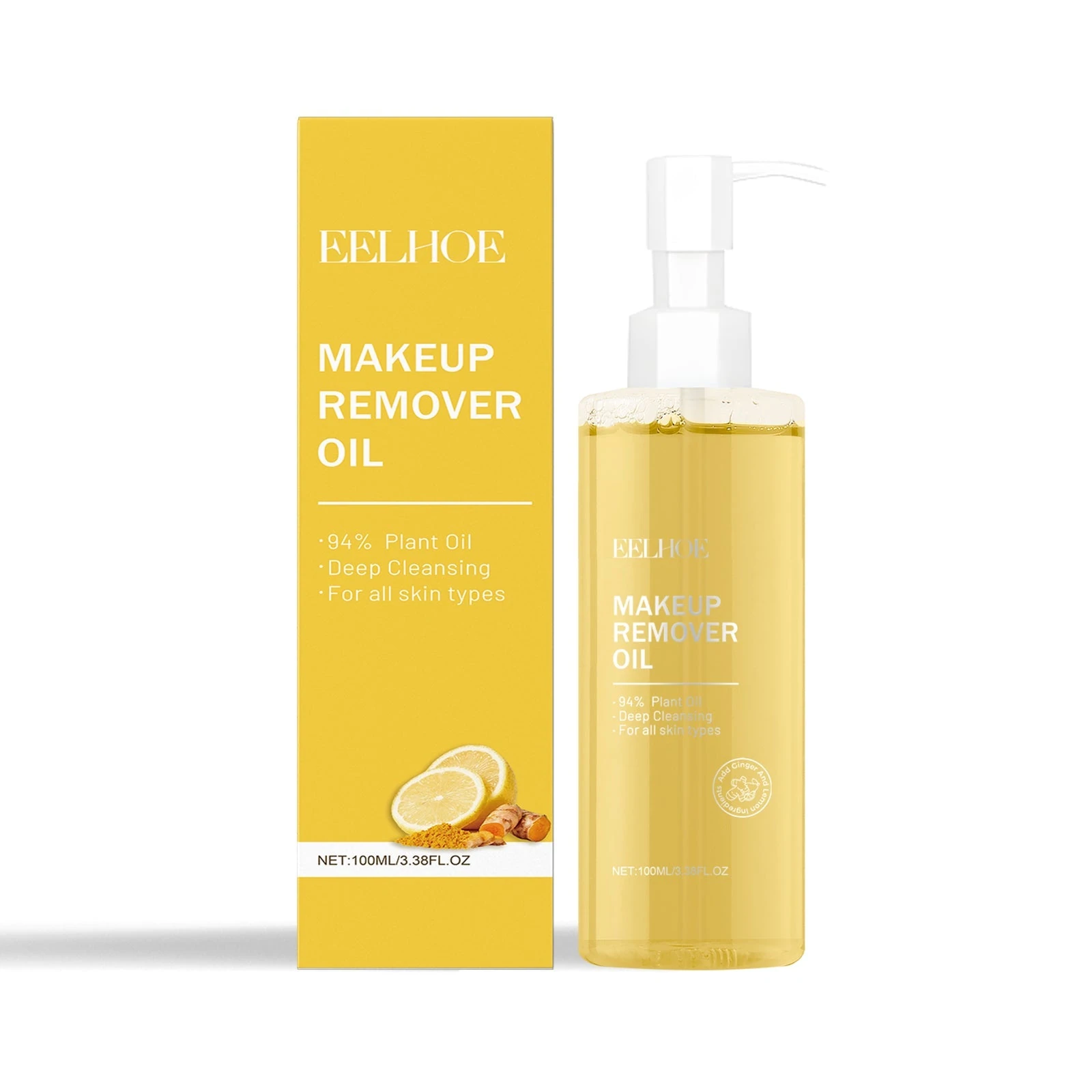
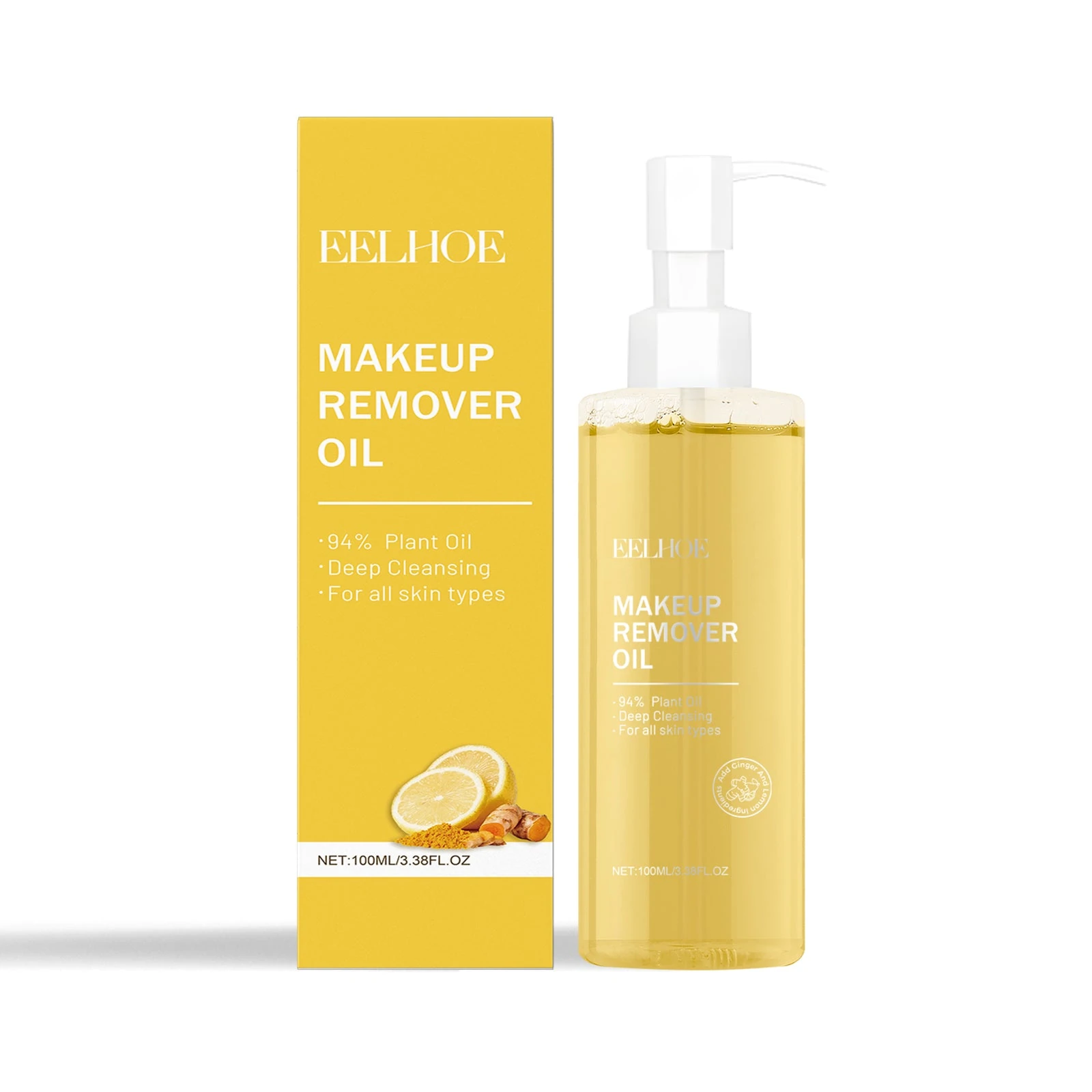
EELHOE facial cleansing oil is a 100ml pump bottle intended for facial makeup removal and rinse-off cleansing. Its current ingredient highlights include turmeric root oil, lemon peel oil, cocamidopropyl betaine, kojic acid and Chrysanthellum indicum extract. The retained product URL contains ginger and lemon, but the current ingredient panel—not the URL wording—is the source for identifying this formula.
Consider it if you prefer a fluid oil texture for a first cleansing step and its ingredients suit you. Dispense into the palm, spread gently and rinse thoroughly with plenty of water, following the current bottle. It is not a leave-on facial oil. A separate cream or serum belongs after the cleansing step when your routine calls for it.
We have not tested this oil against your sunscreen, so choosing it does not come with a guarantee that one pass removes every water-resistant formula. Check your sunscreen's removal guidance and the oil's full information before buying. If you need a verified compatibility claim for a particular sunscreen, ask the relevant manufacturer rather than relying on a category-wide assumption.
Questions about sunscreen removal
Can I remove sunscreen with water only?
Do not rely on water alone, particularly for water-resistant products. The small study cited above found more residue with water than with the tested cleansing products. Use an appropriate cleanser and follow the sunscreen's removal instructions.
Do mineral sunscreens always need double cleansing?
No universal rule follows from the filter category alone. The finished formula, water resistance, makeup and reapplication matter. Start with the product's own advice and an effective gentle cleanse rather than assuming every mineral sunscreen needs two washes.
Does a facial scrub remove sunscreen better?
A scrub adds exfoliation and friction; it is not the default solution for sunscreen removal. Choose a suitable cleanser first. Irritated skin and incomplete cleansing should not be addressed by pressing harder with particles or a rough tool.
Should I wash off sunscreen before bed?
Include removal of the day's sunscreen and makeup in your evening cleansing routine. Keep the method comfortable, rinse fully and follow with appropriate leave-on care. If a clinician has given you a different routine for a skin condition, follow that individual guidance.