
To detangle hair, divide it into manageable sections, loosen the ends first and gradually work upward with gentle fingers or a wide-tooth comb. Stop when a knot resists instead of pulling the comb through it. Whether hair should be damp or partly dry depends on its texture: thick curls often benefit from conditioning slip while damp, while straight hair should usually dry a little before combing.
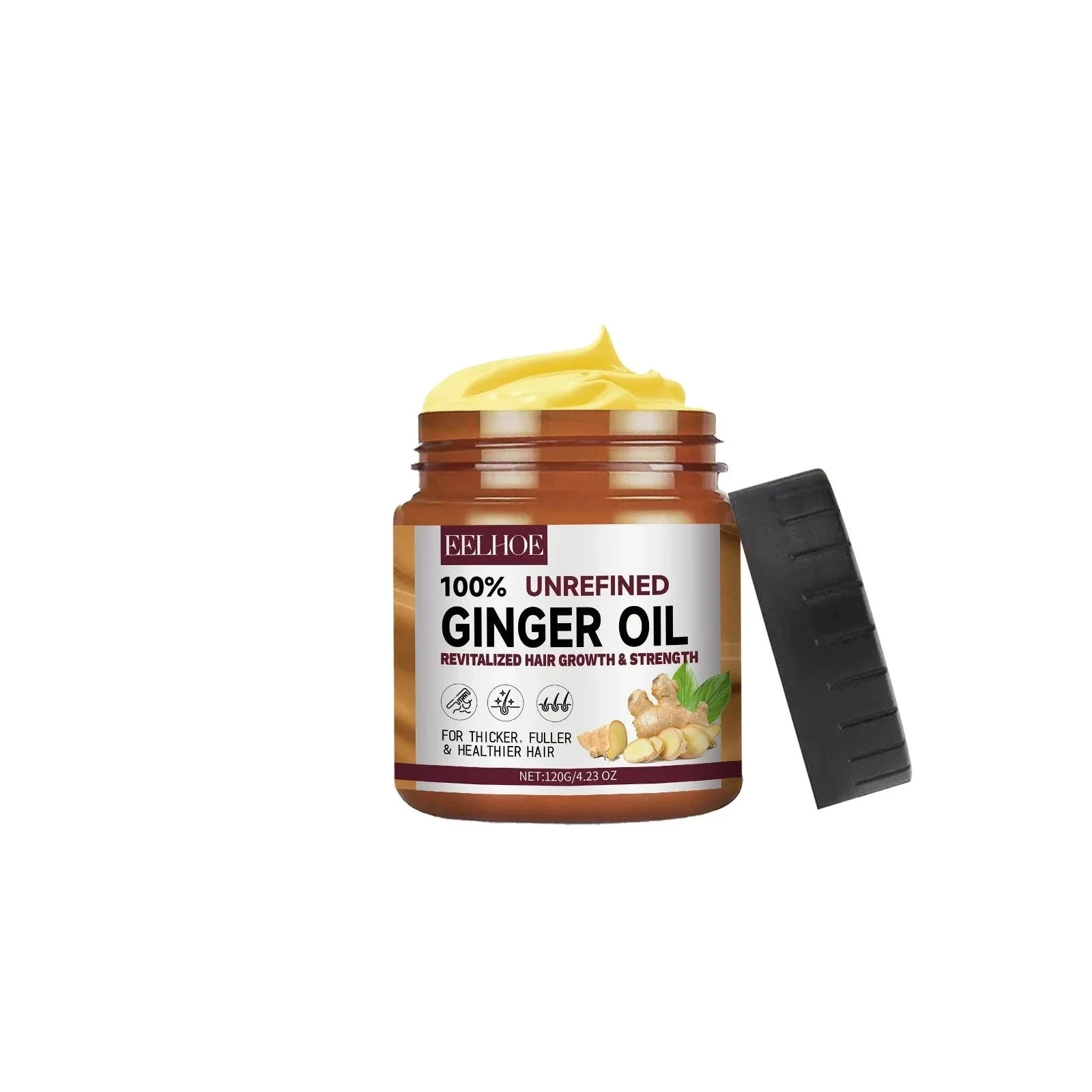
The aim is to reduce unnecessary tension and breakage, not to promise that no hair will ever break. This guide covers ordinary tangles, a repeatable detangling sequence and when to stop for help. GinGrowth sells the ginger rinse-out conditioning cream shown below. It is a product option for softness and handling, not a tested guarantee of zero breakage or a treatment for hair loss.
Should you detangle hair wet or dry?
The American Academy of Dermatology’s healthy-hair guidance makes an important distinction. Hair is delicate when wet. For straight hair, the AAD recommends letting it dry a little before gently combing. For thick, curly hair, it recommends combing in the shower before rinsing out conditioner. One “always wet” or “always dry” rule therefore misses the reader’s actual hair needs.
The AAD’s guide to habits that damage hair likewise recommends a wide-tooth comb and damp detangling for textured hair or tight curls. Conditioner can improve slip, but that does not make wet hair safe to stretch forcefully. Timing and tension are separate decisions: choose a suitable moisture state, then keep your handling gentle.
On a small screen, swipe or scroll the table sideways to compare all columns.
| Hair or situation | Starting approach | Important limit |
|---|---|---|
| Straight hair | Let hair dry a little, then comb gently | Avoid forceful brushing while soaking wet |
| Thick curls | Comb gently before rinsing conditioner | Slip does not justify stretching knots |
| Textured hair or tight curls | Damp hair and a wide-tooth comb | Work in small sections |
| Dense mat or painful scalp | Stop and seek appropriate help | Do not pull or cut close to the scalp |
If you have mixed textures, assess sections separately rather than forcing every area through the same routine. Follow any specific guidance from your stylist for extensions, chemically treated hair or a protective style. The steps here address your own loose hair; attachments, braids and tight matting may need a different approach.
Prepare before the comb meets a knot
Use a clean wide-tooth comb with smooth, undamaged teeth. A broken tooth or rough edge can catch hair even when your technique is careful. Keep sectioning clips within reach and give yourself enough time to work slowly. There is no useful number of strokes to complete: the AAD specifically rejects the idea that hair needs a hundred brush strokes a day.
Separate a small section with your fingers. Find the knot rather than starting with one long stroke from scalp to ends. You can gently support the section above the tangle to reduce the tug felt at the scalp, but do not hold it so tightly that you stretch the hair below your hand. If you feel pain, release tension and reassess.
Use a conditioner that fits the stage of the routine. A rinse-out cream belongs in washing and must be rinsed away; a leave-in is a separate product type. Adding more of a rinse-out cream to dry hair throughout the day is not the same as following its damp-hair application directions. Check your own product rather than borrowing a method from a differently formulated detangler.
How to detangle wet hair gently
- Choose damp or partly dry handling for your hair texture.
- Divide hair into manageable sections and locate the lowest tangle.
- Use suitable conditioning slip where the rinse-out routine allows.
- Loosen ends gently, then move upward only after clearing the lower section.
- Stop at resistance, reassess with fingers, and finish the product’s rinse directions.
Starting at the ends means clearing the lowest tangled area first, then moving your starting point a little higher once the comb can pass comfortably through the cleared length. It does not mean dragging a knot down the entire hair shaft. If the teeth stop, remove the comb and loosen the section with fingers instead of increasing force.
For damp curls using conditioner, distribute the product so the affected lengths receive slip before combing. For straight hair, let excess moisture leave first as the AAD advises, rather than vigorously brushing immediately after rinsing. In either case, absorb water gently with a towel or T-shirt. Rough towel rubbing can create more tangles just after you have worked them out.
Our shampoo-before-or-after-conditioner guide explains the wash sequence. Keep that separate from this task: this page helps with the handling of tangles, not a new shampoo order or a required increase in washing frequency.
What to do when the same section keeps catching
A repeated snag has a location and a context. Note whether it is at the ends, around the nape or near an attachment. Then check the simplest relevant variable. Tangled ends may need more careful sectioning and conditioner distribution; a snag beside an extension should not be treated by tugging the attachment. The table gives observations to guide your next step, not a diagnosis of a hair or scalp condition.
On a small screen, swipe or scroll the table sideways to compare all columns.
| Observation | Try first | Stop when |
|---|---|---|
| Ends catch repeatedly | Use smaller sections and distribute suitable conditioner | You need force to move the comb |
| Nape tangles | Separate the area gently before combing | The scalp feels painful |
| Attachment catches | Check with your stylist | You are pulling on extensions |
| Dense mat | Get experienced help | Ordinary gentle handling fails |
For example, if the lower section becomes comfortable after you divide it into two smaller sections, keep that change before adding more product. If you change the comb, moisture level, conditioner and section size together, you cannot tell which adjustment helped. A brief note about where the snag occurred is more useful than assuming you need a stronger formula.
Do not use repeated painful combing to prove that a knot can be removed. Dense mats that do not separate, knots close to a painful scalp or tangles involving extensions are reasons to seek an experienced stylist. If there is scalp inflammation, unusual shedding or persistent breakage despite gentle care, a dermatologist can assess a concern that a conditioning routine cannot diagnose.
Where our ginger conditioning cream fits
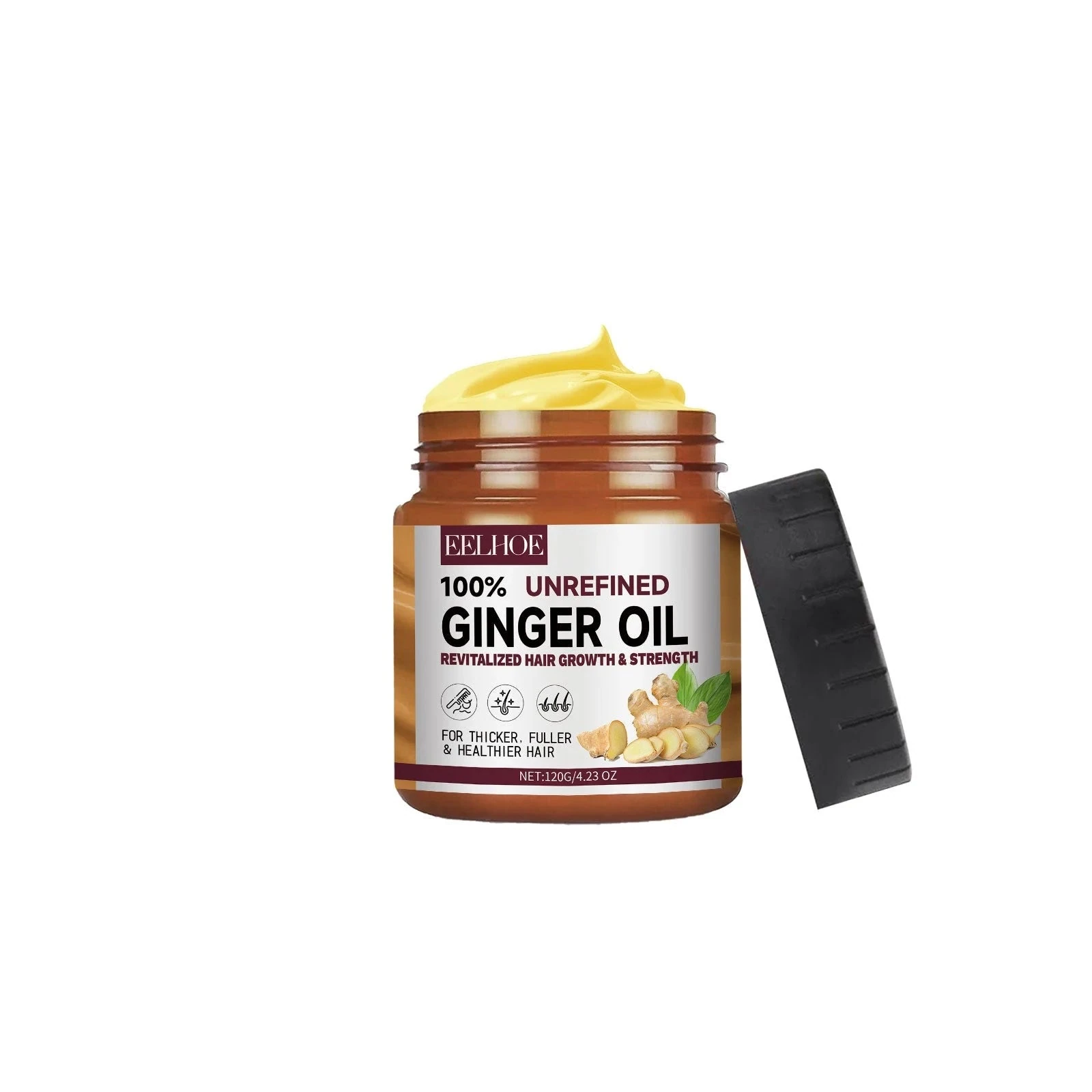
EELHOE ginger conditioner is the yellow conditioning cream in the ginger-labelled jar. The current product panel lists water, cetrimonium chloride, dimethicone, 1,2-hexanediol and ginger root oil. The product’s stated role is to add softness and slip to rough-feeling lengths after shampooing. It is a formulated rinse-out conditioner, even though some packaging uses the words Ginger Oil.
The current method is to shampoo and rinse, gently squeeze out excess water, apply the cream to damp lengths and ends, work gently with your hands and rinse thoroughly. No fixed minute count is supplied in the illustrated guide. Follow the contact time printed on the jar you receive instead of copying the five-to-ten-minute interval from a different rosemary conditioner.
Some range photographs show a green rosemary jar or mention coconut care. Those are separate formulas, not additional items included with the ginger selection. The images in this guide focus on the selected ginger product and its ingredient information so you can identify the option accurately before opening the product page.

Reduce the next knot without adding unnecessary steps
Keep cleansing focused on the scalp, as the AAD recommends, and condition the lengths according to your hair and product. Avoid piling all the hair into a tangled mass while rubbing shampoo through it. Gentle handling during washing makes more sense than creating knots and trying to remove them aggressively afterward.
After detangling, dry and style with care. Avoid tight pulling, rough towel friction and unnecessary repeated brushing. The goal is manageable hair through the routine, not an artificially perfect comb-through that requires more and more manipulation. Conditioner can change feel and slip; it does not permanently repair split ends.
If gray hair is the reason your routine has changed, our conditioner for gray hair guide covers softness, detangling and tone-related product choices. This page deliberately keeps its focus on the technique. A change in color does not automatically answer whether a particular section should be combed damp or partly dry.
Questions about detangling hair
How do I detangle hair without breakage?
Reduce avoidable force: work in smaller sections, clear ends before moving upward and stop when the comb catches. Use an appropriate conditioner and moisture state for your hair. These steps can reduce damage from handling, but no method guarantees that every strand stays intact.
Can I detangle straight hair immediately after washing?
The AAD advises letting straight hair dry a little before gently using a wide-tooth comb. Avoid vigorous brushing while it is soaking wet. Absorb excess water gently and work through small sections without pulling at resistant knots.
Should curly hair be detangled before rinsing conditioner?
For thick curls, the AAD recommends combing in the shower before rinsing conditioner. Use a wide-tooth comb and gentle handling, then complete the product’s rinse-out directions. Conditioner provides slip; it does not justify stretching a knot until it gives way.
Should I cut out a tight mat myself?
Do not rush to cut close to your scalp or pull apart a dense mat. Ask a stylist experienced with detangling to assess it, especially around extensions or tender skin. Ordinary knot-removal guidance is not a safe substitute for that assessment.