
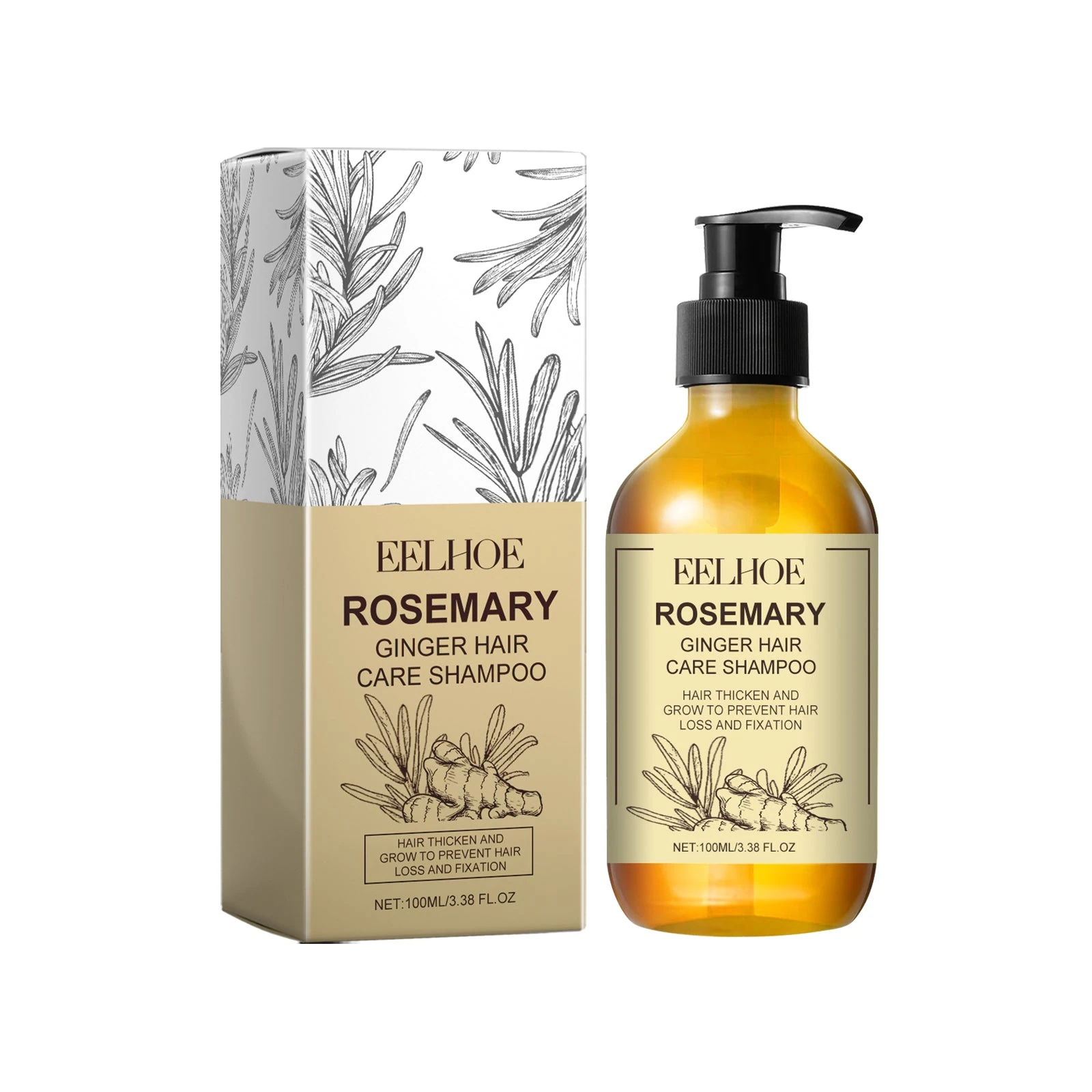
To wash curly hair, wet it thoroughly, apply a suitable shampoo mainly to the scalp, massage gently with fingertips and rinse completely. Follow with conditioner through the lengths, detangle gently where the product directions allow, and absorb water without rough towel rubbing. Choose washing frequency from scalp oil, dirt and buildup rather than a fixed rule for every curl pattern.
A good wash day solves two different jobs: cleaning roots and keeping lengths manageable. Using more shampoo on dry ends does not replace conditioning, and skipping every wash because curls feel dry can leave the scalp uncomfortable. This guide gives you a practical sequence, a way to judge the next wash and a clear role for the 100ml rosemary shampoo sold by GinGrowth.
Decide whether today needs a wash
The American Academy of Dermatology’s healthy-hair guidance recommends washing according to how dirty or oily hair becomes. It distinguishes textured, dry and curly hair from straight hair with an oily scalp. That means a friend's successful schedule is a starting observation, not a prescription for your roots.
Look at the scalp and lengths separately. Roots may feel oily while ends remain dry; styling products may collect even when you do not see much natural oil. A useful note is what you applied since the last wash and where you feel residue. Do not use curl appearance alone to decide whether the scalp needs cleansing.
For dry, textured, curly or thick hair, the AAD describes shampooing when needed, including at least once every two to three weeks as needed. This is not advice to wait that long when your scalp becomes dirty sooner. Sweating, styling habits and scalp conditions may change the appropriate interval. Follow any prescribed scalp-treatment schedule rather than substituting a general curl routine.
On a small screen, swipe or scroll the table sideways to compare all columns.
| Observation | Useful next step | Avoid |
|---|---|---|
| Oily roots, dry ends | Cleanse roots and condition lengths separately | Scrubbing ends with extra shampoo |
| Styling residue near the scalp | Review cleansing and sectioned rinsing | Assuming all flakes are product buildup |
| Clean scalp, rough lengths | Review conditioner and drying technique | Automatically washing again |
| Persistent soreness or unusual shedding | Seek dermatology advice | Scratching harder with fingernails |
Prepare the hair before applying shampoo
Wet the scalp as well as the outside of the curls. Dense hair can look soaked on the surface while the roots underneath remain comparatively dry. Use your fingers to separate manageable sections so water can reach the nape, crown and areas behind the ears. Avoid gathering every section into a tight pile on top of your head.
Dispense shampoo into your palm first so you can control where it goes. Follow the bottle's amount guidance and distribute it gradually rather than pouring a large dose over one patch. Hair density and length vary, so a universal pump count is not useful unless it comes from the particular product's directions.
Use comfortably warm water. Hot water and rough handling are not necessary to make a wash effective. If there is a tight knot, do not force the shampooing motion through it. Keep the section organized and deal with tangles gently during an appropriate conditioning step; dense matting may need help from a stylist.
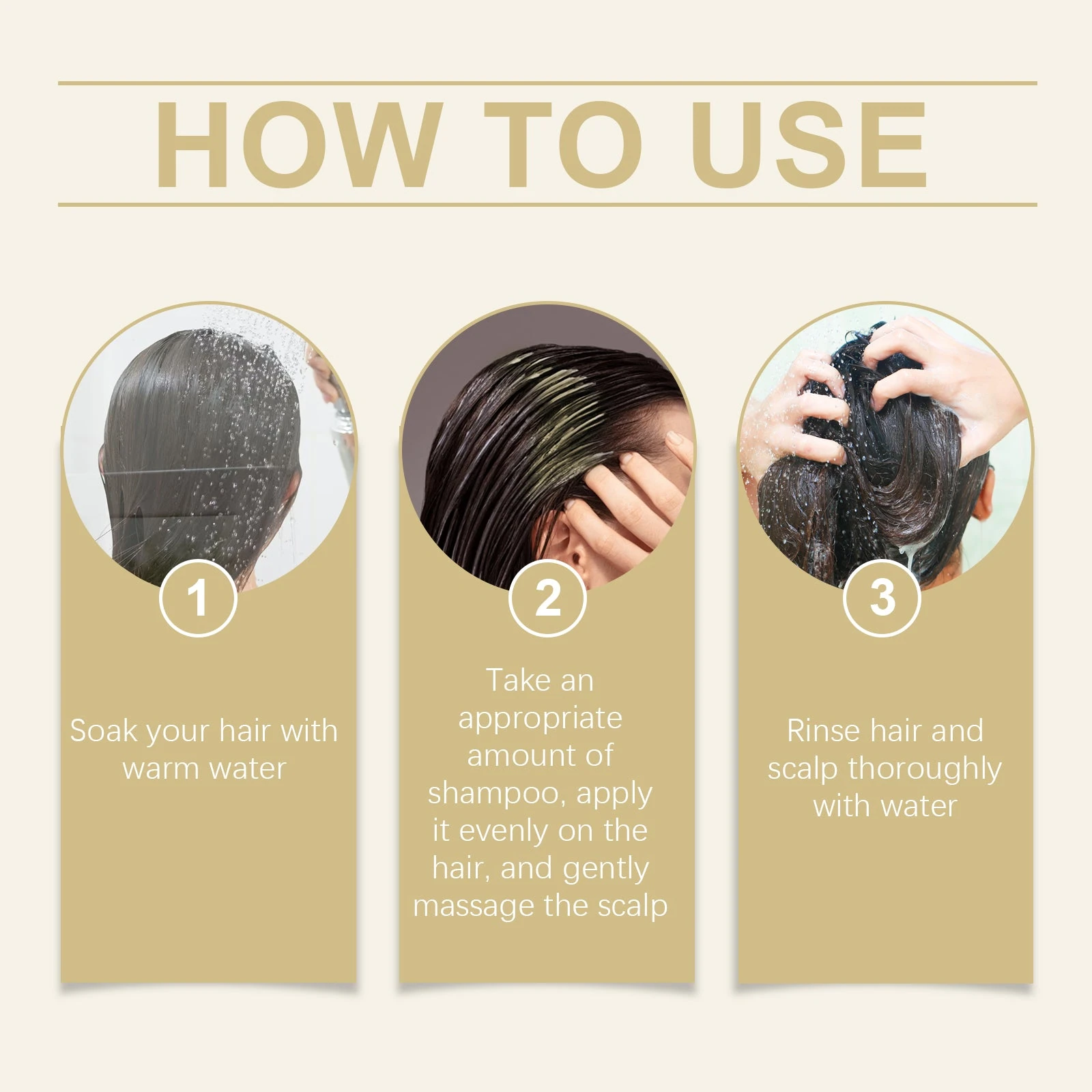
How to shampoo curly hair in five steps
- Wet scalp and curls thoroughly, separating manageable sections.
- Dispense a suitable shampoo into your palm and apply mainly to roots.
- Massage the scalp gently with fingertips without piling up the lengths.
- Rinse through every section, including the nape and crown.
- Use conditioner as directed, detangle gently and absorb water without rough rubbing.
The AAD advises applying shampoo to the scalp instead of deliberately scrubbing the full hair length. Focus fingertip contact on the roots, then rinse through the rest of the hair. Do not use fingernails to scratch the scalp or repeatedly squeeze tangled ends to create more foam. A large lather is not a measured cleanliness score.
Rinsing is part of cleansing. Direct water through the sections you created, including the less accessible nape and crown. If you notice a patch that still feels coated with shampoo, rinse that area again. Do not assume a quick pass over the surface has reached every section of thick curls.
Conditioning comes after the cleanser is rinsed. For dry or curly hair, the AAD recommends conditioner through the length. Follow the conditioner's own application and rinse instructions; the shampoo bottle does not establish the conditioner's contact time. Our shampoo before or after conditioner guide explains the separate sequencing question.
How to wash curly hair without adding frizz from handling
You cannot promise a completely frizz-free wash, but you can avoid unnecessary friction. The AAD recommends a wide-tooth comb for wet hair and gentle detangling before rinsing conditioner for thick curls. Start at the ends and move upward as each section becomes manageable. Pulling through resistance can turn a washing task into a breakage problem.
The detailed hair-detangling guide covers resistant knots and different moisture states. Here, the key point is to preserve the organization you created while washing. Do not finish careful detangling by rubbing all the hair briskly between your hands or against a towel.
Wrap or blot with a towel or T-shirt to absorb moisture gently. If using a dryer, the AAD advises limiting excessive heat and choosing low or medium settings with appropriate heat protection. Air drying is an option too. Washing prepares the hair; your drying and styling choices still influence its finished appearance.
On a small screen, swipe or scroll the table sideways to compare all columns.
| After washing | Review first | Keep separate |
|---|---|---|
| Roots feel coated | Sectioning and complete rinsing | A new shampoo is not the only variable |
| Lengths feel rough | Conditioner distribution and drying friction | Clean roots do not guarantee conditioned ends |
| Curls tangle during shampooing | Avoid piling hair up; keep sections organized | Dense mats need a different approach |
| Scalp remains sore | Professional assessment | Do not increase pressure |
Where our rosemary shampoo fits
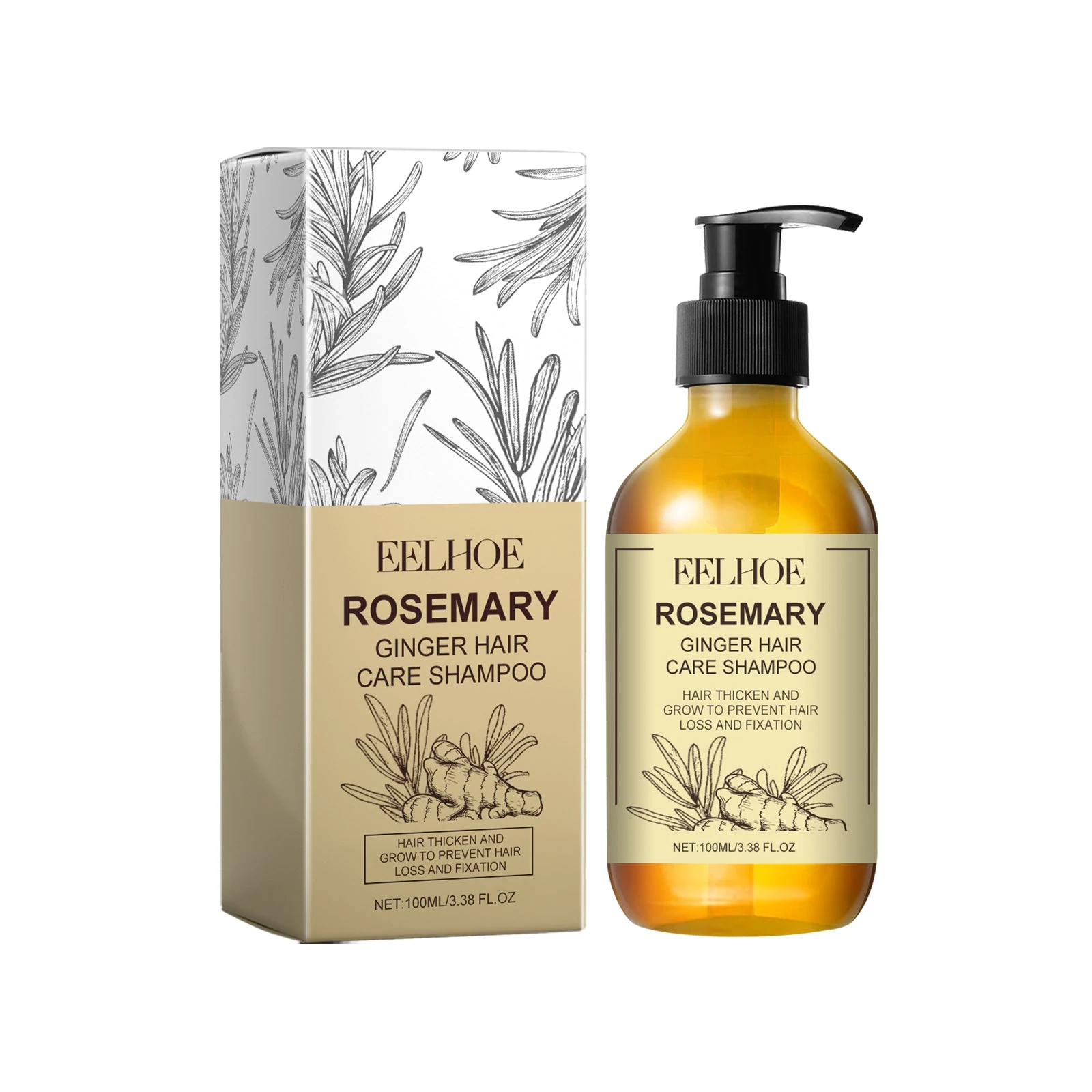
EELHOE Rosemary Shampoo is a 100ml pump bottle for the cleansing step. Its current ingredient highlights include rosemary extract, ginger root extract, lemon fruit extract and keratin. It is positioned for clean roots while keeping dry, rough-feeling lengths in mind. It is not the separate rosemary conditioner, and buying this shampoo does not include that conditioner.
The verified method is to wet hair thoroughly with warm water, dispense into your hand, distribute, massage the scalp gently with fingertips and rinse completely. Follow with conditioner where needed. The current page does not establish sulfate-free status, a special curly-hair certification or an independent curl-definition result. A curly-haired model in artwork does not establish those claims either.
Choose it if you want this pump format and the described cleansing role. If a stylist has specified ingredients to avoid after a treatment, check the complete label before using it. Botanical highlights are not a substitute for a full formula check, and keratin on a label does not tell you a measured concentration or a repair result.
Adjust the next wash using one observation
After the hair dries, record whether the roots feel clean and whether the lengths feel manageable. If the scalp is comfortable but the ends are rough, first examine conditioning and drying rather than adding extra shampoo. If a small scalp area still feels coated, review sectioning and rinsing before changing every product.
For roots that become oily while ends stay dry, our oily-roots and dry-ends routine explains how to give each area its own job. Use it to plan care between wash days while keeping this gentle wash sequence as your cleansing step.
Persistent itching, soreness, unusual shedding or flakes that do not improve deserve professional assessment. Do not respond by scrubbing harder or assuming every flake is styling buildup. A dermatologist can distinguish scalp concerns that a shampoo-comparison article cannot diagnose.
Frequently asked questions
How often should you wash curly hair?
Wash when the scalp and hair need cleansing, considering oil, dirt, styling residue and any prescribed routine. Curly hair often needs a different schedule from oily straight hair, but no single weekly count fits everyone. Observe your roots as well as the condition of the ends.
Should I shampoo the whole length of my curls?
Focus shampoo application on the scalp, as the AAD advises, and rinse through the lengths. Avoid deliberately rough scrubbing of dry ends. Conditioner has a separate job in making the lengths easier to handle.
Can I wash curly hair without frizz?
Gentle handling can limit friction-related disruption, but no wash method guarantees zero frizz. Keep sections organized, detangle appropriately with conditioner and absorb water without rough towel rubbing. Drying and styling choices also affect the result.
Is the featured shampoo certified for a curly-hair method?
No such certification was verified on the current page. Review the ingredients and directions against your own routine. The bottle is a rinse-off shampoo; the botanical names and hair photographs do not prove compliance with a particular method.