

For a conventional rinse-out routine, use shampoo first, rinse it away, then apply conditioner and rinse again. Shampoo handles scalp cleansing; conditioner follows to help the hair feel softer and easier to manage. Conditioner before shampoo, often called reverse washing, is an alternative sequence for products that allow it—not a rule that overrides the directions on your bottle.
If you are unsure whether your ends need conditioning or your roots need a better wash, changing the order is not the first thing to try. Start with correct placement, a thorough rinse and the product's stated contact time. This guide explains the sequence, the reverse-washing exception and how to troubleshoot a heavy finish. GinGrowth sells the rosemary conditioner shown here; the product details are seller information, not an independent comparative trial.
Why shampoo normally comes first
The American Academy of Dermatology's healthy-hair guidance recommends applying shampoo to the scalp and using conditioner after washing. Cleansing first removes accumulated oil and residue at the roots. Conditioning afterward places the softening and detangling step after that cleansing work, rather than immediately washing the conditioner away with shampoo.
Placement matters as much as order. For fine or straight hair, the AAD recommends conditioner on the ends; for dry or curly hair, it recommends application through the lengths. Your scalp and ends can have different needs on the same day. Oily roots do not prove that the ends should receive no conditioner, and rough ends do not mean the roots need a larger shampoo dose.
Rinse between steps instead of mixing the two products together in your palm. Separately formulated shampoo and conditioner are not automatically equivalent to a designed two-in-one product. The separate rinse also lets you assess whether shampoo remains around the nape or ears before you add anything else. A coating left by an incomplete rinse can feel like a conditioning problem later.
On a small screen, swipe or scroll the table sideways to compare all columns.
| Method | Sequence | Important condition |
|---|---|---|
| Conventional rinse-out care | Shampoo, rinse, conditioner, rinse | Follow conditioner placement and contact time |
| Reverse washing | Suitable conditioner before shampoo | Only when the products support this sequence |
| Pre-shampoo treatment | Specific treatment before washing | Not interchangeable with every conditioner |
| Co-washing | Use an intended cleansing conditioner | Not simply reversing two ordinary bottles |
| Featured rosemary conditioner | After shampoo, on damp hair; rinse after 5–10 minutes | Not a leave-in or overnight product |
Why conditioner belongs after cleansing
A 2015 dermatology review by D’Souza and Rathi explains that conditioners improve manageability and reduce friction between hair fibers. Many conditioning systems deposit positively charged ingredients on negatively charged hair, particularly weathered areas. That mechanism explains why the lengths can benefit from conditioning after the scalp has been cleaned.
This is an explanation of conventional conditioner function, not a trial showing that one wash order wins for every formula. It also explains why a slippery feel during application is not proof that shampoo remains: a conditioner is intended to change the feel of the hair. Judge whether the dried lengths are manageable and the roots feel comfortable, rather than trying to rinse away every trace of softness.
What reverse washing hair means
Reverse washing means applying a suitable conditioner before shampoo, then completing the shampoo step afterward. People may explore it when an ordinary conditioning finish feels too heavy. That motivation does not establish that reverse washing will improve every hair type, or that any conditioner can be used this way. Check whether the products you own support the sequence before experimenting.
It is different from co-washing, which uses a product intended for cleansing with a conditioning-style routine rather than simply reversing two separate bottles. It is also different from applying a pre-shampoo treatment. A treatment designed for use before washing may have a specific purpose and timing that an ordinary rinse-out conditioner does not share.
Avoid making several changes together. If you change the shampoo, conditioner, amounts and order on the same day, it becomes difficult to identify why the result feels different. First see whether less conditioner, more targeted placement or a more complete rinse solves the heavy finish. Reverse washing is an optional method to evaluate with appropriate products, not a necessary upgrade to a conventional routine.

A reliable shampoo-then-conditioner sequence
- Wet the scalp and hair, then shampoo according to the bottle.
- Rinse shampoo thoroughly, including the nape and behind the ears.
- Apply conditioner to the intended damp lengths and ends.
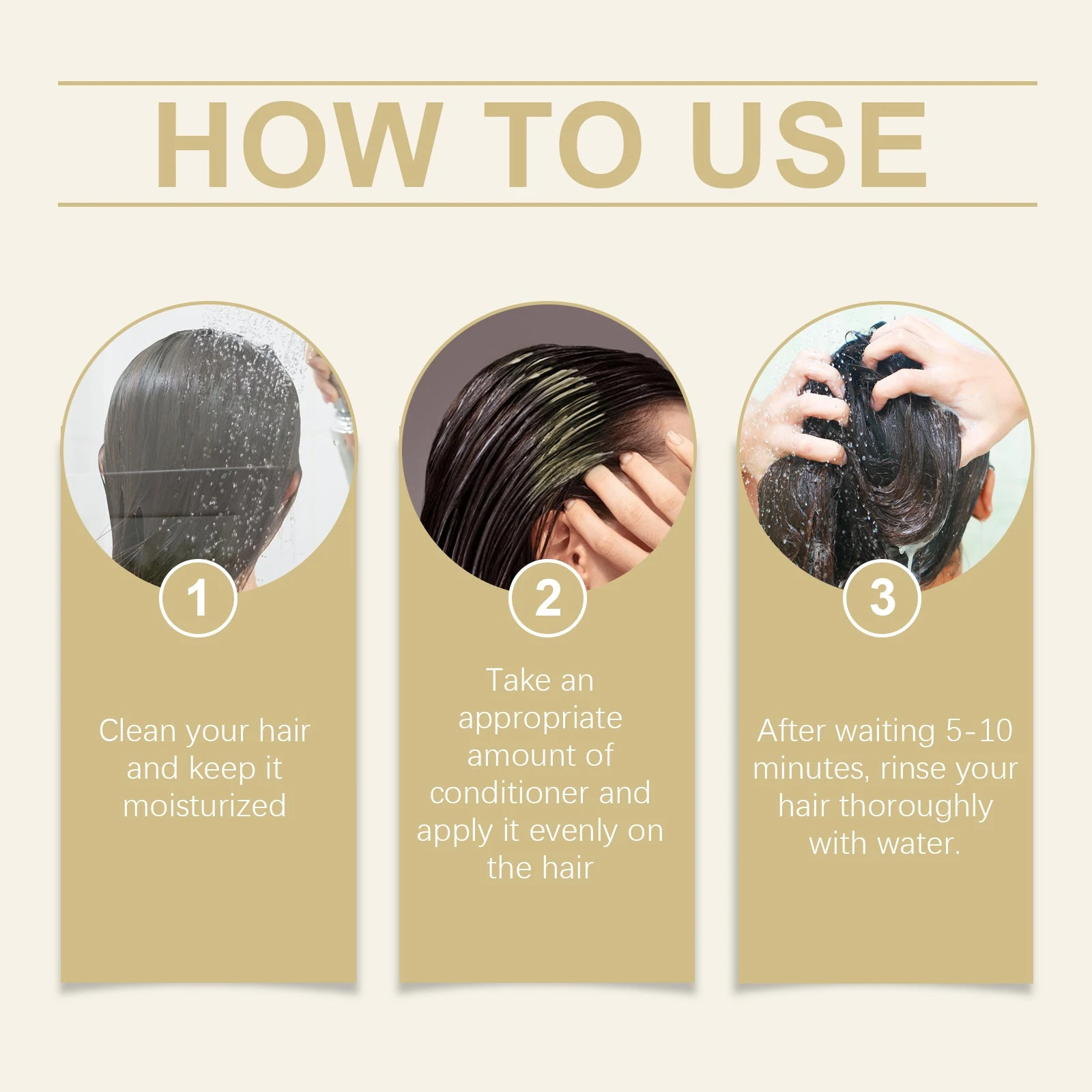
- Observe the conditioner’s own contact time; this bottle specifies 5–10 minutes.
- Rinse thoroughly, then dry and style gently.
Make sure water reaches the roots beneath dense hair before shampooing. After rinsing, leave the hair in the condition your conditioner requires; for the featured product, that means damp hair. Spread the conditioner where it is needed rather than concentrating a large portion on one section. Use gentle handling instead of pulling tangles apart with force.
Set the contact interval from your own bottle, not from another conditioner you used previously. The featured rosemary conditioner specifies five to ten minutes before rinsing. That is a product-specific instruction, not a universal wait time. Leaving it on overnight changes the intended use and is not the same thing as buying a leave-in conditioner.
If the distinction between product types is still unclear, read our leave-in versus rinse-out conditioner guide. It explains which products stay in the hair. This article answers a different question: where a rinse-out conditioner belongs in the wash sequence and what to check before reversing that sequence.
Diagnose a flat or coated finish before changing order
If your roots feel flat while the ends feel comfortable, look at where you applied conditioner. Moving it away from roots that do not need it may be more useful than removing the conditioning step altogether. If only the nape feels coated, rinse that area more deliberately. If the whole head feels heavy, reassess the amount and formula as well as rinsing.
If ends remain rough, shampooing them repeatedly to remove a perceived film can make the routine feel harsher. Keep scalp cleansing and length conditioning separate. A comfortable result may require better conditioner distribution, rather than a larger amount everywhere. Consider the hair's condition after drying, not only the slippery feel while the product is still present.
Our guide to how much shampoo to use addresses portioning and scalp coverage in more detail. Use that guide if you are chasing foam or automatically shampooing twice. A sequence change should solve a clear problem; it should not become another extra step layered onto an already confusing wash day.
Your next-wash adjustment card
Keep the same shampoo and conditioner for a useful comparison. Choose the row that matches your last result, make that one adjustment on your next usual wash day, and check the dried result. The examples below are troubleshooting suggestions, not customer results or a requirement to wash more often.
On a small screen, swipe or scroll the table sideways to compare all columns.
| Last result | Next comparison | What to assess after drying |
|---|---|---|
| Clean roots; rough or tangled ends | Keep shampoo placement; distribute conditioner through affected lengths | Easier gentle detangling without a coated root area |
| Comfortable ends; flat roots | Keep order; target conditioner away from roots that do not need it | Root feel and whether lengths remain manageable |
| One coated area at the nape | Keep product amounts; rinse that area more thoroughly | Whether the local coating remains |
| Heavy finish throughout | Review conditioner portion according to its label | Comfort and manageability before considering another formula |
For example, clean roots plus tangled ends calls for a different adjustment from comfortable ends plus a coated nape. In the first situation, distribute conditioner more evenly through the affected lengths. In the second, improve rinsing at the nape. Neither observation alone is a reason to reverse the entire wash sequence. If an adjustment helps, keep it stable before changing another variable.
Where our rosemary conditioner fits
EELHOE rosemary conditioner is a 100ml pump bottle of rinse-out conditioner. Its current ingredient highlights include rosemary extract, ginger root extract, keratin and shea oil. The directions specify shampooing first, leaving hair damp, distributing conditioner through the hair with attention to lengths and ends, waiting five to ten minutes and rinsing thoroughly.
Choose it when that post-shampoo, rinse-out format matches your routine and you want a separate conditioning step for dry-feeling or rough lengths. A pump makes dispensing convenient, but the listing does not establish that one pump is the correct amount for every head of hair. Read the full current product information and adjust distribution to the areas you intend to cover.
This formula is not presented here as a reverse-washing product. Use its stated after-shampoo method rather than assuming a general trend changes the label. It can be selected for softness and manageability; conditioning does not permanently mend split ends or establish a treatment for hair loss. Those concerns need a different decision from arranging the order of wash-day products.
Keep timing and frequency separate
How long conditioner remains on during one wash is different from how often you wash your hair. A five-to-ten-minute direction does not mean the product must be used every day. Choose wash days around your hair, scalp and product instructions, while following the contact time whenever you use that conditioner. A medicated shampoo may have its own application and timing requirements that take priority over a general diagram.
If your scalp is sore, inflamed or persistently flaky, do not keep switching the order in search of a cosmetic fix. Get guidance suited to the symptoms. For an ordinary wash-day experiment, use the simplest comparison: the same products, the same placement and one carefully chosen adjustment. That gives you a more useful observation than trying several trends at once.
Questions about shampoo and conditioner order
Should you shampoo or condition first for fine hair?
Shampoo first is the conventional starting point. Keep conditioner on the ends or other lengths that need it, following the product. If hair feels heavy, check quantity, placement and rinsing before deciding the order must change.
Can you use conditioner before shampoo every wash?
Only when the products and your routine support that method. Reverse washing is not a general instruction for all rinse-out conditioners. The featured rosemary conditioner specifically belongs after shampoo, so its directions should not be reversed by this article.
Does reverse washing replace a leave-in product?
No. Reverse washing describes the order of steps during a wash. Leave-in describes a product intended to remain on the hair. Those are different decisions, and an ordinary rinse-out conditioner does not become leave-in care because you changed the sequence.
Do I shampoo again after the featured conditioner?
Its stated routine ends with thoroughly rinsing the conditioner, then drying or styling. It does not direct a second shampoo afterward. If residue remains, first improve rinsing and review the portion rather than automatically washing the conditioning step away.