
Perfume can change over time, but there is no single expiry age that applies to every bottle. Check the maker's date or period-after-opening instructions first, then consider storage and changes from the fragrance's original condition. A noticeably altered smell, unexpected cloudiness, particles or new irritation deserves attention. A bottle that still sprays is not proof that its contents remain unchanged.
If you are asking “does perfume expire?” because you found an old bottle, start with what you can establish: when you bought or opened it, where it has been kept and what the label says. This guide separates unopened storage from daily use, helps you record a useful baseline and explains what to check before buying a replacement. It does not assign an unsupported shelf life to a fragrance.
Does perfume expire even if it is unopened?
An unopened bottle can still change. Its formula, packaging, seal and storage environment all matter. “Unopened” tells you that you have not begun normal spraying; it does not tell you how long the bottle sat in a warehouse or whether it spent a summer near a hot window. A factory seal is useful context, not a universal freshness certificate.
For how long perfume lasts unopened, the most reliable answer is the manufacturer's product-specific information. Keep the box if it carries a date, storage direction or batch identification that is missing from the bottle. A batch code identifies production information; it should not be treated as an expiry date unless the maker explains that relationship.
Broad online ranges such as three or five years are not a substitute for actual stability information. Two bottles bought on the same day may have different formulations and storage histories. If a date is missing, contact the manufacturer with the product name and batch information rather than turning a generic internet estimate into a deadline.
On a small screen, swipe or scroll the table sideways to compare all columns.
| Information | Useful meaning | Limit |
|---|---|---|
| Manufacturer expiry or opening guidance | Product-specific instruction to follow | Does not excuse damage or unsuitable storage |
| Purchase date | When you acquired the bottle | Not necessarily when it was produced |
| Batch code | Traceability information for the maker | Not automatically an expiry date |
| Unopened seal | No routine opening by you | Does not establish storage history |
| Normal spray function | The atomizer operates | Does not certify unchanged contents |
How to tell if perfume has gone bad
Compare the fragrance with its own original condition, not with an unrelated perfume. A normal base note can smell different from the first spray, and some fragrances begin with a darker liquid. What matters is a new change in the same bottle. If possible, record the opening date, initial appearance and a brief description of the familiar scent while the product is new.
An unexpectedly sour, sharply altered or otherwise unfamiliar smell may indicate deterioration, but smell alone cannot diagnose the chemistry. Unexpected particles, cloudiness or a substantial change in color also deserve a check against the maker's information. A color shift by itself does not prove a product is unsafe, and a liquid that looks normal is not a complete quality test.
Do not repeatedly spray an obviously changed or irritating fragrance on your skin to prove it is still usable. Stop using it if it causes irritation and seek appropriate advice if symptoms persist. If you are uncertain about a valuable bottle, ask the maker what changes are expected for that formula and provide the batch code, approximate age and storage history.
Also separate a scent change from a delivery problem. A clogged or leaking atomizer can make application inconsistent without telling you whether the liquid has expired. Follow the packaging's maintenance guidance rather than dismantling a sealed bottle or adding water or alcohol. Diluting an old fragrance at home does not restore its original tested formulation.
On a small screen, swipe or scroll the table sideways to compare all columns.
| Observation | What to check | What not to conclude |
|---|---|---|
| Unexpected scent in the bottle | Date, storage and maker guidance | More sprays will fix it |
| New cloudiness or particles | Product-specific explanation before use | Normal atomizer function means it is fine |
| Scent fades during the day | Application and wear conditions | The bottle must be expired |
| New skin irritation | Stop use and seek advice if persistent | A smell check can establish safety |
What oxidation research can and cannot tell us
Fragrance ingredients can react with air. For example, research on geraniol describes air oxidation pathways, and research comparing certain pure and oxidized fragrance terpenes found differences in skin irritation. These studies help explain why ingredient chemistry and storage deserve attention. They do not establish an expiry date for every finished perfume, including the one featured here.
A finished fragrance is a mixture in a particular package, with its own manufacturing and stability considerations. You cannot look at one ingredient name and calculate the safe lifetime of the bottle. Similarly, the presence of a fragrance allergen in product information does not mean every user will react to it. Someone with a known fragrance allergy should follow their own clinician's advice rather than testing an old bottle based on a general article.
This distinction is why the recommendations below focus on preserving the maker's intended storage conditions and noticing meaningful changes. They are practical handling guidance, not a claim that this perfume has passed a particular long-term stability trial or that a home smell check certifies safety.
How to store perfume between uses
Packing for a flight? Check perfume rules for carry-on and checked baggage, including your departure, connections and return route.
- Keep the maker’s storage instructions, dates and batch information.
- Choose a stable indoor spot away from direct sunlight and heat.
- Keep the container closed as intended and its opening clean.
- Record first use and the original appearance and scent.
- Check unexpected changes before further use; ask the manufacturer when uncertain.
A stable, cool location away from direct sunlight and heat is a practical starting point, subject to the label's instructions. A drawer or cupboard away from a radiator can be more suitable than a sunny display shelf. Avoid leaving a fragrance in a parked car, where the environment may change far more than a normal indoor room.
Bathrooms vary, but a spot beside a hot shower is not ideal when temperature and moisture repeatedly fluctuate. Keep the container closed as intended and the opening clean. Retaining the original box can shield a bottle from light and preserve its printed information, although a box does not make exposure to heat harmless.
Do not assume a kitchen refrigerator or freezer is the solution. The correct storage range depends on the formula and package, and moving a bottle between very different temperatures creates another variable. Follow manufacturer instructions. The aim is sensible, consistent storage, not inventing a special treatment that the product was never designed to receive.
Apply those checks to the featured 10ml perfume
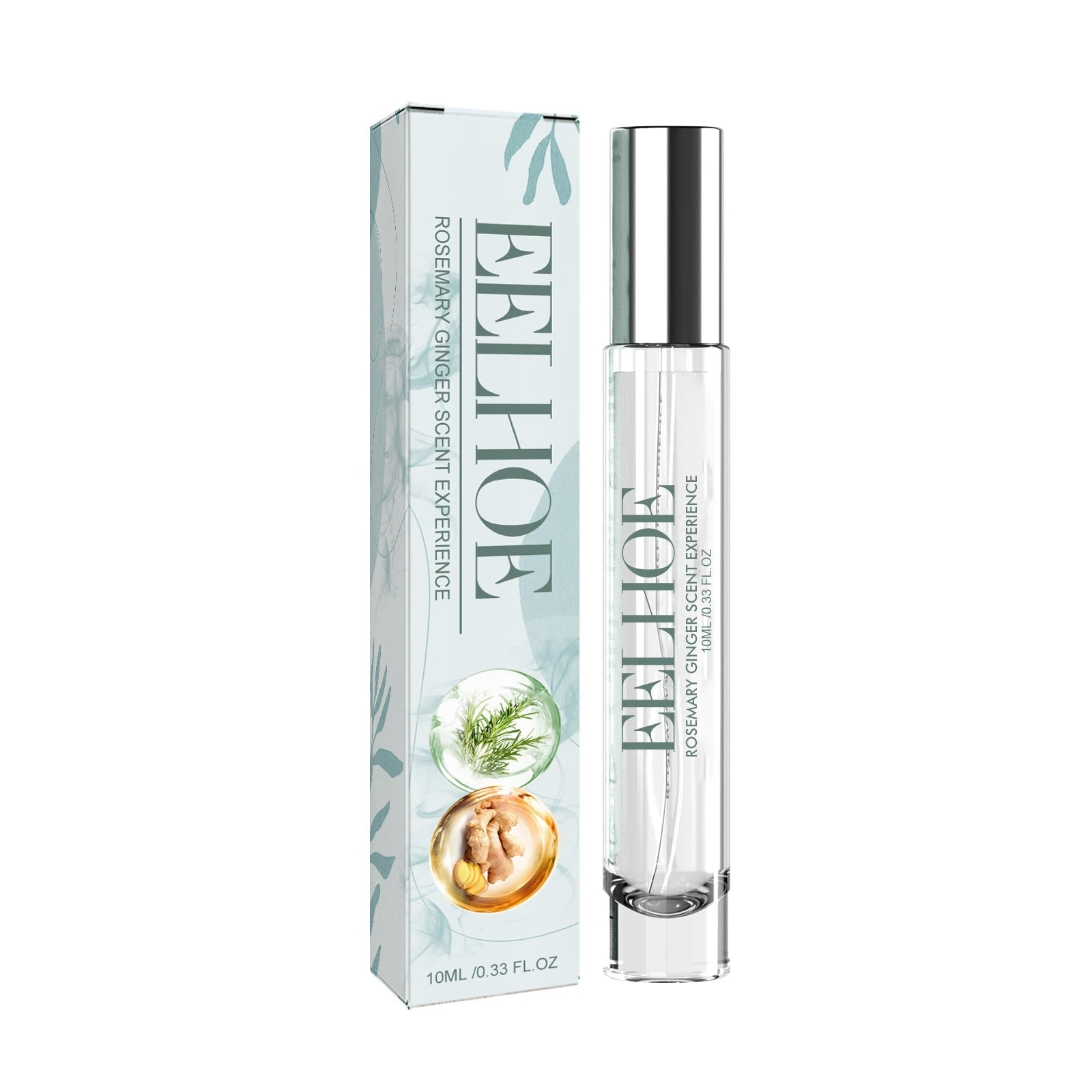
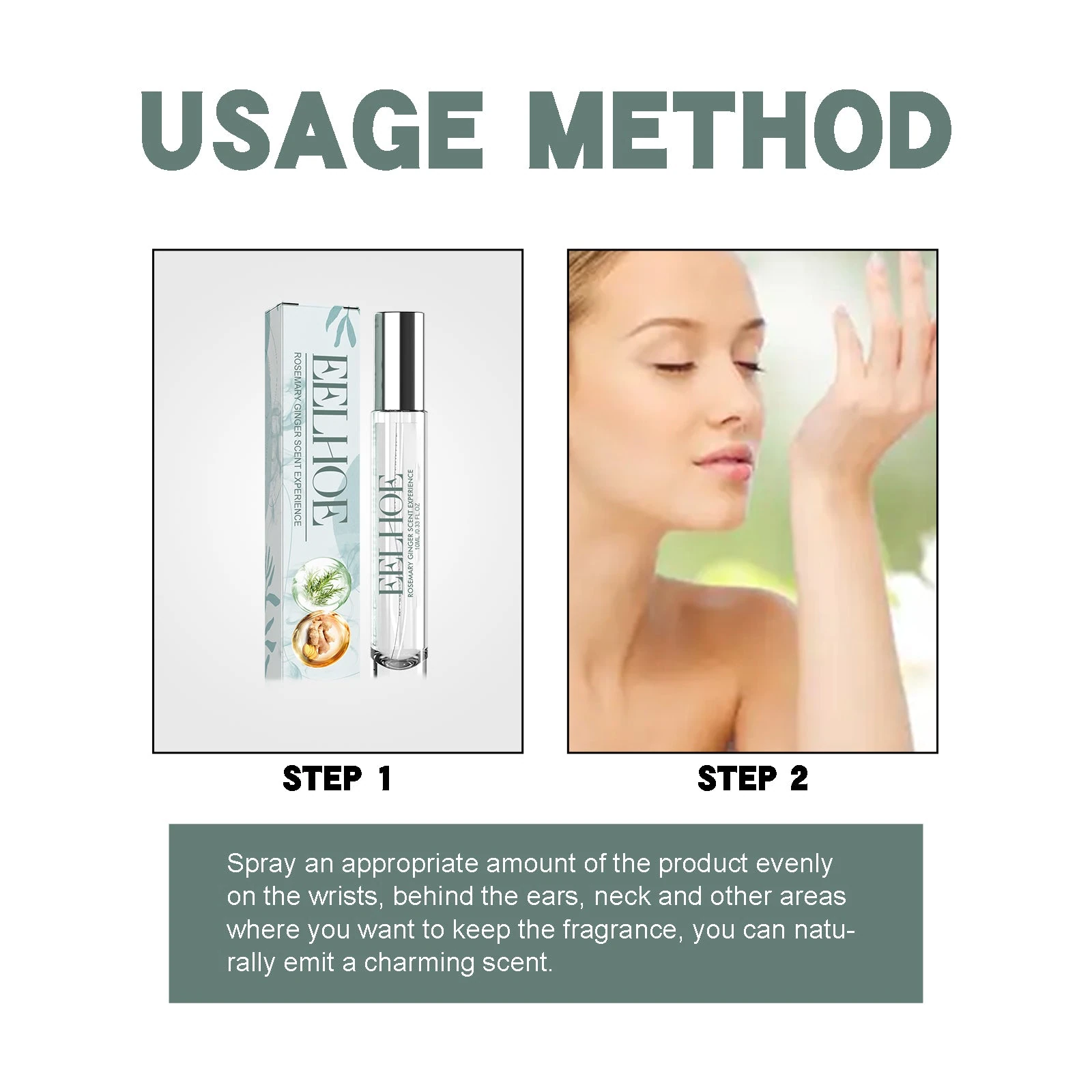
The current GinGrowth product page describes a 10ml / 0.33 fl oz rosemary-and-ginger perfume in a slim spray format. The product artwork includes linalool, geraniol and fragrance. It shows light application to pulse points such as wrists, the neck or behind the ears, with care to avoid the eyes and face, followed by allowing the fragrance to settle and replacing the cap.
The reviewed page does not provide a verified expiry date, period after opening, fragrance concentration or measured wear duration. A small bottle may suit someone who prefers a compact format, but size alone does not guarantee freshness or tell you how many months of use it provides. Check the package received for storage and date information before use.
Do not transfer the perfume directions to hair, fabric or other surfaces without product-specific permission. If you are choosing where to apply a current, suitable fragrance, our where to spray perfume guide covers placement. Keeping a stored bottle in good condition and selecting an application area are related decisions, but they answer different questions.
Expiry and wear time are different questions
“How long does perfume last?” can mean time in the bottle or hours of scent after application. This article addresses the first. A fragrance becoming less noticeable during the day does not, by itself, prove the bottle has expired. Application, environment and perception can affect your experience, and an old fragrance can still have a detectable smell.
For the second question, use our guide to making perfume last longer. Avoid trying to compensate for a suspicious smell by spraying more. If the concern is storage or deterioration, resolve it before changing the application routine. Replacing a questionable bottle and adjusting how you wear an unchanged one are separate decisions.
When buying a replacement, check the exact format, ingredients, seller information and available date guidance. If you need a documented concentration, a specific wear-time claim or a fragrance-free option, the featured perfume does not supply those answers. Choose it only if the current product details fit what you actually want to review.
Frequently asked questions
How long does perfume last unopened?
There is no guaranteed period for all unopened perfumes. Formula, packaging, storage and manufacturing age matter. Use the maker's shelf-life information where available, keep the batch details and avoid treating the purchase date as the production date.
How can I tell if perfume has gone bad?
Look for a meaningful change from the original scent or appearance, check dates and storage history, and stop if it irritates. Ask the manufacturer about unexpected changes. A home smell check cannot certify a formula's stability or safety.
Is a darker perfume always expired?
No. Some perfumes are dark to begin with, and a color change needs product-specific context. Compare the same bottle with its baseline and check for other changes. If the manufacturer cannot clarify an unexpected alteration, do not keep experimenting on your skin.
Can I use perfume after its stated expiry date?
Follow the product's stated expiry or period-after-opening instructions. Do not replace those instructions with a generic online lifespan or assume an acceptable smell overrides the date. If the label is unclear, ask the manufacturer before continuing use.
Sources and review scope
Mechanism of Air Oxidation of the Fragrance Terpene Geraniol and Air oxidation increases skin irritation from fragrance terpenes support the limited chemistry discussion, not a shelf-life claim for the featured perfume. UK government cosmetic-product guidance explains date, batch and product-safety information in its Great Britain regulatory context; it is not presented as a universal labeling rule.
Product details were reviewed on October 21, 2026. This guide does not report a GinGrowth stability study, a measured oxidation rate or a tested number of years before expiry.