
Test perfume by comparing one clearly labelled sample at a time, letting the initial spray settle, and revisiting it later before deciding. A paper strip helps you narrow the options; a small application on an intended skin area helps you judge wearing comfort and the scent on you. Keep the product, placement and timing identifiable so you know what you are comparing.
You do not need to recognize every fragrance note to make a good choice. You need to know whether you enjoy the scent, whether you tolerate wearing it and whether its format fits your day. This guide offers a practical comparison worksheet and a small-sample routine. It does not claim that we wore every perfume or that an online description can replace smelling a product yourself.
Decide what you want to learn before spraying
Choose a real use case: something subtle for a shared workplace, a fragrance you enjoy during an evening out, or a compact spray to carry. These are preferences and context, not separate fragrance-quality grades. A perfume you enjoy briefly on a card may still be unsuitable for the amount of scent you want to wear during a long workday.
Write down the exact product and version, including any concentration stated on its label. Similar names or bottle designs can hide different versions. If the concentration is not published, leave it unknown rather than guessing from the price, bottle size or the word perfume. Our body-mist and perfume comparison explains why the format name alone is not a concentration measurement.
Separate scent preference from product suitability. A fragrance may smell pleasant to you but contain an ingredient you avoid. The FDA information on fragrances in cosmetics explains that some people have fragrance allergies or sensitivities and that ingredients may be grouped under the term fragrance on U.S. labels. Ask the manufacturer when you need information that the list does not provide.
On a small screen, swipe or scroll the table sideways to compare all columns.
| Check | Useful information | What it cannot establish |
|---|---|---|
| Labelled paper strip | An initial scent shortlist | Skin comfort or a full wearing experience |
| Small permitted skin application | Your observations in that trial | Absence of allergy or future reactions |
| Later comparison note | Whether your impression changes | Universal wear time for everyone |
| Ingredient and label review | Stated use and listed ingredients | An undisclosed concentration or complete fragrance formula |
| Bottle handling | Size, cap and spray format | How the recipient of a gift will like the scent |
How to test perfume with paper strips
Use a clean fragrance blotter or the testing card provided by the retailer. Label the dry end with the perfume name and version before applying the sample, so you do not mix it up with another strip. Follow the tester's instructions and keep the sprayed portion away from your face and eyes.
Let the wet spray settle before smelling the card from a comfortable distance. You are trying to evaluate a sample, not inhale the freshly sprayed cloud. Revisit the same labelled strip later and record whether your impression changes. Keep samples separate so one wet strip does not transfer scent to another in your bag.
A paper strip is a first comparison tool. It does not show whether the product will feel comfortable on your skin, how your application habits affect the amount you wear, or whether it suits a particular workplace. Narrowing a large display to a small shortlist is already a useful result; you do not have to make the final purchase decision at the counter.
- Record the exact perfume name and version on a clean testing strip.
- Apply as the tester directs, away from your face and eyes.
- Let the wet spray settle and smell from a comfortable distance.
- Keep strips separate and revisit each clearly identified sample.
- Shortlist only the scents you want to assess further in a suitable skin trial.
How to test perfume on skin
Only test a cosmetic fragrance intended for skin, following its directions. Start with a light application on a permitted area, such as the wrist when the label allows it. Avoid eyes, face, broken or irritated skin and any area the instructions exclude. Do not treat a home scent trial as a medical allergy test.
Keep the comparison simple. Avoid covering the test site with another perfume or a strongly scented product that makes the scent harder to distinguish. If you want to compare two options, use clearly separate permitted areas or try them on different occasions. Write down which sample was applied where. Mixing them on the same wrist tells you about a mixture, not either perfume alone.
Let the application settle without repeatedly adding more. Constant respraying changes the experiment and makes the later impression hard to interpret. If the product irritates your skin or causes discomfort, stop using it and follow its removal guidance. Seek medical advice when symptoms persist rather than continuing because the fragrance initially smelled appealing.
How long to wait when testing perfume
There is no single waiting period that proves a perfume is right for everyone. Give the initial application time to settle, then revisit it during the sort of period you expect to wear it. A decision made only from the first wet spray answers a narrower question than a decision that includes the later wearing experience.
For a practical personal comparison, you can record an initial impression after settling, another during your ordinary activity, and a final note before you would normally choose to reapply. Use your actual clock times. This is a suggested recording method, not a scientifically validated schedule or a claim that every fragrance reaches a particular stage at the same minute.
Do not turn a less noticeable scent into an automatic durability score. Your own perception, the amount applied, the surroundings and the time since spraying all affect what you notice. If you want to troubleshoot wear separately, our guide to perfume seeming to fade covers that question. Here the priority is a fair, identifiable comparison.
On a small screen, swipe or scroll the table sideways to compare all columns.
| Record | Example note format | How to use it |
|---|---|---|
| Exact perfume/version | Name and labelled concentration, or unknown | Avoid mixing similarly named products |
| Application | Permitted area and amount used | Keep comparisons identifiable |
| First settled impression | What you enjoy or dislike | Separate preference from strength |
| Later observation | Clock time and ordinary activity | Record your trial rather than a universal claim |
| Comfort and intended setting | Comfortable, too noticeable, or not suitable | Let this affect the purchase decision |
| Format fit | Cap, bottle size and carrying preference | Compare practical use as well as scent |
Make your notes specific enough to use
Useful notes describe a preference or an observation. “I enjoy the herbal impression after it settles” is more useful than “good.” “Too noticeable for my desk” describes a fit issue without claiming that the perfume is badly made. “Comfortable on my wrist during this trial” records one experience without guaranteeing that you will never react to it.
Keep strength, enjoyment and duration separate. A stronger initial impression is not automatically more pleasant, and a long-lasting scent is not automatically appropriate for a close shared space. If you are buying a gift, your own skin trial also cannot establish the recipient's preference or tolerance. A known favourite or a way for the recipient to choose may be more suitable than guessing.
Record the practical details too: cap, spray control, bottle size and how you would carry it. A fragrance you love but routinely leave at home may fill a different role from a small spray you use sparingly while travelling. These observations help you make a purchase for a real situation instead of ranking bottles on one generic score.
What an online product page can and cannot tell you
An online page can show the product's stated scent pairing, format, volume, ingredients and directions. It cannot transmit the smell or prove how a perfume will develop on your skin. Photographs of herbs and spices should not be treated as a complete verified note pyramid unless the manufacturer actually describes one.
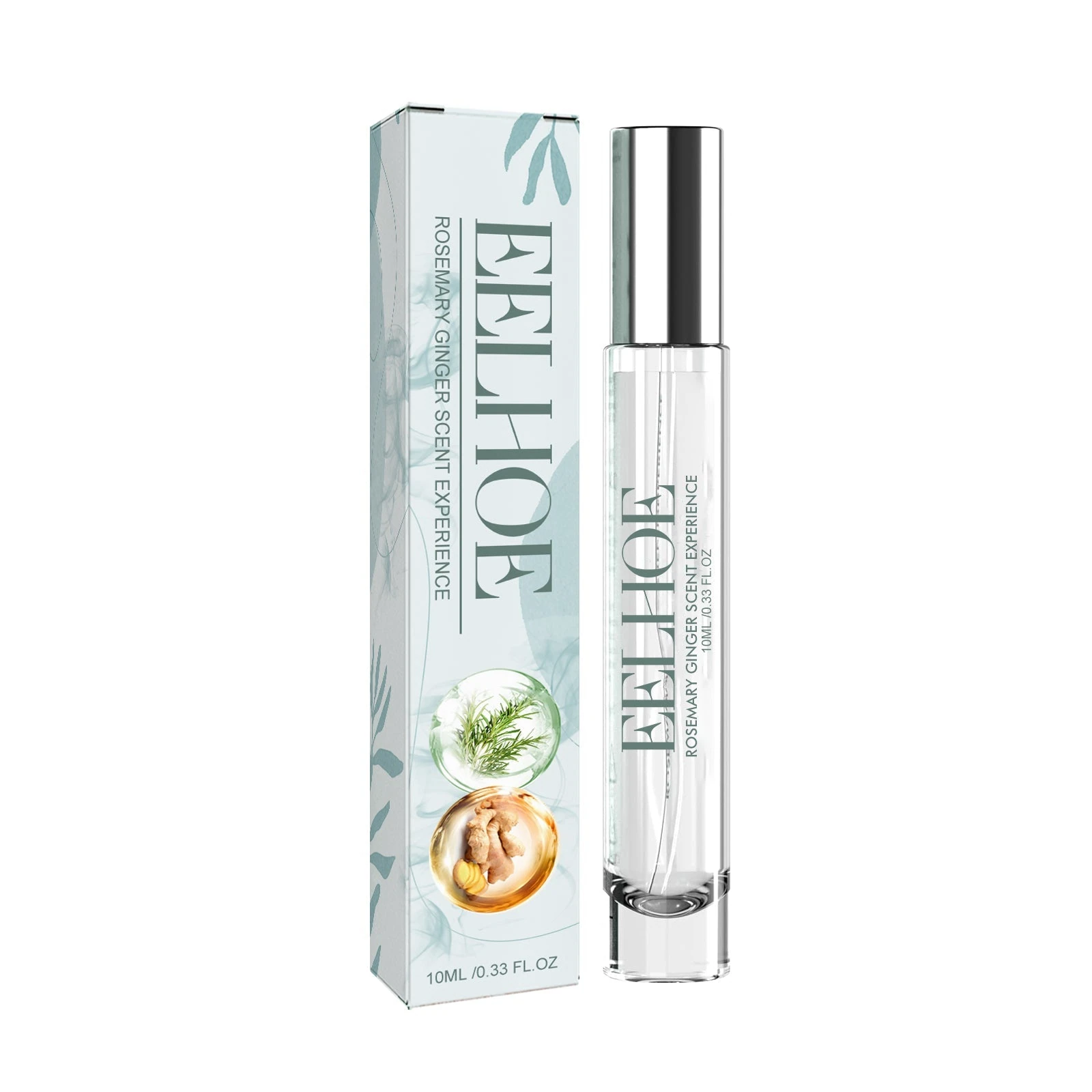
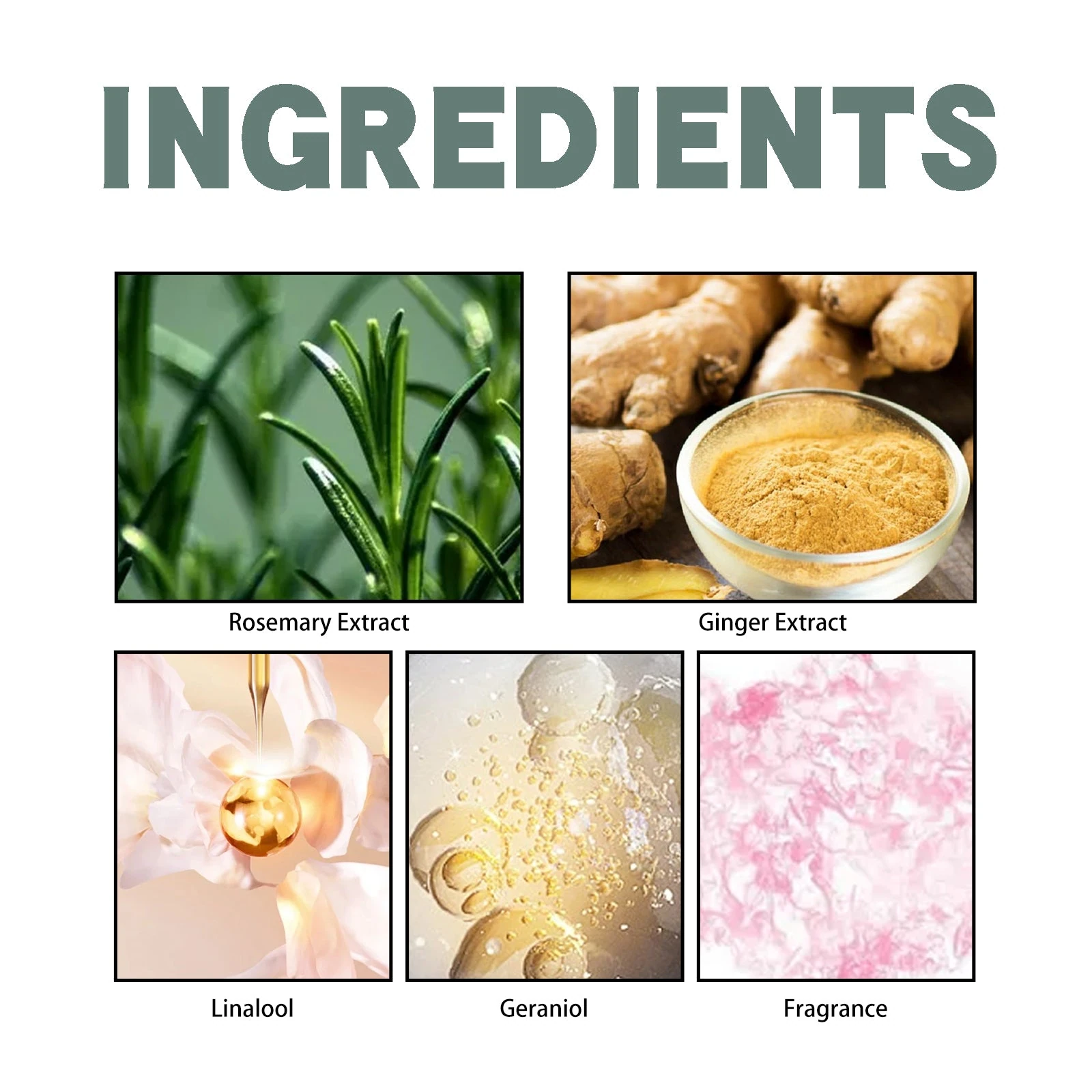
Our EELHOE ginger perfume is a 10ml capped spray with a rosemary-and-ginger pairing in the product information. The artwork lists rosemary, ginger, linalool, geraniol and fragrance. The published information does not establish an EDP or EDT concentration, a fixed number of hours of wear, or permission to spray hair or clothing.
If that pairing and portable format interest you, review the product details and current buying information. Do not assume a sample service, free return after opening or a particular wear guarantee unless the store explicitly offers it. Keep the purchase decision separate from facts that are still unknown.
Frequently asked questions
Is testing perfume on paper enough?
It can help you reject scents you do not enjoy and build a shortlist. It does not show skin comfort or the full experience of wearing the perfume. When skin testing is suitable for you and permitted by the product, a separate trial gives you additional information.
Should I rub my wrists together when testing?
For a clear comparison, apply as directed and let the sample settle without spreading it onto another area. Rubbing changes where and how the sample is distributed, which makes your notes less consistent. You do not need a claim about destroying fragrance molecules to keep the method simple.
How many perfumes should I compare at once?
Use only as many as you can keep clearly identified and comfortably distinguish. Start with a small shortlist, take a break when the samples become confusing, and return another time if needed. There is no useful universal number that overrides your comfort or ability to tell the samples apart.
Does a small skin test prove a perfume is allergy-safe?
No. A home wearing trial cannot rule out allergy or future reactions. FDA notes that some fragrance ingredients can cause sensitivity or allergy in some people. If you have a known fragrance allergy or previous reaction, seek appropriate advice and ingredient information rather than deliberately retesting a suspected trigger.
Choose the scent and format that fit your day
Bring the decision back to three questions: do you enjoy the settled scent, is wearing it comfortable for you, and does the format suit how you plan to use it? For placement after choosing, see where to spray perfume. For the featured compact spray, review its actual rosemary-and-ginger description before deciding whether it belongs on your shortlist.
Product information reviewed October 24, 2026. GinGrowth sells the featured perfume. The comparison worksheet is an editorial aid for your own observations, not a report of product wear testing. FDA guidance supports the fragrance-label and sensitivity discussion, not any claimed wear time.