
Yes, hair oil can expire or deteriorate. Check the exact bottle’s expiry date, after-opening instructions, storage history and condition rather than assigning every oil the same lifespan. An unexpected unpleasant smell, unexplained texture change or water entering the bottle is a reason to stop using it. A normal smell alone does not prove that an old bottle is still suitable.
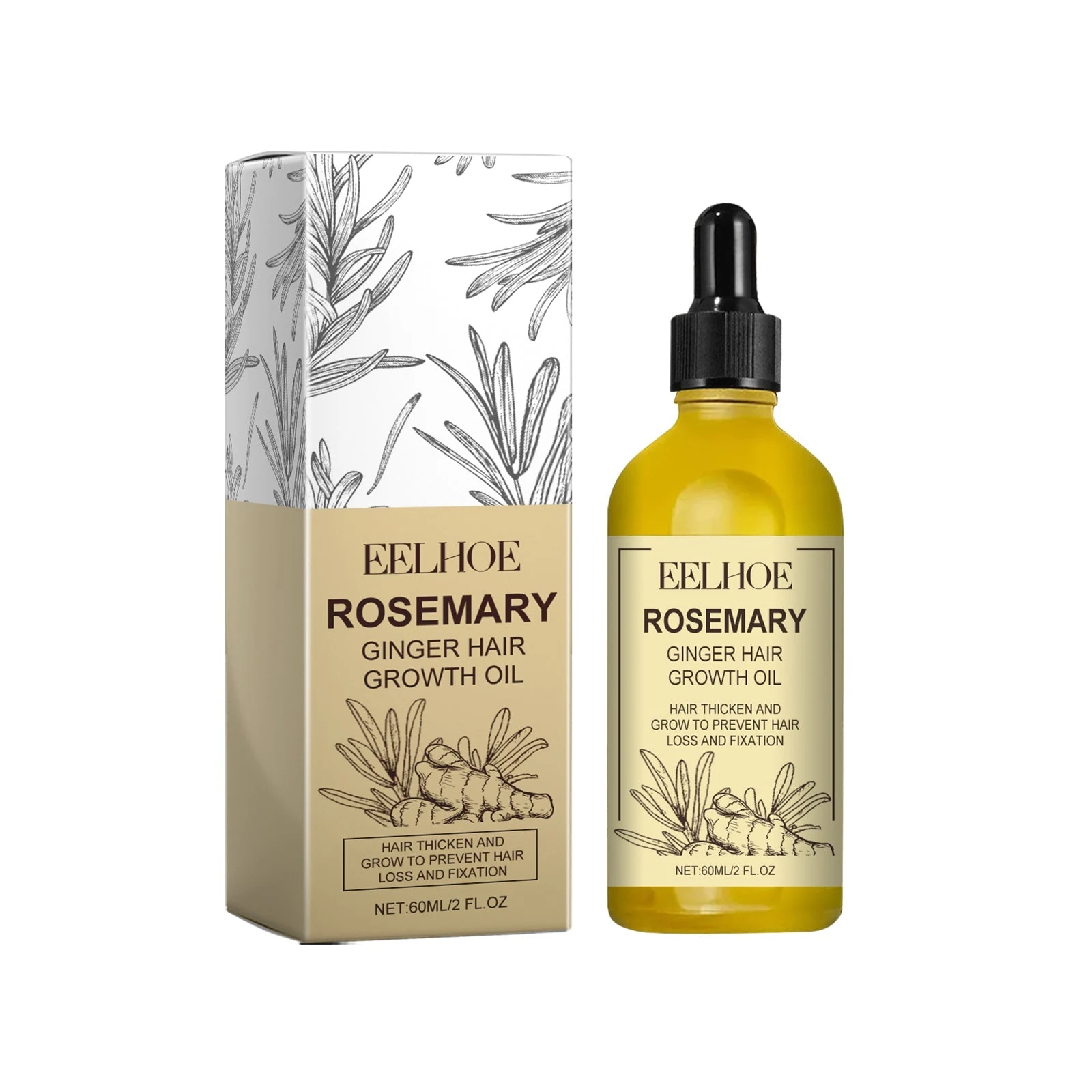
Hair oils vary: a single oil, an oil blend and a water-containing serum are not interchangeable formulas. This guide helps you decide whether to keep, clarify or replace a bottle. GinGrowth sells the featured EELHOE blend; its photographs illustrate product identity and ingredients, not a laboratory shelf-life test.
How long does hair oil last?
There is no single reliable number for every hair oil. The usable period depends on the finished formula, packaging, storage and manufacturer’s testing. A date for one ingredient does not automatically describe the bottled blend, and the date on an unopened product does not tell the whole story after repeated opening and handling.
The FDA’s cosmetic shelf-life guidance explains that ordinary cosmetics are not required to carry expiration dates under US law, while manufacturers remain responsible for safety. The absence of a printed date therefore does not mean unlimited shelf life. Ask the manufacturer when the label leaves the usable period unclear.
Separate the information you actually have. A manufacturing date identifies production; an expiry date states a limit under specified conditions; an open-jar symbol may indicate a period after opening. A batch code is useful when contacting the manufacturer, but it is not a date you should decode by guessing from another brand’s format.
On a small screen, swipe or scroll the table sideways to compare all columns.
| What you find | What it establishes | Next step |
|---|---|---|
| Printed expiry or opening period | Manufacturer guidance for that bottle | Follow the applicable limit and storage conditions |
| Manufacturing date or batch code | Production information only | Ask the manufacturer if the usable period is unclear |
| New unpleasant odor or unexpected change | A reason to stop and check | Do not apply it to test whether it still works |
| Normal appearance, unknown history | No proof of freshness | Clarify the history or replace the bottle |
| Water entered the bottle | Storage conditions have changed | Stop using and ask for manufacturer guidance |
How to tell if hair oil is rancid or otherwise changed
Rancidity refers to deterioration of oils, commonly associated with oxidation and a changed odor. At home, you cannot measure the extent of that process by looking at the bottle. What you can do is notice whether the product has changed from its normal state and stop using a questionable bottle while seeking clarification.
An unfamiliar sharp, stale or otherwise unpleasant odor can be a warning sign, particularly when it appears alongside an unexpected change in color or consistency. Do not cover the smell with perfume or essential oils. Adding another ingredient does not restore the original formula and makes the new mixture harder to assess.
Changes are not all equivalent. Some oil-containing products may change appearance with temperature, but that possibility does not justify ignoring an unexplained change in your bottle. Read its storage instructions and ask whether the change is expected for that exact formula. Do not heat it aggressively, microwave it or add water to make it look normal again.
The FDA notes that temperature changes and exposure to sunlight and air can alter cosmetic color, texture and smell. Its advice also highlights contamination from handling and moisture. These are reasons to review both condition and history, not reasons to diagnose every cloudy oil as spoiled or every clear oil as safe.
Can you use expired hair oil on the ends instead?
Using a questionable product only on the ends does not make its condition acceptable. Hair can contact the face, neck, hands and bedding, and an expired or deteriorated oil has not become a different formula because its placement changed. Follow the manufacturer’s usable-period guidance rather than inventing a workaround for a bottle you no longer trust.
If the expiry limit has passed, replace the product or ask the manufacturer about the exact label before further use. If there is no clear limit but the bottle has changed, stop using it. Do not perform a skin test with suspicious oil to decide whether it is safe: a lack of immediate discomfort would not establish freshness or stability.
If you already used it and notice itching, redness or discomfort, stop the product and wash it off as appropriate. Persistent or significant symptoms deserve professional advice. Do not apply another fragranced oil to disguise the first product or keep repeating the exposure to see whether your skin adapts.
A practical check before the next application
Start with identification rather than smell alone. Similar-looking bottles can contain different formulas, and a rosemary label may describe a blended hair oil, a scalp serum or an essential oil. Keep the carton if it contains the only batch information or storage instructions. A photograph can preserve those details without requiring you to keep every empty package.
- Identify the exact product, batch and any printed dates.
- Check the opening date and how the bottle was stored.
- Compare its normal smell and appearance without applying questionable oil.
- Stop using a bottle with unexplained changes, damage or contamination.
- Ask the manufacturer with label photos if the usable period remains unclear.
When contacting the manufacturer, provide the product name, size, batch code, photos of every date marking, approximate opening date and how the bottle was stored. Describe the change in plain language. “It now smells different after being left in a hot car” is more useful than asking whether all rosemary oils last a fixed number of years.
If you cannot recover the history of a partly used bottle, do not fill the gap with an online average. The cost of replacing an uncertain cosmetic can be easier to justify when you compare it with buying another product to mask its smell, repeatedly testing it or continuing to use something you already suspect has changed.
Store a dropper bottle without adding uncertainty
Follow the bottle’s storage directions. In general, keep cosmetics away from excessive heat and direct sunlight, close the cap between uses and protect the opening from water. A drawer or cupboard that matches the label’s conditions is usually easier to manage than a steamy shower ledge or a car compartment exposed to heat.
Keep the dropper clean and avoid resting it on wet surfaces. Do not top up an old bottle with a new purchase: mixing batches makes opening dates and changes harder to track. If you transfer oil for travel, use a suitable clean container and retain the product identity, but remember that different packaging may not preserve the manufacturer’s tested storage conditions.
Refrigeration is not a universal shelf-life extension method. A different temperature can change a formula’s appearance, and repeated movement between environments complicates the storage history. Use refrigeration only when the manufacturer recommends it. Buying an amount you can use within the labelled period is more dependable than trying to rescue a forgotten bottle.
On a small screen, swipe or scroll the table sideways to compare all columns.
| Record | Example of useful detail | Why retain it |
|---|---|---|
| Identity | Exact name, size and batch photo | Avoid confusing two similar bottles |
| Opening | Date you first opened the bottle | Interpret a labelled after-opening period |
| Storage | Drawer, hot car or sunny shelf | Explain possible changes |
| Change | New odor, unexpected texture or water entry | Describe the concern without applying it |
Check the blend before choosing a replacement
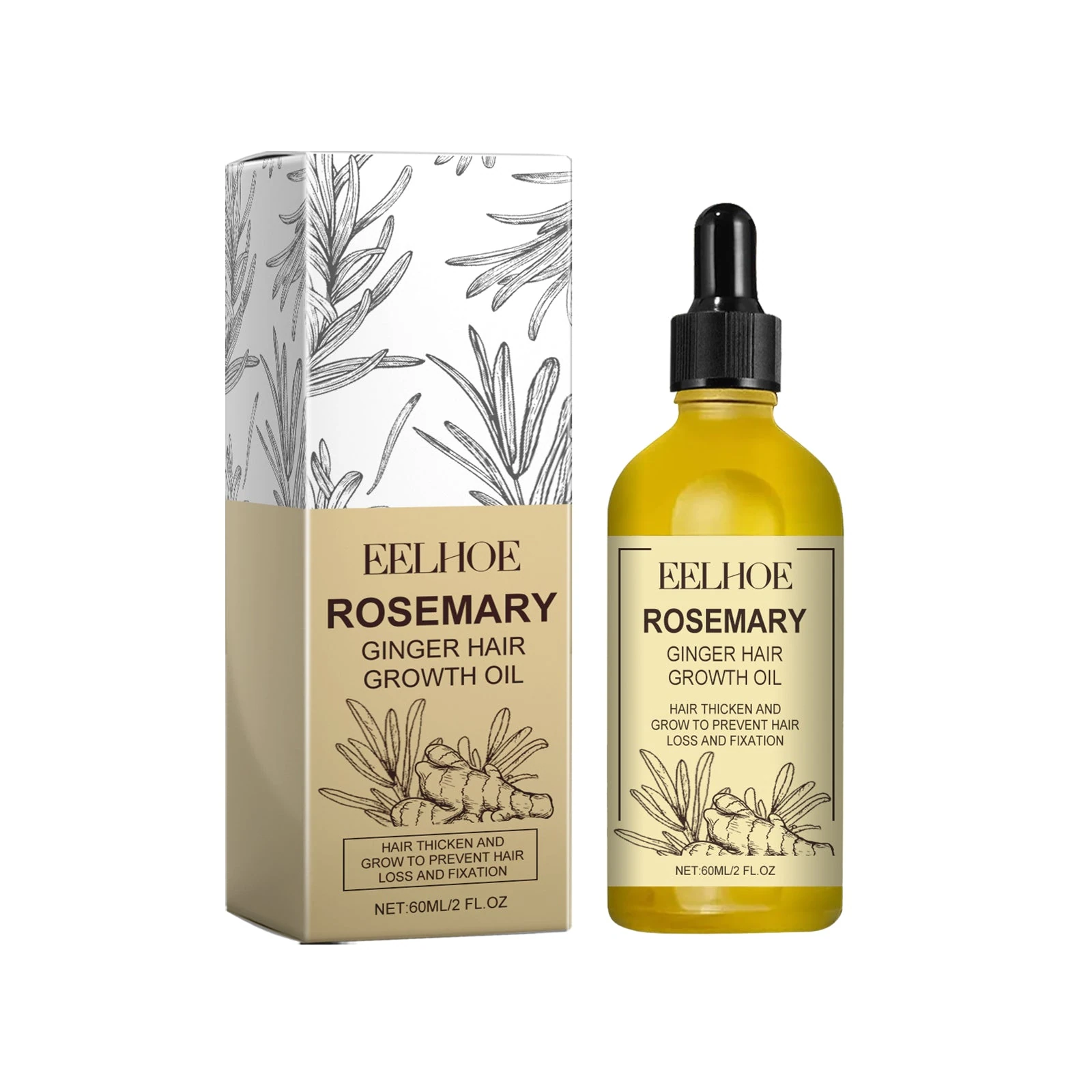
Our EELHOE rosemary hair oil comes in a 60ml dropper bottle and combines rosemary and ginger extracts with castor, argan and coconut oils. It is a blended hair oil, not pure rosemary essential oil. The current product information identifies the blend and dispenser, but this guide does not assign it an independently verified expiry period.

Choose it when the ingredient combination and controlled dropper format match the routine you want. Follow the current bottle for placement, contact time and whether to rinse; do not borrow directions from the separate rosemary spray. If you are deciding between product roles, the hair tonic versus hair oil comparison explains why a water-based scalp step and an oil blend are different decisions.
For a replacement, record the opening date and retain a clear label photo. That small habit makes the next check easier without turning everyday hair care into a complicated tracking project. The aim is to know which product you have and whether you are following its own instructions, not to calculate an invented expiration from an ingredient list.
Frequently asked questions
Does unopened hair oil expire too?
Yes, an unopened product can still deteriorate over time or under poor storage conditions. An intact seal is useful information but does not cancel an expiry date or a history of excessive heat. Check the manufacturer’s guidance for the unopened bottle and its batch.
Does rosemary hair oil last longer than other oils?
You cannot establish a finished product’s shelf life from the word rosemary. Different rosemary-labelled products have different bases, packaging and stability testing. Use the guidance for the complete formula instead of assuming a botanical ingredient makes it self-preserving.
What if the bottle smells normal but I cannot remember opening it?
A normal smell does not recover the missing history. Check purchase records, the carton and any opening-period marking, then ask the manufacturer if needed. If uncertainty remains substantial, replacing the bottle is more practical than treating smell as proof of suitability.
Can I mix old oil with new oil to use it up?
Do not mix a questionable or expired oil into a fresh bottle. It obscures both products’ history and does not reverse deterioration. Keep batches separate and follow the manufacturer’s disposal advice or your local waste guidance for the unwanted product.
This guide uses the FDA’s general cosmetic shelf-life guidance and current GinGrowth product information checked October 25, 2026. It provides a bottle-checking framework, not a product stability test or a guaranteed lifespan.