
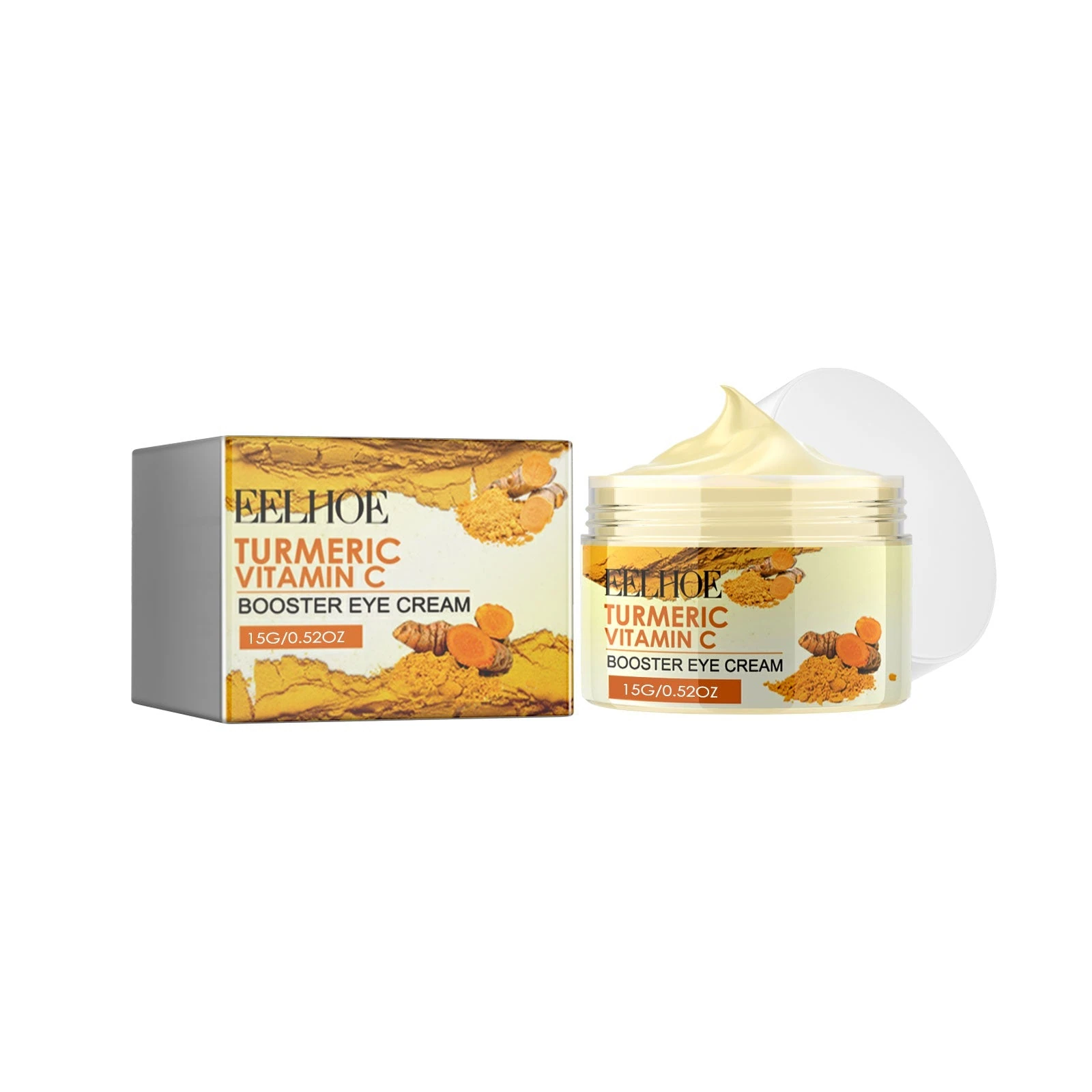
Apply eye cream with clean hands, using a small amount and a light touch on the external eye area permitted by its label. Spread a thin layer without pulling the skin, keep it away from the eyes and lash line, and let it settle before the next product. Do not assume that an eye cream is suitable for eyelids unless its directions explicitly say so.
Good application is mainly about placement, control and comfort. More cream, a longer massage or a particular finger cannot guarantee a better result. This guide helps you find the correct area, adjust the amount without a universal dose, and troubleshoot slipping, stinging or pilling while keeping the product's own instructions central.
Where to apply eye cream
Read the application area before opening the jar. Terms such as under-eye, external eye area and eyelid are not interchangeable. Follow the exact product's diagram and text, and keep a margin from the lash line and the eye itself. If the information is unclear, ask the manufacturer rather than applying closer to the eye to reach a visible line.
The FDA's eye-cosmetic safety guidance advises using cosmetics near the eyes only when intended for that area. It also emphasizes clean hands, clean applicators and stopping products that cause irritation. These principles are more useful than treating every facial cream as interchangeable with an eye-area product.
Our EELHOE turmeric vitamin C eye cream is described for the external eye area, with a small amount smoothed gently after cleansing. Its public directions do not establish an eyelid application method. Keep it away from the eyes and lash line, and do not turn a general face illustration into permission to apply over the moving lid.
On a small screen, swipe or scroll the table sideways to compare all columns.
| Area or situation | Useful check | Action |
|---|---|---|
| External under-eye area | Product label permits it | Use a thin layer with light pressure |
| Lash line or eye itself | Cosmetics should not enter the eye | Keep the product away |
| Moving eyelid | Explicit eyelid directions are needed | Do not assume permission from the product name |
| Irritated or infected area | Cosmetic care is not treatment | Stop application and seek appropriate advice |
| Facial serum nearby | Separate product area instructions | Do not mix or extend its placement automatically |
How much eye cream to use
Begin with the amount specified on the product. If the directions say a small amount, take only enough to spread a thin, controlled layer over the intended area. Different textures spread differently, so a rice-grain, pea-size or pump instruction from another product is not automatically a suitable dose for your jar.
For the featured 15g EELHOE jar, the directions specify a small amount rather than a measured gram weight or fixed rice-grain count. Start sparingly and check the spread. You should not need to pull at the skin to move a dry dab, but a thick wet layer that travels toward the lashes suggests the amount or placement needs adjustment.
Allow the layer to settle before adding concealer or another product. If you keep touching it to check whether it has absorbed, you add friction and may disturb the film. A slightly soft feel is not a reason to rub until the skin feels completely dry. The useful endpoint is a thin, comfortable application in the intended area.
A gentle application sequence
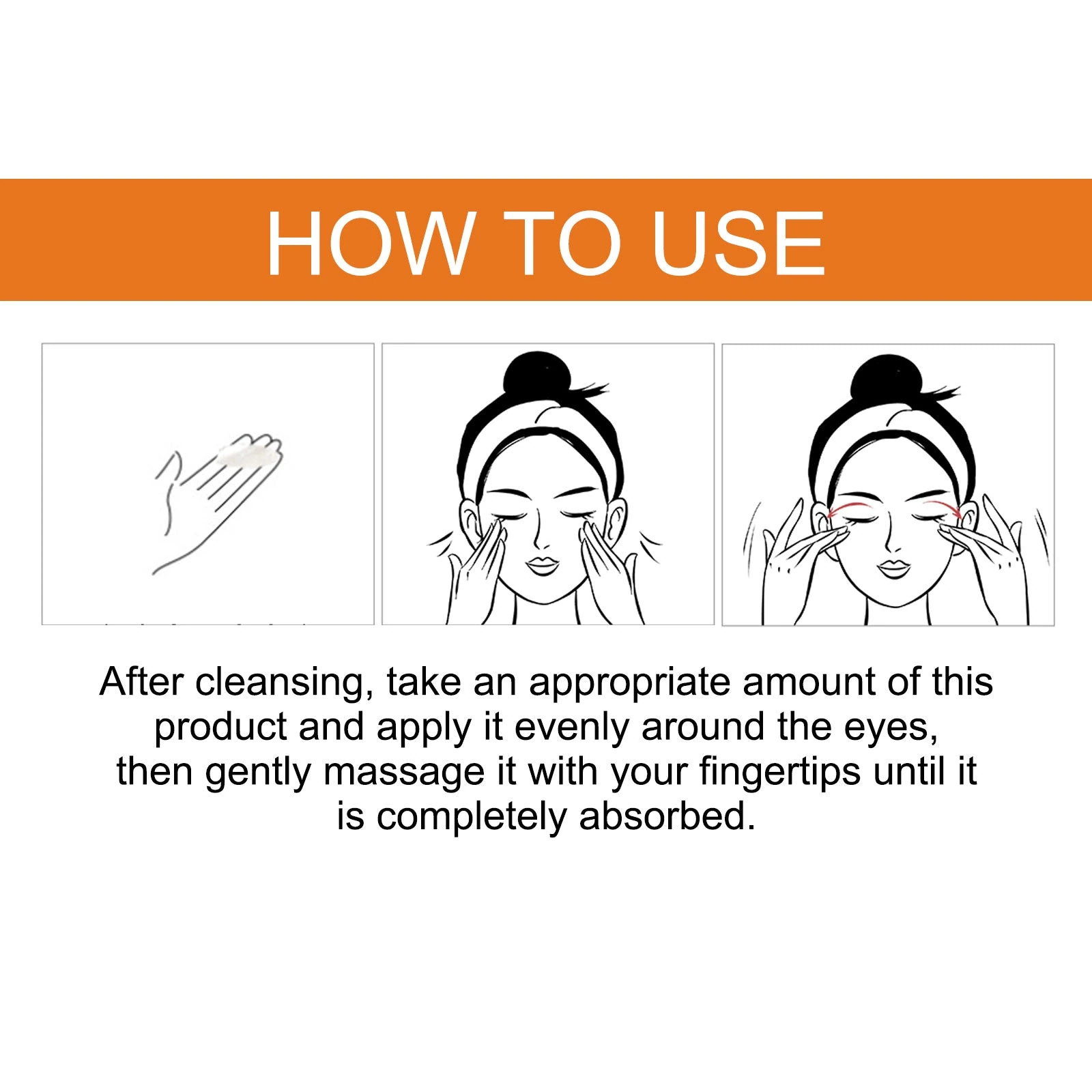
Choose a moment when you can see clearly and keep your hands steady. Remove makeup with a remover intended for that area and rinse as directed before starting skin care. Avoid using eye cream to dissolve leftover mascara or to push pigment away from the lashes. Makeup removal and leave-on moisture care are separate steps.
- Remove makeup appropriately, cleanse and wash your hands.
- Check the eye cream’s intended area and take a small amount with clean fingertips.
- Place a controlled amount on the permitted external eye area, away from eyes and lashes.
- Smooth gently to a thin layer without pulling or repeated rubbing.
- Let the layer settle before continuing the routine, and stop if irritation occurs.
The AAD's face-washing guidance specifically advises a gentle touch when applying cream around the eyes to avoid pulling delicate skin. You can smooth lightly or use gentle placement movements if the product permits them. There is no need to turn application into repeated tapping, forceful massage or a timed exercise.
The ring finger is often suggested as a reminder to keep pressure light, but the important behavior is control. Any clean fingertip that lets you apply without tugging is more useful than following a finger rule while pressing hard. Avoid nails and rough applicator edges near the eye area.
Can you put eye cream on eyelids?
Only use a product on eyelids when its own directions permit that placement. The word eye on the jar does not establish that every part of the eye area is suitable. Some products are directed to under-eyes only, some have broader external-area instructions, and others specifically address lids. Check the actual label rather than copying a routine from a different formula.
If eyelid skin is itchy, swollen, flaky or sore, do not assume a cosmetic eye cream is the right treatment. FDA advises avoiding eye cosmetics when an eye infection is present or the surrounding skin is inflamed. Seek medical advice for persistent symptoms, and do not apply more product in an attempt to cover the discomfort.
If cream enters the eye, stop application and follow the product's accidental-contact instructions. Persistent pain, irritation or changes in vision need prompt medical attention. The goal of the placement margin is to avoid this situation, not to test how close to the lashes you can apply without symptoms.
On a small screen, swipe or scroll the table sideways to compare all columns.
| Observation | First check | Next step |
|---|---|---|
| Cream moves toward lashes | Amount and placement | Use less, farther from the lash line as directed |
| Concealer slides | Layer thickness and settling | Adjust one variable at a time |
| Small rolls appear | Layer compatibility or excess amount | Do not assume exfoliation is needed |
| Skin pulls during application | Pressure and spreading | Use a lighter touch and controlled amount |
| Stinging or swelling | Possible reaction | Stop and seek advice if symptoms persist |
Where eye cream fits in a morning or evening routine
Follow the product's directions and the instructions for any prescribed treatment. Our featured cream is used after cleansing and left on after gentle application. Its directions do not require a second thick layer immediately before bed or a long massage to activate the formula. Add the rest of your routine without repeatedly moving the eye cream toward the lash line.
If you use a facial serum, keep it in its own intended area and follow its directions for layering. Do not mix it into the eye-cream jar or assume that adding a vitamin C serum makes the eye cream stronger. Product combinations, concentrations and area restrictions are not established by sharing an ingredient name.
In the morning, moisturizing eye care does not replace sun protection. Check the directions for your sunscreen, keep it out of the eyes and use appropriate protective measures such as sunglasses. An eye cream without a verified SPF claim should not be presented as an eye-area sunscreen.
Troubleshoot the finish without adding more pressure
If concealer slides, first consider whether you used more cream than needed or applied makeup before the layer had settled. Try changing the amount or allowing the first layer to settle according to the products' directions. Keep the rest of the routine steady so you can tell whether that change helps.
If small rolls appear, the layers may be pilling. That does not prove the skin needs exfoliation, and scrubbing the under-eye area is not the appropriate next step. Our moisturizer-pilling guide explains how amount and layering can affect the finish. Keep any trial gentle and stop a product that causes irritation.
For expectations about dark circles, see what vitamin C eye cream can and cannot address. This application guide does not promise that changing the massage direction removes every cause of a tired-looking eye area. Placement technique and the reasons for discoloration are separate questions.
Frequently asked questions
Should I tap or rub eye cream?
Use the gentle application method allowed by the product. Light smoothing or controlled placement can spread a thin layer without pulling. Avoid vigorous rubbing and repeated tapping that increases irritation. The label and the pressure you use matter more than the name of the movement.
Do I apply eye cream before or after moisturizer?
Check both products' instructions. The featured EELHOE eye cream is applied after cleansing and allowed to absorb before continuing facial skin care. Do not assume one universal order covers every treatment, sunscreen and eye formula, especially when prescribed products are involved.
Can I use eye cream twice a day?
Use the frequency stated on your exact product or recommended by your clinician. Do not copy a twice-daily schedule from another brand when your own directions are unclear. If you are introducing a new product, monitor comfort and stop if irritation develops.
Can face moisturizer replace eye cream?
Only consider a facial moisturizer near the eyes if its directions permit that use and it is suitable for you. Some routines do not need a separate eye product, but that does not make every face formula appropriate for lids or the lash line. Check the intended application area first.
Check the jar and method before choosing
Our 15g turmeric vitamin C eye cream highlights vitamin C, turmeric, niacinamide and ginger extract. It offers a targeted moisture step for a softer, smoother-looking external eye area. Review the exact jar, ingredient information and gentle application directions to decide whether that role fits your routine.
Product information reviewed October 24, 2026. GinGrowth sells the featured cream. The FDA and AAD sources support general clean handling and gentle eye-area care; this page does not report a clinical trial or establish eyelid suitability for the featured product.