
To wash low porosity hair, wet the scalp and lengths thoroughly, distribute shampoo at the roots with gentle fingertip massage, and rinse each section completely. Condition the lengths as needed and rinse according to that product’s directions. Adjust the routine to actual oil, sweat, residue and comfort rather than following a fixed schedule based only on a porosity label.
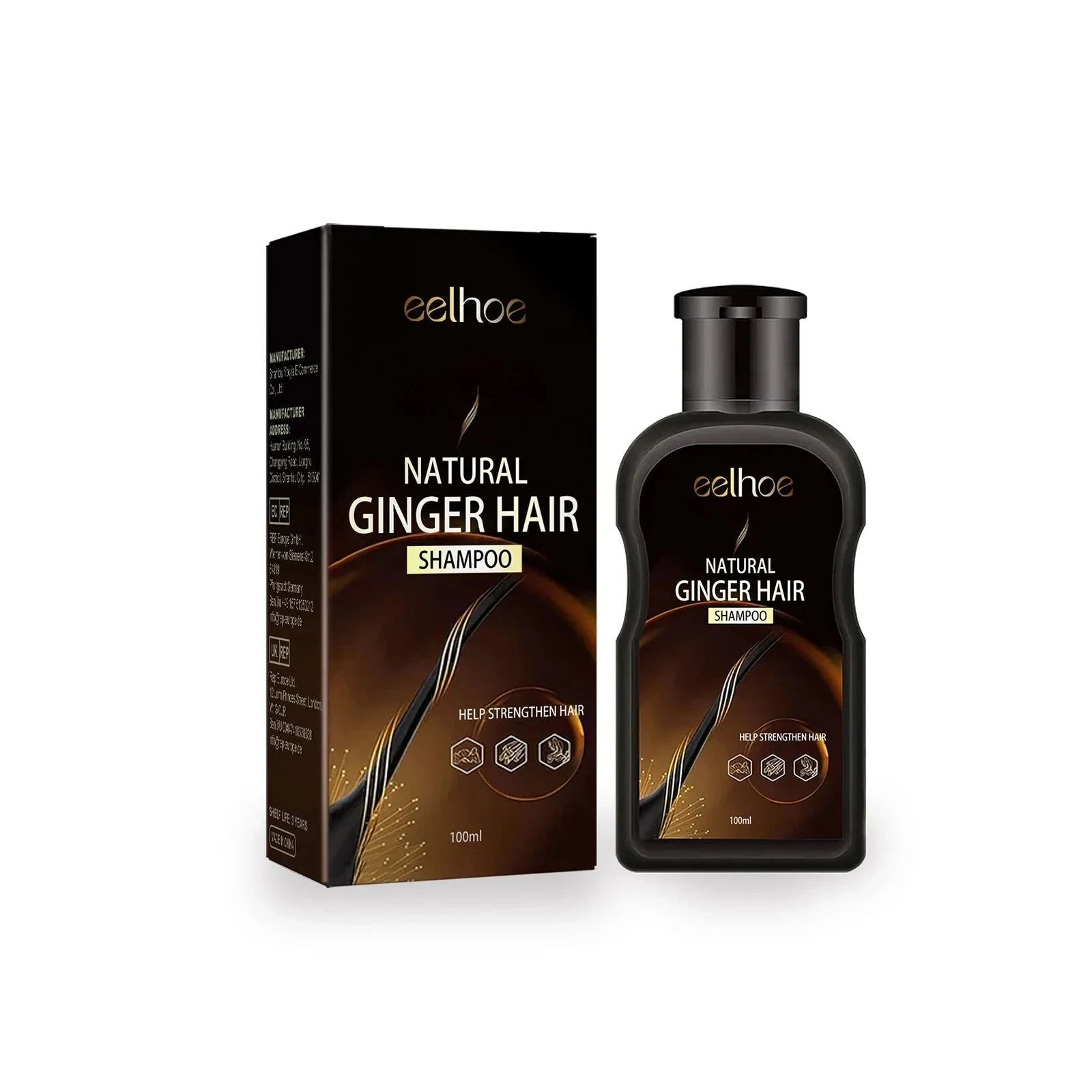
Hair that seems slow to become wet can make wash day frustrating, but it does not need hotter water or harder scrubbing. This guide focuses on water access, cleansing coverage and a useful comparison between washes. GinGrowth sells the featured ginger shampoo; it is an ordinary rinse-off liquid wash, not a verified low-porosity treatment.
What does low porosity mean for washing?
Porosity describes how readily hair takes up and retains moisture. Healthline’s overview of low porosity hair describes closely packed cuticles and slower water penetration, while also noting that research on low-porosity hair is limited. Treat the term as a way to discuss hair behavior, not a complete diagnosis or a rule that dictates every ingredient you may use.
A quick strand-in-water test does not establish all the causes of a difficult wash day. Surface residue, section size and how water reaches the hair are practical factors you can inspect directly. You do not need to label your hair with certainty before improving saturation, spreading shampoo more evenly or rinsing a missed area behind the ears.
Keep the scalp and lengths separate in your thinking. The scalp accumulates oil and sweat; the lengths may feel coated, rough or tangled for different reasons. A shampoo is selected for cleansing, while conditioning and styling have other jobs. A porosity description does not replace observing where the actual problem occurs.
On a small screen, swipe or scroll the table sideways to compare all columns.
| Observation | Check first | Practical adjustment |
|---|---|---|
| Hair seems hard to wet | Section size and water access | Wet smaller sections through to the roots |
| Roots feel oily after washing | Lather distribution and rinse coverage | Cleanse the scalp evenly and rinse each section |
| Lengths feel coated | Conditioner amount and styling layers | Reduce one layer and compare the next wash |
| Hair feels rough after washing | Handling and cleansing intensity | Use gentle technique and suitable conditioner |
| Persistent itch, soreness or scaling | A scalp problem may need assessment | Seek appropriate advice instead of more scrubbing |
How to shampoo low porosity hair step by step
Start by giving water access to the whole scalp. If you have dense hair, open it into manageable sections with your fingers rather than letting water run only over the surface. Use comfortably warm water, not heat intended to force the cuticle open. The useful goal is even wetting without discomfort.
- Separate manageable sections and wet scalp and lengths thoroughly with comfortably warm water.
- Distribute shampoo at the scalp and massage gently with fingertips.
- Rinse each section, lifting the lengths so water reaches the roots.
- Apply a suitable conditioner where the lengths need slip, following its label.
- Rinse fully, blot gently and record how roots and lengths feel once dry.
The American Academy of Dermatology advises massaging shampoo gently into the scalp and allowing it to flow through the lengths during rinsing instead of repeatedly rubbing the lengths. That distinction matters when roots feel coated but ends are already rough. More friction at the ends is not a substitute for reaching an unwashed patch of scalp.
Use the amount and method appropriate to the shampoo. Add water and distribute the lather before assuming you need more product. If a section did not receive cleanser, correct the coverage. Do not automatically repeat the entire wash until the hair squeaks; that sensation is not a reliable target for a comfortable routine.
How often to wash low porosity hair
There is no universal wash interval determined by porosity alone. Consider scalp oil, sweating, styling products, protective styles, exercise and how your scalp feels. A person with frequent sweaty workouts may need a different schedule from someone who uses little styling product and has a comfortable scalp between washes.
Use observations you can compare: when do the roots begin to feel oily, when does residue become noticeable, and how do the lengths feel after washing? These questions are more useful than copying a fixed weekly number from someone with different hair density, activity and products. The aim is a workable pattern that maintains cleanliness and comfort.
If your scalp feels sore, persistently itchy or unusually flaky, do not assume that low porosity explains it. Those symptoms may need professional assessment. Scrubbing more often or applying several new scalp products can make it harder to identify the problem. Seek appropriate advice when ordinary gentle care is not resolving the discomfort.
A routine can also change with the season or a change in activity. More frequent washing does not require using the same amount everywhere. Review conditioning on the lengths separately, and keep each product’s directions in place. Washing less often is not automatically gentler if it leaves your scalp uncomfortable and your next cleanse unnecessarily aggressive.
Residue, clarifying shampoo and product buildup
Before buying a clarifier, check whether your ordinary wash is reaching the scalp and whether you are rinsing thoroughly. A coated feeling can reflect several layers of styling product, too much conditioner, incomplete rinsing or a formula that does not suit your preferences. Those possibilities call for different changes.
A product labelled clarifying may have a place when its directions and your needs align, but do not assign every low-porosity routine a compulsory strong cleanse. Our featured ginger shampoo is not verified here as a specialist clarifying or mineral-removal shampoo. If you need a product for a specific residue problem, look for explicit directions rather than inferring that role from a botanical name.
Avoid household substitutions such as dish detergent or improvised baking-soda mixtures. They do not become appropriate hair products because you are frustrated with buildup. It is more useful to simplify layers, check the rinse and choose a labelled cleanser than to escalate to harsher experiments without knowing the cause.
Build a low porosity hair wash routine you can evaluate
For the next wash, change one practical variable. If the roots are hard to wet, try smaller sections. If the lengths feel heavy, use a more controlled amount of conditioner on the areas that need it. Keep other parts of the routine steady enough to compare the result after hair is dry.
On a small screen, swipe or scroll the table sideways to compare all columns.
| When | Record | Keep consistent |
|---|---|---|
| Before washing | Oil, sweat and styling products since last wash | Your usual observation language |
| During washing | Wetting, section access and rinsing | Water comfort and gentle handling |
| After drying | Root freshness, coating and length comfort | Similar lighting and styling |
| Next wash | Change only one step if needed | Do not replace every product at once |
Write down observations without forcing them into a verdict such as “protein overload” or “my cuticle is sealed.” A useful note might be: roots felt cleaner when the back sections were rinsed separately, while the ends still needed conditioning. That gives you an actionable next step and avoids making a chemical diagnosis from a single tactile impression.
A routine log is a personal comparison tool, not a clinical experiment. Weather, styling and how long you wait before evaluating the hair can influence the result. You do not need to measure every detail, but note a major change such as swimming, a new styling gel or a much longer gap between washes.
Choosing the liquid wash format
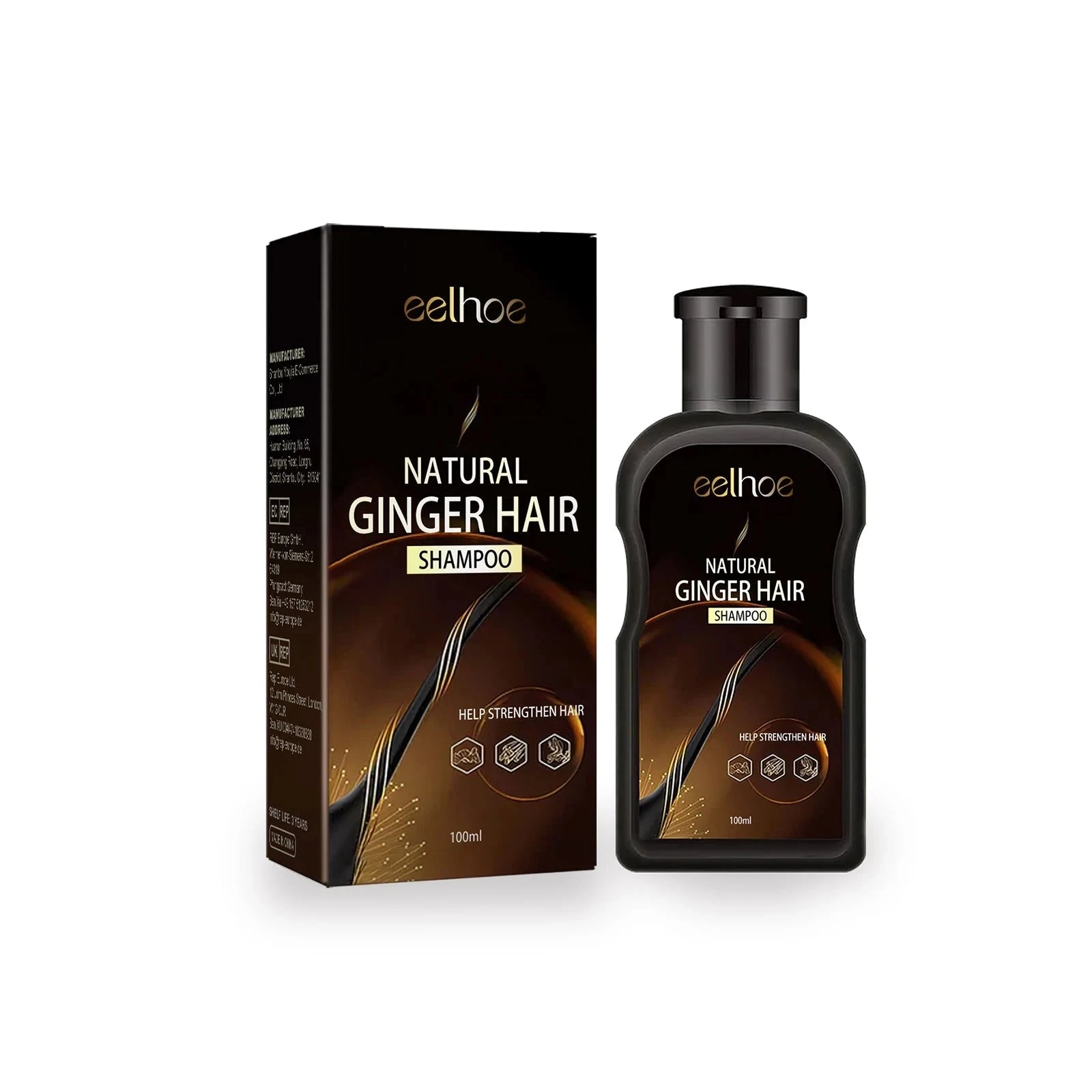
Our EELHOE ginger hair shampoo is the 100ml black-bottle version with water, ginger extract and lemon extract among its highlights. It is dispensed onto wet hair, worked into lather at the scalp and rinsed thoroughly. The ready-to-use liquid format can be convenient when you want to portion shampoo without preparing a powder or drying a bar afterward.

The ingredient highlights do not establish that this shampoo is designed specifically for low-porosity hair, treats hair loss or removes every type of buildup. Select it for its stated cleansing role and formula information. Follow with a separate conditioner where the lengths need softness, and assess the finished routine rather than expecting shampoo to perform every care step.
If format is your remaining decision, compare shampoo bars and liquid shampoo. That page handles the solid-versus-liquid choice; this guide handles how you wet, cleanse and rinse. Separating those decisions helps you choose a product without losing sight of technique.
Frequently asked questions
Should low porosity hair be washed with hot water?
Use comfortably warm water and thorough section-by-section wetting. Uncomfortable heat is not a useful shortcut. You do not need to force a change in cuticle behavior to improve water access, scalp coverage or rinsing.
Do I need to shampoo twice every time?
No fixed double-wash rule follows from a porosity label. Follow the cleanser’s directions and assess whether the first application was evenly distributed and rinsed. Correct a missed section or unsuitable routine instead of repeatedly washing until the lengths feel stripped.
Should I avoid all conditioners containing protein?
A porosity label alone does not establish a universal ingredient ban. Consider the complete formula, its directions and your own response. If a product repeatedly leaves the hair uncomfortable or unmanageable, change the product or seek advice rather than diagnosing the cause from one ingredient name.
Can the float test tell me exactly which shampoo to buy?
No. A simple home strand test cannot establish your scalp needs, product compatibility or the cause of residue. Choose a cleanser by its intended use and current label, and evaluate practical wash-day observations before making several changes at once.
Product facts were checked October 25, 2026. The linked AAD guidance supports gentle cleansing and handling; Healthline supplies background terminology with a stated research limitation. The wash log is an editorial tool, not a product-performance trial.