
Yes—Head & Shoulders has a scalp serum documented in US labeling. BARE Minimal Ingredients Itchy Scalp Relief Serum contains 0.1% pyrithione zinc and is labeled to help prevent the recurrence of flaking and itching associated with dandruff. The brand also has Royal Oils Instant Soothe Scalp Elixir and Daily Moisture Scalp Cream labels. These are different leave-on products, not simply shampoos in smaller bottles.
If you searched for “Head and Shoulders scalp serum,” first identify the exact bottle and the job you want it to do. Dandruff control, ordinary cleansing, cosmetic scalp hydration and treatment of hair loss are separate decisions. A ginger cosmetic is not automatically a better alternative to a labeled dandruff treatment.
Updated September 30, 2026. This guide uses US manufacturer-submitted labels published on DailyMed and the dermatology sources below. A label record does not confirm local stock; regional products can differ. GinGrowth sells the EELHOE alternatives discussed here. We have not performed a hands-on comparison or a clinical trial of these products.
What is a scalp serum, and why use one?
“Serum” is a product-format description, not a guarantee of a particular active ingredient or a hair-growth effect. Some scalp serums are cosmetics intended for conditioning or comfort. Others carry a Drug Facts label with a specified active ingredient, purpose, uses and directions. Read those details before deciding what role a product belongs in.
Leave-on contact time also does not make every serum stronger or more useful than a rinse-off shampoo. The complete formula, intended use and instructions matter. A product designed for dandruff is not interchangeable with a scalp moisturizer, and neither category automatically supplies a treatment for unexplained thinning.
Does Head & Shoulders make a scalp serum?
The BARE Itchy Scalp Relief Serum label specifically names a scalp serum. Its listed pack size is 4.2 fl oz, or 125ml. The following table separates it from two Royal Oils leave-on formats, which may also appear in searches for Head & Shoulders scalp treatments.
| Exact product | Reviewed size and format | Drug Facts active and use |
|---|---|---|
| BARE Minimal Ingredients Itchy Scalp Relief Serum | 125ml liquid; twist-open applicator tip. | Pyrithione zinc 0.1%; helps prevent recurrent flaking and itching associated with dandruff. |
| Royal Oils Instant Soothe Scalp Elixir | 125ml pump bottle; labeled as a lotion. | Pyrithione zinc 0.1%; the same labeled anti-dandruff use. |
| Royal Oils Daily Moisture Scalp Cream | 150ml cream; targeted squeeze-tip application. | Pyrithione zinc 0.1%; the same labeled anti-dandruff use. |
All three reviewed US labels list the same anti-dandruff active concentration, but the surrounding formulas and applicators differ. That does not establish identical texture or suitability for every person. It also does not mean every Head & Shoulders product worldwide contains the same active ingredient.
The BARE record reviewed here was published November 17, 2025; the two Royal Oils records were published December 22, 2025. These were the current label versions displayed when checked. For a purchase, match the complete name, size and Drug Facts panel on the actual pack. Do not infer that a product is stocked in your country merely because a US label exists.
For the anti-dandruff active, the zinc-pyrithione scalp-serum guide distinguishes pyrithione zinc from zinc PCA and explains why regional labels matter.
Head & Shoulders vs. cosmetic scalp serums: the important differences
A comparison that puts Head & Shoulders only in a “shampoo” column misses its leave-on products. A more useful distinction is a labeled anti-dandruff treatment versus an ordinary cosmetic scalp-care step. The three labels above specify prevention of recurrent dandruff-associated flaking and itching; they do not establish hair regrowth.
BARE Itchy Scalp Relief Serum
The inactive-ingredient list includes ethanol, water, niacinamide, a PEG/PPG dimethicone ingredient, glycerin and peppermint oil. “Minimal ingredients” does not mean alcohol-free, silicone-free or peppermint-free. If one of those matters to your routine, read the full label instead of relying on the range name.
Royal Oils Instant Soothe Scalp Elixir
The label’s inactive-ingredient paragraph names menthol, peppermint oil, niacinamide, caffeine and fragrance, among other ingredients. A cooling sensation does not prove increased hair growth. The Drug Facts active is pyrithione zinc; the presence of caffeine does not turn the labeled dandruff use into a demonstrated hair-loss treatment.
Royal Oils Daily Moisture Scalp Cream
This is a cream containing coconut oil and conditioning ingredients, with fragrance and dimethicone listed. The reviewed label also names methylparaben and propylparaben. Do not copy another Royal Oils product’s “paraben-free” wording onto this cream. Similarly, the name “Royal Oils” does not mean that the bottle is pure coconut oil.
When recurrent dandruff is the concern, comparing labeled anti-dandruff scalp serums starts with the active ingredient and intended treatment role.
| Your main task | What to compare | Do not assume |
|---|---|---|
| Dandruff-associated flaking or itching | The exact anti-dandruff label, ingredient and directions. | That an ordinary cosmetic serum provides equivalent treatment. |
| Routine cleansing of scalp and roots | An appropriate rinse-off shampoo and your wash routine. | That a ginger ingredient makes a cleanser a dandruff medicine. |
| Optional cosmetic scalp care | Texture, application area and the complete ingredient information available. | That hydration or a cooling sensation proves regrowth. |
| New shedding or progressive thinning | Assessment of the cause and relevant treatment evidence. | That the word serum identifies a hair-loss treatment. |
When to choose Head & Shoulders—and when to look elsewhere
If your goal is dandruff-related flaking and itching, compare products with an appropriate labeled use and follow their directions. An ordinary ginger shampoo or hair tonic should not replace that decision. If you already have a treatment plan, ask about any extra leave-on step rather than adding multiple products automatically.
If your main concern is dry-feeling skin without an established cause, be careful about treating every flake as simple dryness. If the problem is persistent, worsening or unclear, seek advice. The American Academy of Dermatology’s dandruff guidance discusses choosing and using dandruff shampoos according to directions and hair type.
For roots coated with routine styling residue, ordinary cleansing may be the relevant shopping task. For a comfortable scalp where you simply prefer a fluid cosmetic step, a hair tonic may be worth comparing. Those are conditional choices, not evidence that a non-medicated product treats dandruff more effectively.
What to look for in a scalp serum for thinning hair
Keep scalp symptoms and changes in hair density separate. A dandruff treatment may address the uses on its label, but that does not establish faster growth or regrowth of thinning areas. Likewise, botanical ingredients in a cosmetic do not demonstrate that it wakes dormant follicles or corrects a hormonal cause of hair loss.
Ask what evidence exists for the exact finished product and the outcome you want. Softness, comfort, less breakage and new hair growth are different measurements. We do not have a verified regrowth trial for the GinGrowth products below, and the Head & Shoulders labels reviewed here are anti-dandruff labels.
The AAD’s hair-loss diagnosis and treatment guide explains why the cause determines the next step. A widening part, sudden shedding or patchy loss should not be reduced to a choice between two cosmetic bottle formats.
How to use Head & Shoulders scalp serum
Use the instructions for the exact product you own. The following directions summarize the reviewed US labels, not every regional Head & Shoulders formula. Do not transfer a frequency, pump count or rinse instruction from one bottle to another.
| Product | Frequency on the reviewed label | Application and finish |
|---|---|---|
| BARE Itchy Scalp Relief Serum | Apply to affected areas one to four times daily. | Twist the tip open; place directly on damp or dry scalp. Gently squeeze while moving front to back, repeat for coverage, massage evenly and do not rinse. |
| Royal Oils Instant Soothe Scalp Elixir | One to four times daily or as directed by a doctor. | Section if needed. Place nozzle on scalp and pump to cover the exposed section; the label says this may take three or more pumps. Massage, repeat across the scalp and do not rinse. |
| Royal Oils Daily Moisture Scalp Cream | One to four times daily or as directed by a doctor. | Twist open the cap, place tip on damp or dry scalp and gently squeeze from front to back. Repeat for coverage, massage evenly and do not rinse. |
Read the warnings as part of the routine
The BARE serum’s label includes a flammability warning: do not use near flame or while smoking. The reviewed labels specify external use only, avoiding contact with eyes and rinsing thoroughly with water if contact occurs. They also say to stop use and ask a doctor if the condition worsens or does not improve after regular directed use. Keep these products out of children’s reach, as their labels instruct.
The directions do not prescribe an invented overnight growth treatment or a fixed eight-week hair-density result. Nor do they ask you to massage harder to create stronger cooling. Gentle distribution is different from scratching or rubbing an already uncomfortable scalp.
Scalp serum vs. other scalp treatments: what changes?
A rinse-off shampoo belongs in a wash routine; a no-rinse product remains where its label directs. A conditioner for the lengths has a different application area again. Names such as treatment, serum, elixir and tonic do not by themselves tell you whether a product is medicated, where it goes or what it can claim.
Before combining products, write down the job of each one. If two are intended to treat the same symptoms, check whether both are needed rather than assuming more is better. If one is ordinary cosmetic care, judge whether it adds useful comfort or simply leaves more residue. For a related discussion, our guide to scalp serums and seborrheic dermatitis separates treatment from optional cosmetic care.
FOR ORDINARY COSMETIC CARE
Which option fits your routine?
If you are shopping for a separate everyday care step, compare the actual task below. Neither GinGrowth option is presented as an equivalent to the pyrithione-zinc products above.
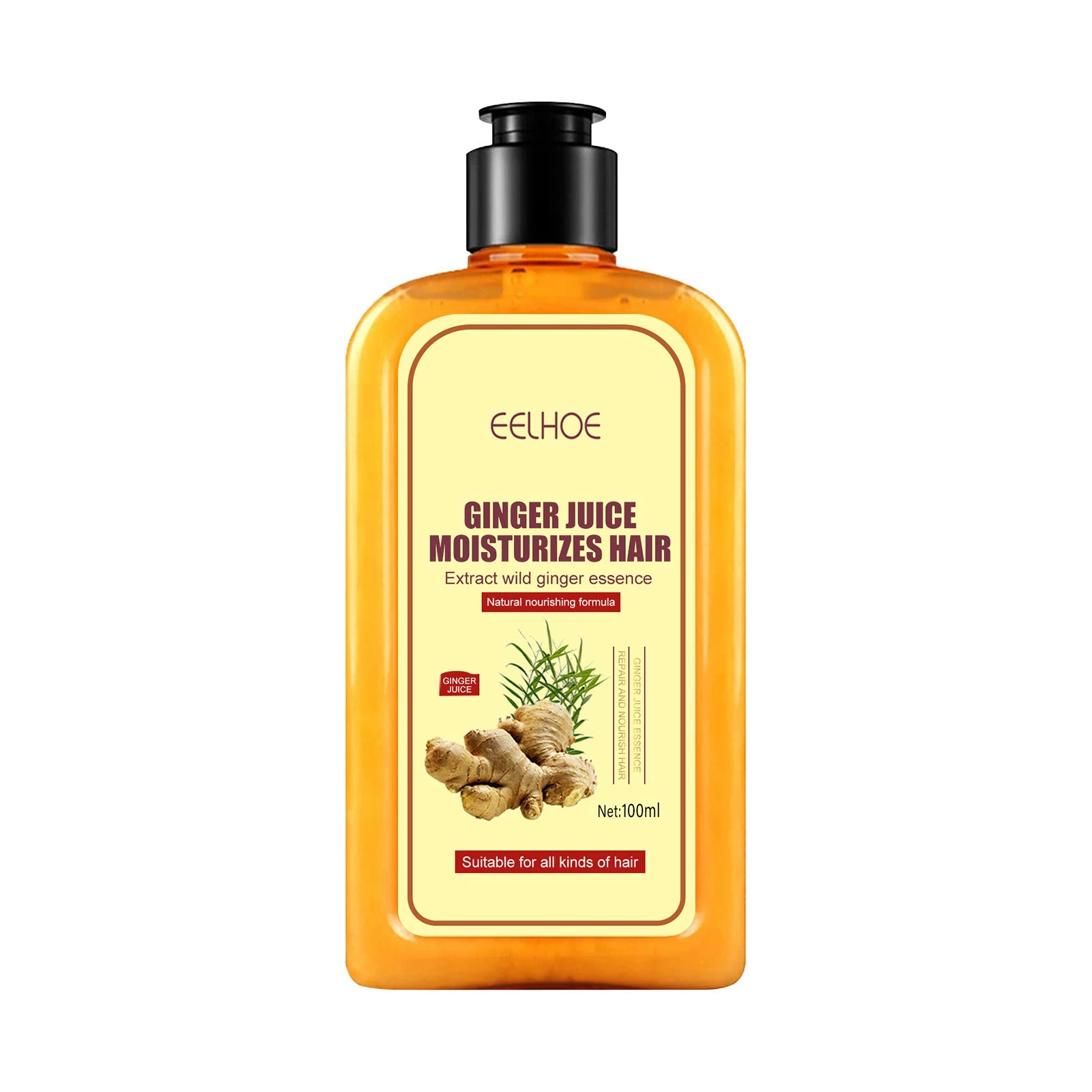
Ordinary wash step: 100ml ginger shampoo
A liquid rinse-off cleanser for wet hair. The listing highlights ginger, coconut oil and Polygonum multiflorum. Choose it for cleansing in your regular routine, not as a replacement for dandruff treatment.
Check the ginger shampoo’s details and current price →Optional leave-on step: 40ml ginger hair tonic
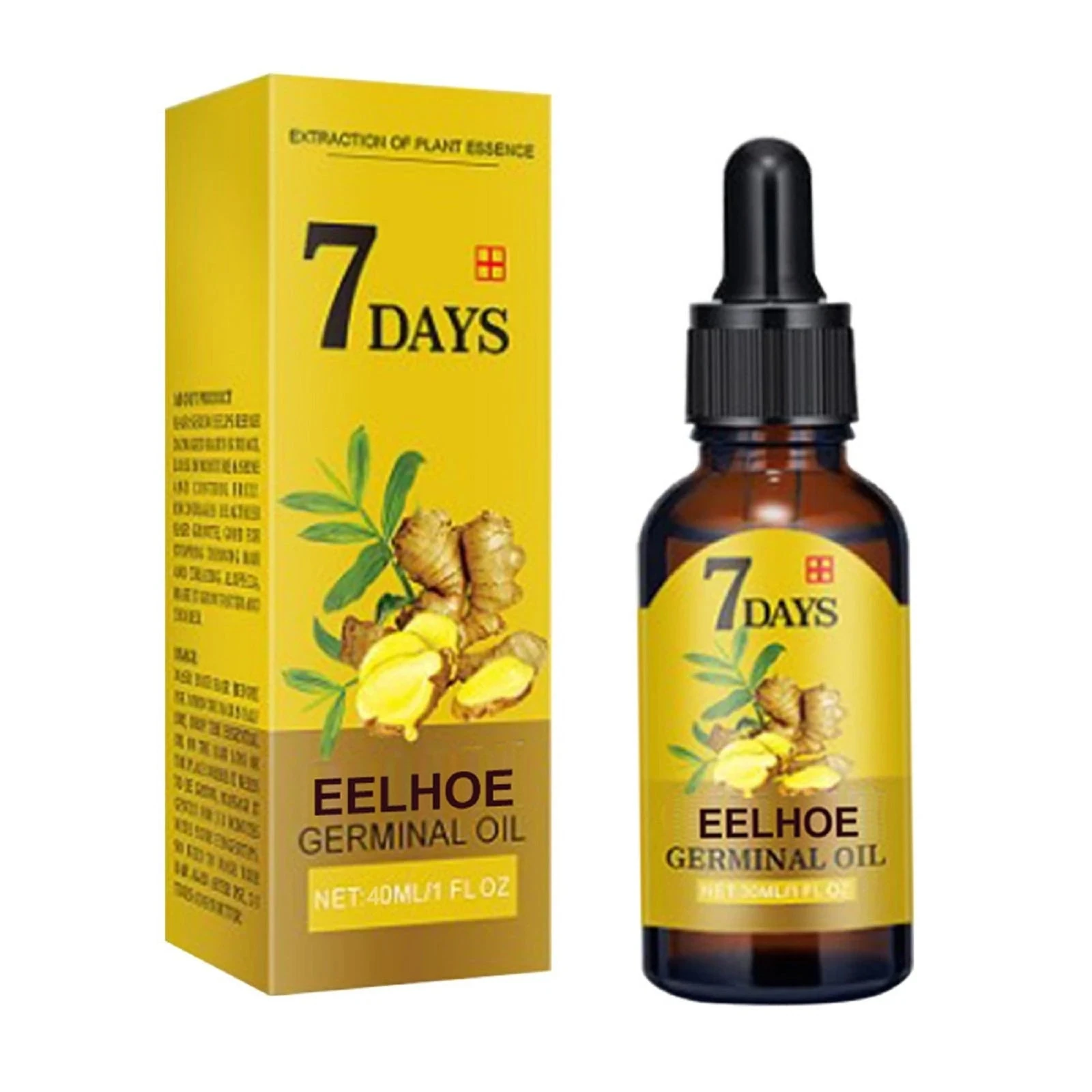
A water-based dropper product for scalp and roots. Highlighted ingredients include ginger extract, glycerin, sodium PCA and panthenol. Choose it only when you want ordinary cosmetic scalp care.
Compare the 40ml hair tonic and its directions →Separate products sold by GinGrowth; no dandruff-treatment or regrowth equivalence is established.
Common mistakes when using scalp serums
- Assuming the brand only makes shampoo. Check the exact serum, elixir or cream label.
- Calling every itch dandruff. Persistent or unclear symptoms need an appropriate assessment.
- Leaving a rinse-off product on overnight. No-rinse directions belong only to the product carrying them.
- Copying claims between formulas. A range name does not give every product the same ingredients or free-from claims.
- Adding a weekly scrub by default. More exfoliation is not automatically necessary for a flaky or uncomfortable scalp.
- Expecting a growth timeline from a dandruff label. The labeled uses and evidence need to match the desired result.
Is a ginger-based scalp serum right for you?
It can be a format to compare if you want a cosmetic step, understand its limits and find the actual ingredient information suitable. The 40ml ginger hair tonic’s product page describes a small scalp-and-root application, a gentle 2–3 minute massage and leaving the product on as directed. That is separate from the Head & Shoulders label schedules above.
Its ingredient artwork highlights water, ginger extract, glycerin, sodium PCA and panthenol; those highlights should not be mistaken for a complete formula with disclosed percentages. Familiar botanical names are not proof that a product is gentler for everyone, and moisture-binding ingredients do not establish treatment of dandruff or hair loss.
How to build a scalp-care routine without unnecessary steps
- Define the goal. Decide whether you need dandruff treatment, ordinary washing, conditioning or assessment of hair loss.
- Use the appropriate cleanser as directed. There is no universal wash frequency that suits every hair type and treatment.
- Condition where your hair needs it. Follow the conditioner’s application and rinse directions rather than treating it as scalp medication.
- Add a leave-on only for a clear reason. Keep the product name, intended use and application instructions together.
- Check comfort and residue. Introduce one new cosmetic at a time so changes are easier to understand.
You do not need to buy a shampoo, scrub, serum and oil simply to make a routine “complete.” The useful routine is the one that addresses your needs with directions you can follow. If symptoms worsen, reassess rather than increasing product quantity.
Frequently asked questions
Does Head & Shoulders have a leave-in scalp serum?
Yes. The reviewed US BARE Itchy Scalp Relief Serum label identifies a no-rinse scalp serum with 0.1% pyrithione zinc. Royal Oils also has a no-rinse elixir and scalp cream. Check local availability and your exact pack.
Does Head & Shoulders scalp serum grow hair?
The reviewed labels specify dandruff-associated flaking and itching, not hair regrowth. A more comfortable scalp is a different outcome from a proven increase in hair density. Do not choose these products as a substitute for evaluating unexplained loss.
Can I apply it to wet or dry hair?
The BARE serum and Royal Oils cream labels specify damp or dry scalp. Apply to the scalp as directed; do not assume that every serum should be spread through the lengths. The Elixir has its own section-and-pump instructions.
Can I use it every day?
The reviewed labels allow one to four daily applications to affected areas; the Royal Oils labels also say “or as directed by a doctor.” That is not an instruction to choose the maximum frequency or copy it onto an unrelated cosmetic.
Is the serum alcohol-free or silicone-free?
The BARE label lists ethanol and a PEG/PPG dimethicone ingredient, so those descriptions would be inaccurate for the reviewed formula. Read the exact ingredients rather than generalizing from “minimal ingredients.”
Can I use a ginger tonic with a dandruff treatment?
Compatibility has not been established here for every combination. Keep the treatment directions first and ask a pharmacist or clinician if you are unsure about adding another scalp product. A tonic is optional cosmetic care, not a required treatment booster.
Choose by the label, not just the word “serum”
Head & Shoulders has documented leave-on scalp products, and their specific labels provide the most useful starting point. Compare them for their labeled dandruff role. Compare ordinary ginger shampoo or hair tonic only when that separate cosmetic step is what you actually want.
Shopping for an ordinary rinse-off wash step?
Review the 100ml ginger shampoo’s ingredient highlights, application guide and current price. It is not a replacement for a medicated dandruff product.
View the 100ml ginger shampoo →Sources and label versions
Checked September 30, 2026. DailyMed records below are US manufacturer-submitted labeling, not live inventory or an independent comparison trial.
- BARE Itchy Scalp Relief Serum, version 1, published November 17, 2025
- Royal Oils Instant Soothe Scalp Elixir, version 8, published December 22, 2025
- Royal Oils Daily Moisture Scalp Cream, version 7, published December 22, 2025
- American Academy of Dermatology: How to treat dandruff
- American Academy of Dermatology: Hair-loss diagnosis and treatment