
Lip oil is usually a fluid product chosen for slip and shine, while lip balm is often a wax-based stick, pot or tube chosen for a more substantial moisture layer. Both can contain oils and help lips feel softer. The better choice depends on the actual formula, your preferred finish and whether your lips are comfortable or already irritated.
An oil is not automatically more nourishing, and a balm is not automatically better for every case of chapping. Start with what you want the product to do: add a glossy finish, provide convenient everyday moisture, sit under lipstick or meet a specific sun-protection need. These jobs do not always require the same product.
Compare the formula and finish on the same terms
The name describes a broad format rather than a guaranteed result. A lip oil may combine different oils and other ingredients to control gloss and feel. A balm can combine waxes, oils, humectants and other ingredients to form a stick or thicker cream. Some modern products sit between these categories, so the name alone is an incomplete shopping filter.
Oils are often emollients: they can smooth the feel of the lip surface. Waxes and other occlusive ingredients can contribute to a moisture-retaining layer. A finished formula can perform several roles, and the ingredient list does not reveal a precise wear time or prove that one product penetrates “deeper” than another. Judge the whole product and its labeled purpose.
Texture matters because it affects whether you enjoy using the product. Someone who dislikes a glossy finish may use a simple stick more consistently. Someone seeking shine over otherwise comfortable lips may prefer a fluid oil. Neither preference is a medical ranking, and price does not establish which texture will suit you.
On a small screen, swipe or scroll the table sideways to compare all columns.
| Criterion | Lip oil | Lip balm |
|---|---|---|
| Typical format | Fluid with slip and shine | Stick, pot or tube; often thicker |
| Ingredients | Often oils plus other texture ingredients | Can include oils, waxes and humectants |
| Finish | Often glossy; tint and feel vary | Can be subtle or shiny; formula matters |
| Convenience | Wand or other dispenser depending on product | Direct stick application or portioning from a pot |
| SPF and tolerance | Check its own label | Check its own label; category is not proof |
Lip balm or lip oil for dry-feeling lips?
For ordinary dryness, choose a non-irritating product that leaves lips comfortable and that you can reapply as directed. Do not keep applying something that burns or stings in the hope that the sensation means it is working. The American Academy of Dermatology’s chapped-lip guidance specifically advises stopping irritating lip products.
For very dry, cracked lips, the AAD points to a thick ointment such as white petroleum jelly, noting that ointment seals in water longer than waxes or oils. That is a useful third option when a shopping comparison makes it seem you must choose only between a beauty oil and a stick balm. An everyday cosmetic balm should not be presented as treatment for every cause of persistent cracking.
Fragrance, flavors and other ingredients can matter more than the product category when lips are irritated. Review your known sensitivities and choose appropriate care. If dryness or cracking persists despite suitable care, see a dermatologist; the cause may need assessment rather than another glossy layer.
Where a twist-up balm fits
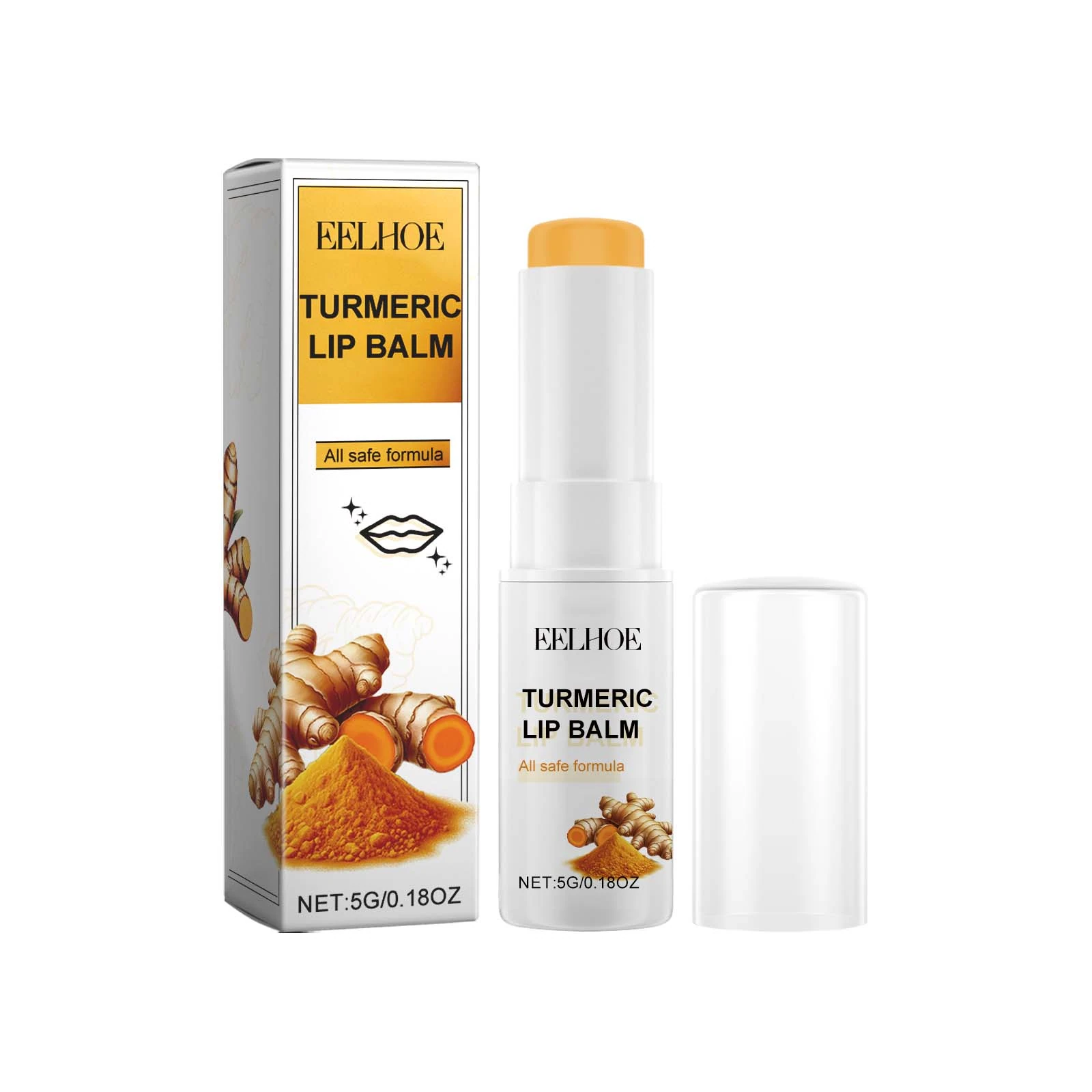
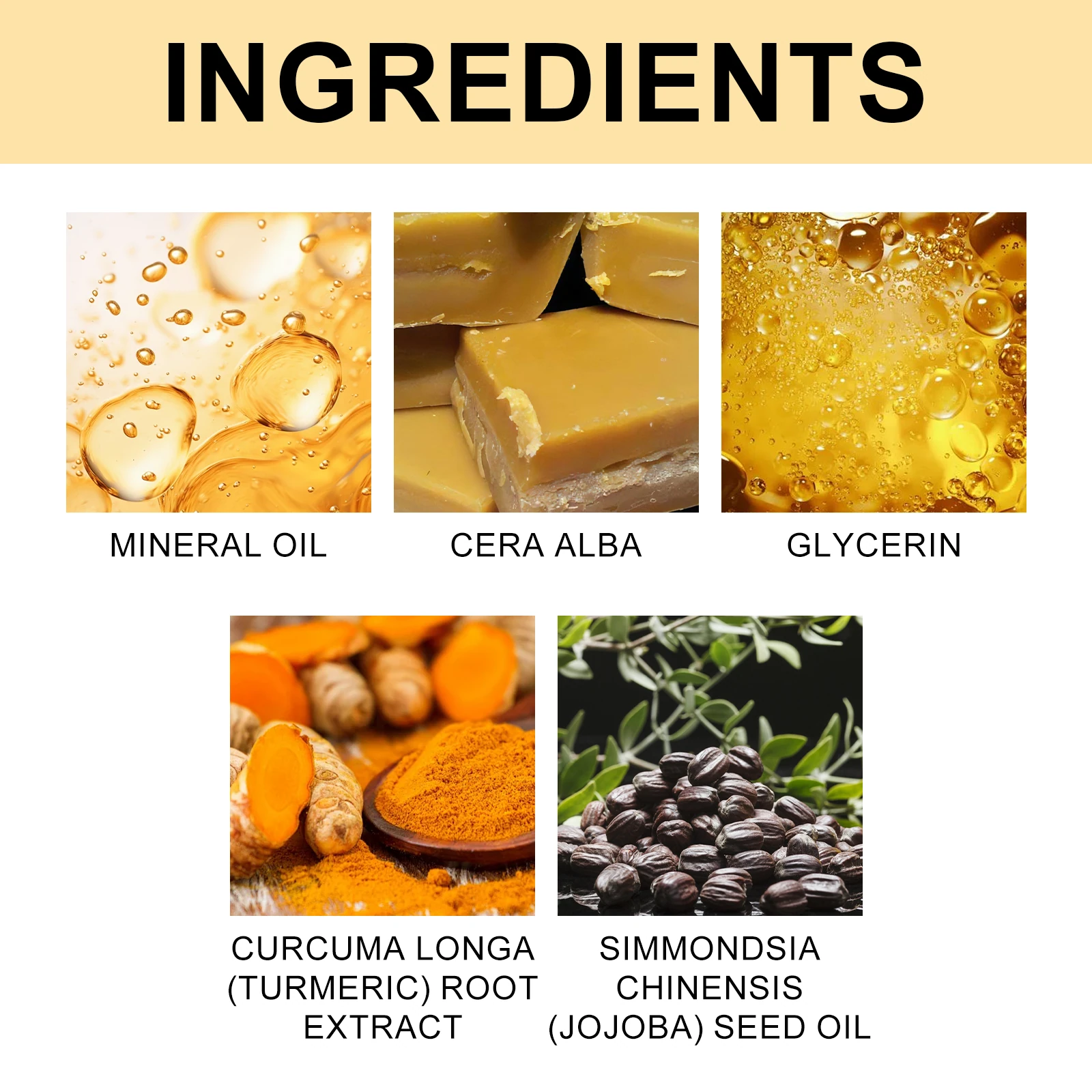
Our EELHOE turmeric lip balm is a 5g twist-up stick for leave-on lip moisture. Its listed ingredients include jojoba oil, beeswax, glycerin, mineral oil and turmeric extract. The presence of jojoba oil shows why “oil versus balm” is not an ingredients-only divide: a solid balm can contain oils as part of its formula.
The practical reason to consider this product is the direct application format. Twist up a small amount, apply evenly to clean, dry lips and replace the cap. You do not need to dip fingers into a pot or carry a separate applicator. It is a moisture-care choice for dry, rough-feeling lips, subject to the complete formula suiting you.
Decide how much shine and slip you want
If your main goal is a glossy appearance, compare the actual finish of the oils you are considering rather than assuming every oil is non-sticky or transparent. Some include tint, fragrance or a substantial film. Likewise, not every balm looks matte: a wax-and-oil formula may still leave visible sheen.
For a workday or desk routine, consider ease of application, how the product feels when speaking and whether you like touching it up after eating. A capped stick can be convenient, while a wand oil may offer a different cosmetic finish. Neither package should be shared casually, and both need clean handling and appropriate storage.
If lipstick is part of the routine, use the color product’s directions as the starting point. Excess slip from either an oil or a balm may affect how color sits. Our lip balm before lipstick guide covers light preparation and blotting without turning this comparison into a second makeup tutorial.
On a small screen, swipe or scroll the table sideways to compare all columns.
| Your task | Useful choice filter | Avoid assuming |
|---|---|---|
| Comfort with little fuss | A suitable non-irritating formula and convenient applicator | Every balm is fragrance-free |
| Glossy appearance | The actual shine, tint and feel | Every oil feels light or non-sticky |
| Lipstick preparation | Compatibility with the color product | More slip always improves lipstick |
| Outdoor protection | An explicit suitable SPF label | Turmeric, oils or waxes establish SPF |
| Persistent cracking | Appropriate care and professional assessment | A beauty format comparison is a diagnosis |
Can you use lip oil and lip balm together?
You can sometimes layer compatible products, but using both is optional. Start with one product and decide whether it already gives you the comfort and finish you want. A second layer adds ingredients and slip; it does not automatically double the moisture benefit or make the result last twice as long.
For comfortable lips, a light balm layer with a small amount of a compatible cosmetic oil on top may give the finish you prefer. Follow both labels and check for migration, discomfort or unwanted texture. There is no universal oil-first or balm-first rule that overrides how a particular formula is meant to be used.
If either product has SPF, follow its own directions rather than assuming a cosmetic layering sequence preserves the protection. Do not mix sunscreen lip products into another formula in your hand. For irritated or cracked lips, simplify to suitable non-irritating care instead of experimenting with several new layers at once.
- Define whether you want moisture comfort, shine, makeup preparation or SPF.
- Read the full formula and intended lip use.
- Start with one suitable product on comfortable lips.
- Add another layer only if its directions and the result suit you.
- Stop for irritation and seek advice for persistent cracking or soreness.
Sun protection is a separate label check
Neither an oil texture nor a balm texture establishes SPF. A product needs an explicit sun-protection label and appropriate directions. The AAD recommends a non-irritating lip balm with SPF 30 or higher before going outdoors and reapplication as directed, including every two hours while outdoors in its general guidance.
Our turmeric lip balm has no verified SPF rating. If you need outdoor protection, choose a separately labeled product that meets that need rather than treating turmeric, beeswax or an oil as sunscreen. A cosmetic moisture step and a sun-protection step can both matter, but the claims for one do not transfer to the other.
Also distinguish the normal lip surface from broken, actively inflamed or persistently sore areas. A new balm should not be used to mask a worsening reaction. Stop a product that causes discomfort, and seek advice for persistent problems or severe symptoms.
Make a small, useful comparison at home
If your lips are comfortable and both products are suitable, compare them on separate occasions with a similar routine. Notice the feel immediately after application, the finish you see, comfort after normal activities and how often you choose to reapply. These observations can guide your preference without becoming a claim about clinical hydration or universal wear time.
Keep the comparison simple. Do not change your lipstick, exfoliation habit and lip-care product at the same time and then credit the result to one ingredient. Avoid scrubbing flaky lips to make either product appear smoother. Gentle care and not licking or picking the lips are part of the AAD’s advice for managing chapping.
Before comparing an old balm with a new oil, check that the older product is still appropriate to use. Our lip balm expiry guide covers age and condition. A dried-out, heat-damaged or questionable product is not a fair reference for an entire category.
Questions about lip balm versus lip oil
Can lip oil replace lip balm?
It may meet your needs if it provides a comfortable moisture layer and the finish you want. If you need a more substantial layer or find the oil too slippery, a suitable balm or ointment may fit better. A replacement also needs to meet any separate SPF or sensitivity requirements you have.
Is lip oil good to use every day?
A suitable lip oil can be part of an everyday routine when used as directed and tolerated. Daily use is not a requirement, and tingling or stinging is not evidence of benefit. Check the formula, avoid sharing the applicator and stop if it causes discomfort.
Is lip balm always less glossy than oil?
No. Those are common texture tendencies, not fixed rules. A balm can leave sheen and an oil can include tint or a thicker film. Look at the actual finish and ingredient information, and choose the product you prefer wearing rather than relying only on the category name.
Is the turmeric lip balm beeswax-free or SPF-rated?
No SPF rating is stated, and beeswax, listed as cera alba, is among the ingredients. The 5g stick is an everyday leave-on moisture option, not a beeswax-free choice or a substitute for labeled sun protection. Review the current product information before choosing it for your routine.