
Use a rinse-off clay mask after cleansing and before your leave-on moisturizer. Remove makeup and surface residue first, apply the mask as directed, rinse it off thoroughly and then moisturize. A second full face wash is usually unnecessary once the mask has rinsed away cleanly. If your skin is already sore or tight, skipping the optional mask is more useful than adding another cleansing stage.
The sequence is simple, but the details should come from the actual products. Clay masks have different contact times and application methods. A stick mask, a mixed powder and a leave-on balm may look related on a skincare shelf while requiring very different handling.
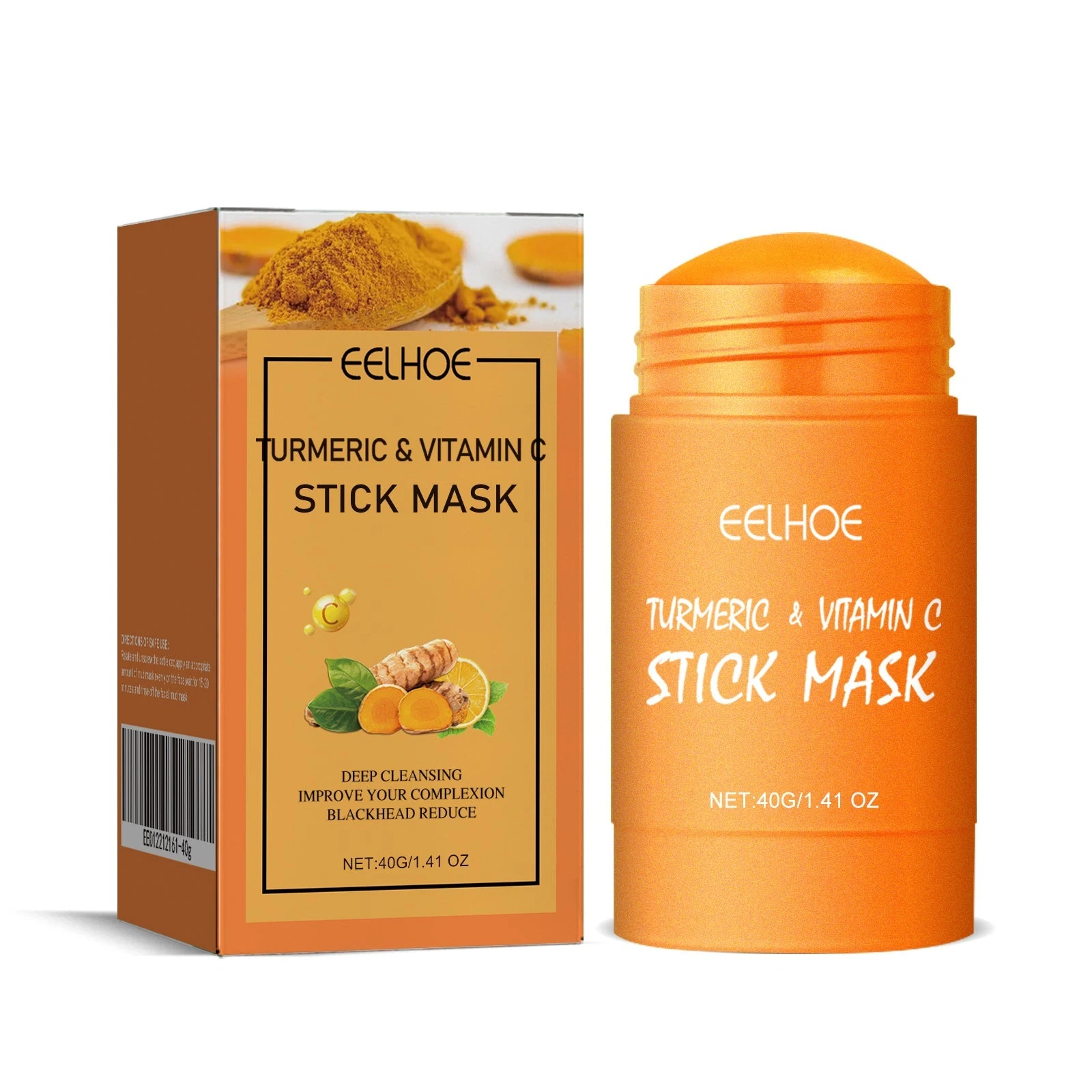
GinGrowth sells the EELHOE 40g clay mask stick and 50g moisturizing cleanser shown here. The mask is a timed rinse-off product; the cleanser is a separate hand-lathered face wash. This guide uses their current directions and general skin-care guidance, without claiming that the combination has undergone a compatibility trial.
Why does cleanser come before a clay mask?
Cleansing removes the makeup, surface oil and daily residue you intend to wash away before an optional mask. This keeps the mask from being used as a substitute for makeup removal. You do not need a theory about opening pores or “detoxing” skin to make the sequence useful.
Use a cleanser that fits your skin and the residue you need to remove. The American Academy of Dermatology's face-washing advice recommends lukewarm water, gentle fingertip application and avoiding scrubbing. A harsh wash followed by a mask is not automatically more effective than a comfortable, simple cleanse.
If you have already cleansed and your skin remains clean, you do not need to wash repeatedly just because you are about to use the mask. Think in terms of completing the cleansing task, rather than counting a required number of washes. Follow any specific preparation instructions on the mask packaging.
On a small screen, swipe or scroll the table sideways to compare all columns.
| Stage | What to do | What to avoid |
|---|---|---|
| Before the mask | Remove makeup or residue with suitable cleansing | Putting clay over a full face of makeup |
| Mask application | Even layer, avoiding eyes and lips | Adding a thick layer to prolong wear |
| Featured stick timer | 15–20 minutes, then rinse; rinse sooner if uncomfortable | Treating a general timer as its exact directions |
| Mask removal | Rinse thoroughly with water and pat dry | Automatically repeating a full cleanser step |
| Afterwards | Use your suitable moisturizer | Leaving the rinse-off mask on under cream |
| Shower timing | Choose a convenient way to complete the same sequence | Hot steam or longer masking as an extra treatment |
Does a clay mask replace face wash?
A clay mask is not automatically a replacement for your usual face wash. The featured EELHOE stick is a kaolin-based mask applied in an even layer, left for a stated period and rinsed away. The separate cleanser is mixed with water into foam and used to wash the face. Their methods and purposes differ.
Clay can be part of a formula intended to leave skin feeling fresh and clean, but a mask name does not establish removal of all makeup or water-resistant products. If your makeup needs a dedicated remover, use a suitable removal method first. Do not rub the clay stick harder over remaining pigment to compensate.
The same distinction applies after the mask: rinsing away clay is not equivalent to leaving a moisturizing cream on the face. The mask needs to be removed before the leave-on stages begin. A comfortable finish should come from the appropriate products in the appropriate order.
How do you use the 40g clay mask stick in this order?
The EELHOE clay mask stick is an orange twist-up format with kaolin, diatomite and turmeric among its highlights. It lets you apply the mask directly without scooping from a tub. The listed method is an even facial layer, avoiding eyes and lips, followed by 15–20 minutes and a thorough rinse.
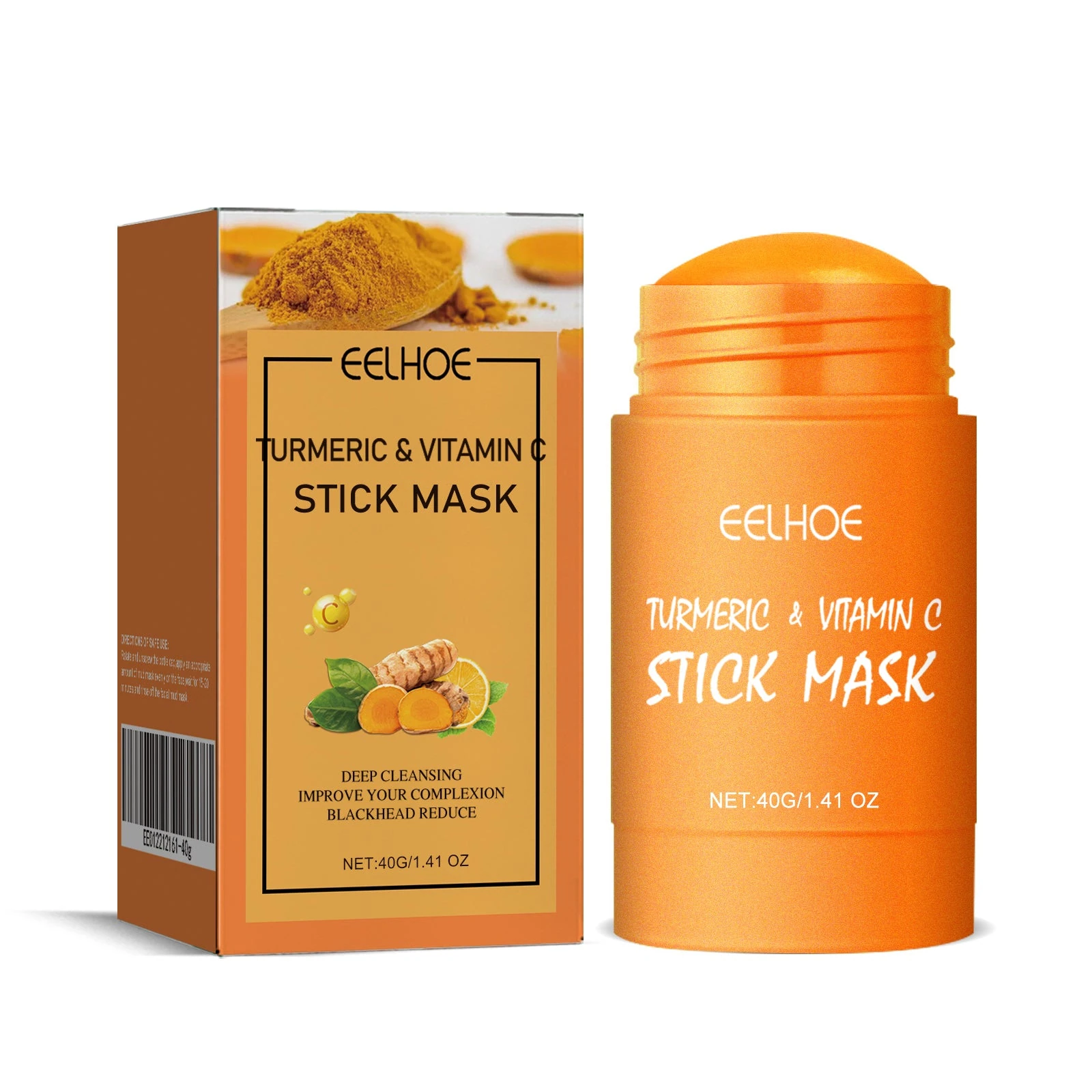
That timing belongs to this product. Do not replace it with a generic social-media timer or leave it on longer because the layer still looks moist. Skin comfort matters throughout the application: rinse sooner if it becomes uncomfortable, rather than waiting to complete a timer through stinging or burning.
Twist up only enough for controlled application. A thicker layer is not established as a better mask treatment and can be less convenient to remove. After rinsing, pat the face dry gently and use your suitable moisturizer. The mask is optional; it does not need to occupy every cleansing session.
- Cleanse gently when needed and remove all cleanser residue.
- Prepare skin according to the mask packaging.
- Twist up a little of the featured mask and spread an even layer, avoiding eyes and lips.
- Follow the listed 15–20-minute timing; rinse sooner if uncomfortable.
- Rinse thoroughly, pat dry and apply suitable moisturizer.
What kind of cleanser should you use before masking?
Choose a face wash that removes the relevant residue without leaving your skin uncomfortable. You do not need a stronger cleanser simply because a mask comes next. If your normal wash already leaves skin tight or irritated, address that issue before adding another product.
The EELHOE 50g moisturizing cleanser is a cream-style formula in a squeeze tube, with turmeric and licorice among its highlights. Its directions say to mix a small amount with water in your palm, work it into fine foam, massage gently over the face away from the eyes, then rinse thoroughly.
Despite the word moisturizing, this tube is a rinse-off cleanser. It is not the face cream that comes after the clay mask. Likewise, its cream-style texture does not mean it stays on: it is hand-lathered and removed with water. The actual method resolves the naming confusion.
Choose it if you prefer that squeeze-and-lather format and the formula suits your skin. The comparison does not establish its measured pH or guarantee that it will suit every sensitive face. Read the current ingredients and instructions before deciding whether it belongs in your own routine.
Do you wash your face again after a clay mask?
After the featured mask, rinse thoroughly with water and pat dry. Its directions do not call for another full cleanser application. If the mask has rinsed away, repeating a wash simply to make the skin feel squeaky adds a step without an identified task.
If a little clay remains around the hairline or sides of the nose, use water and gentle fingertips to remove it. Check the amount you applied and whether you left a thick edge. Do not scrape dried pieces away with fingernails or use a vigorous brush to hurry the process.
A persistent uncomfortable coating is worth reassessing: confirm the exact formula and removal instructions. Different masks may have different methods, so follow the product rather than assuming every clay product behaves like the stick in this guide. Stop if removal itself becomes irritating.
Does the mask go before toner, serum and moisturizer?
For a rinse-off mask, complete masking and rinsing before your leave-on products. Otherwise, you risk washing away care you have just applied. Moisturizer is the finishing moisture step; toner and serum are optional additions according to the products you use and your skin's needs.
Our turmeric skincare routine-order guide shows how to separate cleansing, optional rinse-off treatments and leave-on care across the range. Sharing an ingredient theme does not mean every product should be used in the same session.
If your skin feels dry after masking, do not assume a larger amount of serum replaces a suitable moisturizer. The AAD's dry-skin guidance emphasizes gentle care and prompt moisturization after washing. That advice supports a comfortable finish; it does not prove that an optional clay mask is necessary for dry skin.
Clay mask before or after a shower?
Choose the timing that lets you cleanse, follow the mask's actual contact interval, rinse and moisturize comfortably. The clock position of the shower is less important than the sequence and product directions. A shower is not required to make the mask work.
If you cleanse in the shower, finish rinsing, prepare skin as directed and apply the mask afterwards where you can control its placement and timing. If you apply the mask before a planned shower, make sure your face has been appropriately cleansed first and that you can rinse at the directed time. Do not delay rinsing to finish a long shower routine.
Avoid using hotter water or extra steam as an additional “pore-opening” treatment. The AAD's cleansing advice favors lukewarm water, and its dry-skin advice recommends short, warm bathing. A convenient routine should not depend on prolonged heat or on waiting until your face feels extremely tight.
How do you decide whether to mask today?
Ask whether the skin is comfortable, whether the exact mask is appropriate and whether you can complete the directions. If you are trying a new exfoliant, using other potentially irritating products or already noticing sensitivity, keep the routine simple rather than stacking optional treatments.
There is no universal frequency supplied by the featured mask's illustrated timing. Fifteen to twenty minutes describes one application, not how many times per week you should repeat it. For a broader overview of formats and tolerance, read our turmeric face-mask guide.
Do not treat a clay mask as a way to forcibly pull out every visible blackhead or permanently change pore size. If clogged pores or another skin concern persist, seek suitable care rather than increasing the layer thickness or rubbing during removal. The supported purpose here is a timed cosmetic mask routine and a fresh, clean feel.
Choose the step your routine actually needs
If you need to remove daily residue, start by choosing a suitable cleanser. If you want an optional clay-mask step, check the stick's current formula and 15–20-minute rinse-off method. Then keep a separate moisturizer ready for afterwards. You can choose one product without assuming you must buy the entire sequence together.
Sources and product information
Product directions, formats and images were checked October 18, 2026. AAD resources support general washing and moisture-care guidance and do not endorse these EELHOE products. No original mask trial, measured pore reduction or tested cleanser-mask pairing is claimed.