
A washcloth is usually the simpler choice if you want a shower tool that is easy to put in the laundry and dry completely. A loofah can create lather and provide friction, but its nooks can retain skin debris and moisture. Either tool needs careful cleaning; clean hands are also a valid way to spread body wash. Choose the routine you can maintain rather than the tool that makes the most foam.
The washcloth vs loofah question is partly about texture and partly about what happens after your shower. A soft cloth that sits wet in a heap is not automatically a good choice, and a rough sponge does not clean skin better just because it feels more abrasive. This guide compares everyday use, drying, replacement and compatibility with body wash without treating scrubbing as a requirement.
Washcloth vs loofah at a glance
On a small screen, swipe or scroll the table sideways to compare all columns.
| Method | Useful feature | Care commitment |
|---|---|---|
| Soft washcloth | Easy to rotate through suitable laundry | Clean appropriately and dry completely |
| Natural loofah | Textured gourd fibers | Rinse, clean, dry and replace as directed |
| Synthetic mesh pouf | Lightweight lathering format | Clean folds and allow the center to dry |
| Clean hands | No reusable accessory to maintain | Gentle application and complete rinsing |
A natural loofah is the fibrous material of a dried gourd. The word also gets used for a synthetic mesh bath pouf, although those are different materials with different care instructions. A washcloth is a small textile cloth; its weave, thickness and softness vary. Check the actual item rather than assuming every product sold under one name behaves the same way.
For this comparison, “better” means suitable for your skin and realistic to keep clean. A cloth can be easier to launder with other appropriate textiles, while a mesh pouf may be convenient to hang. Neither convenience proves it dries fully in your bathroom. Check the folds and center, not just the outside surface.
Is a washcloth better than a loofah for hygiene?
A washcloth has a practical advantage: it can usually go through a suitable laundry cycle and be replaced with a clean, dry cloth for the next wash. Cleveland Clinic dermatologist Melissa Piliang notes that washcloths are easier to wash and dry and have fewer crevices that trap material than loofahs. That makes a rotation of clean cloths a useful option for someone who can keep up with laundry.
The concern with loofahs is not imaginary, but it needs context. A 1994 microbiology paper examined loofahs as reservoirs for potentially pathogenic bacteria, including laboratory growth after exposure to skin material. That research helps explain why retained debris and moisture matter. It does not provide a household infection percentage or prove that every loofah user will develop an infection. No head-to-head test of your particular cloth and sponge is being reported here.
It is more useful to ask whether your tool can be rinsed thoroughly, cleaned according to its instructions and dried outside a persistently wet shower. If the answer is no, change the routine. Do not assume a scented body wash disinfects the accessory, and do not rely on an “antibacterial” label without checking the actual maintenance instructions.
Match friction to the condition of your skin
Lather distribution and exfoliation are separate tasks. You can spread a cleanser with your hands without deliberately rubbing off surface skin. If your aim is simply to wash after an ordinary day, more friction is not automatically helpful. Choose light pressure and stop if a tool feels scratchy, causes stinging or leaves skin uncomfortable.
Recently shaved skin, irritated patches, sunburn and broken skin are poor places for rough scrubbing. Cleveland Clinic specifically advises against using a loofah on the face, genital area or shortly after shaving. A body accessory is not automatically a facial cleansing tool. Follow any clinician's instructions for affected skin rather than using this general comparison as treatment advice.
A washcloth can also be abrasive when dragged repeatedly over the same spot. Its advantage is not permission to scrub harder. Use a soft, clean surface, gentle movements and a thorough rinse. If even a soft cloth is uncomfortable, try a suitable cleanser with your hands and reassess whether the product or current skin condition needs attention.
On a small screen, swipe or scroll the table sideways to compare all columns.
| Your situation | Practical option | Check afterward |
|---|---|---|
| Reliable laundry and spare cloths | Soft washable cloth | Completely clean and dry before reuse |
| Persistently humid shower | Hands or an easily dried cloth rotation | Do not store tools in a damp heap |
| Skin feels scratchy with tools | Hands and a suitable gentle cleanser | Stop if discomfort persists |
| Already using a scrub | Reassess extra tool friction | Avoid stacking exfoliation automatically |
How to use body wash without adding unnecessary scrubbing
- Choose hands or a clean, suitable accessory based on skin comfort.
- Wet skin and follow the body wash’s stated amount.
- Spread gently; do not increase pressure to create more foam.
- Observe any product-specific contact interval without continuous scrubbing, then rinse.
- Clean and dry the accessory separately according to its care instructions.
If you use a cloth, avoid dipping a used, wet corner into a shared product jar. Dispense the cleanser as directed and keep the container opening clean. A small bottle also deserves care: water left around the cap and a tool parked against the opening are avoidable parts of the routine. Keep accessories separate from the bottle between showers.
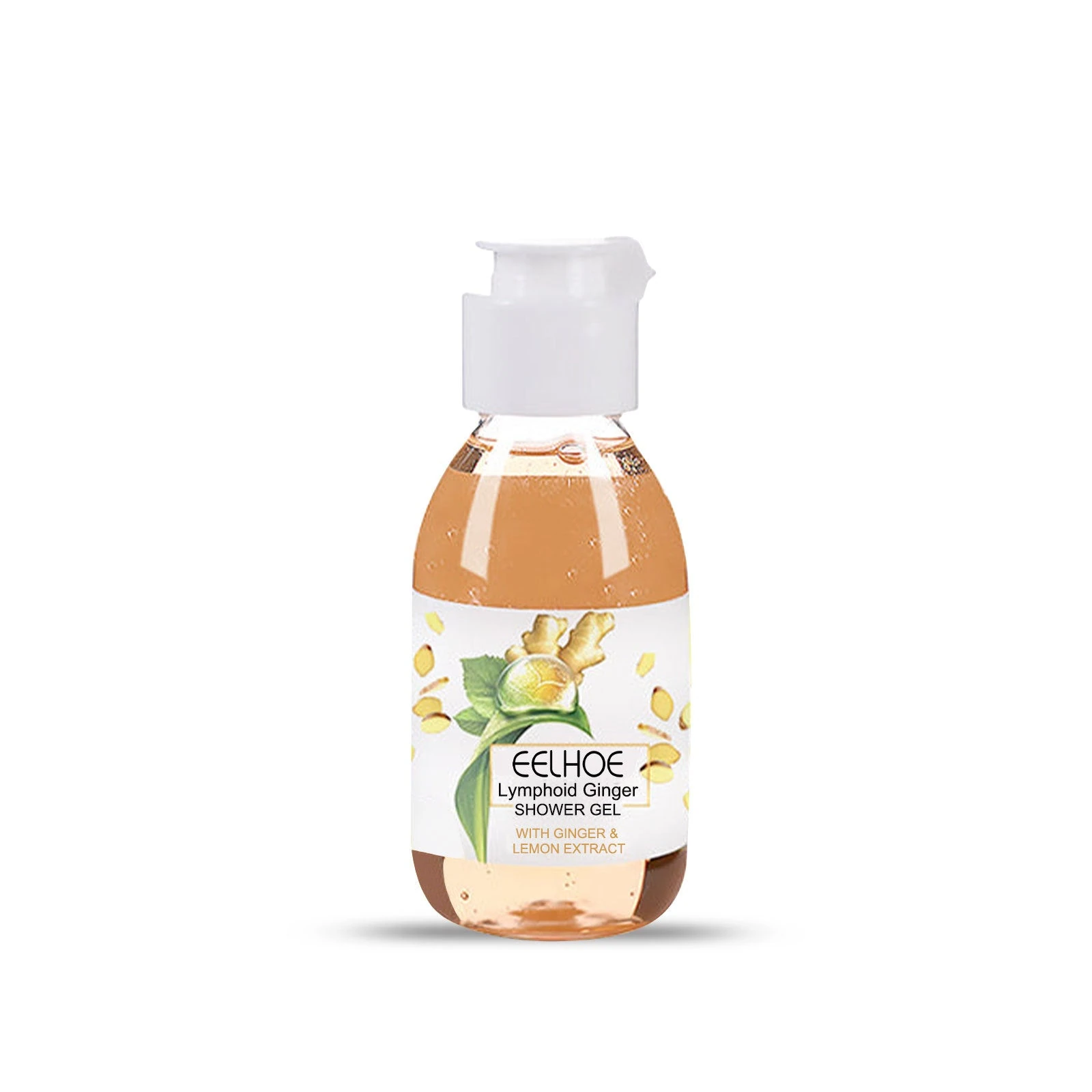
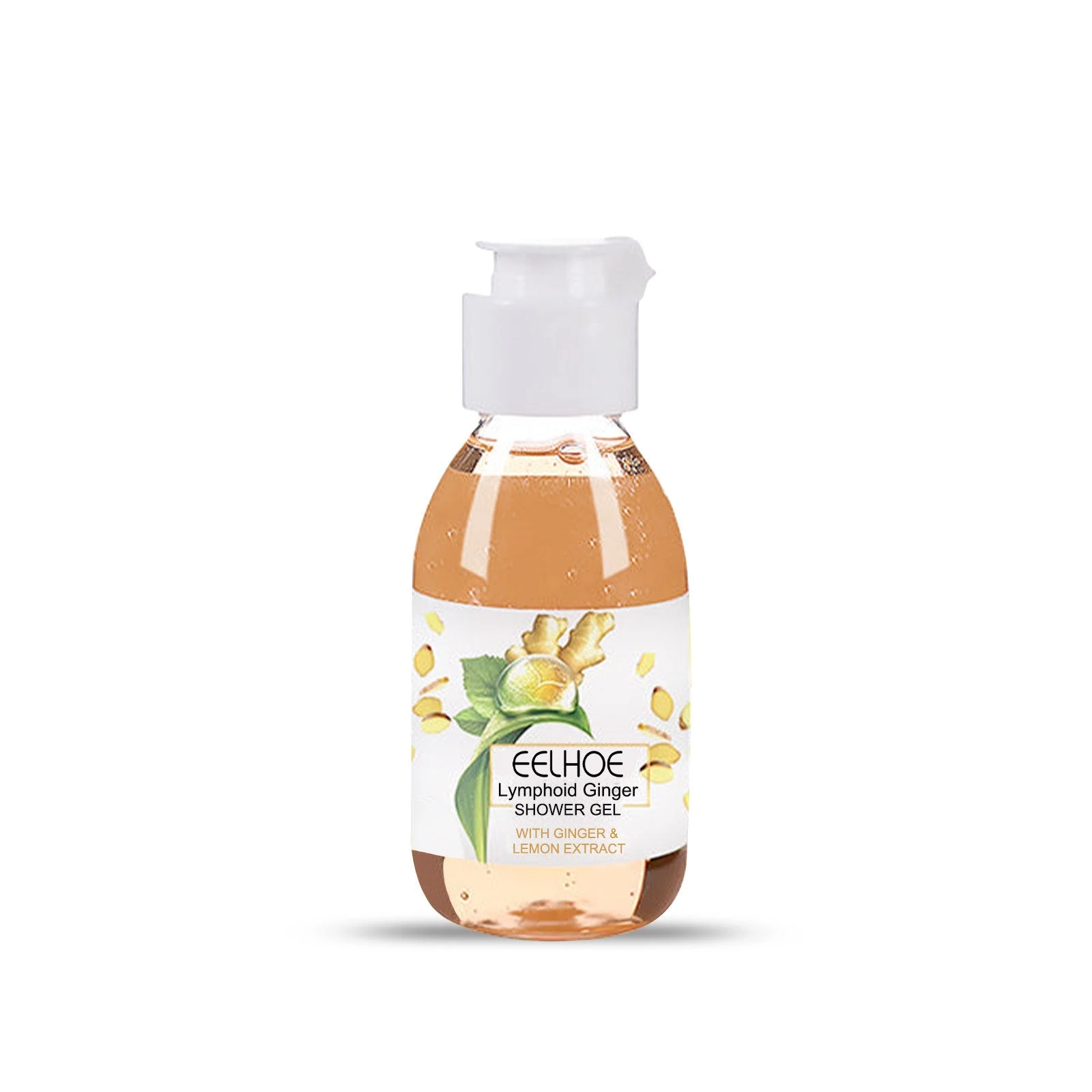
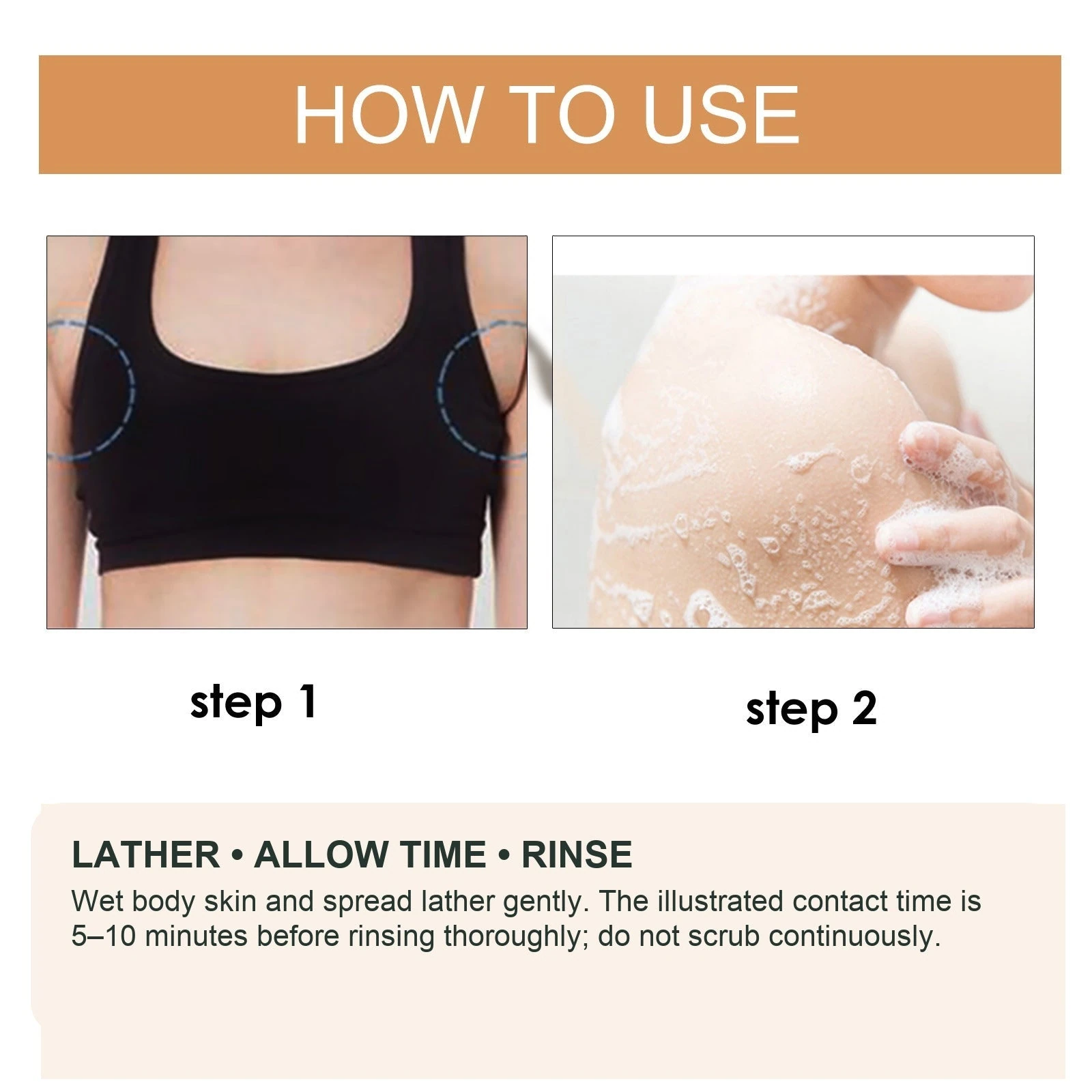
Our featured Ginger Body Wash is the 50ml bottle, distinct from the separate 30ml pink travel bottle. Its current product information describes ginger, calendula and lemon, and shows application to wet skin with wet hands, a small amount, lathering and gentle spreading. A loofah is not required by that illustrated method.
The product artwork includes a 5–10-minute interval before rinsing. Treat that as the featured product's stated contact interval, not an instruction to scrub continuously for that time and not a rule for all body washes. Check the bottle you receive and stop if it irritates. The cleanser's directions and the accessory's cleaning directions answer different questions; one does not replace the other.
Cleaning, drying and replacement: make the routine workable
After using a reusable accessory, rinse away cleanser and visible debris. Follow its own washing instructions, then allow it to dry fully with airflow. A tightly folded cloth on a wet shower floor and a sponge enclosed in a damp travel bag both defeat the drying step. For a cloth rotation, separate used items from the clean, dry supply rather than returning a damp cloth to the stack.
Cleveland Clinic recommends daily rinsing and drying of loofahs, regular cleaning, and replacement of natural loofahs around every three to four weeks or plastic versions around two months. Those are the source's general guidelines, not a guarantee of safety until a deadline. Follow the manufacturer's care instructions, and discard an accessory sooner if it develops mold, a musty smell or damage that makes proper cleaning difficult.
A practical setup is a place for the used tool to dry, a laundry route for cloths, and a clean replacement ready for the next shower. If you travel or share a humid bathroom, clean hands may be the easiest option. Do not share a used washcloth or loofah as a shortcut. A tool belongs to its user until it has been appropriately cleaned, and some items are best kept personal throughout their life.
Decide what belongs in your routine
For low-maintenance cleansing, begin with the body wash and your hands. For a soft textile feel, choose a cloth you can clean and dry reliably. For someone who enjoys a loofah's texture, the extra maintenance is part of the choice. If cleaning the accessory feels unrealistic, that is a reason to choose a different method, not to ignore the maintenance.
Consider any exfoliation you already do. Combining a rough tool, a scrub and repeated passes over the same skin can add friction without adding useful cleansing. Our body scrub vs body wash guide explains the difference between those product roles. Make the decision about exfoliation separately rather than turning every shower into a scrub session.
If you want a body cleanser to use with your hands or a suitable soft cloth, review the featured bottle's ingredients and directions. If you need a fragrance-free formula, a large pump bottle or a cleanser recommended for a diagnosed skin condition, check those requirements before choosing. This article does not establish that the featured product meets them.
Frequently asked questions
Is a washcloth better than a loofah?
A washcloth is often easier to launder and dry, which can make it the more practical reusable tool. It still needs regular cleaning and full drying. Your skin comfort and ability to maintain the item matter more than choosing a universal winner.
Should I use a washcloth or loofah for body wash?
Neither is mandatory. Follow your body wash's directions; clean hands may be enough to spread and rinse it. If you prefer a tool, choose gentle contact and a cleaning routine you can actually maintain.
Does more lather mean cleaner skin?
The amount of visible foam is not a reliable score for how well your skin has been cleaned. Follow the cleanser's amount, application and rinse instructions rather than adding product or pressure just to create a larger mound of bubbles.
When should I throw away a loofah?
Follow its care and replacement instructions and discard it sooner if mold, a musty odor or deterioration appears. General replacement intervals do not compensate for a tool that stays damp or cannot be cleaned properly.
Sources and review scope
Cleveland Clinic: loofahs and bacterial buildup provides dermatologist guidance on tool hygiene, drying, replacement and sensitive areas. Loofah sponges as reservoirs and vehicles in bacterial transmission is the original microbiology research discussed above; it is not a consumer comparison trial.
GinGrowth product details were reviewed on October 21, 2026. This is an editorial comparison of maintenance and use, not a laboratory cleanliness test or a claim that a particular accessory prevents infection.