
How much shampoo should you use? Start with a small portion that you can spread across a thoroughly wet scalp, then add a little only where coverage is missing. There is no universal milliliter dose for every shampoo and head of hair. For ordinary liquid shampoo, a small coin-sized pool is a useful visual starting point—not a manufacturer-set dose. Hair density, the formula, and accumulated oil matter more than simply having long hair.
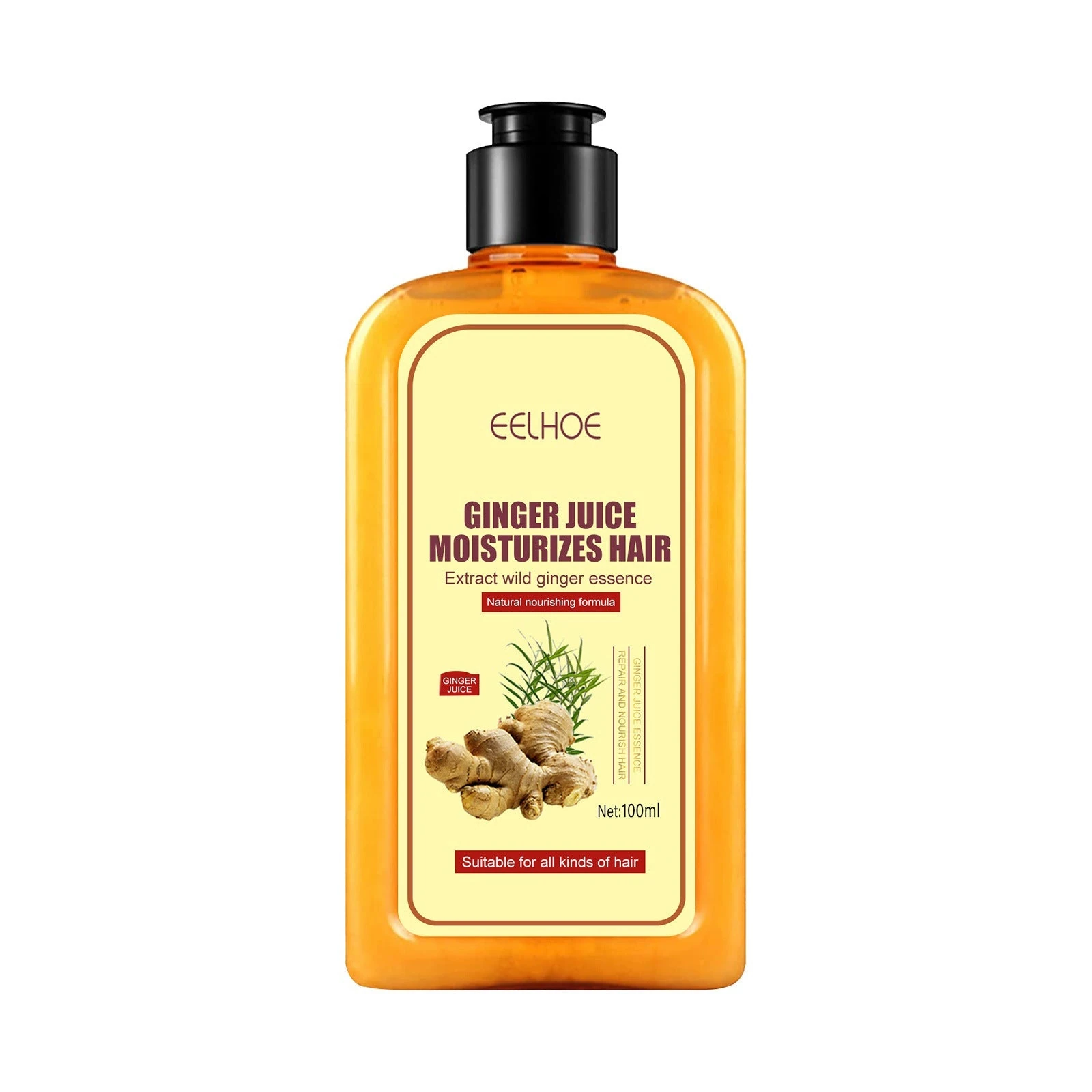
The goal is clean roots with a thorough rinse, not the largest possible cloud of foam. This guide shows how to adjust a portion, spot a distribution problem, and decide whether another small wash is useful. It also explains where our 100ml ginger shampoo fits if you prefer a ready-to-use liquid. GinGrowth sells the product shown; the practical washing guidance below is separate from product-specific directions.
Start with the scalp, then adjust for access
The American Academy of Dermatology’s healthy hair guidance recommends applying shampoo to the scalp rather than the entire hair length. This targets oil, dead skin and buildup while reducing unnecessary cleansing of the lengths. That is a better basis for portioning than multiplying shampoo simply because your hair reaches your shoulders or waist.
For short hair, a small amount may be easy to distribute because the roots are accessible. Dense cropped hair can still need sectioning. For long hair, part it with your fingers and place lather at the crown, sides and back rather than squeezing one large blob onto the top. Hair length creates an access problem; it does not make the scalp proportionally larger.
For tightly curled or coily hair, working through a few loose sections can help you reach the scalp without tangling the lengths together. Avoid piling all the hair on top of your head and scrubbing it as one bundle. If your bottle has special directions for a medicated or concentrated formula, use those directions instead of this ordinary-liquid starting method.
On a small screen, swipe or scroll the table sideways to compare all columns.
| Your wash situation | Start here | Before adding more |
|---|---|---|
| Short, easily reached roots | A small portion spread over the wet scalp | Check the sides and nape for missed coverage |
| Long or dense hair | Work in loose sections at the roots | Improve access; do not scale quantity by length alone |
| Heavy oil or styling residue | Complete one wash and rinse | Consider a smaller targeted second wash if residue remains |
| Rough ends, clean roots | Keep shampoo focused on the scalp | Condition the lengths rather than increasing shampoo |
A five-step way to find your useful portion
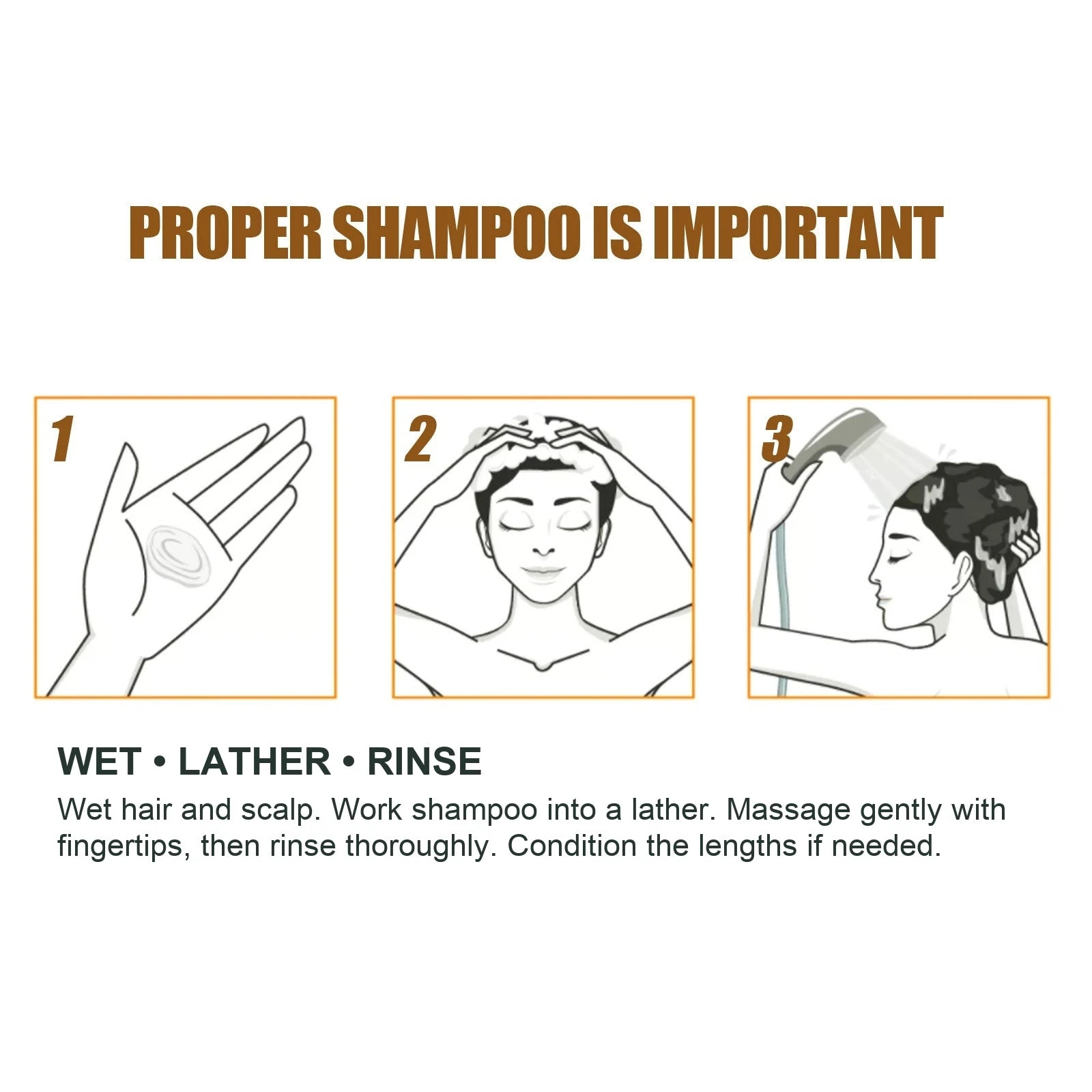
- Wet hair and scalp thoroughly, reaching underneath dense sections.
- Dispense a small portion into your palm; use any exact dose on your label.
- Spread over the scalp with gentle fingertips, working through sections.
- Add water or a little shampoo only where distribution is incomplete.
- Rinse fully, then condition the lengths according to their needs.
When the first small portion spreads poorly, pause before adding more. Water may not have reached the roots under dense hair. Direct the water there, move your fingertips beneath the outer layer, and distribute the existing shampoo. A little extra water can make a wash easier to spread without turning the entire routine into a larger dose.
Use the pads of your fingers and gentle movement. Scratching with nails can make a scalp feel sore even when the shampoo amount is reasonable. Rinse the areas behind the ears and at the nape deliberately; they are easy to miss when you rinse only the crown. Comfortable roots after rinsing tell you more than the height of the lather during washing.
Why foam is an unreliable measuring cup
Foam depends on the formula, water and what is already on the hair. A first pass over oily roots can look different from a second pass even when you use less shampoo the second time. That difference does not establish a requirement to repeat every wash. Equally, a low-foam formula is not automatically failing because it never produces a thick lather.
Do not chase a particular social-media demonstration. A palm covered in product makes a dramatic video, but it does not tell you the person’s shampoo concentration, water conditions or styling routine. Start with enough to reach the scalp and judge the rinse. If the roots still feel coated once hair dries, adjust the next wash by improving distribution or using a small additional portion.
A squeaky sensation is not a necessary finish either. If the lengths feel rough, adding more shampoo there is unlikely to solve the problem. Separate cleansing from conditioning: clean the scalp, rinse, then use conditioner where the hair needs slip and softness. The AAD recommends conditioner after washing, with placement adjusted to hair type.
When a second wash makes sense
A second small wash can be practical after a heavy pre-wash oil application or substantial styling residue. First complete the initial rinse. If obvious product remains, apply a smaller amount to the affected roots and rinse again. Do not automatically double both the shampoo quantity and the number of washes; that makes it harder to tell what actually helped.
For example, if you applied oil mainly at the crown, focus the extra wash there rather than scrubbing all the ends twice. If the issue is a general waxy or coated feel that repeatedly survives washing, review the products you layer and whether your cleanser suits that buildup. A routine liquid shampoo cannot be assumed to handle every type of residue in the same way.
Our separate guide to washing excess oil out of hair goes deeper into that correction task. Here, the important distinction is between an occasional targeted second wash and a standing instruction to shampoo twice. Persistent itching, inflamed patches or painful scaling calls for professional assessment rather than progressively larger portions.
Choosing a bottle for this method
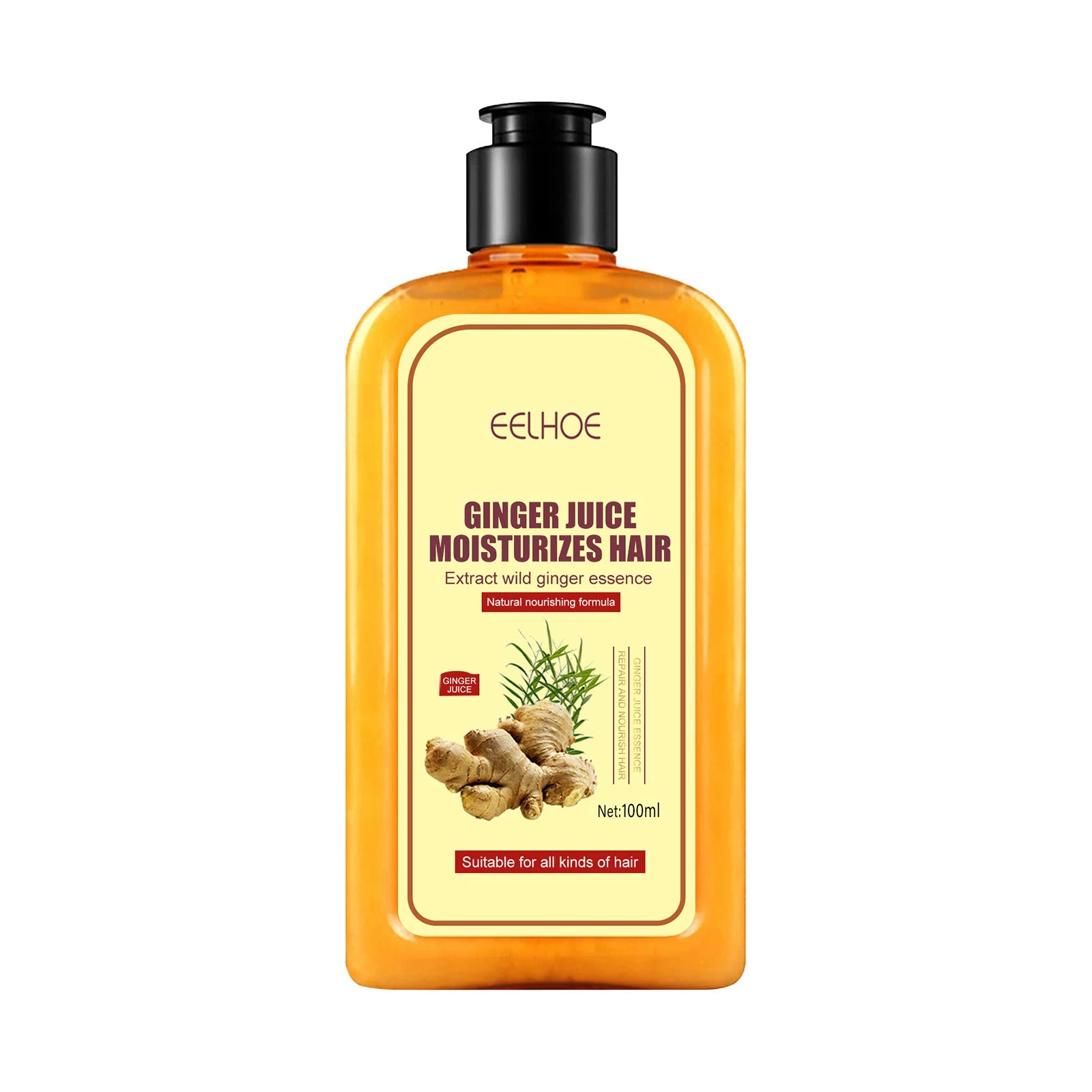
Our EELHOE ginger shampoo is a 100ml liquid in a flip-top bottle. The current product page highlights ginger, coconut oil and Polygonum multiflorum. Its directions are to wet hair and scalp, lather, massage gently with fingertips and rinse. Conditioner is a separate next step when the lengths need it. No exact pump count or milliliter amount is specified.
That format fits someone who wants to dispense an adjustable portion without preparing a powder or storing a wet shampoo bar. It does not make a fixed amount suitable for everyone. A flip-top squeeze can vary with hand pressure, so look at the portion in your palm before applying it. Avoid converting one squeeze into an assumed measured dose.
Read the current ingredients and directions before choosing it, especially if you already avoid a particular ingredient. Botanical highlights identify the formula; they are not evidence that applying more will accelerate hair growth. This article uses the bottle as a practical rinse-off option, not as a treatment recommendation for hair loss or a scalp disorder.
Troubleshoot the result without wasting shampoo
If roots remain oily but the ends feel dry, improve scalp access first. Apply in sections and let the rinse move through the lengths. If everything feels coated, check that you are rinsing fully and that you did not mistake a leave-in product for shampoo. If tangling is the main issue, reduce rough movement and review your separate conditioner step.
If you are using the bottle much faster than expected, watch what happens at dispensing. Pouring directly onto the head makes it harder to see the amount. Dispense into the palm, spread, and add only after evaluating coverage. The 100ml size tells you how much is in the bottle, but it cannot predict a reliable number of washes for different people.
Questions about shampoo quantity
How much shampoo for short hair?
Use a small starting portion and distribute it across the wet scalp. Short hair often makes access easier, but dense roots or heavy styling residue can change the amount needed. Add locally rather than automatically covering the entire palm with shampoo.
How much shampoo for long hair?
Focus the initial portion on the scalp, working through sections. Long hair does not require shampoo to be deliberately rubbed along every inch. Increase only when the roots lack coverage or the product’s directions specify a different method.
Should I dilute shampoo in the bottle?
Add water during the wash if it helps distribution; do not change the bottle’s stored formula unless the manufacturer instructs you to. Wet hands and a wet scalp provide a straightforward way to adjust spread at the moment of use.
Is there one exact amount that works every time?
No. The same person may need a different portion after a heavy styling day than after a light routine. Use your product directions and scalp coverage as the starting rules, then judge the clean, rinsed result rather than foam alone.