
A scalp serum can be a moisturizer, a pre-shampoo exfoliant or a labeled treatment, depending on the formula. The word serum does not tell you whether to rinse, how often to apply or whether a growth claim has evidence. Start with the scalp concern, identify the product’s role and compare its actual instructions before deciding what belongs in your routine.
What Scalp Serum Can Do
A water-based formula may deliver moisturizing ingredients with controlled placement. An oil blend provides a different conditioning feel. An exfoliating product can have a specific wash sequence. A product with a labeled anti-dandruff active is another category again.
The application format does not standardize the effect. Check the full name and intended area, especially when a brand sells both scalp products and finishing serums for lengths. A smoother hair shaft and a treated scalp condition are different outcomes.
For the category distinction, the beginner’s scalp-serum guide explains moisturizing leave-ins, pre-shampoo products and labeled treatments.
Who Is Comparing Which Concern?
For a dry, tight feeling, look at moisturizing care and potential irritation from the existing routine. For oil or coating, review cleansing and styling layers. For recurrent flakes, identify whether dandruff care is appropriate. For thinning, consider assessment of the cause rather than assuming every concern needs a stronger serum.
The AAD lists several causes of scalp itch. A product category cannot diagnose which one applies from the size or appearance of a flake alone.
To narrow a broad product search, choosing a scalp serum by concern separates dry-feeling scalp, oil and buildup, and other care needs.
Swipe the table sideways to compare all columns.
| Decision | Verified detail or question | What it means |
|---|---|---|
| Dry feeling | Moisturizing formula and tolerance | Compare full ingredients |
| Recurring flakes | Specific labeled treatment or assessment | Do not assume cosmetic moisture is sufficient |
| Thinning | Cause and treatment-specific evidence | Separate regrowth from appearance |
A Concrete Choice for Ordinary Moisture
GinGrowth’s 30ml essence is water-based and highlights glycerin, ginger root oil and Polygonum multiflorum extract. The 30ml oil serum instead lists mineral oil, hydrogenated castor oil, olive oil, tocopherol, rosemary leaf oil and ginger root extract in its ingredient artwork.
GinGrowth sells both. Compare the essence for a lighter moisturizing preference and the oil for a richer conditioning feel. Neither current specification establishes a universal anti-dandruff effect or a measured density gain.
How to Read a Scalp Serum Label
Check purpose, full formula, preparation, amount, frequency and rinse instructions. Known sensitivities matter more than whether the ingredient list is long or short. Botanical ingredients can still be unsuitable for someone who has reacted to them before.
For a concrete labeled-treatment example, Nioxin US Scalp Recovery Serum lists 0.1% pyrithione zinc. That active purpose distinguishes it from ordinary moisture; it does not make all Nioxin products identical or set the schedule for another serum.
For a light water-based moisturizing option, review the 30ml Lightweight Scalp Serum with Ginger.
Compare Water-Based and Oil-Based Scalp Moisture
The essence and oil illustrate different moisturizing textures rather than equivalent treatments for every scalp concern. GinGrowth sells the two products below.
Swipe the table sideways to compare all columns.
| Detail | 30ml Lightweight Scalp Serum with Ginger | 30ml Ginger Scalp Oil Serum for Dry Scalp |
|---|---|---|
| Format | Water-based dropper essence | Oil-based dropper blend |
| Ingredient highlights | Aqua, glycerin, ginger root oil, Polygonum multiflorum extract and hydroxyethylcellulose in the ingredient graphic. | Mineral oil, hydrogenated castor oil, olive oil, tocopherol, rosemary leaf oil and ginger root extract in the artwork. |
| Application | After washing and drying, apply a small amount to the scalp, massage gently and leave in. The product guide describes daily use. | After washing and drying, apply a small amount and spread gently. Follow the bottle for timing, frequency and rinse instructions. |
| Reason to compare | Choose for a light moisturizing step and precise placement along a part. | Choose for an oil-based conditioning feel when you tolerate richer textures. |
View 30ml Lightweight Scalp Serum with Ginger or compare 30ml Ginger Scalp Oil Serum for Dry Scalp. Review the current product page for price and package details.
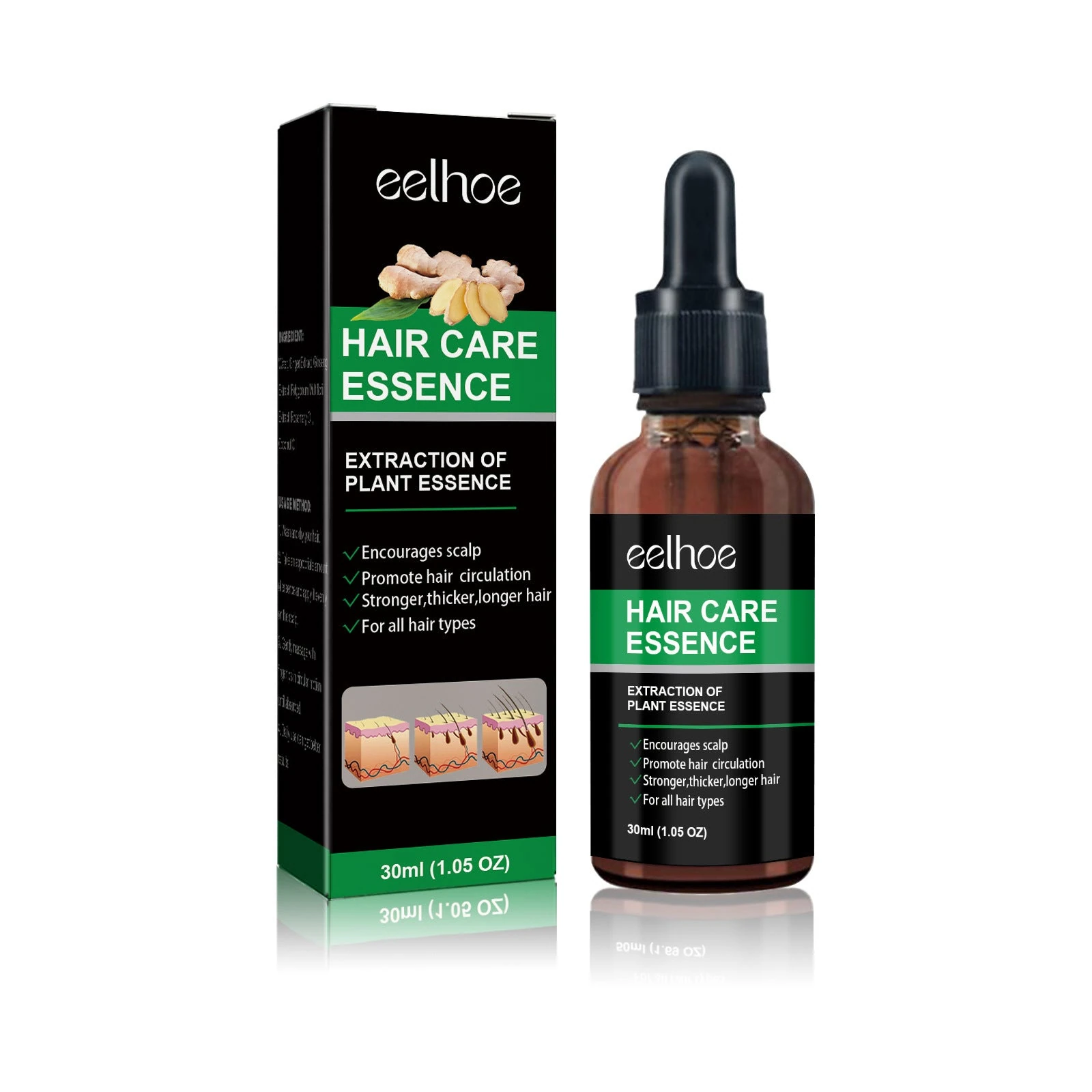
The essence contains ginger root oil within a water-based formula. That is different from buying a bottle of pure essential oil. Glycerin provides a concrete moisturizing ingredient to compare, while the dropper helps direct a small amount to the scalp. Use the finish on your own hair as the practical test: controlled placement matters more than saturating the roots or spreading scalp care through the lengths.
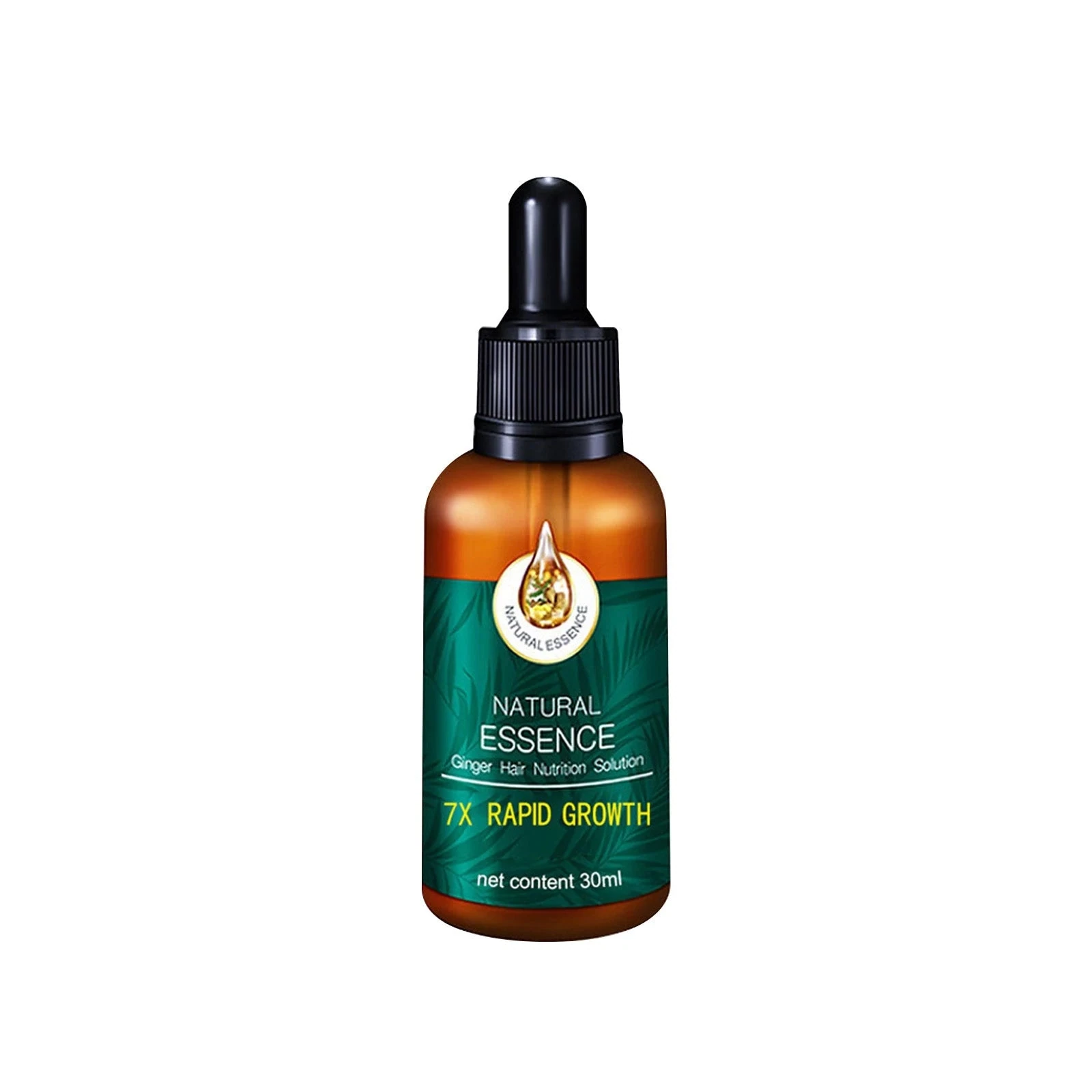
This oil blend gives you a different texture to compare with water-and-humectant formulas. It can feel more noticeable at the roots, so start sparingly and assess residue. The supplied guide does not establish an overnight treatment or a pre-wash soaking time. Botanical oils are still ingredients to check against personal sensitivities, even when you prefer an oil-based care routine.
Mistakes That Make Choice Harder
Do not equate tingling with improved circulation or new growth. Do not treat a participant percentage as a density percentage. Avoid copying a product’s study result onto a different formula merely because both contain caffeine, biotin or a botanical.
Do not buy a full routine before identifying the missing step. If the scalp is comfortable and the extra serum leaves residue, another leave-on may add work without a useful benefit. Simpler can mean fewer optional products while keeping required treatment intact.
Apply the Exact Formula as Directed
Parting helps product reach the scalp rather than coating the hair surface. Use gentle fingertip distribution if directed, and avoid scraping with the applicator. A pump and a dropperful are not standardized doses across brands.
The essence guide describes a small amount after washing and drying, massage and leave-in use, with daily application. The oil guide does not establish an overnight contact time or universal frequency. Follow the current bottle rather than importing another oil ritual.
Serum versus Oil Is a Texture Question
A serum can itself be oil-based, so the words are not mutually exclusive. Compare the complete formula and intended role. A richer feel can be desirable for one user and leave another user’s roots looking coated.
Do not assume an oil is more concentrated in a clinically effective ingredient or that a water-based serum is always fragrance-free. The label, actual amount and your experience of finish are more informative than the category name alone.
Evaluate the Result You Intended to Buy
For moisture, assess comfort and residue. For a dandruff treatment, assess the labeled symptom goal and follow-up guidance. For growth-related claims, look for a defined endpoint and product-specific evidence. Improved shine is not proof that hair count increased.
The AAD describes diagnosis as the starting point for hair-loss treatment. Seek advice for sudden patches, pain, inflammation or progressing loss rather than waiting through an arbitrary cosmetic timetable.
Frequently Asked Questions
Are all scalp serums left in?
No. Some are pre-shampoo products that rinse off. Read the exact directions before adding one to a nightly routine.
Can serum replace shampoo?
A leave-on does not automatically replace cleansing. Keep each product’s purpose and wash instructions clear.
Does a scalp serum work for everyone?
No. Formulas, concerns and tolerance differ. Choose by the actual need and evidence rather than a universal top pick.
Can I combine serum with a medicine?
Ask the pharmacist or clinician managing that treatment about the specific addition. Separate application times alone do not prove compatibility.
Match the formula and finish to a clearly defined care need.
Sources and Product Information
- AAD: Hair loss diagnosis and treatment — Official product or guidance page checked October 1, 2026; findings retain their product and population scope.
- AAD: Causes of scalp itch — Official product or guidance page checked October 1, 2026; findings retain their product and population scope.
- AAD: Dandruff care — Official product or guidance page checked October 1, 2026; findings retain their product and population scope.
- Nioxin US: Scalp Recovery Serum — Official product or guidance page checked October 1, 2026; findings retain their product and population scope.
GinGrowth product details were checked October 1, 2026. This guide compares published information and current product specifications; it does not report a GinGrowth clinical trial or personal use test.