
When searching for L’Oréal scalp serum, first identify the brand division, full product name and market. L’Oréal Paris/Elvive and L’Oréal Professionnel are not interchangeable product labels. Even within Elvive, a pre-shampoo scalp product and a leave-in hair moisturizer have different ingredients and instructions.
This guide helps you read the label and find the right comparison. The specific Elvive examples come from official US and UK pages verified September 30, 2026. They are examples of named products, not a claim that every L’Oréal serum contains the same ingredients.
What Is a Scalp Serum in This Context?
A scalp serum is a product intended for scalp application, but the category name does not tell you whether to rinse it off. Some products are pre-shampoo treatments; others remain on the scalp. Hair serums intended for lengths or ends are another category.
That distinction matters if your search began with a general question about “L’Oréal serum ingredients.” The answer changes with the product. A scalp exfoliant, a density-focused leave-on and a smoothing product can all appear in search results while answering different needs.
A useful first check is the back label: where to apply, whether to rinse, how much and how often. Do this before deciding that a serum belongs in a daily scalp routine.
What to Check When Comparing a L’Oréal Serum
Start with the division. If your bottle says Professionnel, locate that exact Professionnel product instead of borrowing an Elvive formula. This guide does not assign a universal Professionnel INCI list or dose. A question about its ingredients needs a named SKU and region to be answered accurately.
For a concrete Paris example, US Hyaluron + Pure lists salicylic acid, glycolic acid, HEPES and sodium hyaluronate in its published formula. The manufacturer describes a 6% Exfoliating Complex. That is a blend percentage, not a declaration of 6% salicylic acid.
The reviewed UK Growth Booster lists niacinamide, diaminopyrimidine oxide and ginger root extract among other ingredients, while US Plump has a different conditioning formula for dehydrated hair. Water, fragrance and texture ingredients are parts of the formula too. Compare the complete list, not only highlighted names.
If you are researching ingredient benefits for a hair type, first separate scalp needs from lengths. Oily roots can coexist with dry ends; adding more scalp product may not solve a hair-length conditioning problem. For a concise product-family comparison, see the Elvive serum guide.
For the separate leave-in product, the Elvive Growth Booster formula and evidence guide explains the UK version and the scope of its reported results.
Swipe the table sideways to compare all columns.
| Your decision | What to compare | Practical next step |
|---|---|---|
| Brand division | L’Oréal Paris / Elvive or L’Oréal Professionnel. | Do not transfer one division’s formula to another. |
| Full SKU name | Pure, Plump, Growth Booster or another named product. | Open the exact regional product page. |
| Application area | Scalp skin or hair lengths. | Place the product where its guide instructs. |
| Treatment step | Pre-shampoo, rinse-off or leave-on. | Confirm this before setting your routine. |
How to Use a Serum After Identifying It
Read the exact product directions in this order: application area, scalp or hair condition, amount, contact time and rinse instruction. The sequence prevents a common mistake—using a pre-shampoo like a leave-on simply because the package says serum.
The reviewed US Pure page says to section dry hair, apply before shampooing, massage and wait according to its instructions, then rinse and wash. UK Growth Booster describes daily scalp use with a measured dose and no rinsing. US Plump's guide ends a hair-hydration routine with the leave-in on towel-dried hair.
Those examples demonstrate different workflows rather than one recommended routine to combine. For the complete Pure sequence, use the Oil Erasing application guide. For a GinGrowth product, use its own instructions in the comparison below.
Parting the hair helps a scalp applicator reach the intended area. Gentle distribution helps avoid depositing most of the liquid on surrounding strands. Neither technique proves that every serum stimulates growth; it simply improves placement for the product you selected.
When a Lightweight Scalp Serum Is Worth Comparing
A water-based scalp essence may be relevant when your goal is a manageable moisturizing step. Compare its actual ingredient profile, dropper placement and finish. The GinGrowth 30ml essence contains glycerin and ginger root oil within a water-based format; the 40ml tonic has a different set of humectant and conditioning highlights.
They are useful everyday-care comparisons for that purpose, not replicas of an unnamed L’Oréal serum. If you specifically need exfoliation before washing, choose the appropriate step rather than assuming a light texture removes buildup. If you need care for frizzy ends, look at a product intended for the lengths.
For new or progressive thinning, the AAD recommends identifying the cause so treatment can match it. A convenient cosmetic routine and a treatment decision can coexist without being confused.
For readers who have narrowed the decision to a water-based leave-on for scalp care, review the 30ml Lightweight Scalp Serum with Ginger.
Compare a Clearly Identified Scalp-Care Format
Choose an optional everyday-care product by the task you need and the formula you prefer. The comparison below concerns cosmetic care, not proof that different products have identical treatment effects. GinGrowth sells the two products below.
Swipe the table sideways to compare all columns.
| Detail | 30ml Lightweight Scalp Serum with Ginger | 40ml Ginger Hair Tonic for Scalp & Roots |
|---|---|---|
| Format | Water-based dropper essence | Water-based dropper tonic |
| Ingredient highlights | Aqua, glycerin, ginger root oil, Polygonum multiflorum extract and hydroxyethylcellulose in the ingredient graphic. | Ginger extract, glycerin, sodium PCA and panthenol, alongside aqua, in the product artwork. |
| Application | After washing and drying, apply a small amount to the scalp, massage gently and leave in. The product guide describes daily use. | Part hair, apply a small amount, massage gently for 2–3 minutes and leave on. Follow the current bottle for frequency. |
| Reason to compare | Choose for a light moisturizing step and precise placement along a part. | Choose for a larger dropper format with humectant and conditioning ingredient highlights. |
View 30ml Lightweight Scalp Serum with Ginger or compare 40ml Ginger Hair Tonic for Scalp & Roots. Review the current product page for price and package details.
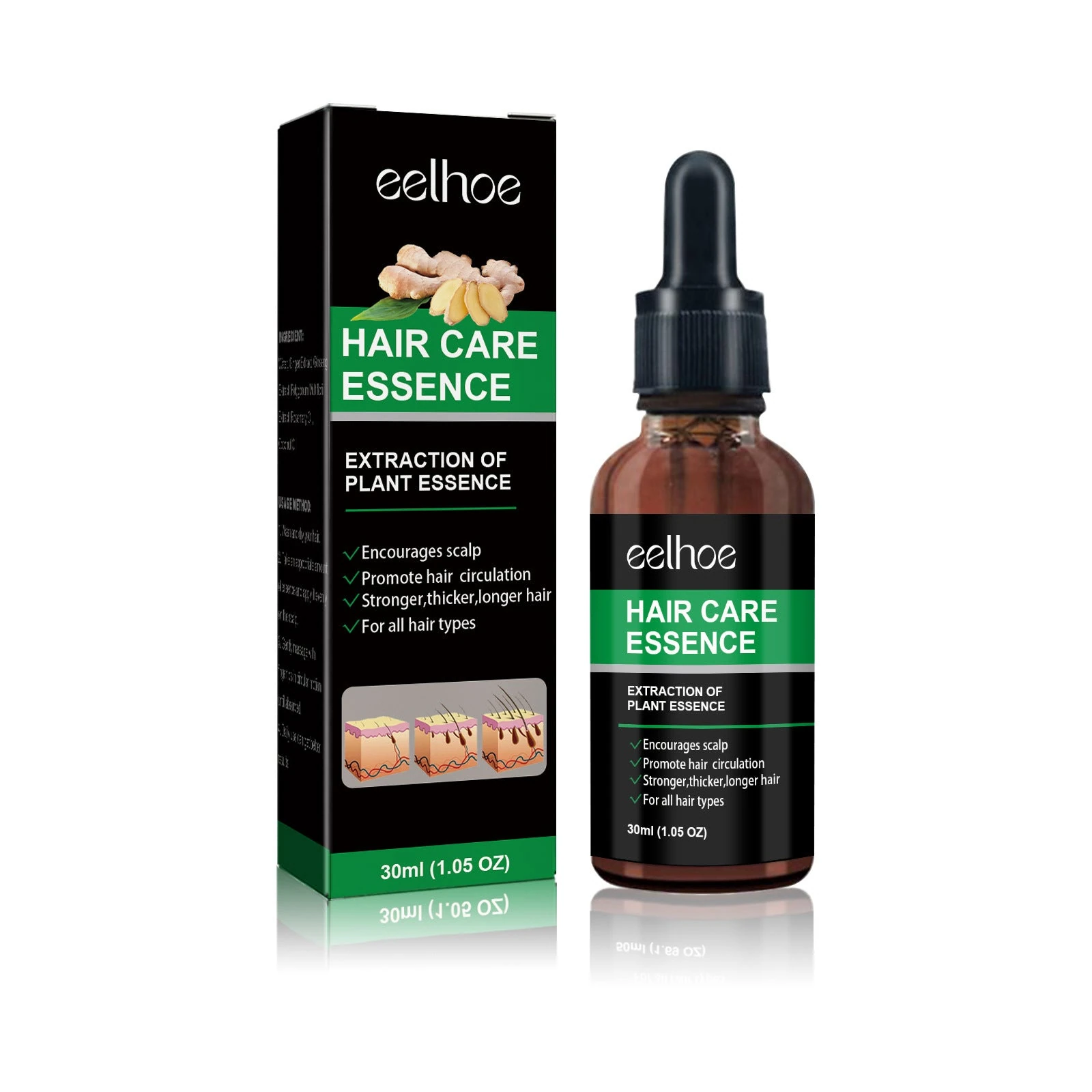
The essence contains ginger root oil within a water-based formula. That is different from buying a bottle of pure essential oil. Glycerin provides a concrete moisturizing ingredient to compare, while the dropper helps direct a small amount to the scalp. Use the finish on your own hair as the practical test: controlled placement matters more than saturating the roots or spreading scalp care through the lengths.
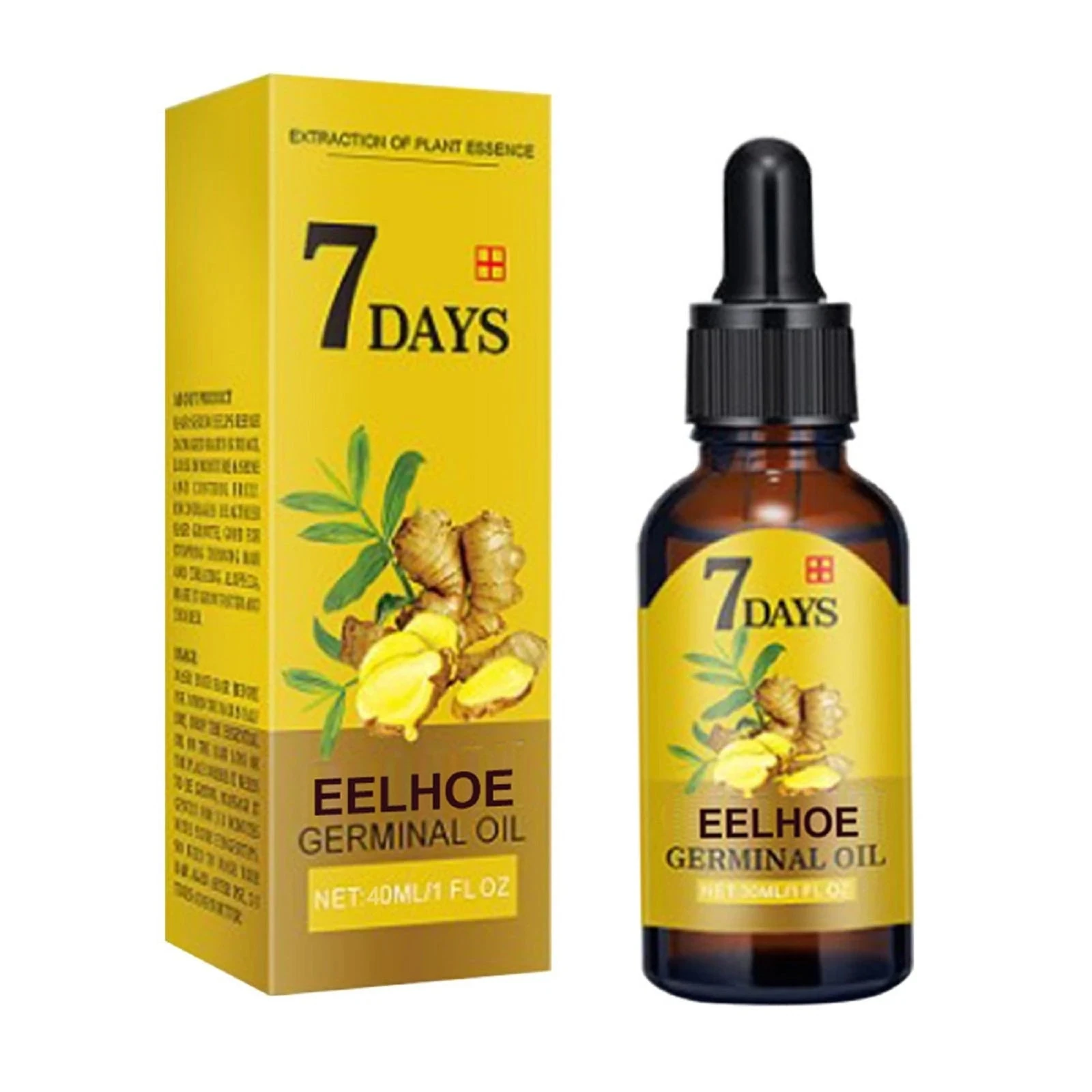
Glycerin and sodium PCA are moisture-binding ingredients, while panthenol is used for conditioning. The highlighted ingredient graphic is not a percentage breakdown. The word tonic describes this product choice; it does not establish a stronger concentration than the smaller essence. Compare the ingredients you prefer and whether direct dropper placement feels convenient in your routine.
Common Mistakes to Avoid
Copying ingredients across a brand. A large brand contains many formulas. Match the name and region before applying any ingredient claim.
Comparing different measurements. Pure's reported residue removal with a complete system is not a hair-growth measurement. Growth Booster's clinical and consumer statements have their own populations, routines and time periods. Keep those conditions attached to each result.
Equating botanical overlap with equivalence. Two products can contain ginger and still differ in concentration, texture and evidence. Compare whole formulas and their intended outcomes.
Assuming more is better. More liquid can create residue or exposure beyond the instructions. Use the actual label and do not mix products together to invent a stronger serum.
Frequently Asked Questions
What are the key ingredients in L’Oréal Professionnel hair serum?
There is no one ingredient list for the entire division. Use the exact product name and regional label. The Elvive examples here cannot be used as the formula for a Professionnel product.
How do I know whether it belongs on my scalp?
Check the application area in the directions. A hair-length moisturizer or finishing serum is not automatically a scalp product.
Are all L’Oréal scalp serums left in?
No. Hyaluron + Pure is an example of a pre-shampoo that rinses off. Read the exact instruction before scheduling use.
Does a product with ginger have the same result as another ginger serum?
No equivalence is established by that one ingredient. The full formula, amount, use and product-specific evidence determine the comparison.
Can I use a serum on color-treated hair?
Confirm the exact product's suitability and directions. Being applied near roots does not guarantee it never contacts the colored lengths.
Final Buying Checklist
Before buying, confirm the division, full SKU, market, application area, rinse requirement and current ingredient list. Then compare the claimed outcome and supporting conditions. If the product meets a separate everyday-care need, evaluate texture and applicator convenience as practical benefits. This process turns a vague brand search into a specific, reviewable choice.
Now that the application area and product type are clear, compare the 30ml scalp essence.
Sources and Product Information
- L’Oréal Paris USA: Hyaluron + Pure Oil Erasing Serum — Official page snapshot verified September 30, 2026; current package takes precedence.
- L’Oréal Paris UK: Elvive Growth Booster — Official page snapshot verified September 30, 2026; UK formula and claim scope.
- L’Oréal Paris USA: Hyaluron + Plump Serum — Official page snapshot verified September 30, 2026; a hair-length leave-in product.
- American Academy of Dermatology: Hair loss—Diagnosis and treatment — Clinical education, accessed October 1, 2026; treatment benefits apply to the specified treatment and cause.
GinGrowth product details were checked October 1, 2026. This guide compares published information and current product specifications; it does not report a GinGrowth clinical trial or personal use test.