
An ordinary shampoo can clean body skin in a pinch, but that does not make every shampoo a suitable everyday body wash. Check the intended use and ingredients, especially for medicated or specialty formulas. A product explicitly labeled for hair and body is the clearest option when you regularly want one bottle for both jobs.
The reverse swap also deserves care: a body wash may remove some surface dirt from hair, but it may not provide the cleansing and hair feel you want. Start with the exact bottle and the situation rather than assuming that anything that foams is interchangeable. Running out once is different from planning a permanent routine.
Shampoo vs body wash: what actually differs?
Both categories commonly use surfactants to help lift away oil and dirt so they can rinse off with water. Beyond that shared job, formulas differ. A shampoo may be designed around scalp oil, styling residue and how hair feels after washing. A body wash may prioritize spreading over body skin, rinsing and the after-wash skin feel.
It is too simplistic to say that every shampoo is harsher than every body wash or that the category name tells you its pH. There is variation within both groups. Conditioning ingredients, fragrance, cleansing systems and treatment actives all matter. An unmeasured pH claim about two unknown bottles is not a sound basis for a recommendation.
A 2-in-1 shampoo and conditioner is also not necessarily a hair-and-body cleanser. “Two in one” describes the two roles named on that particular label. Read the intended areas and directions before assuming the number means permission to use it anywhere.
On a small screen, swipe or scroll the table sideways to compare all columns.
| Product | Intended starting point | Before substituting |
|---|---|---|
| Ordinary shampoo | Scalp and hair cleansing | Check instructions, formula and skin tolerance |
| Body wash | Body-skin cleansing | Do not assume scalp or hair performance |
| Medicated or specialty wash | Its named treatment or specialty role | Follow the exact label or professional advice |
| Hair-and-body cleanser | Both areas explicitly named | Follow area restrictions and application directions |
Decide whether this is a simple swap or a specialty product
Begin by identifying the formula. A regular cosmetic shampoo is a different decision from a dandruff treatment, lice product, scalp exfoliant, color-depositing shampoo or prescription preparation. Those specialty products may have active ingredients, contact times and area restrictions that should not be generalized to a full-body wash.
Some medicated shampoos are directed for particular body conditions, but that use depends on the product and professional or label instructions. Do not turn that exception into advice to apply every medicated shampoo across the body. Ask a pharmacist or clinician if you are trying to treat a condition, rather than improvising from a Blog comparison.
Also consider the skin you intend to wash. Currently irritated, broken or very reactive skin is not a useful test area for a new substitution. If you have a condition with a prescribed wash routine, keep that plan separate. A cleanser that suits your scalp does not automatically suit every other area.
What to do if you run out during a shower
First check whether you have a suitable cleanser already labeled for body use, including a hair-and-body product. If not, avoid escalating to household detergents, dishwashing liquid or a stronger specialty product. The goal is ordinary personal cleansing, not finding the strongest available foam.
If you choose an ordinary shampoo for a one-off body wash and its instructions do not exclude that use, use it sparingly on intact external body skin, avoid the eyes and mucous membranes, and rinse thoroughly. Do not extend the contact time or scrub harder because it is the “wrong” category. Stop and rinse if discomfort develops.
Afterward, pat dry and use suitable, already tolerated body moisturizer if needed. If a reaction persists, seek advice. The AAD’s dry-skin guidance favors gentle cleansing, warm rather than hot water and appropriate moisturizing; it does not support aggressive washing to compensate for a substitution.
- Read the exact product identity and intended areas.
- Look for an available cleanser already labeled for body use.
- Keep medicated, specialty and prescribed routines separate.
- If making a suitable one-off swap, use gently and rinse thoroughly.
- Stop for discomfort and return to an appropriate regular cleanser.
Choose a dedicated body wash when that is the daily job
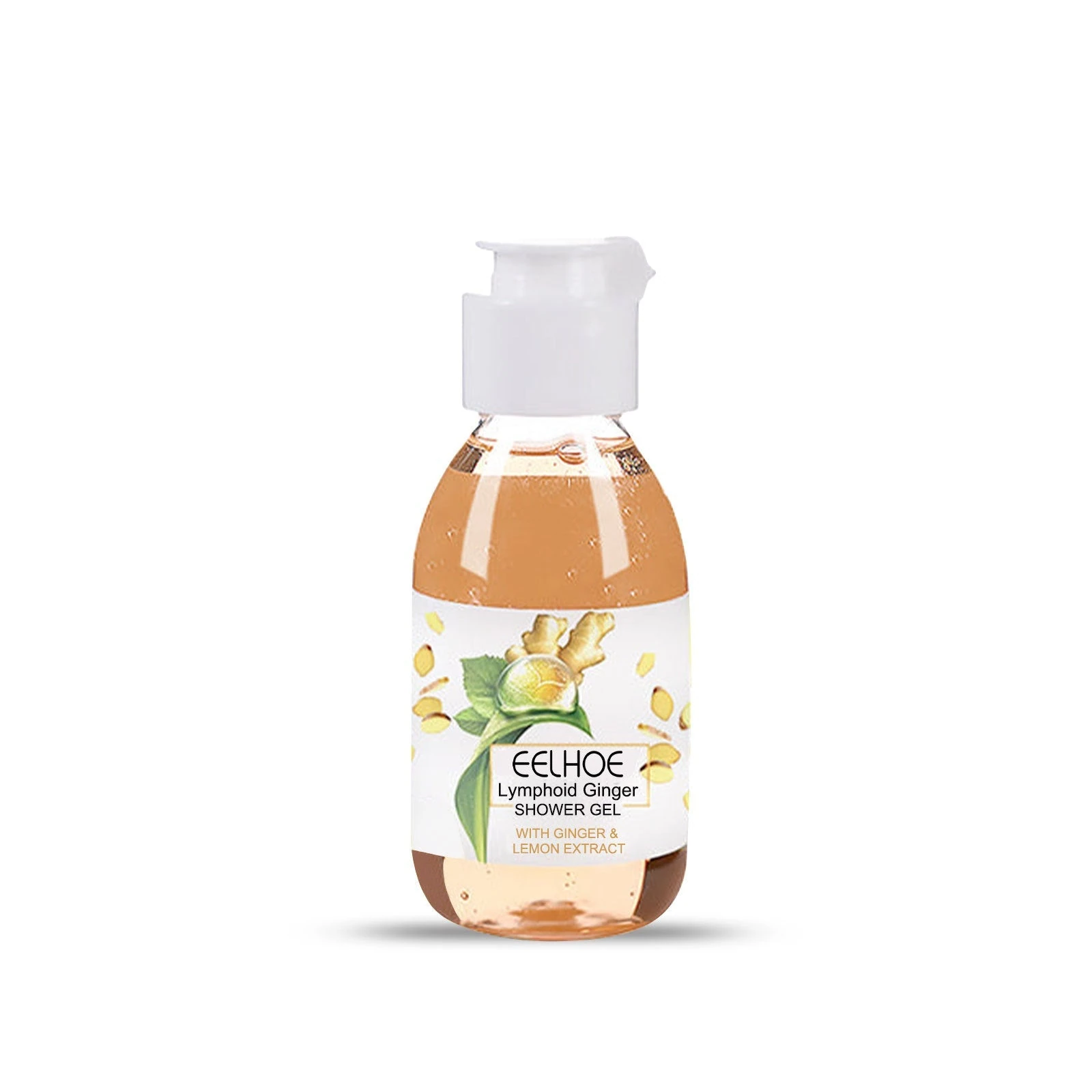
Our EELHOE ginger body wash is a 50ml liquid cleanser intended for wet body skin. Ginger, calendula and lemon appear in its ingredient artwork. It is a rinse-off shower product for everyday sweat and surface buildup, followed by a separate moisturizer if your skin needs one.
The practical reason to consider it is its stated body-washing role and small dispensing bottle. It is not a shampoo recommendation or a treatment for an irritated scalp. Check the full received label against your sensitivities rather than assuming botanical highlights mean that every person will tolerate it.
Can you wash your hair with body wash?
A body wash may clean some oil or dirt because it contains cleansing ingredients, but the finished formula may not be designed for scalp buildup, detangling or the feel of your lengths. Hair can feel different afterward, and the result depends on the product. A lathering body wash is not automatically equivalent to your usual shampoo.
If you have already made the swap once, rinse thoroughly and avoid repeatedly washing just to “correct” the choice. Use a suitable conditioner as directed if your lengths need it. Return to a hair cleanser that suits your routine at the next appropriate wash rather than adding harsh scrubbing or a second improvised treatment.
The AAD’s healthy-hair tips recommend concentrating shampoo on the scalp and choosing hair products for your hair needs. That separation is useful: the scalp-cleaning task and the body-cleaning task may share chemistry, but they do not always share the same best product.
On a small screen, swipe or scroll the table sideways to compare all columns.
| Situation | Check afterward | Regular routine |
|---|---|---|
| Shampoo used on body once | Comfort and complete rinsing | Choose a suitable body or hair-and-body cleanser |
| Body wash used on hair once | Rinsing and how scalp and lengths feel | Return to suitable shampoo and conditioner |
| Specialty wash considered for another area | Its exact label and professional guidance | Do not improvise a treatment |
| Repeated travel substitutions | Labels and the products you actually need | Pack an identifiable pair or an explicit multi-use formula |
Do not transfer one product’s contact time to another
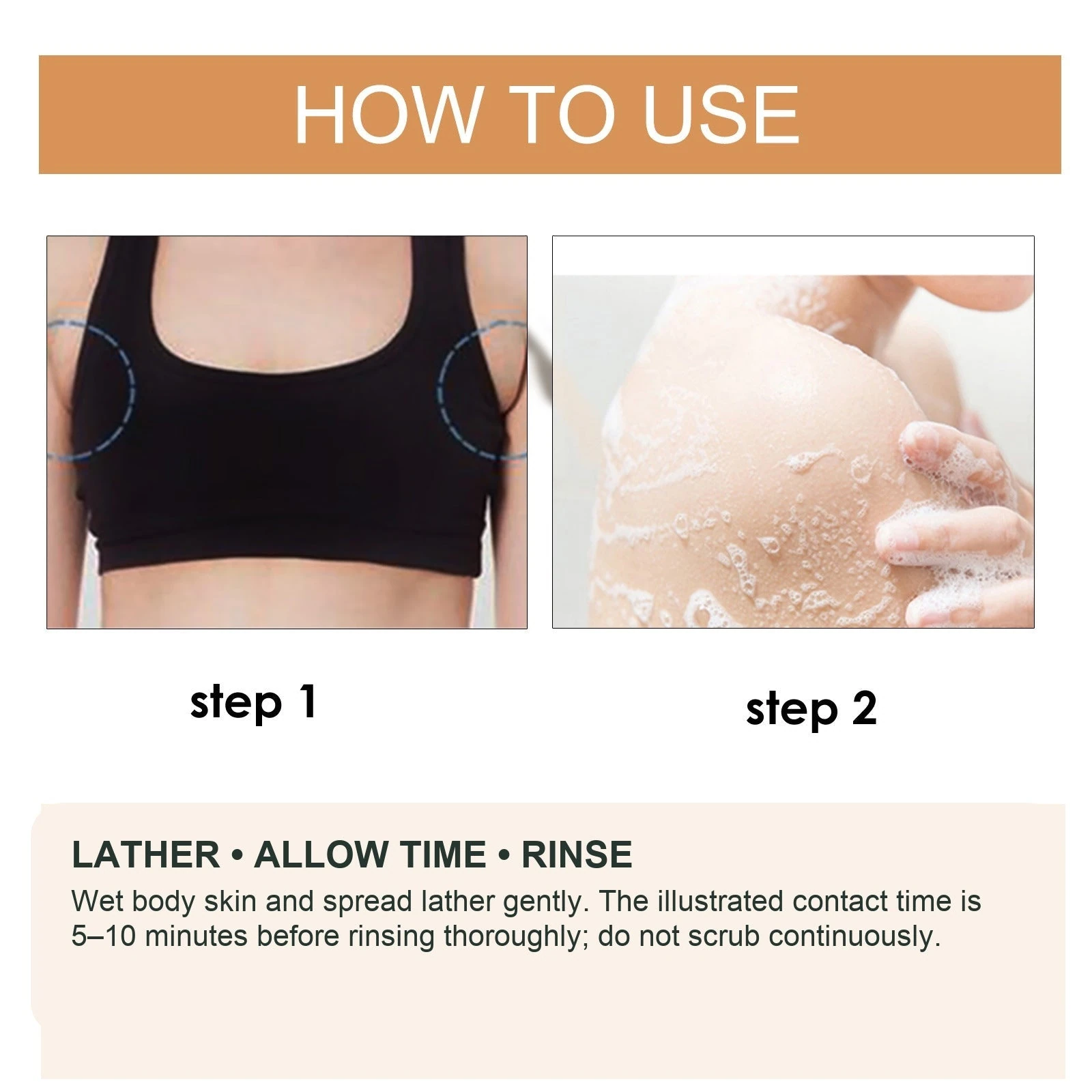
The current illustrated guide for our 50ml ginger body wash gives a 5–10-minute interval before rinsing. That is a product-specific contact instruction, not a universal body-wash rule and not a recommendation to scrub continuously. Review the received pack and current directions, apply gently and rinse if irritation occurs.
This detail matters because copying a routine across categories can create a bigger problem than a one-off swap. A treatment shampoo, ordinary cleanser and leave-on conditioner can each have different application and rinse instructions. Do not borrow the longest contact time and assume it improves all three.
If a product’s instructions are unclear or conflict with what you have been advised for your skin, ask before use. You can choose a different suitable cleanser with a routine that fits you. More minutes, more foam and more friction are not interchangeable measures of effective everyday washing.
Pack for travel without creating daily substitutions
For frequent travel or gym use, decide whether you genuinely want one product for both hair and body. If so, choose a formula explicitly labeled for those areas. If your scalp and body need different products, a compact pair may be more useful than forcing one bottle to do everything.
Keep each product identifiable. Similar unlabeled travel bottles make accidental swaps more likely and separate the contents from their directions and opening history. Do not combine shampoo and body wash in one container to save space unless the manufacturer specifically supports that use; the mixture has not inherited either product’s original instructions.
The 50ml body wash shown here is separate from our smaller pink-pump travel wash and from solid ginger soap. For the everyday liquid-versus-solid choice, use our bar soap versus body wash comparison. That decision is about the body-cleansing format, while this guide addresses substitution between hair and body products.
Make the regular routine easy to maintain
Keep the right cleanser within reach, store it as directed and replace it before an empty bottle repeatedly forces an improvised choice. If one product leaves your skin feeling tight or uncomfortable, review the formula, amount, water temperature and friction rather than blaming the category alone.
A suitable dedicated body wash can simplify the routine because its intended area and method are clear. It is still a cosmetic cleanser, so follow its directions and your own tolerance. Keep leave-on body creams separate from the rinse-off step, and avoid adding several new products at once when trying to identify the source of discomfort.
Questions about shampoo and body-wash substitutions
Can shampoo be used as shower gel?
An ordinary shampoo may serve as a temporary body cleanser, subject to its label and your tolerance. It is not a blanket recommendation for medicated, color-depositing or specialty shampoos. For regular use, choose an appropriate body cleanser or a product explicitly intended for hair and body.
Is body wash gentler than shampoo?
Not automatically. Cleansing ingredients, fragrance, treatment actives and the complete formula matter more than the category alone. Choose for your skin and scalp needs and follow the intended use. Avoid assigning a pH or gentleness ranking to a bottle without product-specific information.
Can conditioner replace body wash?
Ordinary conditioner is designed primarily for a conditioning role, not automatically for washing body skin. A slippery feel is not proof of cleansing. Use a suitable body cleanser, and treat any cleansing conditioner according to its own labeled purpose rather than extending its role to every body area.
Is the 50ml ginger body wash also a shampoo?
The verified product information describes a liquid wash for wet body skin, not a hair-and-body shampoo. Choose it for its stated rinse-off body-care role. Keep a suitable separate hair cleanser, or select a product explicitly labeled for both uses if that is your preference.