
It’s a 10 Scalp Restore is best approached as a conditioning routine with clearly separated wash and leave-in steps. The verified Miracle Scalp Leave-In is sprayed over strands and near the scalp, then distributed by massage and combing. It is not a dropper medicine, and its current retailer information contains ingredient conflicts that should be resolved against the supplied package.
Identify the Leave-In before Planning Wash Day
The current product page names Scalp Restore Miracle Scalp Leave-In, item 2597895. The Scalp Restore range also has a charcoal shampoo, which is a separate rinse-off product.
Write down which bottle you actually have. A search phrase such as scalp restore serum can obscure this distinction, and a shared range name does not make the products interchangeable. The application area and rinse instruction determine where each belongs in the routine.
Start with the Damp-Hair Instructions
The retailer describes application to damp hair after showering, with or instead of regular conditioner. It says to spray over strands and near the scalp, massage and comb or brush through.
This gives a sequence for distribution without prescribing an exact pump count. Match the amount and additional details on your own package. Do not convert a spray direction into a full-dropper or milliliter instruction borrowed from a different serum.
For the exact product and ingredient questions, the It’s a 10 Scalp Restore formula review identifies the verified spray and the conflicts in the retailer labeling.
Swipe the table sideways to compare all columns.
| Decision | Documented detail | Purchase implication |
|---|---|---|
| Wash step | Shampoo is a different product | Keep rinse instructions separate |
| Leave-in | Spray, massage and distribute | Use the amount specified on the package |
| Formula | Conflicting badges and precautions | Check the actual supplied package |
Distribute without Pulling at Tangles
The purpose of combing through a conditioning product is even distribution and easier handling. Work with the condition of your hair rather than using force on knots. Rough handling can create broken pieces that complicate any attempt to understand shedding.
If the scalp is sore or a style pulls, resolve that issue separately. A cosmetic leave-in cannot identify why the scalp is painful, and a cooling ingredient does not remove the source of mechanical tension.
If the concern is rough or fragile lengths, deep conditioning for thin hair explains rinse-out conditioning as a separate task from scalp treatment.
Understand the Dry-Hair Option
The checked directions also describe use on dry hair to tame flyaways. That is a styling use, not a second daily scalp dose or a recommendation to keep adding product until all visible texture disappears.
The combined finish depends on other styling products and how much is already present. Compare the result under similar conditions before deciding that a heavy feel means the product is unsuitable or that more must be applied to obtain its benefits.
For the separate everyday-care choice, review the 40ml Ginger Hair Tonic for Scalp & Roots.
Separate Leave-In Scalp Care from Rinse-Out Length Care
The tonic and conditioner have their own roles and directions, without It’s a 10 equivalence claims. GinGrowth sells the two products below.
Swipe the table sideways to compare all columns.
| Detail | 40ml Ginger Hair Tonic for Scalp & Roots | Ginger Conditioner for Dry Damaged Hair |
|---|---|---|
| Format | Water-based dropper tonic | Rinse-out conditioning cream in a jar |
| Ingredient highlights | Ginger extract, glycerin, sodium PCA and panthenol, alongside aqua, in the product artwork. | Aqua, cetrimonium chloride, dimethicone, 1,2-hexanediol and ginger root oil in the ingredient artwork. |
| Application | Part hair, apply a small amount, massage gently for 2–3 minutes and leave on. Follow the current bottle for frequency. | After washing, gently remove excess water, distribute through dry-feeling lengths and ends, then rinse thoroughly. Follow the jar for any waiting time. |
| Reason to compare | Choose for a larger dropper format with humectant and conditioning ingredient highlights. | Choose for slip, softness and easier handling of dry lengths. |
View 40ml Ginger Hair Tonic for Scalp & Roots or compare Ginger Conditioner for Dry Damaged Hair. Review the current product page for price and package details.
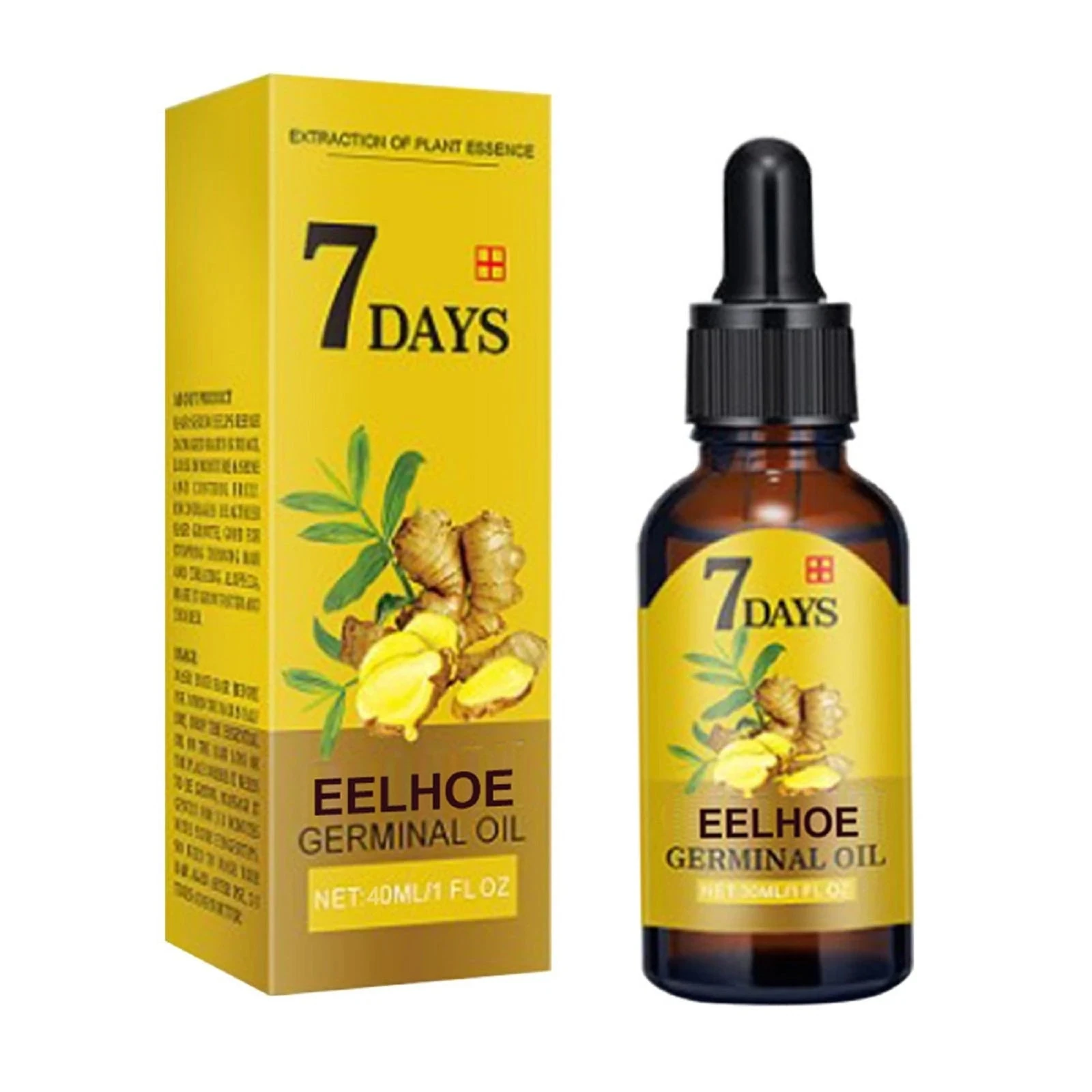
Glycerin and sodium PCA are moisture-binding ingredients, while panthenol is used for conditioning. The highlighted ingredient graphic is not a percentage breakdown. The word tonic describes this product choice; it does not establish a stronger concentration than the smaller essence. Compare the ingredients you prefer and whether direct dropper placement feels convenient in your routine.
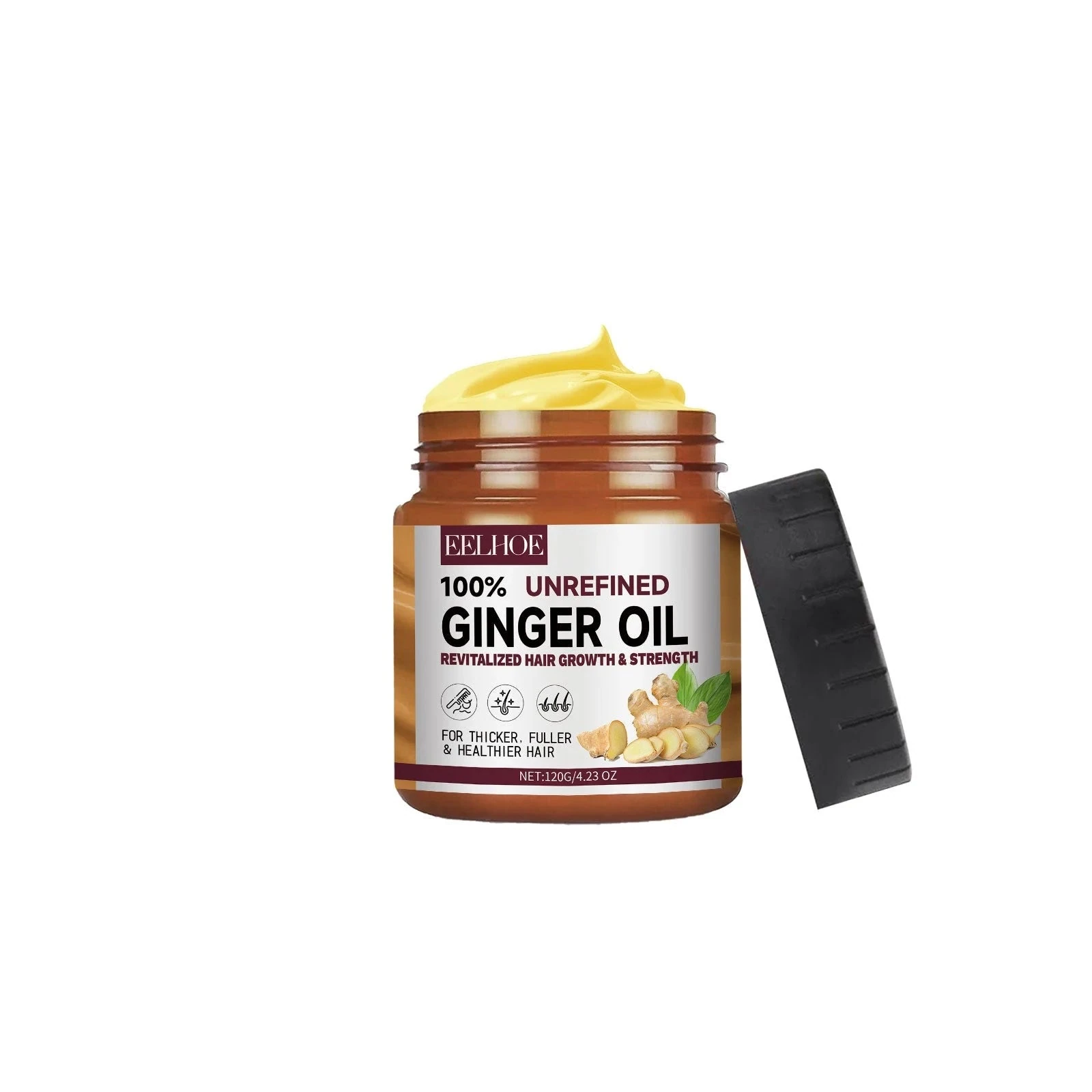
This is a finished conditioner, even though the front artwork uses the words Ginger Oil. Cetrimonium chloride and dimethicone are concrete conditioning ingredients to compare. The supplied directions do not establish a fixed waiting time or an overnight treatment. Some range images show ginger and rosemary jars together; the listing is for the ginger conditioner rather than a two-jar set.
Keep the Benefits Connected to Existing Hair
The retailer lists shine, detangling, frizz control, natural body, reduced oiliness and help preventing split ends. These are useful cosmetic outcomes involving the hair and its appearance.
They do not establish a quantified follicle-regrowth result. A fuller-looking style can be a successful styling outcome without being a change in the number of growing hairs. No numerical hair-growth study for this exact finished product is established in the retrieved page.
Check the Ingredient Conflict before Purchase
Highlighted ingredients include Seascalp, raspberry seed oil, eucalyptus and panthenol. The list also contains conditioning agents, silicones, menthol and botanical oils. These details support reviewing formula preferences, not guessing undisclosed percentages.
The same retailer page displays vegan and paraben-free features while giving a fish-or-shellfish-derived ingredient precaution and listing methylparaben, propylparaben and ethylparaben. Ask the brand about the exact current package if those properties matter to you. Choosing one badge and ignoring conflicting details would not resolve the question.
Compare a Rinse-Out Length Step Separately
The store’s conditioner below is used on lengths and rinsed out. Its instructions remain rinse-out instructions even though the It’s a 10 product has a leave-in role. The store’s tonic is a separate scalp-moisture step.
GinGrowth sells both options. They are included to help identify the missing care step, without asserting that their formulas or results match the Scalp Restore range. Use the product-specific application area at every stage.
Simplify the Routine When Troubleshooting
Keep a record of the shampoo, conditioner, leave-in and styling layers used on a day when the finish or comfort changes. A product used together with several new treatments is difficult to evaluate in isolation.
Stop a new product that worsens irritation and obtain advice for persistent symptoms. Do not rely on tingling, strong scent or the word miracle as proof that the formula is working as intended.
Keep a Hair-Loss Question Separate
The AAD explains why the cause of hair loss guides treatment. Progressive thinning, sudden patches and ongoing scalp inflammation are not resolved by choosing a more convenient styling spray.
Bring the actual bottle and a timeline to an assessment if necessary. This helps distinguish a product reaction, broken lengths and a separate pattern of loss without assuming they all share one cause.
Frequently Asked Questions
Should the leave-in be rinsed out like the range's shampoo?
No. They are separate products. Follow the current leave-in package and keep the shampoo's rinse step separate.
Does dry-hair use mean a twice-daily growth regimen?
No. The documented dry-hair use is for flyaways, not a clinical dosing schedule.
Can I resolve the allergy question from the vegan badge?
The retrieved listing conflicts. Obtain clarification about the exact supplied product rather than relying on that badge alone.
Build the Routine around a Clear Result
Choose the leave-in for a documented conditioning or styling goal, confirm its current ingredients and use it at the correct step. Judge shine and manageability as those outcomes. If the unresolved question is scalp disease or continuing hair loss, the next useful action is assessment rather than another styling layer.
Choose the care role and formula that match your routine.
Sources and Product Information
- It's A 10 - Scalp Restore Miracle Scalp Leave-In | Ulta Beauty — Checked October 1, 2026. Retailer information is identified as such; match the current package and regional version.
- AAD: Hair loss diagnosis and treatment — Guidance checked October 1, 2026; not a trial of the cosmetics compared here.
GinGrowth product details were checked October 1, 2026. This guide compares published information and current product specifications; it does not report a GinGrowth clinical trial or personal use test.