
To wash oil out of hair, wet the scalp and hair thoroughly, work shampoo gently through the oily areas, and rinse well before deciding whether another small wash is necessary. Condition dry-feeling lengths afterward. The aim is to remove an unwanted coating while keeping the scalp comfortable, rather than washing until every strand feels squeaky.
A little too much pre-wash oil can leave roots flat or lengths separated into greasy sections. Coconut oil, castor oil and a prepared scalp blend can also behave differently. This guide gives you a practical recovery routine and explains where two shampoos sold by GinGrowth fit. They are everyday cleansing options, not products with a verified one-wash removal result for every oil.
First work out where the oil is sitting
Look at the roots, middle lengths and ends separately. Oil deliberately applied along the hair is a different problem from a scalp that becomes oily between washes. If you only overloaded the ends, repeatedly scrubbing the scalp adds work without addressing the main coating. If the roots are coated, start the cleansing there and handle the lengths gently.
Check the oil bottle, too. Some products are pre-wash treatments; others are leave-on scalp products with a small directed amount. A general internet oiling routine should not replace the instructions for your bottle. There is no reason to turn a product intended for a few parted scalp sections into a full-head overnight soak unless its directions support that use.
If loose oil is visibly sitting on the surface, gently press with an absorbent towel before showering. Avoid vigorous rubbing or pulling a towel down tangled hair. This is simply a way to lift obvious excess; it does not replace shampoo, and you do not need to keep blotting until the hair feels dry.
A gentle wash sequence for excess oil
- Check where excess oil is sitting and gently lift visible excess without scrubbing.
- Wet your scalp and hair thoroughly with comfortably warm water.
- Lather shampoo in your palms and work gently over the oily scalp; address coated lengths carefully.
- Rinse thoroughly, separating dense sections so water reaches the roots.
- If a clear oily coating remains, reassess before a small targeted repeat.
- Condition the lengths as needed, rinse and dry gently.
The American Academy of Dermatology’s healthy-hair guidance recommends concentrating shampoo on the scalp to remove buildup and excess oil, with conditioner used according to hair type. When an applied oil is coating the lengths as well, address those areas gently instead of assuming scalp-only lather will always remove everything.
Give water a chance to reach the whole scalp. Dense hair can look wet on the outside while sections underneath are less thoroughly wetted. Use your fingers to separate sections gently, then distribute the shampoo rather than leaving one large deposit at the crown. Follow the shampoo's own starting-water directions.
During rinsing, direct water through the roots and coated sections. Residue left because a section was missed can feel like a shampoo failure. Rinse before adding more cleanser, and avoid piling the lengths onto your head, where rubbing can create tangles. Lukewarm water and gentle handling are preferable to trying to melt away an oily feeling with very hot water.
On a small screen, swipe or scroll the table sideways to compare all columns.
| Situation | Gentle next step | Avoid |
|---|---|---|
| Visible excess before washing | Lift loose surface oil with a towel, without rubbing | Adding more oil to loosen it |
| Oily roots | Wet thoroughly; distribute shampoo over the scalp | Scratching with nails |
| Heavy coating on lengths | Gently work cleanser through the coated area | Piling and tangling hair on top of the head |
| Oil remains after rinsing | Reassess; repeat a small wash only where needed | Repeated whole-head stripping |
| Rough-feeling ends | Condition the lengths after cleansing | Skipping conditioner to chase a squeaky finish |
| Next oiling session | Use less and follow the exact product directions | Assuming every oil is an overnight treatment |
Should you put shampoo on dry hair to remove oil?
For GinGrowth’s two 100ml ginger shampoos in this guide, wet the hair and scalp first. Both current product methods call for wet hair, lather made in the palms, gentle cleansing and rinsing. A dry-hair technique shown for another shampoo does not replace those directions, and this comparison does not establish that dry application works better for either bottle.
If your own shampoo explicitly directs a different starting method, follow that product’s instructions. The useful check is the bottle you will actually use, not whether a video labels one technique the only way to remove oil. For the two wet-hair options below, start by thoroughly wetting dense sections, distribute the lather where the oil sits and reassess only after rinsing.
When a second shampoo makes sense
For help adjusting the portion without chasing foam, see how much shampoo to use.
A second small wash may be useful if the first rinse leaves an obvious oily coating. It is a decision after rinsing, not a compulsory two-wash rule. Consider where the remaining oil is, whether the first shampoo reached that area, and whether the scalp still feels comfortable. More foam is not a reliable measurement of how much oil has been removed.
If only a small section remains coated, focus there rather than repeating an aggressive whole-head routine. Stop chasing a completely stripped feeling. Stinging, increasing tightness or a rough scalp are reasons to stop and reassess, not signals that a stronger wash is working. If you regularly need many washes after oiling, reduce the next application or reconsider whether that particular oil fits your routine. Persistent scalp discomfort, sores or unusual shedding deserve individual assessment rather than repeated stronger washing.
You can also judge the result after gentle drying. Wet hair naturally clumps together, so clumping alone is not proof of a greasy film. Look for the combination of persistent oily feel, visible separation and the way the roots sit once dry. Avoid adding a new leave-on oil immediately just to smooth hair that feels rough after repeated cleansing.
What changes with coconut oil or castor oil?
The core process remains gentle shampooing and thorough rinsing. The amount used and the area covered matter as much as the oil name. A generous application along dense hair can be harder to distribute cleanser through than a few drops on a small section. There is no supported universal number of washes for coconut oil or castor oil.
For a heavy or thick coating, work in manageable sections so you can reach it without pulling. Do not add more oil in an attempt to dissolve what is already there. If your product is a blend, read its full directions rather than treating the highlighted botanical as the whole formula. A bottle featuring ginger or rosemary can contain a substantial mineral-oil or other carrier base.
Avoid household degreasing shortcuts such as dishwashing liquid or improvised baking-soda washes. These are not necessary steps in this routine. Likewise, dry shampoo may change the appearance of oily roots temporarily, but it does not perform the rinse-off cleansing described here. Our shampoo powder versus dry shampoo guide explains why similar names can refer to different wash routines.
Choosing a shampoo for the next wash
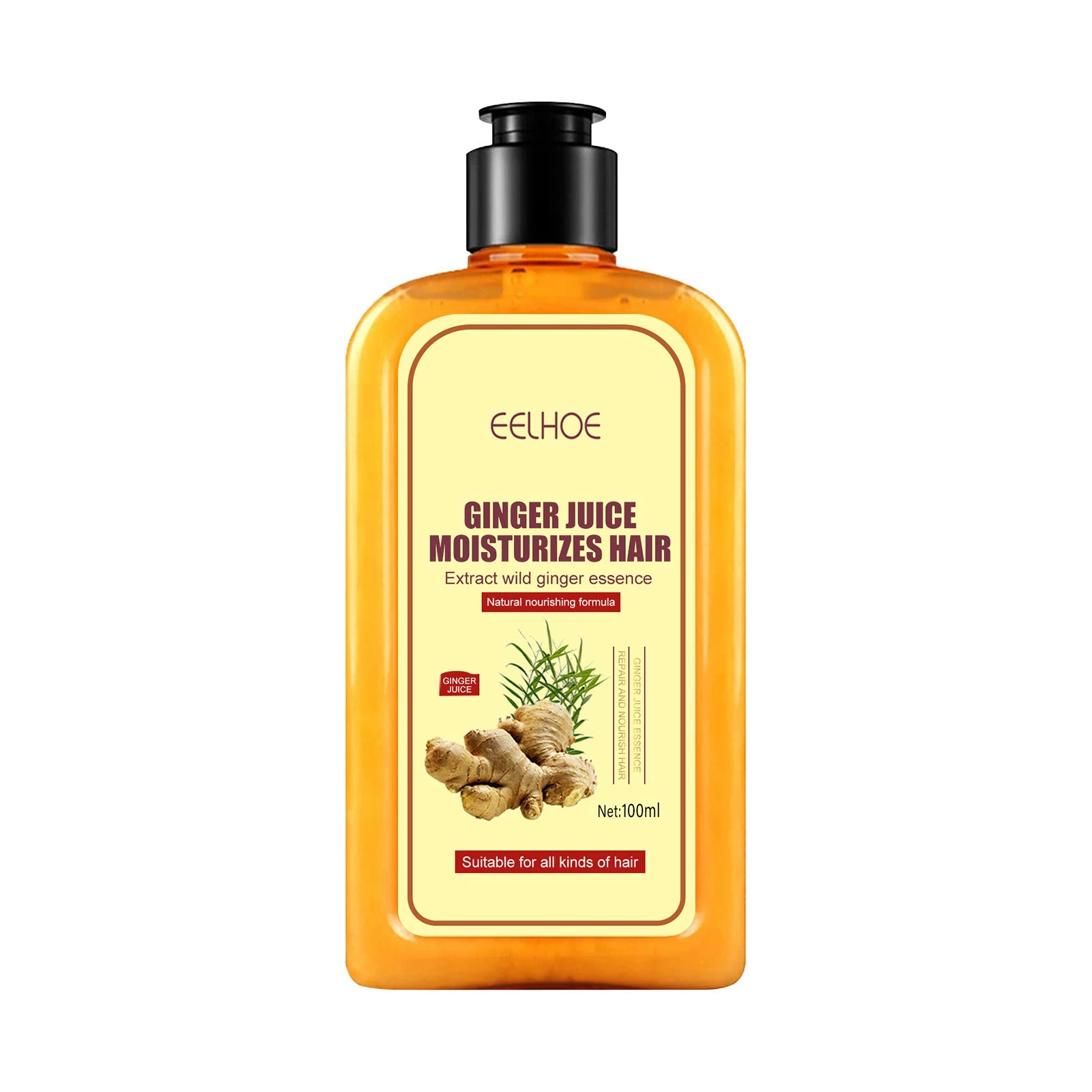
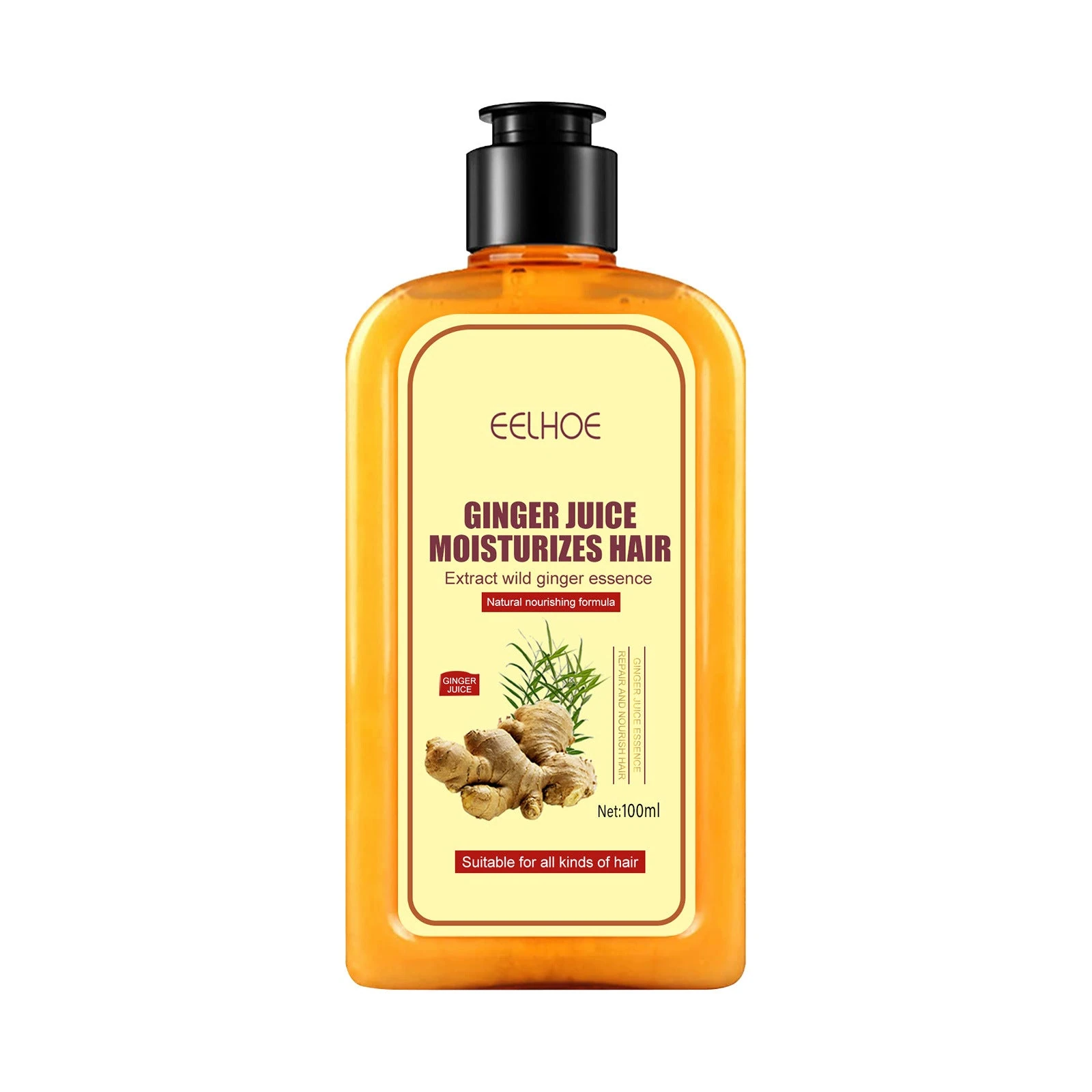
The 100ml ginger shampoo is a flip-top liquid with ginger, coconut oil and Polygonum multiflorum among its highlighted ingredients. Its directions use wet hair and scalp, palm-made lather, gentle fingertip cleansing and a thorough rinse. That makes its application method easy to place in this wash sequence, without claiming that its botanical ingredients guarantee complete removal of a particular oil.
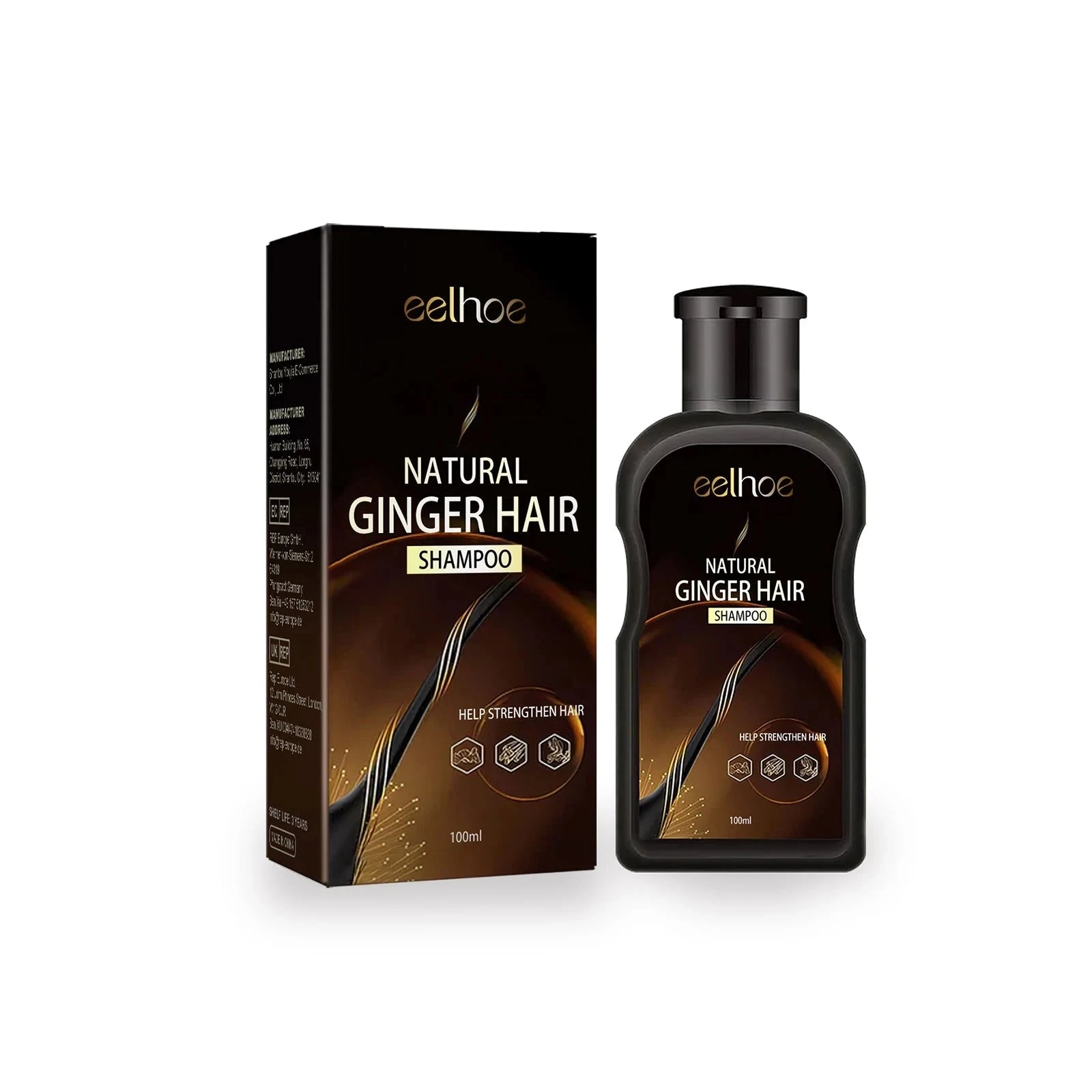
The separate 100ml ginger hair shampoo comes in a black bottle and highlights ginger and lemon. It also follows a wet-roots, lather-and-rinse method. Choose between the bottles by the current ingredient information and the routine you prefer. Neither is described here as a verified clarifying shampoo, a medicated treatment or a formula with a known comparative cleansing strength.
Keep the lengths comfortable after cleansing
Removing an oily coating and caring for dry ends are separate jobs. After rinsing shampoo, use a suitable conditioner on the areas that need it. Fine or straight hair may need conditioner mainly at the ends; dry or curly hair may need more coverage through the lengths. Avoid treating conditioner as a mistake just because the wash began with too much oil.
Gently blot with a towel or T-shirt and detangle carefully. Rough towel rubbing can make the hair harder to manage even when the oil has been removed successfully. If oily roots and rough ends are your usual pattern rather than an occasional oiling accident, use the oily-roots, dry-ends routine to separate scalp cleansing from length conditioning.
For the next application, change one variable: use less of the same suitable product, apply to a smaller intended area, or follow a different labeled wash schedule. Changing the oil, shampoo, conditioner and styling products all at once makes it difficult to understand which adjustment helped. Note how the roots feel after drying and how easily the next wash removes residue.
Before your next wash, compare the two shampoo options above and check the wet-hair directions for the bottle you choose.
Sources and product information
General cleansing and conditioning guidance comes from the American Academy of Dermatology’s healthy-hair resource linked above. Product sizes, highlighted ingredients and directions were checked against the current GinGrowth listings on October 17, 2026. This is a routine guide with our store’s product examples, not a comparative cleansing trial.