
Yes, shampoo can expire or deteriorate. Check the expiry date and any period-after-opening instructions on the exact bottle, then consider how it was stored and whether its smell, texture or appearance has changed. An unopened bottle is not automatically good forever, and an ordinary shampoo without a printed date is not evidence of unlimited shelf life.
The useful question is whether the bottle in your shower is still suitable to use. This guide covers ordinary liquid shampoo and conditioner together, with a separate check for medicated products. It will help you distinguish a label date from an opening date, assess a forgotten travel bottle and decide when to contact the manufacturer instead of guessing a universal number of months.
How long does shampoo last?
There is no single shelf life that applies to every shampoo. Formula, packaging, storage and handling all matter. The FDA explanation of cosmetic shelf life describes how moisture, heat, air and changes in preservatives can affect a cosmetic over time. That is a reason to use the manufacturer's information for your exact product rather than borrowing another brand's timeline.
Ordinary shampoo is usually sold as a cosmetic in the United States. FDA says U.S. cosmetics do not have to display a specific shelf life or expiration date, although manufacturers remain responsible for product safety. This does not mean that the shampoo never expires. Requirements differ across markets, so treat a general U.S. explanation as context, not as a reason to ignore a date on your own bottle.
An expiry date and an opening-period instruction answer different questions. A printed expiry describes the manufacturer's limit under its stated conditions. An open-jar symbol such as 12M describes a period after opening where that symbol is used. The number is an example of a label, not a recommended lifetime for every shampoo. Follow all applicable limits and storage directions.
On a small screen, swipe or scroll the table sideways to compare all columns.
| Label detail | What it means | What to do |
|---|---|---|
| Expiry date | A stated product limit under its conditions | Follow it together with storage and opening instructions |
| Open-jar period | A labelled period after opening | Record when you opened this bottle |
| Manufacturing date | When the batch was made | Do not invent an expiry from it |
| Batch code only | Production identification | Ask the manufacturer to interpret it |
| Drug Facts panel | A medicated-product label check is needed | Read its expiry and treatment instructions |
A practical check for the bottle you own
Start with the base, back label, cap area and any outer carton. A manufacturing date tells you when a batch was produced; it does not, by itself, tell you when to discard the bottle. A batch code identifies production information, but it may need the manufacturer to interpret it. Do not rely on an unofficial batch-code website as proof that a product is safe.
If the bottle has no readable date, collect a photo of the label and batch code, the approximate purchase and opening dates, and the storage history. Ask the seller or manufacturer for the applicable expiry and opening-period guidance. If the opening date is completely unknown and the bottle has spent a long time in a hot or wet place, replacing it is more sensible than trying to prove its condition by washing your scalp with it.
- Read the bottle and carton for dates, opening periods and storage directions.
- Identify whether it is an ordinary or medicated shampoo.
- Recall opening and storage history; do not replace uncertainty with a guessed date.
- Compare condition with its normal state and stop if changes are concerning.
- Ask the manufacturer with label photos, or replace a questionable bottle.
Take this opportunity to separate your current wash bottle from backups. Write the opening date on a small label where shower water will not erase it. The date is a tracking aid, not a new expiry date. Keep the original printed information visible and retain the carton if it contains instructions missing from the bottle.
Changes that matter, and changes that need context
An unusual smell, unexpected separation, persistent new lumps, a marked color change or visible growth calls for stopping use and checking the product. FDA explains that emulsions can separate and that temperature, sunlight and air can change color, texture and smell. A familiar fragrance becoming less noticeable is not a precise clock, but a distinctly abnormal odor should not be covered up with added fragrance.
Not every variation proves spoilage. Some formulas naturally look pearly, some are transparent, and some are designed to be shaken. Compare the bottle with its normal appearance and its own directions. If the label does not instruct you to shake it, do not assume that shaking a newly separated product restores its quality. Appearance also cannot establish microbiological safety: a bottle may look ordinary without being suitable for continued use.
Do not add water to thin a thickened shampoo or to make the last portion stretch. This changes the formula and introduces another opportunity for contamination. Do not pour leftover old shampoo into a new bottle. You lose the new bottle's clear history and mix products or batches whose preservation and compatibility have not been checked together.
On a small screen, swipe or scroll the table sideways to compare all columns.
| Observation | Avoid | Better next step |
|---|---|---|
| Unclear date or code | Inventing a standard shelf life | Ask with photos and purchase/opening history |
| Unexpected smell or separation | Masking it or shaking away the concern | Stop use and check the manufacturer’s guidance |
| Water added to the bottle | Treating it as the unchanged original formula | Replace rather than continue diluting |
| Normal appearance past expiry | Using smell as a safety certificate | Follow the labelled limit |
Does conditioner expire too?
Yes. Conditioner also needs its own label and storage check. Its creamy feel does not give it the same shelf life as the shampoo sitting beside it. You may open the bottles on different dates and use them at different rates, especially if conditioner goes only through longer or drier lengths. Track each one separately.
A conditioner can also change in smell, texture or consistency. Do not diagnose it by comparing it with shampoo: they have different jobs and may have very different normal appearances. Conditioner that suddenly looks separated or feels unusually grainy deserves a check against its usual state and the manufacturer's instructions. An unopened spare still needs its printed expiry and storage history considered.
If your main problem is that the shampoo runs out much faster, that is a portion and routine question. Our guide to how much shampoo to use explains how to adjust a wash without chasing foam. It does not change either product's expiry instructions.
Medicated shampoo needs a separate label check
A shampoo sold to treat dandruff or another condition may be regulated as a drug, or as both a cosmetic and a drug, depending on the product and market. Read the Drug Facts panel and expiry date when present. FDA distinguishes these products from ordinary cosmetics and explains that drug products are subject to stability and expiration requirements.
Do not transfer an ordinary cosmetic's missing-date explanation to a medicated shampoo. If its expiry has passed, ask a pharmacist or the manufacturer about replacement rather than increasing the amount or contact time. An old bottle should not become a reason to improvise treatment for a persistently itchy or inflamed scalp.
Store shampoo for the bathroom you actually use
Close the cap after dispensing and keep the opening out of the direct shower stream. Store backups away from sunlight, heaters and a hot car. A shelf that avoids repeated soaking is more useful than leaving every bottle on the shower floor. Follow any temperature instructions printed on the product rather than assuming refrigeration extends its life.
For travel, use a clean, dry container intended for cosmetics, label its contents and opening or filling date, and carry the product information with you. Filling a travel bottle does not restart the original product's age. Avoid repeatedly topping up a partly used container. If you cannot tell what is in an old travel bottle or when you filled it, guessing from its scent is not a reliable identification method.
Frequently asked questions
Can you use expired shampoo if it smells normal?
A normal smell cannot confirm that an expired shampoo remains suitable. Follow the stated expiry and opening limits. If there is uncertainty about a code or the meaning of a printed date, ask the manufacturer with a label photo rather than treating a smell check as a safety test.
Does unopened shampoo expire?
An unopened bottle can still deteriorate. Check its printed date and storage instructions, and consider whether the packaging was damaged or exposed to heat. Being sealed avoids some handling exposure, but it does not cancel formulation aging or create an indefinite shelf life.
Is the date on the shampoo the expiry date?
Not always. It may be a manufacture date, batch code or expiry date. Look for an accompanying label such as EXP or MFG and any explanation on the packaging. If the meaning is unclear, ask the manufacturer instead of calculating an expiry from an assumed lifespan.
Does old shampoo cause hair loss?
An old bottle alone does not establish the cause of shedding. Stop using a product that seems deteriorated or causes irritation. Persistent shedding, scalp pain or inflammation deserves assessment rather than assuming that replacing shampoo will solve the problem.
Choose a replacement by its routine role
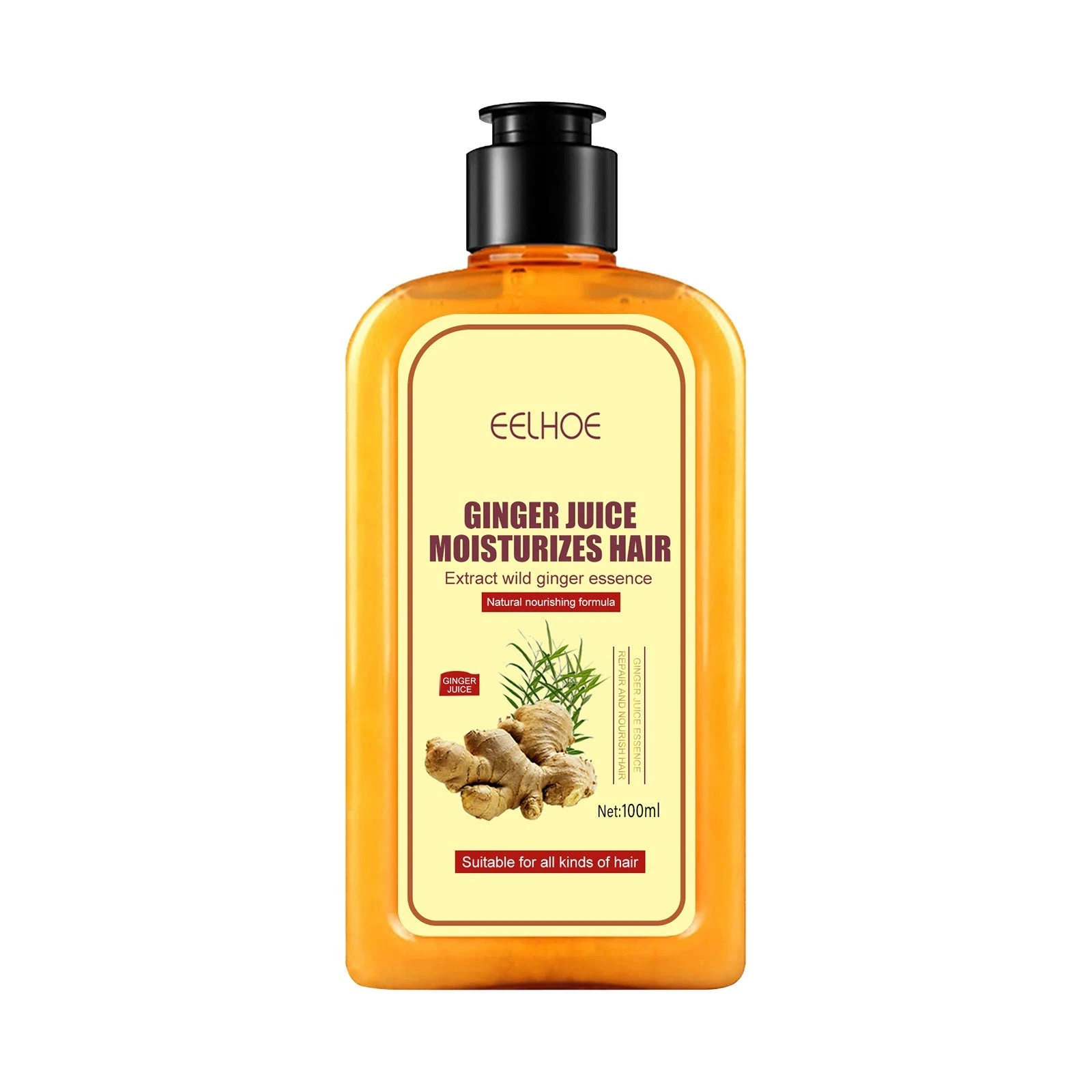
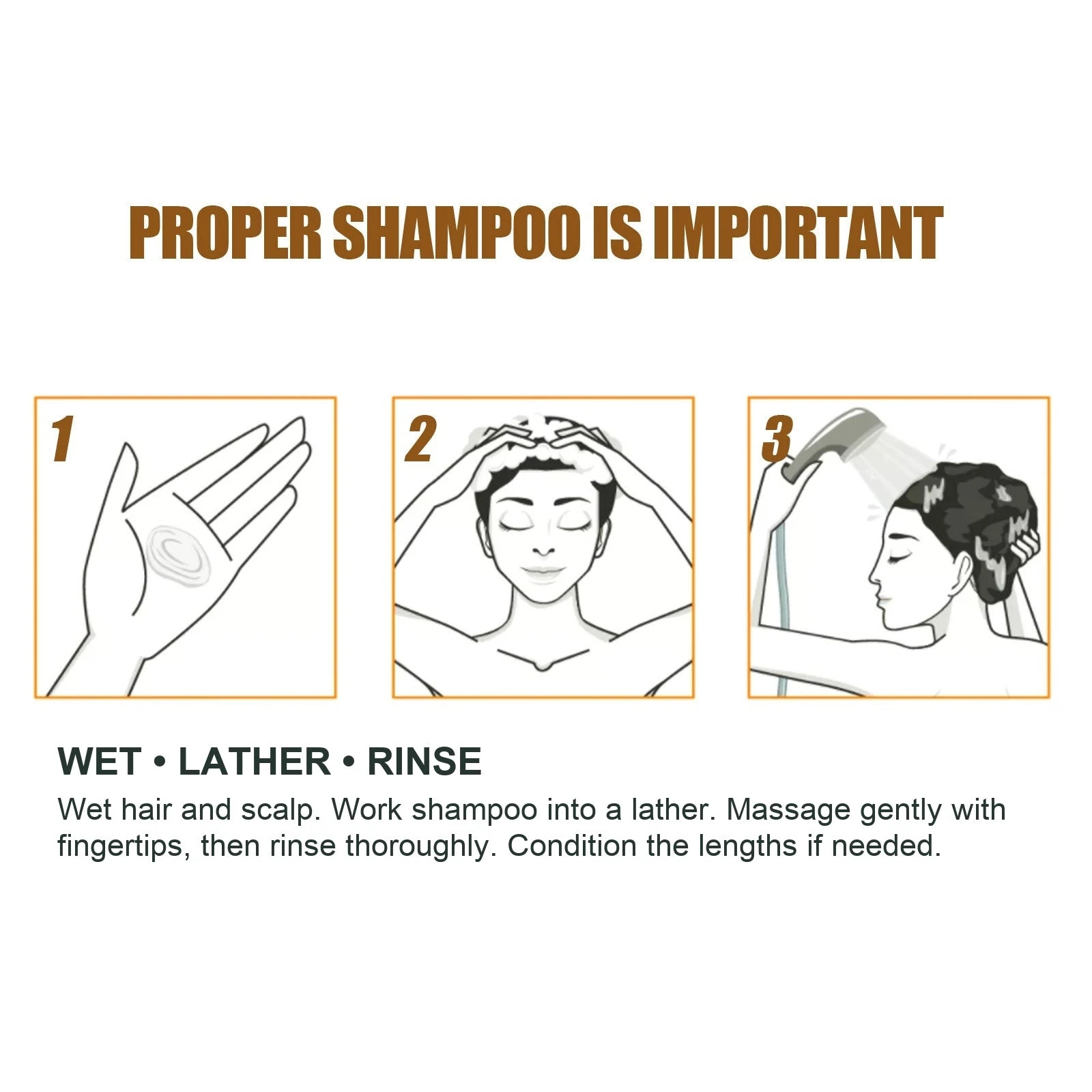
When a bottle needs replacing, choose the format and ingredients that fit your cleansing routine. Our 100ml EELHOE liquid ginger shampoo highlights ginger, coconut oil and Polygonum multiflorum and is used on wet scalp and hair before rinsing. Its public product information does not establish a verified shelf life, so check the received bottle rather than applying a timeline from this article.
Product details reviewed October 24, 2026. FDA guidance above supports the shelf-life principles and U.S. cosmetic/drug distinction; it is not a stability test of this shampoo. This guide does not assign an unverified expiry to any GinGrowth product.