
Store shampoo bars on a raised, draining surface away from the shower stream, and let them air-dry between washes. A closed tin is useful for carrying a dry bar, but it is a poor place to leave a wet one. Drainage underneath and airflow around the bar matter more than the material or price of the holder.
If your bar has turned soft, sticks to its case or disappears faster than expected, inspect where the water goes after your shower. This guide helps you arrange a drying spot, choose a practical holder and pack for travel without confusing temporary transport with everyday storage.
Start with drainage, airflow and a sheltered position
A bar that sits in a puddle stays wet even when its top looks dry. Choose ribs, slats or an open rack that raises the underside above collected water. If a dish has a catch tray, empty it before the water reaches the bar. A decorative saucer without drainage needs a separate raised insert and regular attention.
Airflow is the second part of the setup. A deep container with a lid can trap moisture, while a crowded shelf may keep the sides pressed against other wet products. Leave enough space to lift the bar without scraping it and enough open surface for water to drain. These are practical handling principles, not a promise of a fixed number of washes.
The third part is placement. A good rack directly under the shower stream still gets the bar wet whenever anyone showers. Move it to a sheltered shelf or a suitable holder farther from the spray. Check the actual splash pattern during normal use rather than assuming the highest shelf is always driest.
On a small screen, swipe or scroll the table sideways to compare all columns.
| Holder | Useful feature | Check before use |
|---|---|---|
| Raised or slatted dish | Supports the bar above runoff | Empty the catch tray; clear blocked slots |
| Open shower rack | Air reaches several surfaces | Move it away from direct spray |
| Mesh carrier | Can hang between washes | Do not leave it saturated or crumpled |
| Closed travel tin | Protects a dry bar in transit | Open and dry after carrying a damp bar |
How to store shampoo bars in the shower
Keep an in-use bar where it can drain safely without falling into the bath or onto the floor. A stable dish on a sheltered shelf often works; a securely installed wall holder can work when counter space is limited. Follow the holder maker’s mounting instructions and avoid positioning it where a falling dish could cause injury.
After washing, place the bar on its support instead of leaving it on a wet washcloth. Check whether the underside is sitting above the water line. If several people shower in succession and the bar keeps getting soaked, move the draining dish outside the enclosure between uses. You do not need a new container before trying a better location.
Keep shampoo and conditioner bars separate enough to identify them and allow their surfaces to dry. Stacking them while wet can make them stick together. A shared tray is workable only if its spaces drain and the bars do not merge into one wet pile. Labeling the holder can also prevent confusing hair cleanser with a facial or body bar.
Choose a bar and holder that fit each other
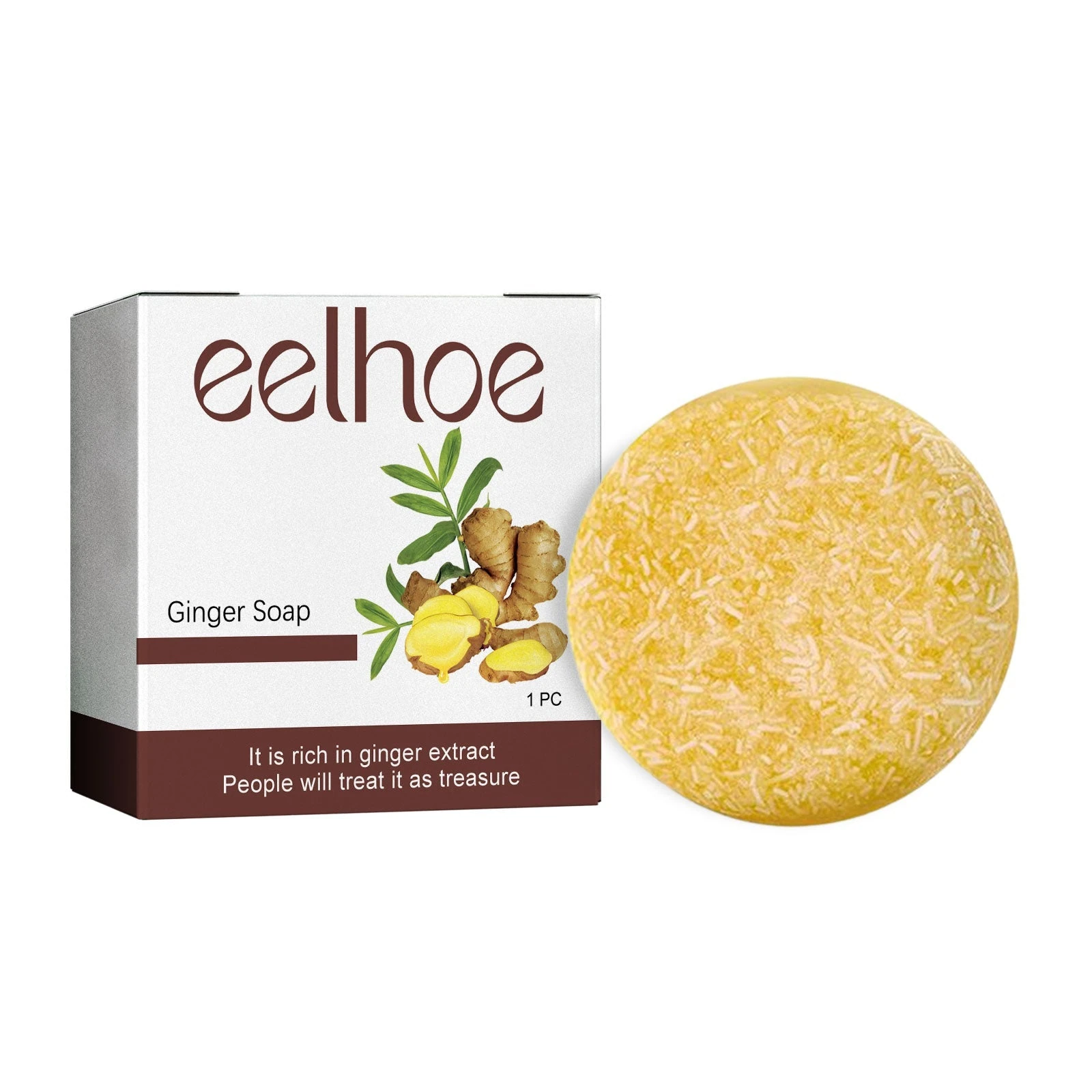
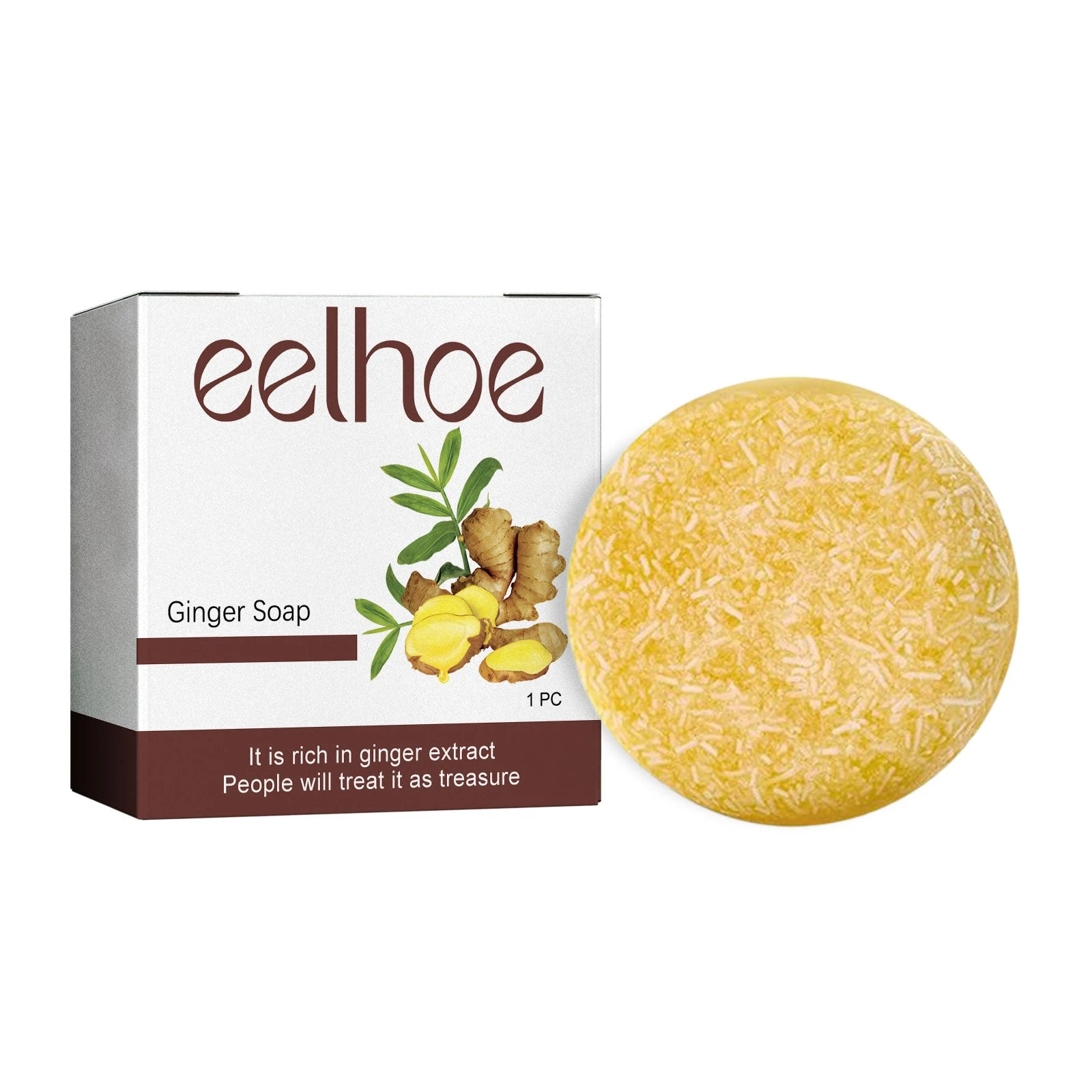
Our EELHOE round solid shampoo bar is a lather-and-rinse cleanser. Its product information lists sodium palmate, glycerin, ginger extract and Polygonum multiflorum root extract, and specifically recommends a draining dish and air-drying between uses. Check the bar’s pictured shape and the holder’s usable surface before buying either one.
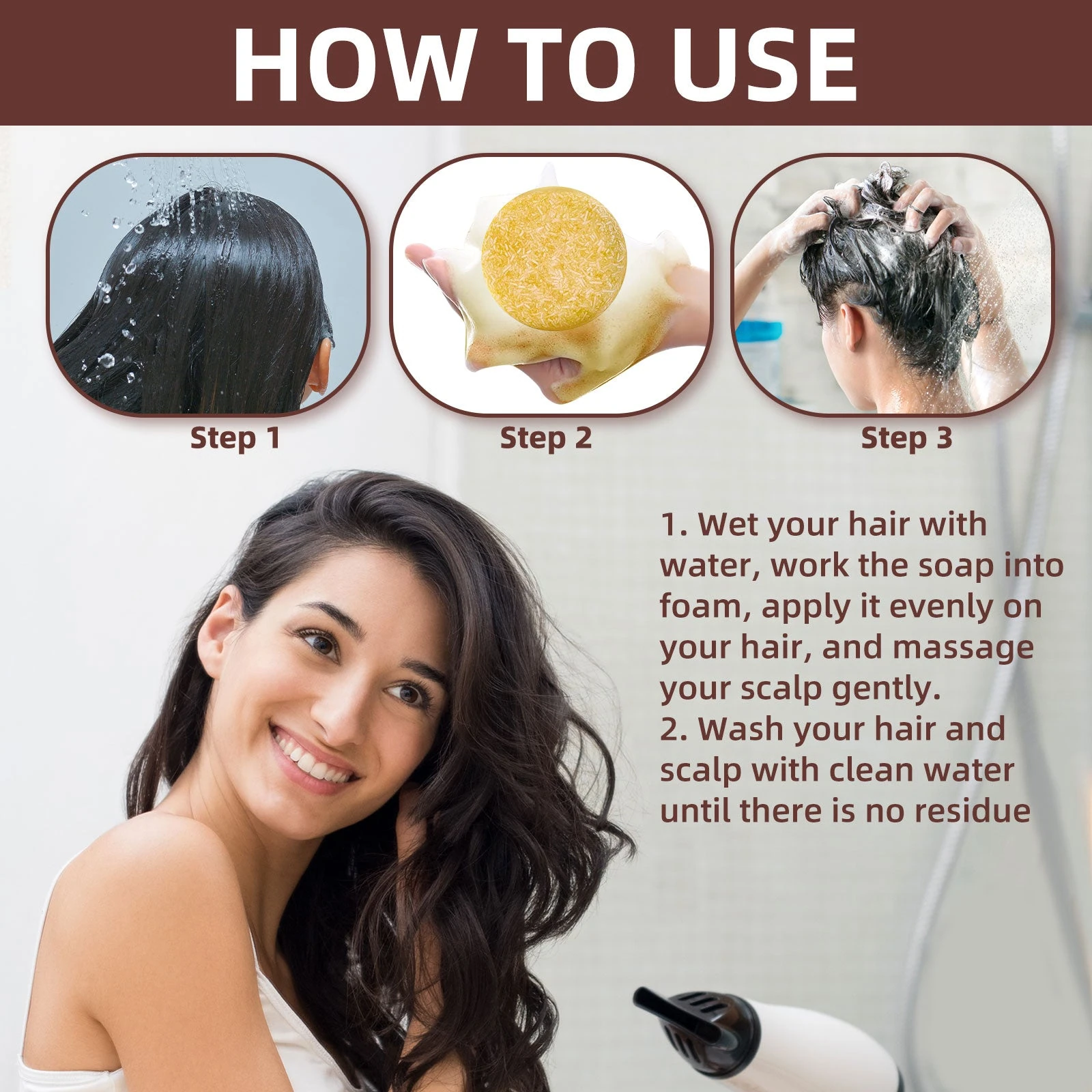
For this bar, create foam in wet hands, massage gently at the roots and rinse thoroughly. Repeatedly dragging the bar through the hair is not needed to prove that it is working. A separate conditioner can help with rough-feeling lengths. The article on shampoo bars versus liquid shampoo covers the broader format decision if you are still choosing your wash routine.
How to keep shampoo bars dry between washes
A useful routine is short enough to repeat: finish washing, set the bar on a draining support and leave it out of the spray. Look underneath the support when you tidy the shower. A tray can appear dry from above while its catch basin is full, and residue can block small drainage openings over time.
Clean the holder according to its material and manufacturer’s instructions, then let it dry before putting the bar back. There is no universal cleaning interval for every bathroom. Visible residue, trapped water and a blocked drain are reasons to clean sooner. Avoid mixing cleaning chemicals or applying an improvised disinfectant directly to a cosmetic bar.
Do not use a hair dryer, radiator or strong direct sun to force a bar dry. Ordinary drainage and air-drying are a simpler approach, and excess heat can change a cosmetic product. The FDA’s cosmetic shelf-life guidance notes that temperature changes, sunlight, air and moisture can affect products; drying does not restart their usable life.
- Rinse the hair thoroughly and finish using the bar.
- Place the bar on a clean raised or draining support.
- Check that its underside is above any collected water.
- Leave it clear of the shower stream with air around it.
- Clean and dry the holder when residue or standing water develops.
How to travel with shampoo bars
Whenever possible, give the bar time to drain and dry before packing. Use a clean case with enough room to remove it easily. A rigid case protects the shape, while a suitable breathable carrier may help between uses; neither choice means you can ignore moisture. Check how the carrier is designed to dry and whether it can leak onto other belongings.
If you must pack immediately after a shower, separate the damp bar from items you want to keep dry and treat the closed case as temporary transport. At your destination, open it and move the bar onto a draining surface. Wipe out and dry the case before the next packing cycle. Do not leave a damp bar sealed in luggage for the rest of the trip.
For a multi-stop trip, make arrival part of the routine: unpack the bar along with your toothbrush, rather than waiting until the next wash. If the accommodation has only a flat shelf, a portable draining insert can help. Keep it stable and away from splash; a travel case lid is not automatically a draining dish.
On a small screen, swipe or scroll the table sideways to compare all columns.
| Situation | Pack | At the destination |
|---|---|---|
| Bar already dry | Use a clean, suitable case | Place on a draining support for the next use |
| Bar still damp at checkout | Keep it separate from dry belongings | Open promptly and air-dry bar and case |
| Several overnight stops | Keep a reusable draining insert accessible | Unpack it on arrival, not just at shower time |
What to do when the bar becomes soft or stuck
A softened surface often tells you to review prolonged wet contact. Move the bar gently to a clean draining support and allow it to dry naturally. Avoid prying a stuck bar with a sharp tool. If it cannot be removed without breaking, let the container and bar dry before trying gentle handling again.
Softness alone does not establish microbial contamination, but drying alone does not establish safety either. If the bar has an unexpected smell, unusual discoloration, visible growth or a history you cannot establish, stop using it and ask the seller or manufacturer. Do not cut away a questionable surface and assume the remainder is safe.
Small remnants can sometimes be used with a purpose-made soap saver, provided both the material and bar suit that method. The bag itself must drain and dry. A wet bag left crumpled on a wet shelf simply moves the moisture problem into fabric. Avoid pressing old fragments onto a new bar if their condition or cleanliness is uncertain.
Store unopened bars separately from the shower
Keep spare bars in their original packaging in a dry place away from heat and direct sunlight, following any storage instructions on the pack. Preserve batch and date information. Buying several bars does not mean opening all of them at once; use your current product before rotating another into the wet area.
Do not transfer a generic shelf-life estimate from a different brand to your bar. Formula, packaging and storage history differ. For the EELHOE bar shown here, the verified advice is drainage and air-drying during use; a batch-specific expiry or opening period must come from the received packaging or manufacturer. Better storage helps preserve the intended product, but it is not an expiry extension.
Questions about shampoo-bar storage
Can I store a wet shampoo bar in a tin?
Use a tin for temporary transport if necessary, then open it and let the bar drain at the destination. For routine storage, dry the bar before closing the lid. A wet bar in a sealed tin has little opportunity to dry, even when the tin looks tidy on a shelf.
How long does a shampoo bar take to dry?
There is no reliable universal time. Bar size, formula, humidity, drainage and airflow all matter. Check that the surface and underside are no longer wet before closing a storage case; do not treat a set number of minutes as proof that every bar is ready to pack.
Is a mesh bag better than a soap dish?
A hanging mesh bag can drain if it stays open to air and clear of the spray. A raised dish can do the same. Choose the setup that actually dries in your bathroom, and keep the holder clean. A saturated bag resting on a flat shelf is not an improvement.
Will correct storage make a bar last a specific number of washes?
No fixed wash count follows from storage alone. Amount used, hair and scalp needs, bar size and wash frequency also affect use. Judge the setup by whether the bar stays usable and drains between washes, rather than relying on an untested bottle-equivalence or wash-count claim.