
Tsubaki scalp serum can refer to a brand search, an interest in camellia-based hair care or a desire for a lightweight scalp product. Those meanings should be separated before recommending an alternative. This review did not verify a current exact TSUBAKI scalp-serum label, so it does not assign ingredients, a dose or a growth result to an assumed product. The useful comparison is the care role you actually need.
Separate the Brand from the Ingredient Idea
The FineToday brand directory provides a manufacturer-level reference for its brands. A brand reference is not a substitute for the complete label of a particular scalp serum.
If you are looking for TSUBAKI-branded care, obtain the exact product name and package. If you mean camellia oil as an ingredient preference, say that explicitly when comparing products. A botanical name and a branded finished formula are different identifiers.
For the country-of-origin question, the Japanese scalp-serum buying guide distinguishes brand identity, manufacturing origin and the product’s care role.
Identify Scalp versus Length Care
A product for shine and smooth lengths may have a different purpose from a scalp moisturizer. Both can be called hair serum in marketplace titles, which makes the intended application area essential.
Check whether the label says scalp, roots, mid-lengths or ends. A pump or dropper does not answer that question. A product placed on the wrong area may also produce a finish very different from the one described in a review.
Swipe the table sideways to compare all columns.
| Decision | Documented detail | Purchase implication |
|---|---|---|
| Identity | Exact TSUBAKI scalp-serum label unverified | Get the current product name |
| Texture | Water-based versus oil blend | Choose by finish and ingredients |
| Evidence | Ordinary care versus loss treatment | No borrowed botanical growth result |
Choose the Result before the Texture
If ends are rough or tangle, length conditioning is a relevant category. If the scalp feels dry, ordinary moisture may be useful. If hair is progressively thinning, the cause of loss needs its own assessment.
These needs can coexist. The most helpful purchase does one defined job well rather than promising that a botanical ingredient solves dryness, styling damage and every form of loss simultaneously.
Compare a Formulated Oil with a Water-Based Serum
An oil blend generally offers a different feel from a water-based product with humectants. The exact formula matters more than assuming one country of origin or one plant ingredient guarantees a lightweight result.
The store’s oil serum below is a formulated blend, not pure camellia oil. Its essence is water-based. Neither is presented as a TSUBAKI formula match or a substitute for a specific camellia ingredient requirement.
For the separate everyday-care choice, review the 30ml Lightweight Scalp Serum with Ginger.
Compare Two Separate Scalp-Care Textures
GinGrowth sells these products; the oil blend is not pure camellia oil and neither formula is established as TSUBAKI-equivalent. GinGrowth sells the two products below.
Swipe the table sideways to compare all columns.
| Detail | 30ml Lightweight Scalp Serum with Ginger | 30ml Ginger Scalp Oil Serum for Dry Scalp |
|---|---|---|
| Format | Water-based dropper essence | Oil-based dropper blend |
| Ingredient highlights | Aqua, glycerin, ginger root oil, Polygonum multiflorum extract and hydroxyethylcellulose in the ingredient graphic. | Mineral oil, hydrogenated castor oil, olive oil, tocopherol, rosemary leaf oil and ginger root extract in the artwork. |
| Application | After washing and drying, apply a small amount to the scalp, massage gently and leave in. The product guide describes daily use. | After washing and drying, apply a small amount and spread gently. Follow the bottle for timing, frequency and rinse instructions. |
| Reason to compare | Choose for a light moisturizing step and precise placement along a part. | Choose for an oil-based conditioning feel when you tolerate richer textures. |
View 30ml Lightweight Scalp Serum with Ginger or compare 30ml Ginger Scalp Oil Serum for Dry Scalp. Review the current product page for price and package details.
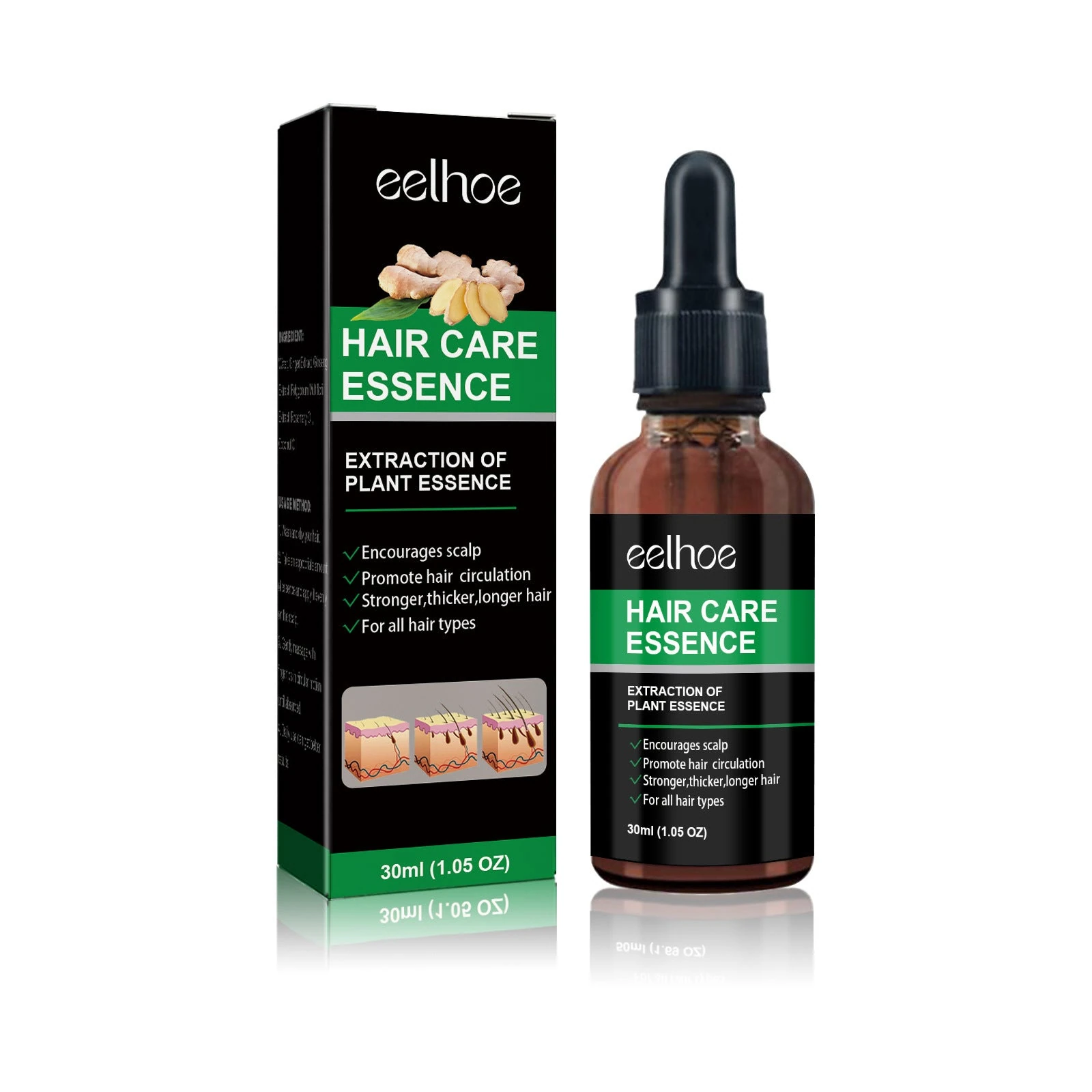
The essence contains ginger root oil within a water-based formula. That is different from buying a bottle of pure essential oil. Glycerin provides a concrete moisturizing ingredient to compare, while the dropper helps direct a small amount to the scalp. Use the finish on your own hair as the practical test: controlled placement matters more than saturating the roots or spreading scalp care through the lengths.
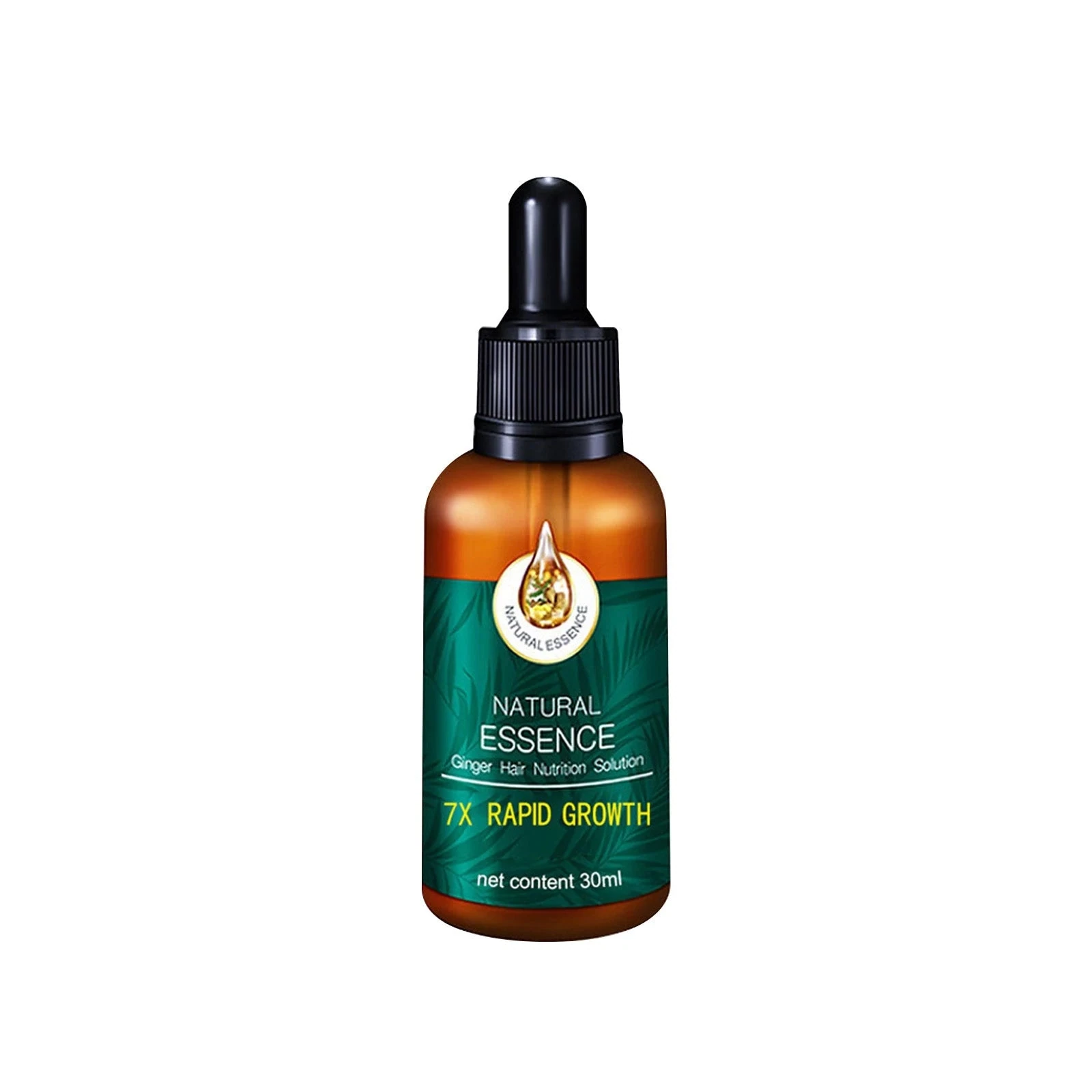
This oil blend gives you a different texture to compare with water-and-humectant formulas. It can feel more noticeable at the roots, so start sparingly and assess residue. The supplied guide does not establish an overnight treatment or a pre-wash soaking time. Botanical oils are still ingredients to check against personal sensitivities, even when you prefer an oil-based care routine.
Read the Current Ingredient Highlights
The product artwork for the store’s essence lists water, glycerin, ginger root oil, Polygonum multiflorum extract and hydroxyethylcellulose. The separate oil blend highlights mineral oil, hydrogenated castor oil, olive oil, tocopherol, rosemary oil and ginger extract.
These are concrete differences in format and ingredients. They do not establish that one grows more hair, that botanical origin guarantees tolerance or that a shared conditioning purpose creates clinical equivalence.
Plan Placement without Saturating the Roots
For any purchased scalp product, use its own amount and preparation instructions. Parting the hair can help direct a formula to the intended area instead of coating the top layer of hair.
Do not borrow an overnight soaking routine from pure-oil advice. The store’s oil information does not establish a universal overnight contact time or a pre-wash duration, and an unidentified TSUBAKI product cannot supply those missing details.
Consider the Finish with Your Existing Style
Fine or short hair can make root residue especially noticeable, while longer lengths may have a separate conditioning need. Compare the finish under similar wash and styling conditions rather than judging a product after several new layers.
A richer texture is a preference and routine-fit question, not evidence of stronger growth support. A lighter feel can be convenient without proving that ingredients reach follicles more effectively.
Keep Botanical Evidence Product-Specific
A plant ingredient can have interesting chemistry while the finished formula’s effect depends on concentration, vehicle and use. An ingredient story should not be translated into a percentage of new hairs without a relevant trial.
This guide does not establish a controlled TSUBAKI-versus-GinGrowth comparison. GinGrowth sells the options shown, and the comparison is limited to their documented ordinary-care roles.
For an oil-based comparison, the castor-oil serum evidence guide distinguishes conditioning uses from the limited hair-growth evidence for castor oil.
Seek Assessment for a Thinning Concern
The AAD explains diagnosis-led hair-loss treatment. A widening part, sudden patches or loss with pain and inflammation deserves appropriate evaluation. A shiny or soft finish does not identify the cause.
Bring a timeline and your current products to that discussion. Keep any treatment’s directions intact rather than replacing it solely because a cosmetic bottle feels more pleasant.
Frequently Asked Questions
Is a current exact TSUBAKI scalp-serum label verified here?
No. The guide states that limitation and does not invent one.
Is the store’s oil serum pure camellia oil?
No. Its documented ingredient highlights describe a separate oil blend.
Does a light texture prove a stronger growth result?
No. Texture and medical efficacy are different comparison points.
Finish with an Exact Care Choice
Choose the area, desired result and formula preference first. Then match the current label and instructions of the actual product. That gives a useful alternative comparison without turning a broad Tsubaki search into unsupported claims about an unidentified serum.
Choose the care role and formula that match your routine.
Sources and Product Information
- Brands - FineToday — Manufacturer brand-directory reference only; no exact current scalp-serum label established.
- AAD: Hair loss diagnosis and treatment — Guidance checked October 1, 2026; not a trial of the cosmetics compared here.
GinGrowth product details were checked October 1, 2026. This guide compares published information and current product specifications; it does not report a GinGrowth clinical trial or personal use test.